
Review · MOUNT FUJI TOURS
From Tokyo: Mount Fuji Private Tour With English Guide
Fuji sightings are never guaranteed. That is why a private day with an English speaking driver matters, you get multiple angles to try for the perfect view. I like how the route mixes iconic photo spots with calmer lakeside time, so you do not just sprint between landmarks.
I love the practical feel of this tour: clear pacing, photo assistance when you want it, and a guide who can handle families well. The one real drawback to plan for is that the day runs about 10 hours and includes lots of stops, so you will want comfortable shoes and a flexible attitude toward weather and timing.
Key highlights that make this Mount Fuji day work
- Private group up to 6 with an English speaking driver, so you can ask questions and adjust timing.
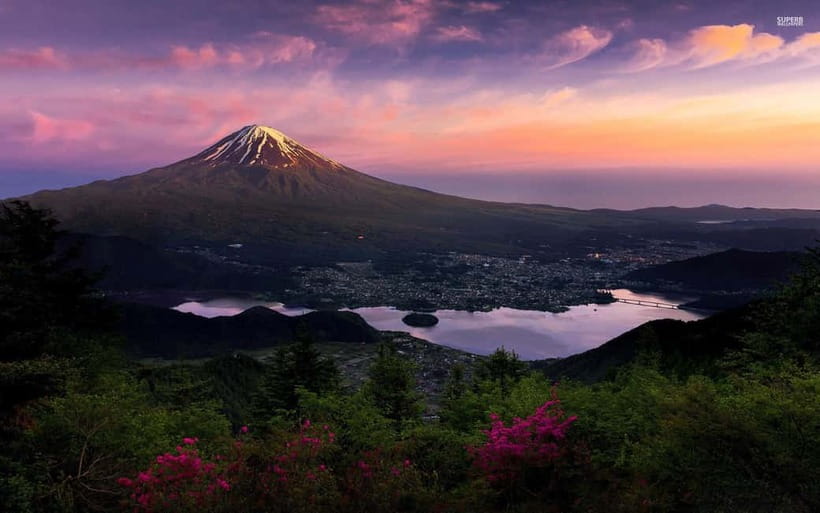
- Multiple Fuji viewpoints across lakes, shrines, and the 5th Station for more chances at a clear sighting.
- Photo help at major spots like Chureito Pagoda and Oshino Hakkai.
- Fuji snowmelt at Oshino Hakkai, with ponds fed by water from the mountain.
- Hakone add-ons like Lake Ashi, ropeways, and Owakudani for views beyond Fuji.
- Halal and vegetarian friendly meal stops can be arranged with advance preference.
Private time beats racing buses to Fuji
If you are trying to see Mount Fuji from Tokyo, you have two big problems: long travel time and limited control. A private tour solves both. You are not stuck with a fixed group pace, and you can spend the right amount of time where the views are actually working that day.
This day is designed as a “view strategy.” Instead of relying on one viewpoint, you hit several places that look toward Fuji in different ways. That matters because Fuji visibility changes fast with cloud cover, rain, and timing.
And the guide experience seems consistent. Drivers like Ali, Malik, and Rana get praised for being friendly, professional, and patient, including for families with young kids. When you are traveling with people who need breaks, that small detail can make the day feel relaxed instead of chaotic.
One more thing I appreciate is the practical support: water bottles, coffee, and photo assistance if you need it. Little helps like this keep you moving without constantly hunting for snacks or figuring out timing.
You can also read our reviews of more guided tours in Tokyo
Price for up to 6, and what you really get
The price is $318 per group up to 6, with a 10-hour day. That sounds simple until you compare it to the real cost of options in Japan: public transport plus taxis plus entrance fees plus the time lost to transfers.
For a family or a small group of friends, private transport can be good value because you share the vehicle cost. You also get something buses usually do not offer: English speaking guidance, plus flexibility about where you spend extra minutes for photos.
You do still need to budget separately for entrance fees and meals and refreshments, since those are not included. Also, gratuity for the driver is optional. If you plan for those, the total cost usually feels fair for a full day of driving and sightseeing.
How pickup choices save your morning
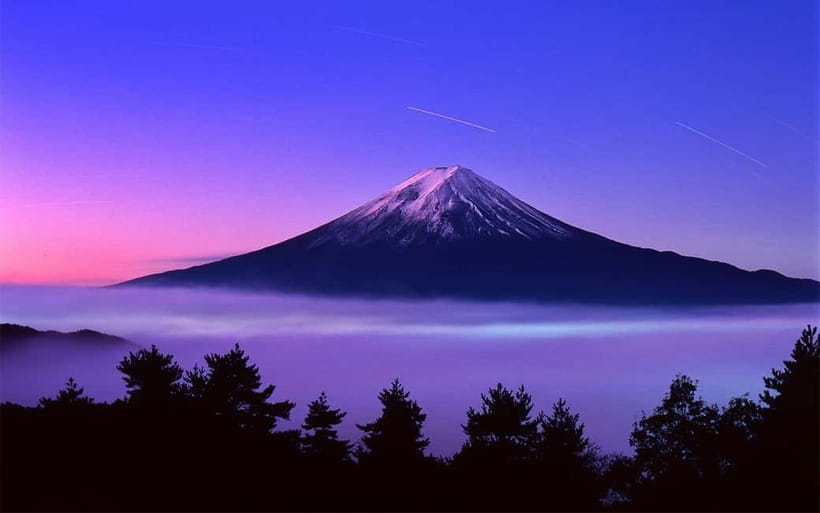
You can choose from three pickup locations: Ueno, Tokyo, or Yamanashi. That is a big deal because getting out of Tokyo takes time, and the “best” pickup point depends on where you are staying.
The tour includes transfer time, and you should expect about 2 hours of transfer time during the day. In other words, you will not roll out of bed and start sightseeing instantly. But starting earlier, and starting from the closest pickup option you can manage, helps you protect your best daylight for Fuji views.
Chureito Pagoda, the iconic frame, and timing reality
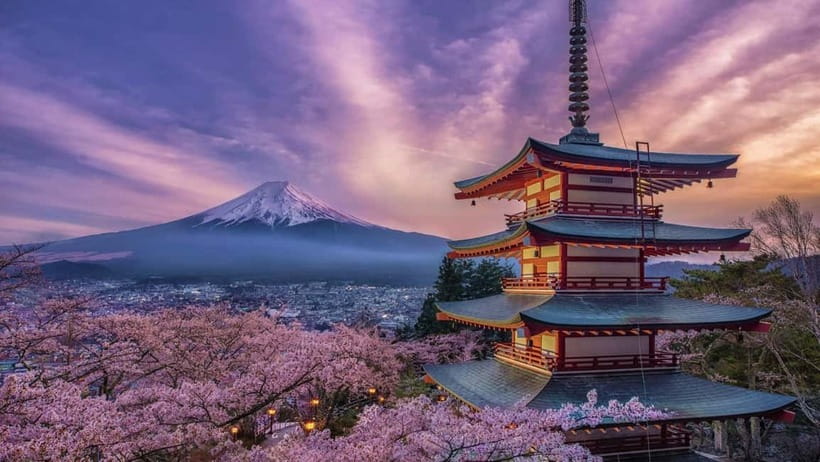
Your day kicks off with Chureito Pagoda, one of Japan’s most famous Fuji photo scenes. You get 45 minutes for a break, plus photo time and walking around.
This stop works because the view is framed. The pagoda gives you a classic composition for Fuji, especially when the mountain is clear and the light is right. Even when visibility is not perfect, you will still enjoy the area’s calm, and you get that “wow, this is real Japan” feeling.
The drawback is crowds and waiting for the right shot. You cannot control how crowded it gets, and weather can soften the view. The private aspect helps because you can ask your driver about the best moment to step out for photos and how long you should spend before moving on.
Mt. Fuji 5th Station: highest vehicle-access viewpoint
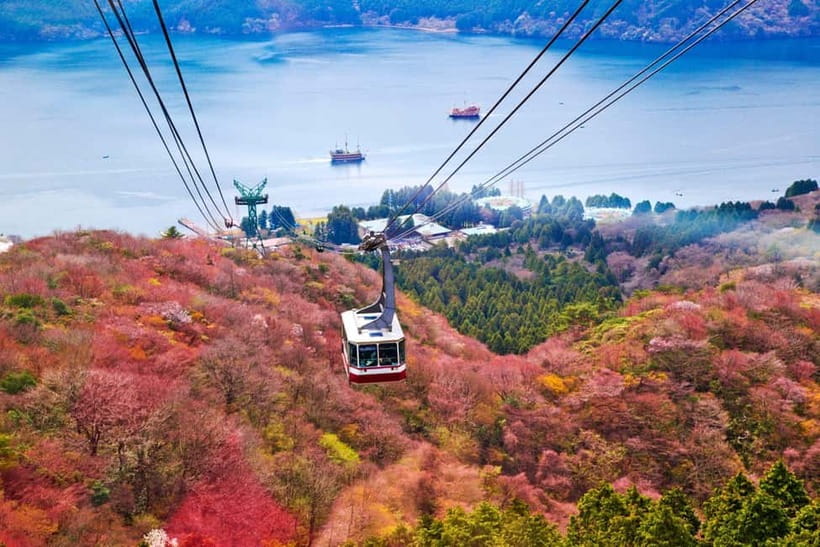
Later, you visit Mt. Fuji 5th Station for about 45 minutes. This is one of the most sought-after viewpoints because it is the highest point accessible by vehicle on most routes, so you get a wide perspective.
Here is the practical part: at altitude, weather changes quickly. The same conditions that make Tokyo sunny can still mean wind or mist near the station. The good news is that spending time here increases your odds of getting a meaningful Fuji sighting that day.
Also, this is where you slow down a bit. You are not just photographing from a single fixed spot. You can look around, take in the panoramic view, and get a sense of the mountain’s scale without needing to hike.
Wear shoes you trust. The ground can be uneven and you will likely stand for photos.
You can also read our reviews of more private tours in Tokyo
Lake Kawaguchiko: Fuji reflections and lakeside breathing room
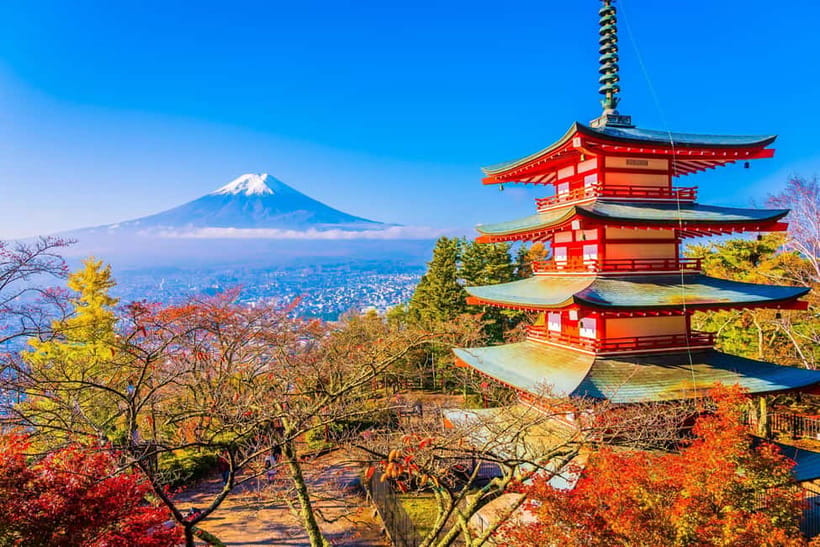
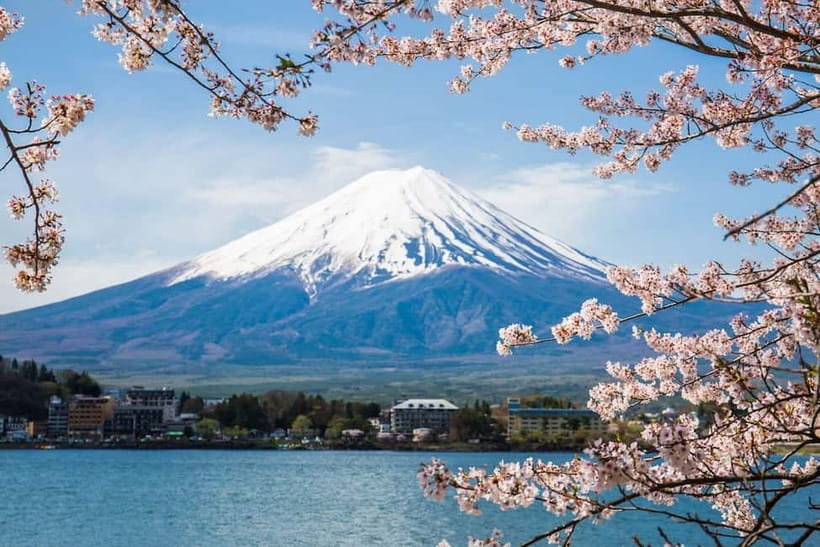
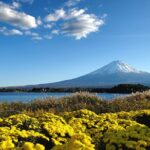
Next you head to Lake Kawaguchiko, with about 1 hour for sightseeing. This is the classic Fuji Five Lakes area, and it is famous for mirror-like reflections when the air is clear.
Even if the reflection is not perfect, the lake still gives you a wide, open setting. You can take photos, walk around a bit, and enjoy the calmer pacing after shrine and pagoda stops.
The best practical move here is to treat it like a “view window.” If the clouds thin out, you might want to spend your time standing where the sightline to Fuji is strongest. If it is fully cloudy, you can use the hour to enjoy the lakeside atmosphere and let your driver keep the day on track for later stops.
Lake Yamanaka and duck boats: a lighter pause
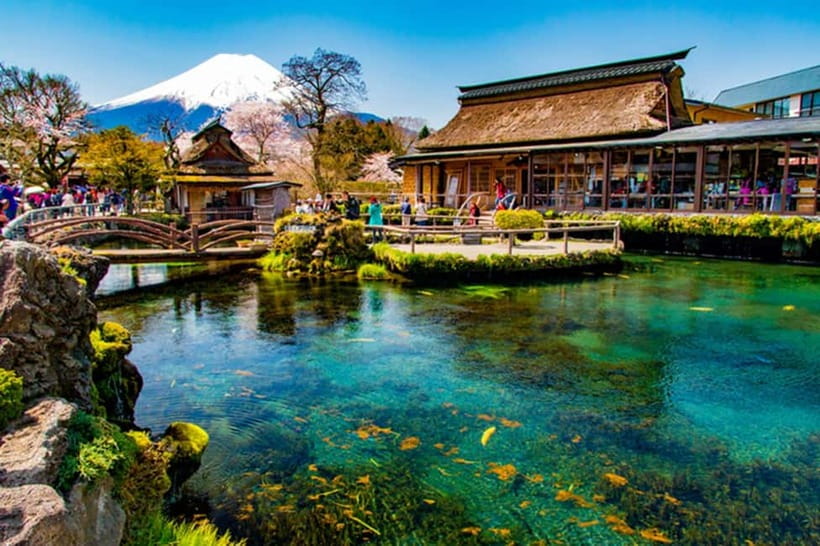
You also stop at Lake Yamanaka for around 30 minutes, with time that can include a duck boat ride. This is a nice mid-day switch because it is less about stairs and more about water and scenery.
Keep expectations realistic. You are not always guaranteed peak Fuji conditions, but the lake experience itself is still pleasant, and it breaks the “photo stop, move, photo stop, move” rhythm.
It also helps if you have kids or anyone who gets tired easily. A short boat option and scenic breathing room can reset the energy.
Oshino Hakkai: snowmelt ponds and a slower kind of beauty
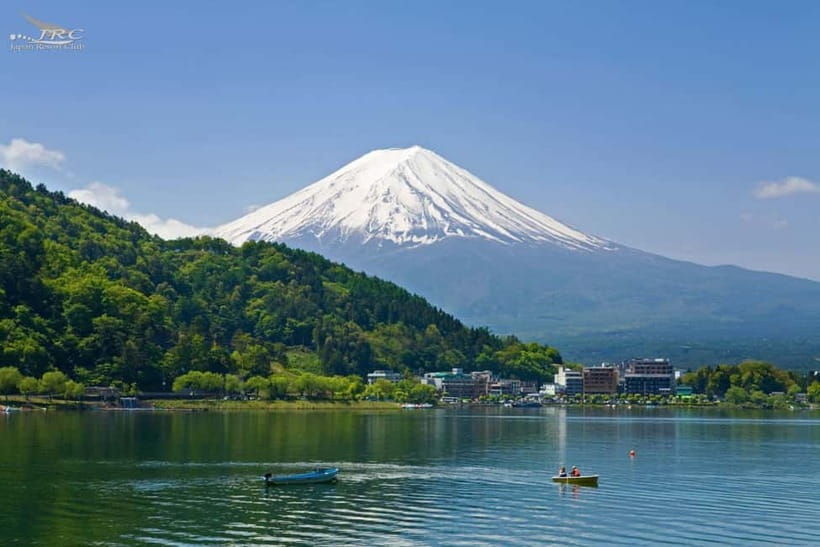
Oshino Hakkai is a standout for me because it connects the Fuji story to something you can see and touch. You spend about 1 hour here, with photo time and sightseeing, plus shopping.
Oshino Hakkai is known for crystal-clear ponds fed by snowmelt from Mount Fuji. The village atmosphere feels old-school Japan, with traditional-style surroundings and water that looks calm and clean.
Why it is valuable on a private day: you can slow down without feeling you are holding up a bus schedule. This stop rewards time spent walking the pathways and looking closely at the water rather than just grabbing one quick photo.
Entrance fees are not included, so if there is anything you want to enter, you may need cash or card ready. You should bring cash either way, since it is a common backup in Japan.
Arakura Fuji Sengen Shrine and Chureito area views
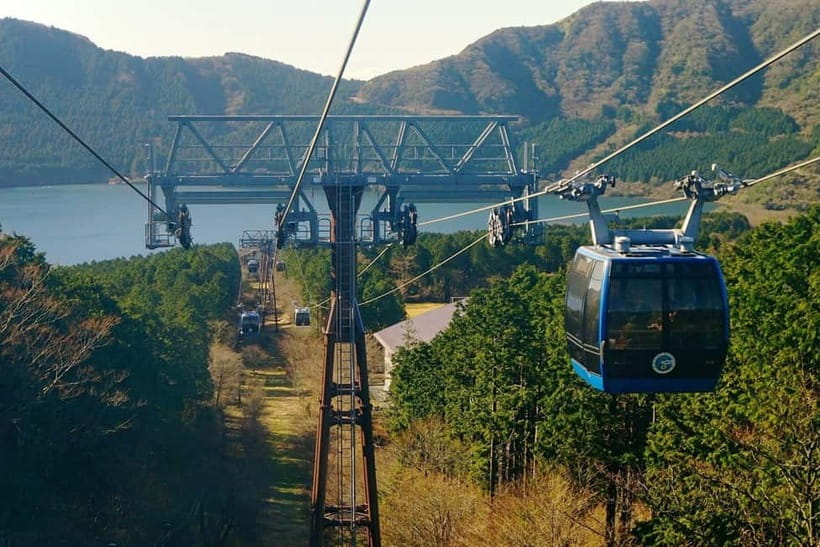
You then visit Arakura Fuji Sengen Shrine, with about 30 minutes for a break, photos, and sightseeing.
This is another Fuji-view anchor. The shrine area is famous for views that feel almost postcard perfect when Fuji is visible. If clouds move in, you still get a nice cultural stop with a lot to look at.
Short timing is the norm here, but private driving makes it easier to step out, photograph, and re-enter without stress. Just plan for some walking.
Oishi Park, Lawson photo break, and practical stops that matter
After the shrine area, you have time at Oishi Park for about 45 minutes. It is a good chance to stretch your legs and get extra Fuji perspectives from a park viewpoint.
Then there is a Lawson Kawaguchiko Station stop for about 30 minutes. This is basically a convenience and refreshment break with photo time and visiting. Even if you are not planning to shop, it is useful for bathrooms, snacks, and recharging before the later Hakone stretch.
These small breaks are not glamorous, but they are the difference between a smooth day and a cranky day.
Lake Ashi, ropeways, and Owakudani steam
Later the route moves toward Hakone-style scenery, including Lake Ashi (about 1 hour) with photo time and sightseeing. From there, you visit Mt. Kachi Kachi Ropeway for about 2 hours of sightseeing time, and then Hakone Ropeway for around 2 hours, including free time and cable car ride.
Then you head to Owakudani Valley, with time for sightseeing and a free period.
This part of the day adds variety. Even if Fuji visibility is not perfect, you still get a sense of Japan’s volcanic landscape energy. The ropeways also give you changing viewpoints as the day shifts, which is good for photos.
Important realism check: ropeway and valley experiences depend on weather. Rain and clouds can reduce visibility, but the good news is your day is still full of viewpoints, so you are not stuck with only one “make or break” scene.
Caves and ice: Fugaku Wind Cave and Narusawa Ice Cave
Two shorter, focused stops come next: Fugaku Wind Cave (about 15 minutes walk and visit) and Narusawa Ice Cave (about 15 minutes walk and free time).
These are quick attractions that add a different kind of interest to the day. They are also a good option if someone in your group does not want a long walk at altitude. You get variety without a huge time penalty.
Since entrance fees are not included, check what tickets cost if you plan to go inside. Bring a charged smartphone. You will likely want photos, but you do not want your battery dying halfway through.
Gotemba Premium Outlets: shopping with Fuji backdrop energy
You also stop at Gotemba Premium Outlets for about 2 hours with free time for shopping.
This is useful in two ways. First, it gives your group a flexible block of time for what you actually want to do, not what the schedule needs. Second, it is in the Fuji region, so you might even catch views while you walk around or break outside.
If shopping is not your priority, use the time for a long rest, snacks, and regrouping. After so many viewpoints, a real reset matters.
Guide flexibility and the small extras that can save the day
One of the best parts of a private Fuji tour is that your driver can read the day. If visibility shifts, you might spend slightly more time where the view opens, and less where it does not.
In real bookings, guides have handled requests and route changes quickly and politely. There is a specific example of Shiraito Falls being added after being requested during booking, and the driver corrected a misunderstanding fast when it came to which falls were intended. That tells me the operator is paying attention to your preferences rather than running a rigid script.
If you want a specific add-on, ask early and be clear. The day is packed, so any extra stop should fit without turning the schedule into a sprint.
Halal and vegetarian needs: planning meal stops without breaking the rhythm
This tour is set up to handle halal and vegetarian options. If you tell them what you need, they can arrange meal stops at Muslim-friendly or vegetarian restaurants and adjust the itinerary accordingly.
That is not just about food. It protects the flow of your day. When you have dietary restrictions, finding something safe can take time and stress, especially far from central Tokyo.
Since meals are not included, you will pay for food yourself at the restaurant. But the planning help is what makes it workable.
If you have specific dietary requirements, tell the provider what you can and cannot eat, and confirm whether you want a restaurant stop or a quick grab-and-go style break.
What to bring, what not to bring, and how to pack smart
For a day this full, pack like you are hiking a little, even if you are not.
Bring:
- Passport or ID card
- Comfortable shoes (no debate, this is the day for them)
- Comfortable clothes for changing weather
- Cash
- A charged smartphone
Not allowed:
- Sandals or flip flops
- Pets
- Oversize luggage
- Smoking in the vehicle
- Alcohol and drugs
You also want to plan for weather since the tour runs rain or shine, with adjustments for safety and comfort. That means a light layer can save your mood if the mountain air feels cooler.
Is this tour right for your group?
This private Mount Fuji tour is a strong fit if:
- You want an English speaking driver and less confusion on the road
- You are traveling as a couple, family, or a small group up to 6
- You care about seeing Fuji from several viewpoints, not just one
- You want cultural stops plus a volcanic and ropeway add-on stretch
It might not be the best fit if:
- You hate packed schedules. This is a full 10 hours with many stops.
- You need frequent long breaks. The pacing is designed to keep you moving.
- You are sensitive to weather changes. The itinerary is flexible, but Fuji views depend on conditions.
There is also a weight note: it is not suitable for people over 350 lbs (159 kg) or over 331 lbs (150 kg), based on the provided guidance.
Should you book this Mount Fuji private tour?
I think you should book this tour if your top goal is maximum chances of seeing Mount Fuji while staying comfortable, especially if you are a group of up to 6. The value is strongest when you compare it to the cost and time of assembling your own private transport and navigating multiple regions in one day.
If Fuji visibility is your number one worry, the strategy here helps. You are not betting everything on one viewpoint. You stack lakes, shrines, a pagoda frame, and Mt. Fuji 5th Station so the day has backup plans.
My one booking caution is simple: it is a lot of stops in one day. If you want a slow, single-zone experience, look for something shorter or more focused. But if you want a well-driven, English-guided day that covers the big hits from Tokyo with real variety, this is a solid choice.
FAQ
Where can I be picked up?
You can choose from three pickup options: Ueno, Tokyo, or Yamanashi.
How long is the tour, and what is the group size?
The experience runs for about 10 hours and is a private group for up to 6 people per group.
What are some of the main places you visit?
You’ll visit multiple famous spots including Chureito Pagoda, Lake Kawaguchiko, Oshino Hakkai, Arakura Fuji Sengen Shrine, Mount Fuji 5th Station, and additional areas around Lake Ashi, ropeway rides, and Owakudani Valley. You also stop at places like Gotemba Premium Outlets and Fugaku Wind Cave and Narusawa Ice Cave.
Are meals included, and can you accommodate halal or vegetarian needs?
Meals are not included. The provider says they can arrange meal stops at Muslim-friendly or vegetarian restaurants and adjust the itinerary based on your needs.
Is the tour wheelchair accessible?
Yes. The tour is listed as wheelchair accessible.
What should I bring, and what items are not allowed?
Bring a passport or ID card, comfortable shoes, comfortable clothes, cash, and a charged smartphone. Not allowed includes sandals or flip flops, pets, oversize luggage, smoking in the vehicle, and alcohol or drugs.
More Guided Tours in Tokyo
More Tours in Tokyo
More Tour Reviews in Tokyo
Not for you? Here's more nearby things to do in Tokyo we have reviewed


Mount Fuji Tours, side by side.
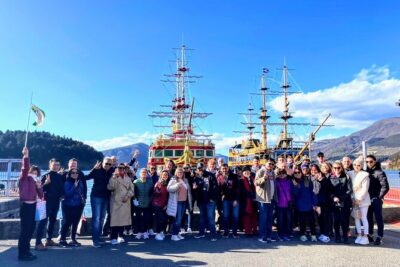 ★ 5.0Mt Fuji and Hakone 1-Day Bus Tour Return by Bullet TrainFrom $16326,383 reviews
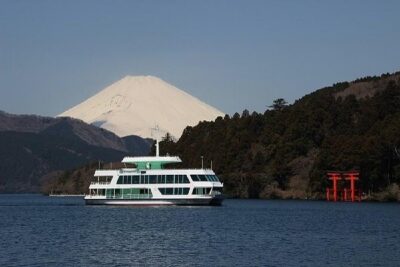 ★ 4.0Mt Fuji & Hakone Cruise, Drum Show Bullet Train 1 Day from TokyoFrom $1497,413 reviews
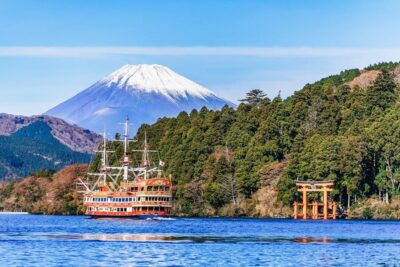 ★ 4.4Tokyo Mt Fuji 5th St & Hakone Cruise Bus Tour w/Bullet TrainFrom $1545,024 reviews
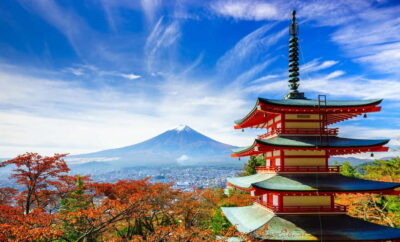 ★ 4.5From Tokyo: Mount Fuji Full-Day Sightseeing TripFrom $684,970 reviews
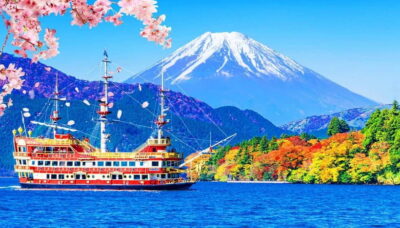 ★ 4.7Mt. Fuji Tour, Hakone Ropeway, Owakudani, Lake AshiFrom $544,002 reviews
 ★ 4.2Mt. Fuji 5th Station & Hakone Cruise 1-Day Bus TourFrom $1292,381 reviews
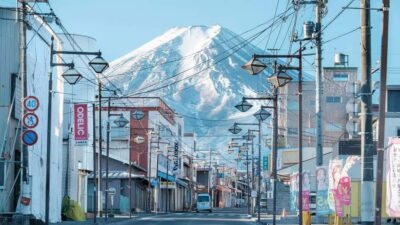 ★ 4.7Mt Fuji Top 5 Spots Day Tour: Arakurayama Park,Oshino HakkaiFrom $532,066 reviews
 ★ 5.0Private Tour to Mt. Fuji and Hakone (Fully Licenced Operator)From $4971,910 reviews