
Nagasaki packs emotion and views fast. This private full-day shore tour is built for cruise timing, with a local guide, air-conditioned transport, and a smooth return to the ship. You get the city’s big-hitters plus real downtime to eat and shop.
I especially like the private pickup and drop-off at the port, so you are not wandering while everyone else figures things out. I also love the mix of stops, from the Nagasaki Peace Park memorial to the harbor viewpoints and the atmospheric old trading history on Dejima. With 3 hours in Shinchi Chinatown, you also get breathing room instead of a nonstop checklist.
One drawback to consider is the day depends on your ship schedule and traffic. The tour is designed to “fit” your docking times, so in slower conditions you may not have as much wiggle room as you hoped.
Key things I’d plan around
- Port-first timing with driver meet-and-greet and a return that’s meant to leave you time to relax
- A guide-led route that covers Peace Park, Glover Garden, Dejima, and more without you needing to navigate
- Inasayama viewpoint access with a choice to ropeway or hike up for panorama views
- Long Chinatown free time (3 hours) for lunch and shopping at your own pace
- No entrance fees expected based on what’s included and the stop descriptions
Meeting the guide right at Nagasaki Port Terminal
Your day starts at the Nagasaki Port Terminal Building, with a friendly driver meeting you just outside the cruise terminal. Instead of losing time to transfers and group shuffles, you slide into a modern, air-conditioned private vehicle and get moving.
This is where the value shows. On a cruise day, you need two things: clarity and speed. A port pickup plus a professional local guide means fewer questions, fewer wrong turns, and more time for what you came for.
You can also read our reviews of more boat tours in Tokyo


How the private transport changes your pace
This is a private shore excursion, meaning you are traveling only with your own group. That matters because Nagasaki can be a mix of viewpoints, hills, and walking. With private transport, the plan can adjust to how quickly your group moves and how the roads look that day.
You should still expect “cruise day pacing.” You get set time windows at each stop, then you’re back in the car. It is not a slow, wandering, stay-as-long-as-you-like day, but it is not rushed in the sense of skipping the important parts either.
Nagasaki Peace Park: a memorial stop that deserves your attention
The first major emotional stop is Nagasaki Peace Park, where you spend about 30 minutes. The park is dedicated to promoting peace and remembering the victims of the atomic bombing in 1945, with the Peace Statue at the center as a symbol of hope.
What I like about building this into a shore day is that it anchors your visit. Even if your other stops are architecture and harbor views, this gives context and meaning. It also tends to be easier to enjoy calmly without a ton of extra logistics, since admission is listed as free.
Inasayama Observation Deck: the view stop you will remember
Next comes Inasayama Observation Deck, with around 20 minutes there. This is where you get panoramic views of the city and the harbor, and you can reach the summit either by ropeway or hiking.
I like this stop because it’s visual payoff. You’re not just collecting names, you’re getting the geography that ties the city together. If you want the easiest route, the ropeway option is there; if you prefer a little movement and fresh air, the hike option is part of the deal.
Practical note: viewpoint time is short by design. So if you want photos, decide your photo priorities before you reach the top, then enjoy the rest of the minutes without sprinting.
Glover Garden: Western-style architecture in Japanese surroundings
Then you head to Glover Garden, about a 30-minute stop. It’s described as a historic park and open-air museum that preserves Western-style residences and gardens from early foreign settlers.
The appeal here is the contrast. Nagasaki has this layered story of Japan meeting outside influence, and Glover Garden gives you a physical sense of that exchange. Even if you only walk through quickly, the architecture and garden setting help you understand why Nagasaki became such a crossroads.
A consideration: open-air spaces can be weather-dependent. If it’s rainy or extremely hot, you’ll appreciate the private transport and the fact that your time here is capped, so you’re not stuck far from shelter.
You can also read our reviews of more private tours in Tokyo
Sofukuji Temple: quiet architecture and a calmer rhythm
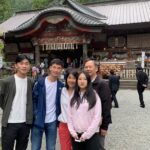
You’ll spend about 30 minutes at Sofukuji Temple, a historic Chinese temple dating back to the early 17th century. The focus here is the architecture, intricate woodwork, and a serene garden.
This stop breaks up the more “city-view” energy. After lookout points and harbor history, a temple visit gives you a different tempo, and the garden setting is built for slowing down a bit. Since admission is listed as free and your visit is guided, it tends to feel less like wandering and more like having someone point out what matters.
Dejima: the Dutch trading post story you can feel
The next stop is Dejima, around 20 minutes. It’s described as a historic island that served as a Dutch trading post during Japan’s period of isolation in the 17th to 19th centuries, when it was the only point of contact between Japan and the outside world. Today, it’s presented as a preserved historic area.
I like Dejima because it’s history with a location you can picture. Even without long explanation time, the idea is clear: this is where “outside” influence was controlled, measured, and managed. It’s also a great follow-up after Glover Garden, since both stops relate to foreign presence, just through different lenses.
Your time here is short, so if the guide suggests a specific direction for best viewing or best photo angles, follow that. In a short window, small guidance decisions save time.
A longer cultural stretch: Kofukuji Temple and Confucian Temple stops
The itinerary then includes Kofukuji Temple, about 30 minutes. It’s described as a Buddhist temple in Nara, known for its five-story pagoda and beautiful wooden architecture, and it is listed as one of the UNESCO World Heritage Sites.
After that, you visit the Confucian Temple, also noted as the Chinese Museum of Successive Generations, with about 20 minutes. It’s described as a center for studying and practicing Confucianism, with insight into Confucius’s teachings through displays.
Why include these stops on a Nagasaki shore day? Because this is the kind of excursion that aims to cover major cultural touchpoints rather than only focusing on Nagasaki proper. If you enjoy architecture and religious art, these add variety and help you leave with a fuller sense of Japan beyond the waterfront.
Consideration: these are still time-limited stops. You’ll get highlights and context, not an extended museum day. If you are the kind of person who wants to read every sign, you may need to pick your priorities quickly.
Spectacles Bridge (Meganebashi): quick, iconic, and photo-friendly
Then it’s Spectacles Bridge (Meganebashi), around 30 minutes. It’s described as a picturesque stone bridge with a unique arched design that resembles eyeglasses when reflected in the water.
This is one of those “worth it because it’s quick” stops. You’re not committing hours, but you get a recognizable landmark and a satisfying photo moment. If the light is good, the reflection effect is exactly the kind of detail that makes a short stop feel rewarding.
Shinchi Chinatown: 3 hours that make the day feel real
After the guided portion, you get about 3 hours of free time in Shinchi Chinatown. Your guide will drop you off at a convenient location so you can handle lunch and shopping on your own.
This is a big deal for value. Private tours often turn into a series of “see it, move on” stops. Here, the long free block lets you follow your own appetite and pace, and it’s also where you can find souvenirs that feel connected to what you actually ate and saw.
From the experience feedback, I’d especially pay attention to meal recommendations offered by the guide, since good suggestions can save time when a menu is new to you. Use that free time to sit down for lunch, then take a relaxed walk through the area before you regroup.
Returning to the ship with breathing room
Your day ends back at the Nagasaki Port Terminal Building, around 15 minutes, after the drive back to the port. The tour is designed to align with your ship’s schedule, so the whole plan is meant to protect your return timing.
This is the part you should care about most on cruise shore days. It’s not just where you go, it’s how you get back. The operator states they’ll make sure you return with enough time to relax and enjoy your day, and that’s exactly what I’d look for.
What the itinerary feels like as an experience
If I had to sum up the rhythm, it’s “big moments, then payoff.” Peace Park gives meaning. Inasayama gives you the city’s map in one glance. Glover Garden and Sofukuji Temple add architecture and atmosphere. Dejima adds a sharp historical thread. Then Meganebashi and Chinatown give you an easier, more personal ending.
I also like that you are not forced to choose between history and food. You get both, and the 3-hour Chinatown window makes sure the day includes real downtime instead of turning into another sightseeing sprint.
Price and value for a cruise day
At $892.41 per person, this is not a budget shore tour. It’s priced like a true private experience, with modern private transportation, a professional local guide, port pickup and drop-off, 3 hours free time, and all fees and taxes included.
For the math to feel worth it, you typically need one or more of these to be true:
- You want a private guide rather than a shared group experience
- Your ship schedule is tight and you value timing control
- You want a day plan that already does the routing for you
If you are traveling with only one other person, it can still feel pricey, but privacy and logistics protection are the main reasons people pick tours like this. If you are comfortable with public transit and you like DIY pacing, you might find cheaper options. But for a cruise day, paying for reduced stress is often a smart trade.
Who this tour suits best
This is a great fit if you:
- Want a guided highlights route with minimal planning
- Care about the major cultural and historical stops around Nagasaki
- Like the idea of a long meal and shopping block in Chinatown
- Prefer door-to-door port logistics over DIY navigation
It may be less ideal if you want a slower, unstructured day, or if you want to spend long hours inside temples or museums. This tour is built around time-boxed experiences.
Quick FAQ
FAQ
How long is the Nagasaki private shore tour?
The duration is listed as about 7 hours.
Is pickup and drop-off included?
Yes. The tour includes pick up and drop off at the Nagasaki cruise port.
Is this tour private?
Yes. It is a private tour/activity, and only your group participates.
What stops are included during the day?
The tour includes stops at Nagasaki Peace Park, Inasayama Observation Deck, Glover Garden, Sofukuji Temple, Dejima, Kofukuji Temple, the Confucian Temple, Spectacles Bridge (Meganebashi), and free time in Shinchi Chinatown.
Is there entrance or ticket cost?
Entrance fees are not included, and the stop descriptions indicate admission ticket free. The tour also states that all fees and taxes are included.
Do I get free time for lunch and shopping?
Yes. You get about 3 hours of free time after the guided tour, intended for shopping and dining in Shinchi Chinatown.
How do you handle cruise schedule problems?
The route and duration are subject to docking times, traffic, special events, and other circumstances. If your ship cannot dock, the tour states a full refund will be provided.
What kind of ticket do I receive?
A mobile ticket is offered.
When should I book?
On average, it is booked about 23 days in advance, so planning ahead is wise.
What is the cancellation policy?
It is non-refundable and cannot be changed for any reason.
Should you book this private shore tour?
I’d book it if you want a cruise-day plan that reduces stress and delivers a lot in one day: memorial context, harbor viewpoints, cultural stops, and a real dinner and shopping window. The private port logistics and the guide’s meal help are the kind of details that make a big difference when you are working on ship time.
Skip it if $892.41 per person feels too high for you, or if you want a slow, totally flexible day with lots of unscheduled wandering. For everyone else who likes guided highlights with breathing room built in, this is a strong way to use a single Nagasaki stop.
More Boat Tours & Cruises in Tokyo
More Tours in Tokyo




More Tour Reviews in Tokyo

Not for you? Here's more nearby things to do in Tokyo we have reviewed












Cruises & Boat Tours, side by side.
 ★ 4.0Mt Fuji & Hakone Cruise, Drum Show Bullet Train 1 Day from TokyoFrom $1497,413 reviews
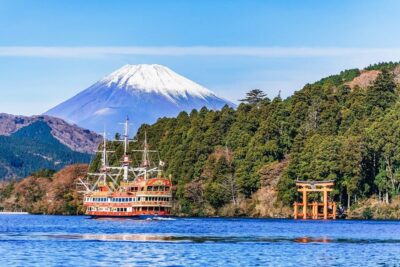 ★ 4.4Tokyo Mt Fuji 5th St & Hakone Cruise Bus Tour w/Bullet TrainFrom $1545,024 reviews
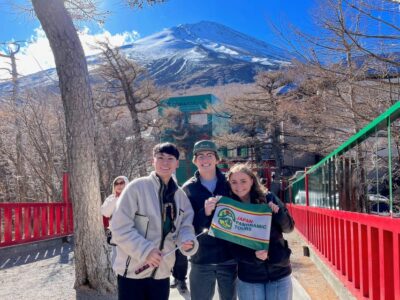 ★ 4.2Mt. Fuji 5th Station & Hakone Cruise 1-Day Bus TourFrom $1292,381 reviews
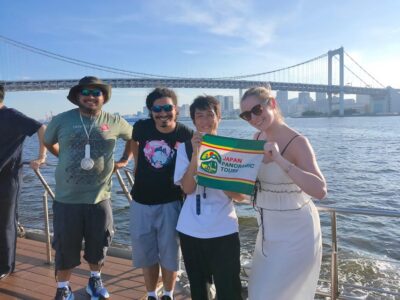 ★ 4.7Meiji Shrine, Asakusa, Skytree Bus Tour and CruiseFrom $1221,986 reviews
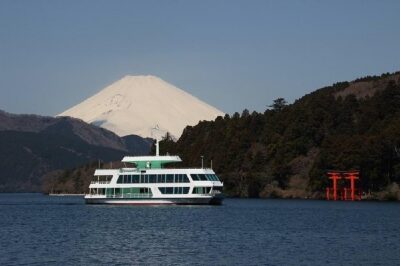 ★ 4.0Mt Fuji & Hakone Cruise, Drum Show Bus 1 Day from TokyoFrom $1221,287 reviews
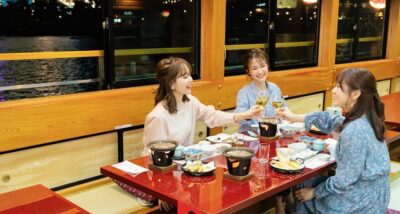 ★ 4.6Sumida River: Japanese Traditional Yakatabune Dinner CruiseFrom $103779 reviews
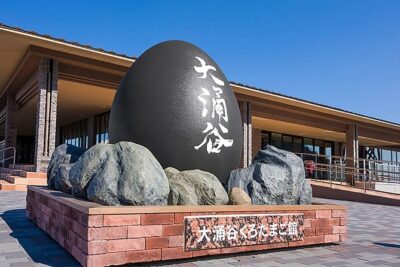 ★ 4.2Hakone Fuji Day Tour w/ Cruise, Cable Car, VolcanoFrom $98724 reviews
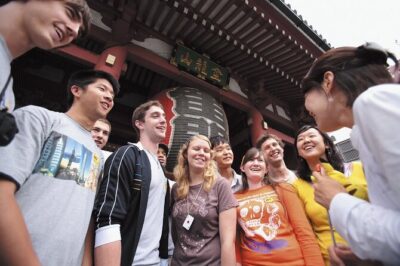 ★ 4.5Dynamic Tokyo: Tokyo Tower, Tea Experience, Bay Cruise Day TourFrom $99521 reviews
This tour also belongs to