
Review · MOUNT FUJI TOURS
Hakone and Mt Fuji Private Custom Tour with English Guide
Steam, pagodas, and Fuji in one day. This private, customizable day strings together Hakone volcanic highlights and classic Mount Fuji views, with door-to-door convenience from Tokyo. You get an English-speaking, licensed driver-guide plus a comfortable car, so you spend less time figuring out transit and more time actually looking at what you came for.
I love how custom the schedule feels, with room to slow down or switch the order based on your interests. I also love the logistics support, especially the licensed English guide who can keep the day flowing smoothly from stop to stop.
The one real consideration is weather. This experience requires good conditions, and if it gets cancelled due to poor weather, you’ll be offered a different date or a full refund.
Key highlights to know before you go
- Pickup within Tokyo’s 23 wards so you skip the morning hassle
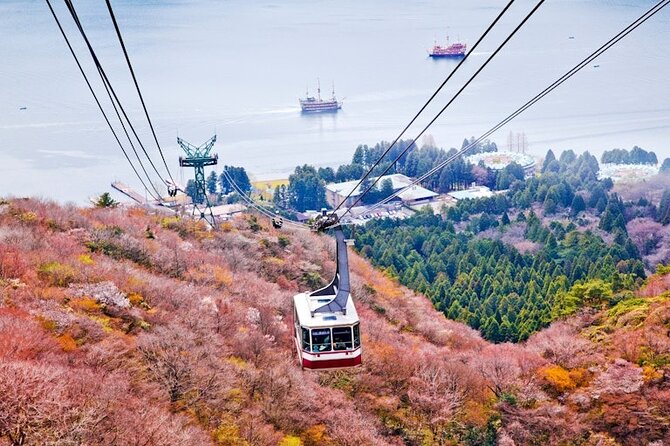
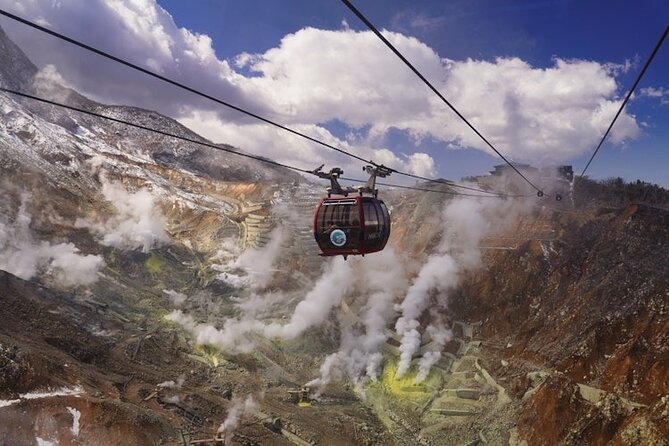
- Hakone’s volcanic core with black eggs and a ropeway view
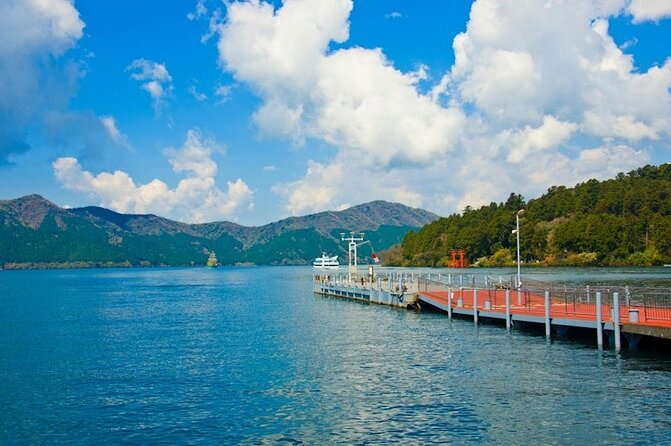
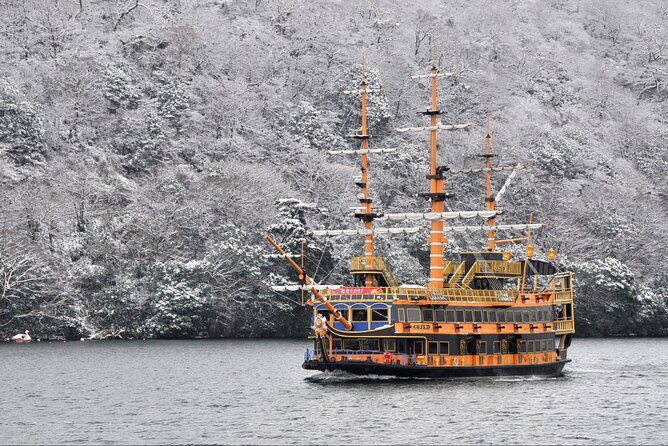
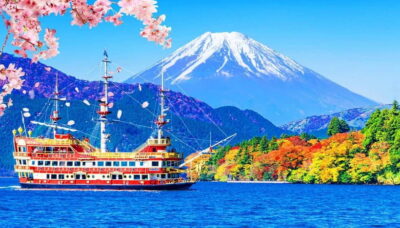
- Lake Ashi Pirate Ship cruise for relaxed lake-and-mountain panoramas
- Fuji photo circuit including Chureito Pagoda and Oshino Hakkai ponds
- Optional add-ons like ice caves, wind cave, glass museum, or Gotemba outlets
Why this private Hakone and Mt Fuji day feels easier than DIY
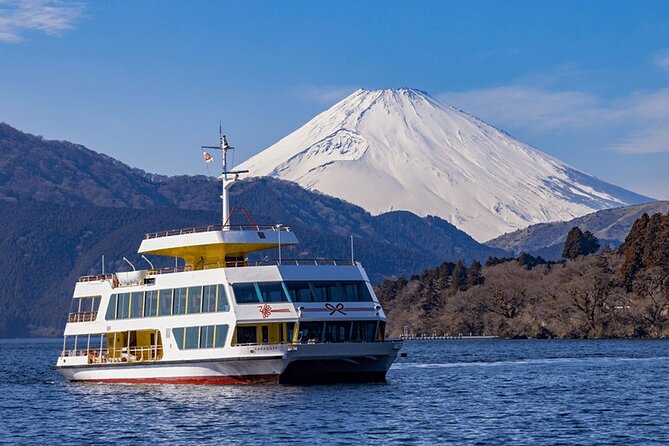
This is the kind of full-day trip that works because it removes the stress. You meet your guide, climb into an air-conditioned car with WiFi onboard, and let the route plan do the hard work.
It runs about 10 hours, which is long enough to cover both Hakone and multiple Fuji-area stops. That length also explains the vibe: you are not sprinting across Japan, but you are also moving through a lot of sights in one day.
The tour is private and flexible. That matters because this region changes hour to hour, especially around Mt Fuji visibility and crowds.
You can also read our reviews of more guided tours in Tokyo

Price and what you get for $430 per group (up to 3)
At $430 per group (up to 3), this isn’t a budget tour. But you are also not paying for a seat on a crowded bus, or piecing together multiple transfers across Hakone and the Fuji Five Lakes area.
Where the money usually makes sense is when you count:
- door-to-door pickup and drop-off within Tokyo’s 23 wards
- a private vehicle with highway, fuel, and parking fees covered
- bottled water and maps with explanations
- an English-speaking, licensed driver-guide to handle routing and timing
If you have a family, a couple, or two friends, the per-person cost drops fast. You also gain time: you do not lose half your day to transit lines, station changes, and waiting.
What is not included is also clear. Food is not included, and any entrance fees for optional options are on you.
Pickup, WiFi, and a licensed English driver-guide: the real value
This tour’s biggest practical win is the human part. Your guide can shape the day, manage the driving, and keep your stops coordinated.
A calm, attentive guide makes a difference at places like ropeways, lake ports, and shrines. They help you avoid wasting time, and they also keep things realistic when lines form or traffic shifts.
The vehicle setup is designed for long hours: air-conditioned comfort, onboard WiFi, and enough structure that you are not constantly checking your phone for directions. You also get maps with explanations, which helps you understand what you are seeing instead of just snapping photos.
Hakone Black Eggs and Owakudani: volcanic fun without the hard work
Hakone starts at Owakudani Valley with the famous Hakone Black Egg. These are hard-boiled eggs cooked in the natural hot springs, with the shell turning black from volcanic sulfur.
Local legend says eating one brings good luck, and even if you take myths with a grain of salt, it is still a fun way to experience the area’s geothermal energy. Expect a quick stop, about 30 minutes, so you will not feel stuck waiting.
What I like about this opening is that it sets the tone. You get a strong, memorable Hakone moment early, before the day expands into ropes, lakes, and Fuji views.
Hakone Ropeway: the panoramic view window
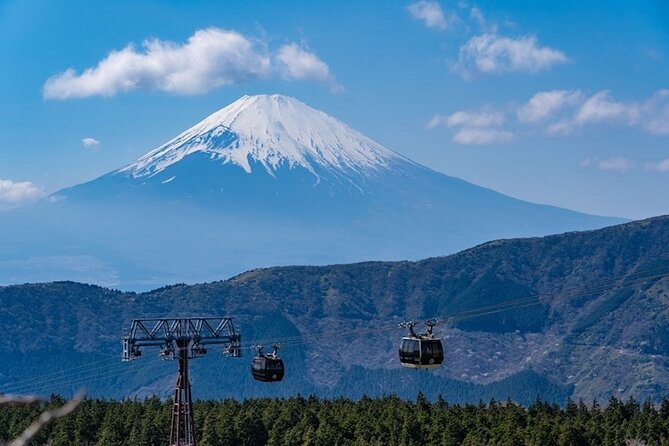
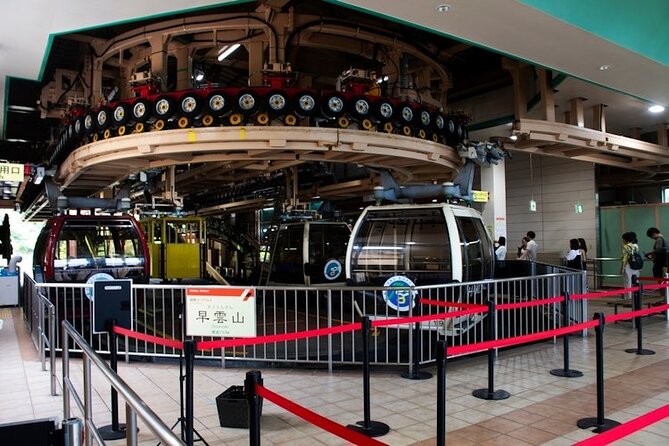
Next comes the Hakone Ropeway, with about another 30 minutes. From the cable car, you look out over the volcanic landscape of Owakudani, including steaming sulfur vents and Lake Ashi below.
This stop is less about museum time and more about taking in the region. If the weather is good, you get wide views that are hard to recreate anywhere else without effort.
A small reality check: ropeway conditions depend on the day. If visibility is poor, you may not get the crispest panoramas. Still, the volcanic setting and the ride itself are worth it.
You can also read our reviews of more private tours in Tokyo
Lake Ashinoko and the Pirate Ship cruise: where the pace relaxes
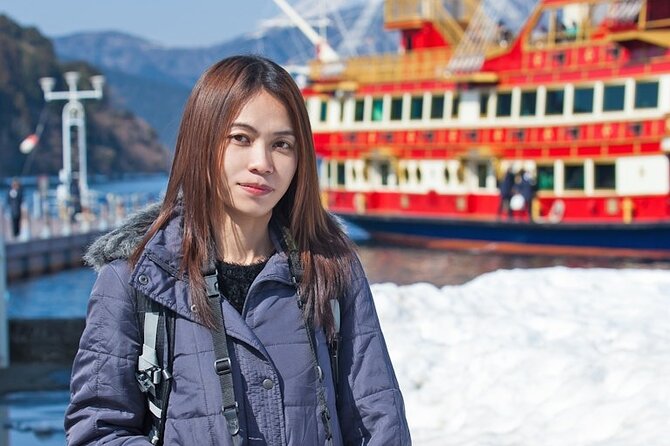
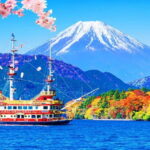
Then it is time to breathe at Lake Ashinoko. You ride the Hakone Pirate Ship (about 30 minutes) departing from Motohakone Port.
This cruise is a smart middle move between volcanic activity and Fuji-focused sightseeing. It gives you a slower rhythm, plus a different angle on the same mountain-and-lake region.
You get classic lake scenery with the surrounding mountains and active weather patterns you can watch from the water. It is also a nice break for anyone who finds constant walking tiring.
Gotemba Premium Outlets as an optional reset
Later, you may have the option to head to Gotemba Premium Outlets for around 1 hour. It is a foothill city stop, mainly for shopping and a less intense schedule.
This is not automatically the best choice for everyone. If you are focused on views and temples, you might swap shopping for another nature or photo stop. If your group loves practical retail, this is an easy way to use time efficiently without adding complicated logistics.
Saiko Iyashi no Sato Nemba and Lake Saiko: calmer culture near Fuji
One of the more atmospheric changes happens at Saiko Iyashi no Sato Nemba. This traditional village is a reconstructed open-air setting on the shores of Lake Saiko, rebuilt after a landslide in the past.
It is a quick stop at about 30 minutes, but it gives you a break from purely scenic viewpoints. You get to see how rural architecture and the lake setting connect.
After that, you head to Saiko Lake, known as a “Lake of Reflections” style scene, with peaceful forests and mountain views. This stop is also around 30 minutes.
If you like soft, quiet scenery and you want a contrast to busier photo icons, this part of the day often feels like a win.
Shiraito Falls: the waterfall moment near Mount Fuji
Then there is Shiraito Falls, one of the region’s most striking waterfalls. The plan notes it as about 20 meters high and roughly 150 meters wide.
This is a good stop when you want something natural and dramatic, but not something that eats your entire afternoon. You get about 30 minutes, so you can enjoy the water and photos without feeling rushed off to the next thing.
Waterfalls also tend to look different depending on the day. If it has rained recently, you might find the flow stronger.
Kawaguchi Lake views and the Fuji reflection idea
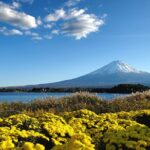
Next, you move into the Fuji Five Lakes area with Kawaguchi Lake and the Ishikoro kan viewpoint area. The highlight here is the chance for Mount Fuji reflected on calm lake water, one of the signature experiences in this part of Japan.
This stop is about 30 minutes. It is short on purpose. If you extend too long at any single lake, the day can lose balance, and you risk missing other big photo moments.
Also, reflection scenes depend on conditions, including cloud cover. If you get a less reflective day, you still have the basic value: Fuji-area lake scenery and the chance at a classic view.
Arakura Fuji Sengen Shrine (Chureito Pagoda) and the shrine circuit
One of the iconic photo stops is Arakura Fuji Sengen Shrine, home to the famous Chureito Pagoda. This is the kind of place where the view and composition do most of the work for you.
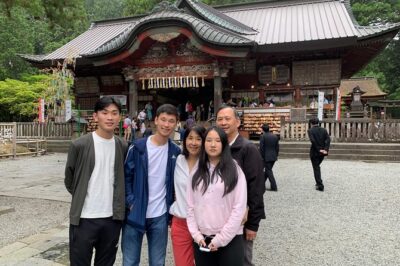
You also visit Kitaguchi Hongu Fuji Sengen Jinja Shrine near Fujiyoshida. This is one of the important, historic shrines dedicated to the sacred mountain, surrounded by old cedar trees.
These two shrine stops feel different on purpose. Arakura is about the postcard pagoda scene. Kitaguchi Hongu gives you a more grounded look at how Mt Fuji is tied into worship.
Both are about 30 minutes, which means you get enough time to look around and take photos without turning the day into a shrine marathon.
Oshino Hakkai: eight ponds fed by Fuji snowmelt
Then you get Oshino Hakkai, a traditional village centered on eight crystal-clear ponds fed by pure snowmelt from Mt Fuji.
The ponds reflect the scenery and sit among thatched-roof houses, which makes this stop feel like a step into a quieter, older Japan. It is about 30 minutes, but it is long enough to walk the pond area and take in the atmosphere.
This is also a smart stop for groups with mixed interests. If one person wants photos, there’s plenty to see. If another person wants culture and calm, the village works for that too.
Optional caves and experiences when you want a little adventure
Not every add-on will fit every group. The plan includes several optional, more “experience-based” stops, each with a different feel.
Narusawa Ice Cave
This is an underground lava-formed area with naturally cold temperatures. The plan describes ice pillars and frozen walls. It is optional and listed as about 30 minutes.
Fugaku Wind Cave
Also lava-related, near Aokigahara Forest. The plan notes a steady cool temperature around 3°C. It is optional and about 30 minutes.
Hakone Venetian Glass Museum
This optional museum focuses on Venetian glass, described as Japan’s first art museum dedicated to it. Expect around 30 minutes.
Mishima Skywalk
An optional suspension bridge. The plan calls it Japan’s longest pedestrian suspension bridge at about 400 meters, with views over a deep valley and the region including Suruga Bay. Also about 30 minutes.
These optional stops are where you can truly customize the day. If your group likes hands-on adventure or unusual natural features, caves and skywalk add memorable variety. If you prefer gentle sightseeing, you can skip them and keep more time for lakes and shrines.
One practical note: entrance fees for optional options are not included, so budget for those if you choose them.
How to customize the day without losing the big Fuji moments
The tour is built to be flexible, but you still need a strategy. Here is how I would choose based on your group.
If you care most about views and photos, prioritize Hakone’s ropeway and Lake Ashi cruise, then make sure you keep time for Chureito Pagoda and Oshino Hakkai. Add the lakes for reflection moments if weather is friendly.
If your group likes culture and nature, lean into Saiko Iyashi no Sato Nemba and the shrine circuit, then treat Shiraito Falls as your daily nature highlight.
If your group wants action, the optional caves and Mishima Skywalk make sense. Just remember these add-ons can change your pace because they require getting to specific sites and sticking around a little longer than viewpoint-only stops.
If you have mixed preferences, Gotemba Premium Outlets can act as a reset, especially if some people want shopping time while others enjoy the Fuji-area scenery.
Weather, Fuji visibility, and what to do when the day turns gray
This tour is described as requiring good weather. That is not just paperwork. Mt Fuji views can be limited when clouds and fog roll in, and the experience may feel different than expected.
The good news is that the day includes multiple types of stops. Even on a less Fuji-visible day, you still have the Hakone volcanic area, the lake cruise, waterfalls, shrines, and pond scenery.
If the whole experience is cancelled due to poor weather, you will be offered a different date or a full refund. That flexibility matters in a region where conditions can change quickly.
Practical tips that help this day run smoothly
A few small things make a big difference on a full 10-hour route.
Bring layers. Even in one region, temperatures can shift as you move between valley, lake, and hillside viewpoints. If you plan any optional cave stops, you might want warmer clothing since the plan notes very cool temperatures for Fugaku Wind Cave.
Wear comfortable shoes. You will be standing for photos and walking short stretches around shrines, ponds, and viewpoints.
Plan for a food gap. Food is not included, so bring snacks or budget for meals on your own.
Use the mobile ticket on your phone. It makes check-in simpler, especially when you are moving from stop to stop.
Should you book this private custom Hakone and Mt Fuji tour?
Book it if you want a private, English-guided day that covers both Hakone and Mt Fuji-area icons without the transit headache. It is especially worth it if you are traveling with up to 3 people and you value pace control and a guide who can adjust the order.
Skip it if you are traveling solo on a tight budget, or if you hate long days in one go. The itinerary is packed by design, and a full day of driving plus multiple stops may not feel relaxing to everyone.
If you want one trip that feels like a thoughtful plan rather than a rigid checklist, this is a strong match.
FAQ
Is this a private tour?
Yes. It is a private experience for only your group.
How long is the tour?
The duration is about 10 hours.
Where does pickup and drop-off happen?
Pickup and drop-off are offered within Tokyo’s 23 wards.
How much is the tour?
The price is $430.00 per group, up to 3 people.
What is included?
Included items are bottled water, highway, fuel, and parking fees, WiFi on board, private transportation, an air-conditioned vehicle, and maps with explanations.
What is not included?
Food is not included. Also, any entrance fees from optional options are not included.
Is the tour customizable?
Yes. The itinerary is customizable with a flexible schedule.
Do I need good weather?
Yes. The experience requires good weather. If it is cancelled due to poor weather, you will be offered a different date or a full refund.
Are there options with extra entrance fees?
Yes. Optional stops listed in the plan may have entrance fees, and those are not included in the base price.
What about cancellation?
Free cancellation is available up to 24 hours in advance for a full refund. If you cancel less than 24 hours before, the amount is not refunded.
More Guided Tours in Tokyo
More Tours in Tokyo





More Tour Reviews in Tokyo


Not for you? Here's more nearby things to do in Tokyo we have reviewed


Mount Fuji Tours, side by side.
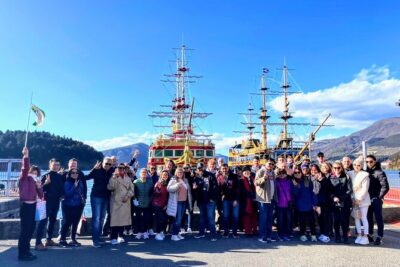 ★ 5.0Mt Fuji and Hakone 1-Day Bus Tour Return by Bullet TrainFrom $16326,383 reviews
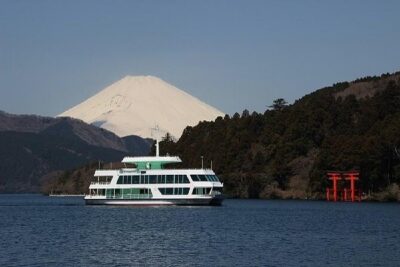 ★ 4.0Mt Fuji & Hakone Cruise, Drum Show Bullet Train 1 Day from TokyoFrom $1497,413 reviews
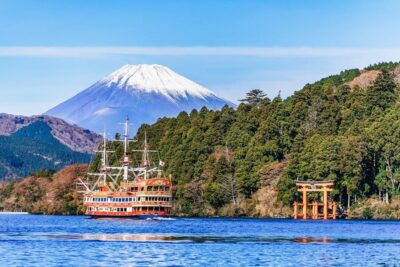 ★ 4.4Tokyo Mt Fuji 5th St & Hakone Cruise Bus Tour w/Bullet TrainFrom $1545,024 reviews
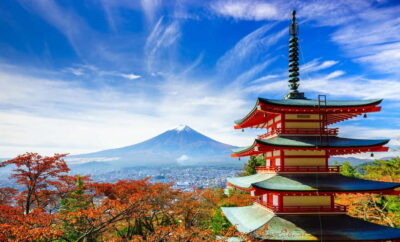 ★ 4.5From Tokyo: Mount Fuji Full-Day Sightseeing TripFrom $684,970 reviews
 ★ 4.7Mt. Fuji Tour, Hakone Ropeway, Owakudani, Lake AshiFrom $544,002 reviews
 ★ 4.2Mt. Fuji 5th Station & Hakone Cruise 1-Day Bus TourFrom $1292,381 reviews
 ★ 4.7Mt Fuji Top 5 Spots Day Tour: Arakurayama Park,Oshino HakkaiFrom $532,066 reviews
 ★ 5.0Private Tour to Mt. Fuji and Hakone (Fully Licenced Operator)From $4971,910 reviews
This tour also belongs to