
Review · COOKING CLASSES
Home Cooking with a Local Host (Optional Shiba Inu Picnic)
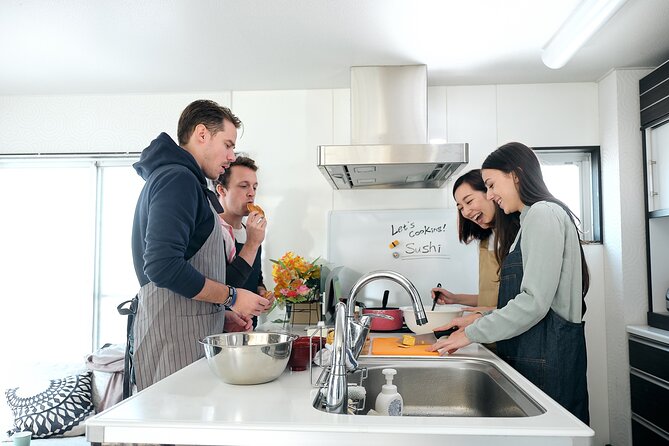
Cooking bentos in a real home beats any class. You’ll learn the steps with a local mom, then eat your handmade box on a shrine picnic with Ginta the Shiba Inu. I especially love the hands-on bento-making coaching in a Japanese home kitchen, and the fact you get to take part in a calm, respectful picnic setting rather than just a quick photo stop. One thing to consider is that this is not a drop-off and forget plan, so you’ll need to handle getting yourself to the meeting point around Iidabashi Station.
The tour is built for small groups, and that matters. You get English interpreter support, cultural notes, and guidance while you cook, then the guide takes photos for you after the experience. You also get a bento box souvenir, which turns the food lesson into something you can actually use later at home.
The main drawback is practical: private transportation is not included, and the schedule is tight (about 3 hours total), so plan to arrive early and stay flexible.
Key highlights you should know before you go
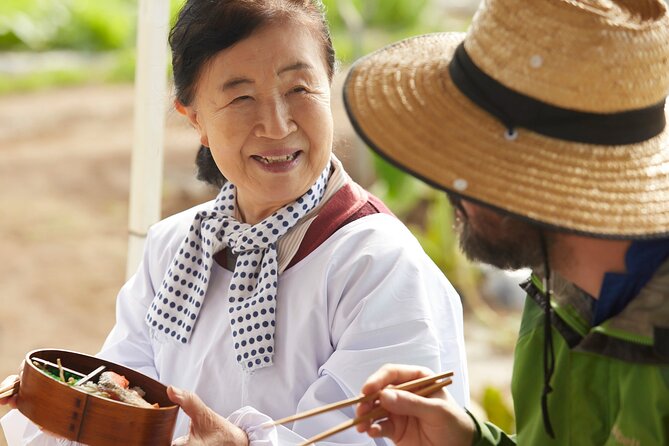
- Hands-on home kitchen time with a Japanese mom, where you’re guided step by step
- Small-group private format limited to 2-6 participants for a safer, more personal experience
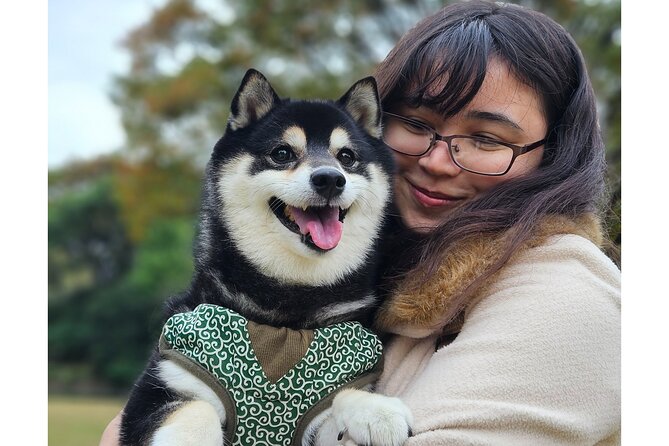
- Shiba Inu picnic at a nearby park and shrine with Ginta, plus photo time
- Everything covered for cooking including apron, cooking cap, hand sanitizer, vinyl gloves, and ingredients
- Take-home souvenir: your authentic bento box plus a recipe
- Photo service after the tour, plus optional website photo discount if you participate
Why this Tokyo bento experience feels real
If you want Japan that goes beyond train stations and vending machines, this kind of tour is a smart move. You step into a real kitchen, not a show kitchen, and you learn how people actually put lunch together for daily life.
I like how it stays practical. You’re not only watching, you’re doing, with English support so you can understand what matters and why. And then you get to eat what you made at a shrine picnic, which turns cooking into a full little slice of Japanese routine.
One more reason it works: the experience ends with a keepsake. Your bento box is yours to bring home, so the tour keeps paying off after you leave Tokyo.
You can also read our reviews of more cooking classes in Tokyo


Meeting at Iidabashi Station and getting ready to cook
You meet at 10:00 am at Iidabashi Station West Exit. The exact address listed for the start point is 4-chōme-9-5 Iidabashi, Chiyoda City, Tokyo 102-0072. It’s near public transportation, so you should be able to reach it without a taxi, but still, I suggest arriving a few minutes early.
Once you’re with your guide, you’ll shift into cook mode fast. The experience provides aprons, a cooking cap, hand sanitizer, and vinyl gloves, so you can focus on learning instead of scrambling for supplies.
This is also where you’ll feel the value of small-group touring. In a class with strangers, it’s easy to lose track of what’s happening. Here, with only your group, the guide can keep things moving and help you as you go.
Inside the home kitchen: making traditional handmade bentos
The core of the tour happens from 10:00 to 11:30, when you make your bento in a Japanese mom’s kitchen. Expect translation, cultural commentary, and real guidance through the process, not just general tips.
What I find especially valuable is that you’re learning how to build a bento as a system. Bento isn’t only about taste, it’s about portioning, arranging, and thinking ahead so the lunch looks good and eats well. Your guide helps you understand the steps and the reasoning behind them, which is what makes this more than just cooking one meal.
Also, the tour includes the basics that make it smoother for non-Japanese speakers. You get a bilingual guide (English and Japanese), plus interpreter support so you can follow instructions confidently. That reduces the awkward moment where you’re smiling but not sure what you’re supposed to do next.
Another detail that can matter more than you think: the ingredients are provided. That means you can walk in with travel brain on and still walk out with a finished bento experience. You’re paying for access, instruction, and everything needed to do it properly.
The walk to the shrine picnic, plus meeting Ginta
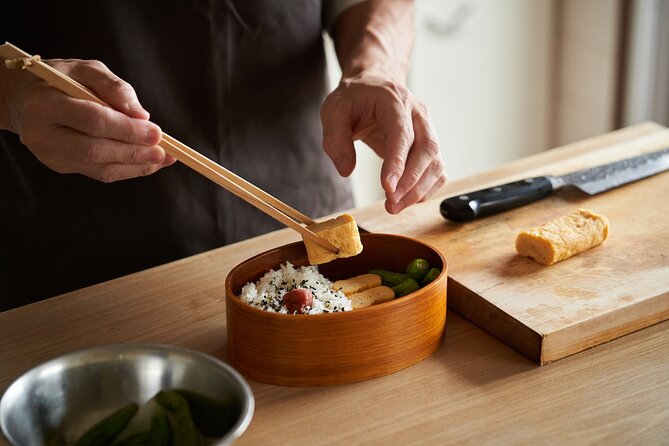
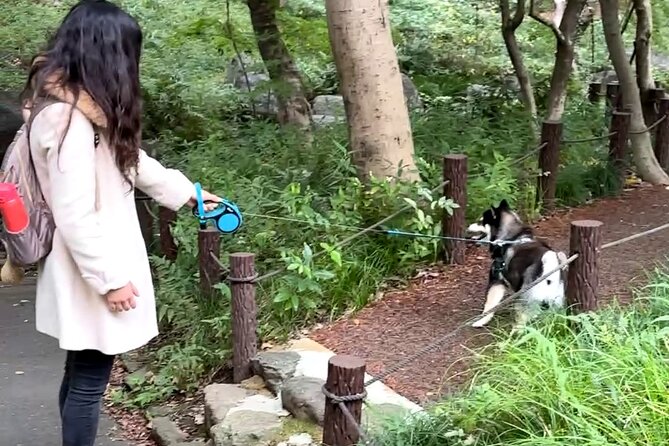
After cooking, you’ll head out for the next phase. The schedule includes a short walk from about 11:30 to 11:45, moving from the kitchen area toward a nearby park and shrine.
Then comes the fun part: you’ll meet Ginta the Shiba Inu. This is where the tour shifts from hands-on cooking to a relaxed outdoor moment, with time for photos and calm eating.
I like that this isn’t a chaotic chase for Instagram angles. There’s an actual transition, you get situated, and the timing gives you breathing room before lunch.
Picnic time with your bento at a park and shrine
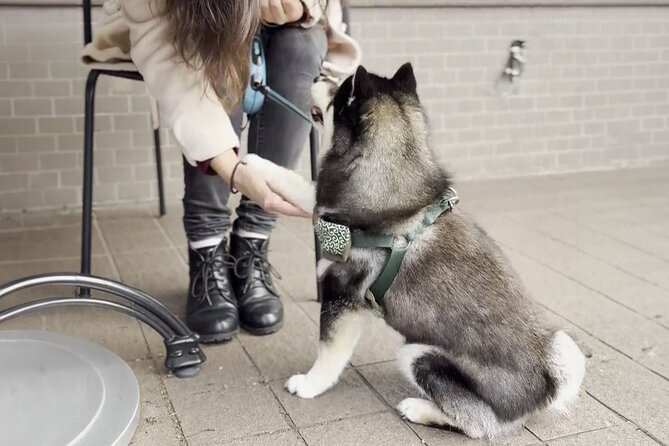
From 11:45 to 12:45, you’ll enjoy a picnic with your homemade bento. You eat what you made, and the setting is part of the point: a nearby park and shrine area gives a sense of Japanese everyday life, not just a staged culinary stop.
You’ll likely take photos with Ginta, and you’ll have time to settle in rather than rushing through your meal. The guide is also there to help with translation and any cultural context, which can deepen the experience beyond the food.
Here’s the practical advice I’d give you for making the most of this hour: eat slowly and pay attention to how the bento is structured. Bento is often designed so every bite feels intentional. If you treat it like a normal lunch, you’ll miss what you came for, which is the “how Japan does lunch” mindset.
Also, keep your bento box handy. You’ll want to take a quick moment to look at it once you start eating, since the tour emphasizes that you’re building something you can bring home afterward.






What you take home: bento box souvenir, recipe, and photos
One of the best value signals here is that the tour is designed to leave you with something usable. You keep your authentic bento box as a souvenir, which is not just a token. It’s the kind of thing you might actually use for school lunches, work lunches, or weekend outings.
You’ll also get recipe guidance as part of the bento-making experience. Even without a full written cookbook provided in the details, the tour clearly includes recipe and ingredient teaching during cooking.
And you’re not left scrambling for photos. The guide takes photos during the experience and distributes them after the tour at no extra cost. If you hate the stress of trying to film while cooking, this is a big win.
There’s also a limited-time price angle worth noting. The experience offers 20% off for people willing to be photographed for the website, complete a survey, and write a review. That can bring your cost down meaningfully, as long as you’re comfortable with the photo request.
Price and value: is $150 per person worth it?

At $150 per person for about 3 hours, this is not a budget cooking class. But it is priced for access and time: you’re paying for entry into a real home kitchen, a local instructor, English support, provided ingredients, and the picnic setting.
Here’s how I’d judge the value for you:
- If you want a simple demo where you watch and leave, you’ll likely feel the cost is high.
- If you want step-by-step instruction plus a cultural meal experience, the price starts to make more sense.
- If you also care about having a bento box souvenir and guided photos afterward, the tour becomes more than just cooking.
Another value factor is the group size. Limited small groups (2-6 participants) usually mean more personalized help and less waiting around. In a hands-on food class, that can be the difference between leaving confident and leaving confused.
And because private transportation is not included, you should be ready to use public transit to reach the meeting point. That keeps the tour from being all-inclusive in the way some tourists expect, but it also helps explain why the experience can focus money on the cooking and guiding rather than cars.
Who this tour is best for (and who should skip it)
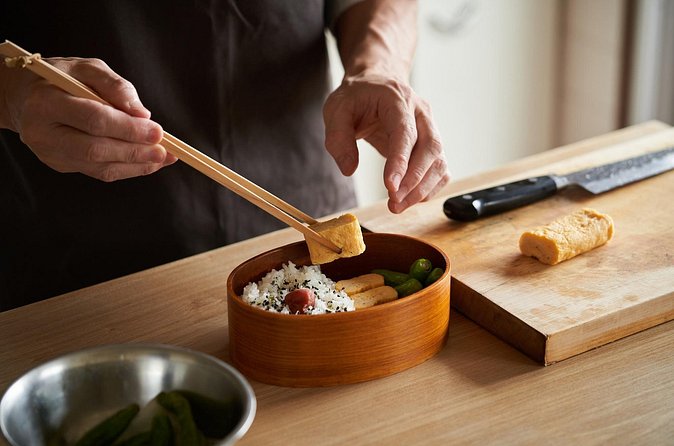
This experience is a strong fit if you want three things at once: real home cooking, cultural context, and a sit-down eating moment in a Japanese setting.
It’s also a good choice if you travel with a small group. The tour is private, and it’s limited to small numbers so the experience feels personal. If you’re someone who likes to learn by doing, you’ll probably enjoy the bento process a lot more than you’d enjoy a purely observation-based activity.
I’d be a bit cautious if you’re short on time and hate schedules. The tour is about 3 hours, with a set start time at 10:00 am. You’ll also want to be comfortable with the fact that you’re responsible for your own way to and from the station area, since private transportation is not included.
The practical details that can save you stress
A few things to plan around:
- Timing: Start is 10:00 am. The flow is cooking first, then a short walk, then picnic time, then back to the station.
- No transportation included: The guide escorts you back to the station, but you handle getting to the meeting point.
- What’s provided for cooking: Apron, cooking cap, hand sanitizer, vinyl gloves, ingredients, and the bento box are included.
- Photos: Digital photos are provided after the tour.
- Insurance: Liability insurance is included for injury and damage at visited sites, excluding intentional acts.
If you’re the type who prefers to arrive calm and ready, I suggest giving yourself a little buffer before the meeting time. Iidabashi can be busy, and you’ll want to start the class on time, with all your energy available for cooking.
Should you book this home cooking and Shiba Inu picnic?
Book it if you want a Tokyo experience that’s hands-on and culturally grounded, not just sightseeing. The combination of a home kitchen bento lesson plus a relaxed picnic with Ginta the Shiba Inu is a rare mix, and the take-home bento box and photo service make it feel complete.
I’d skip it if you’re looking for the cheapest cooking option or if you don’t want to coordinate your own transit to the meeting point. Also, if you’re very sensitive to being in a small guided group, remember this is a private setup but still a structured activity.
If you like learning practical food skills you can repeat later, and you enjoy Japanese dining in a natural setting, this is the kind of tour that leaves you with both a story and something you can use at home.
FAQ
Where is the meeting point and what time does the tour start?
You meet at Iidabashi Station West Exit at 10:00 am. The start address listed is 4-chōme-9-5 Iidabashi, Chiyoda City, Tokyo 102-0072, Japan.
How long is the experience?
The tour lasts about 3 hours.
Is this a private tour?
Yes. This is a private tour for your group only, limited to small groups, typically 2 to 6 participants.
What happens during the bento-making portion?
You cook with a Japanese mom’s guidance in her kitchen for about 1.5 hours, with aprons provided and translation plus cultural commentary from your English guide. Ingredients are included, and you also receive recipe and guidance.
Is the Shiba Inu picnic included, and who is Ginta?
The experience includes a picnic time with a Shiba Inu named Ginta after you finish cooking. The overall experience is described as having an optional Shiba Inu picnic component.
Will I get photos and can I take the bento box home?
Yes. The guide takes photos and distributes them after the tour at no extra cost. You also keep your bento box as a souvenir.
Do I need private transportation to get to the tour?
No private transportation is included. The guide does not provide transport to and from the tour location to the station, though the tour escort brings you back to the station at the end.
What is the cancellation policy?
The experience is non-refundable and cannot be changed for any reason. If you cancel, the amount you paid will not be refunded.
More Cooking Classes in Tokyo
More Tour Reviews in Tokyo
Not for you? Here's more nearby things to do in Tokyo we have reviewed












Cooking Classes, side by side.
 ★ 5.0Ramen & Gyoza Cooking Class in Tokyo with Local Supermarket VisitFrom $122823 reviews
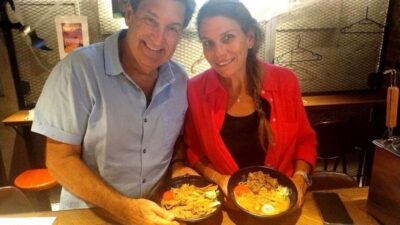 ★ 4.6Easy Ramen Cooking Experience in Kabukicho, ShinjukuFrom $29321 reviews
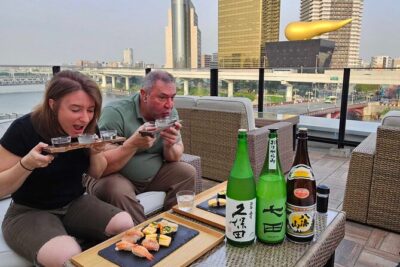 ★ 5.0Ramen and Sushi Cooking Class with Sake Pairing Set in TokyoFrom $79291 reviews
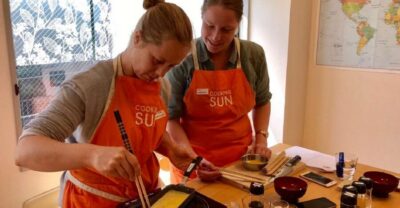 ★ 4.9Wagyu and 7 Japanese Dishes Cooking ClassFrom $67273 reviews
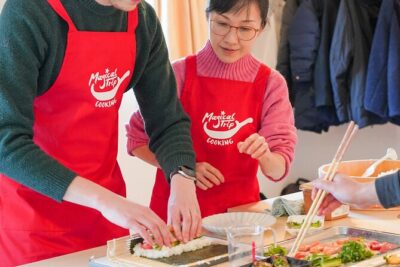 ★ 5.0Tokyo Washoku 4-hour Cooking Class: From Market to TableFrom $79253 reviews
 ★ 5.0Small-Group Wagyu Beef and 7 Japanese Dishes Tokyo Cooking ClassFrom $72190 reviews
 ★ 5.0Private Home Cooking in Yanaka – Local Flavors in a Warm SettingFrom $122173 reviews
 ★ 5.0Tokyo Sushi Making Experience & Japanese Cooking ClassFrom $59150 reviews
This tour also belongs to