
Review · ASAKUSA TOURS
Japanese Food Cooking Class in Asakusa, Tokyo
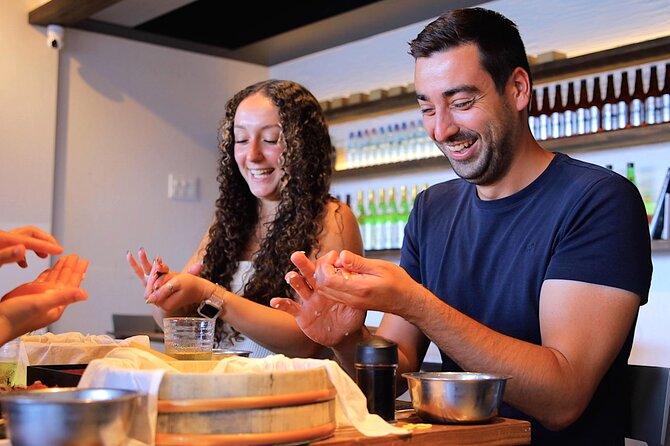
Sushi and matcha, in the same class. That’s the fun twist here, set in Asakusa near Sensoji, where you go from whisking matcha to rolling sushi with real instructions. You’ll spend about 3 hours making two classic Japanese treats, no experience needed.
I especially like the step-by-step teaching from the instructors, and you can feel the pace is set for people who have never held a bamboo mat or whisked matcha before. In the past classes, I’ve seen names like Jun and Kazu credited for being patient, funny, and very hands-on as you build your sushi (not just watch it happen).
One consideration: you’re in a small group format, and since there’s no hotel pickup, you’ll need to get to the meeting point around Kaminarimon on your own, using public transit. If you’re tight on timing that day, plan a little buffer so you can arrive relaxed.
Key things to know before you go
- Two skills in one session: traditional matcha whisking plus sushi making.
- Near Sensoji Temple: the meeting point is at Kaminarimon, so you can plan this between sightseeing blocks.
- English instruction included: you’ll cook with an English-speaking instructor, step by step.
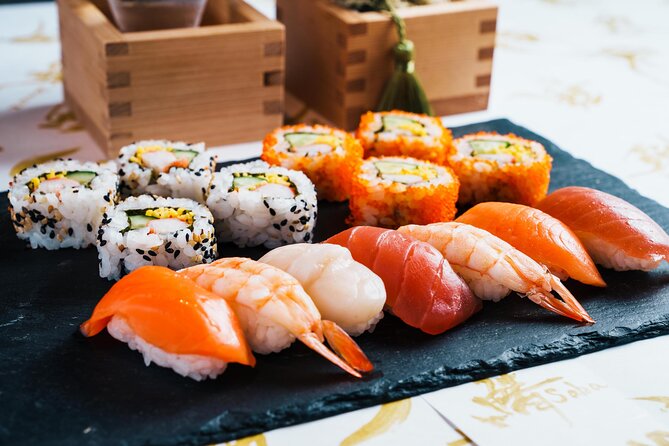
- You make both maki and nigiri: you’re not limited to one style of sushi.
- Small group size: up to 15 travelers, so questions are easy to ask.
- You leave with something tangible: you eat what you make, and you also walk away with a practical skill.
Asakusa, Sushi, and Matcha: the real appeal of this 3-hour combo
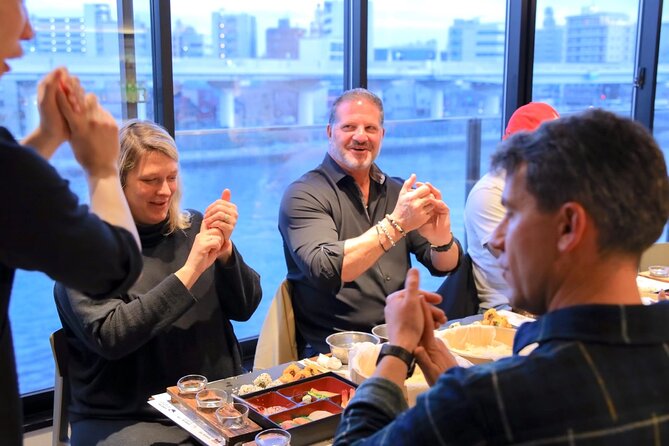
This class is built for people who want a memorable Tokyo food moment without turning it into a whole day project. In a single sitting you learn matcha whisking, then switch gears to sushi, which keeps the energy up and makes it feel like two mini experiences in one.
I like that it’s placed in traditional Asakusa, not far from the famous Sensoji Temple area. If you’re already walking those streets, this becomes a natural stop, not an added logistics headache.
The other big win is that this is hands-on, not a demonstration. You’ll actually roll sushi and make pieces of sushi to eat. That is how cooking classes earn their keep.
You can also read our reviews of more food & drink experiences in Tokyo

Meeting at Kaminarimon: where to find the class and how to time it
You’ll meet at 2-chōme-17-9 Kaminarimon, Taito City, Tokyo 111-0034, Japan. The activity ends back at the same meeting point, so you can plan to return to the neighborhood after class and keep sightseeing nearby.
There’s no hotel pickup, so you’ll want to rely on public transportation. The good news is the location is described as near public transportation, and the whole setup is designed for regular travelers, not people with a car and a driver.
Practical move: schedule this when you’re not rushing. Even if the class itself is about 3 hours, you’ll want time to find the address and get settled before the first instruction begins. If you’re coming straight from Sensoji, give yourself a cushion so you’re not sprinting while trying to keep your hands clean.
Stop 1 at a glance: matcha whisking and how the basics show up in flavor
The first part is a matcha making class that runs about 1 hour, and admission includes your participation. The focus is on the traditional way to whisk matcha, which matters because technique affects foam, texture, and how the tea tastes in the cup.
Here’s why this is a smart start: matcha isn’t just flavor, it’s texture. If you rush whisking or use the wrong method, you tend to get a flatter surface and an uneven feel. Learning early also helps you get comfortable with the tools before you jump into the rice and seafood side of sushi making.
Expect your instructor to guide you step by step, and if you’re new to Japanese tea, that’s exactly the right moment to ask questions. I like classes that treat beginners like the default, because you’ll spend less time guessing and more time practicing.
Stop 2: sushi making, from rice handling to rolling and nigiri
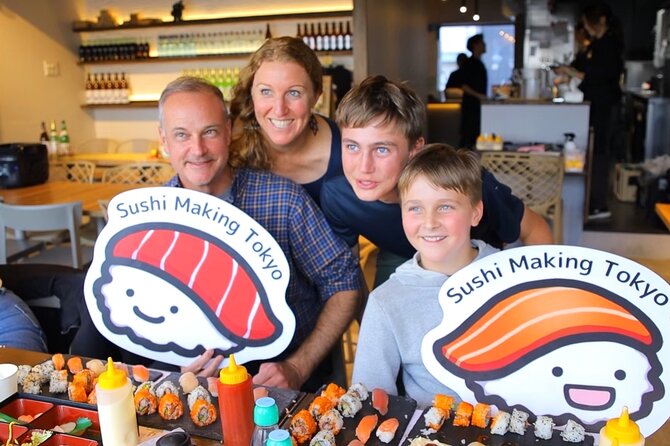
The second stop runs about 1 hour 40 minutes, and it’s where you make sushi. The format is hands-on: you’ll learn how to prepare sushi using fresh ingredients, then assemble what you make.
From the experience style and what people describe afterward, you’ll practice more than one type. You’re set up for both rolled sushi (maki) and pieces like nigiri, which is a big deal if you’re trying to leave with real confidence rather than just knowing one trick.
In class, the instruction tends to cover:
- how the sushi rice should feel and be handled
- how to roll sushi so it holds together
- how to form nigiri neatly
In plain terms: you learn the little steps that keep sushi from falling apart. It’s the difference between a sushi roll that looks okay and one that stays tight when you lift it.
I also like that the class includes ingredients and the meal tied to what you make. That means you can taste your results immediately, rather than waiting until later to realize you missed the best part.
The instructors: English-friendly, patient coaching, and real humor
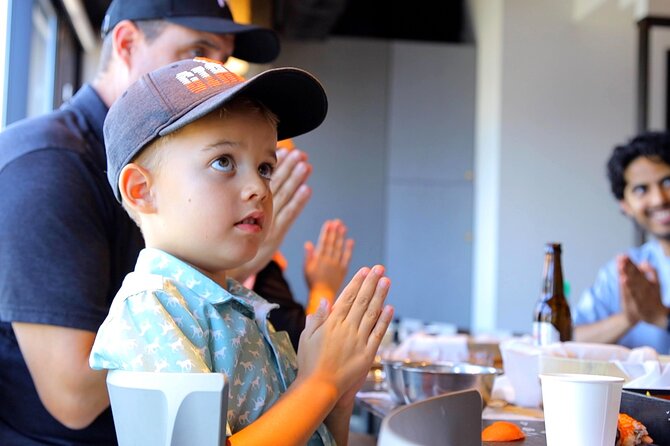
This is one of those experiences where the instructor matters a lot, because sushi and matcha both have physical techniques. The class includes an English speaking instructor, and the teaching style is aimed at people without prior practice.
In past sessions, names like Jun and Kazu come up, and the pattern is consistent: patient guidance, step-by-step coaching, and an upbeat vibe. That matters more than you might think. When your hands are doing something new, a calm, clear pace makes everything click.
Group size is capped at 15 travelers, which helps a lot. In a room that size, you can ask a question and still keep moving through the process. It avoids the common cooking class problem where you’re stuck watching everyone else for long stretches.
More Tokyo tours and experiences for the shortlist

What you get to eat, and why that’s part of the value
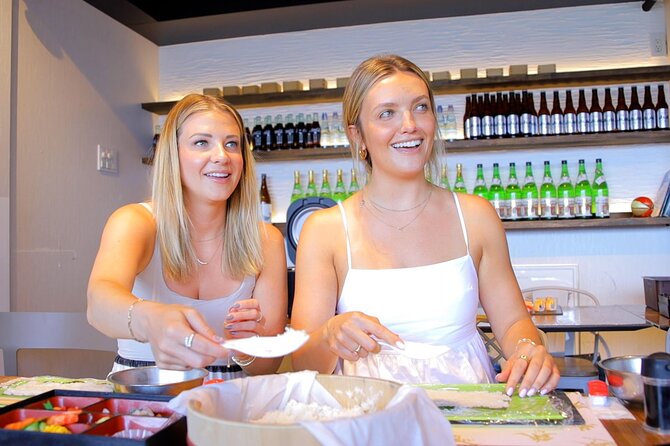
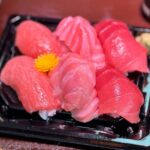
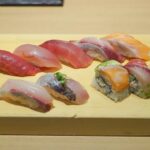
This class isn’t only about learning. You also eat the sushi you make, and the class includes the ingredients of the cooking class and meal. So the value isn’t just educational. It’s also food you actually enjoy.
I recommend going with an appetite. Even though it’s only about 3 hours total, you’re building sushi through multiple steps, and you end up making plenty to share with your group.
If you’re the kind of traveler who likes to understand what you’re eating, this setup is ideal. You’ll see the ingredients and technique up close, then you’ll taste the result right away. That feedback loop turns the class into a real skill, not a souvenir photo moment.
Price and value: what $85.87 buys you in Tokyo
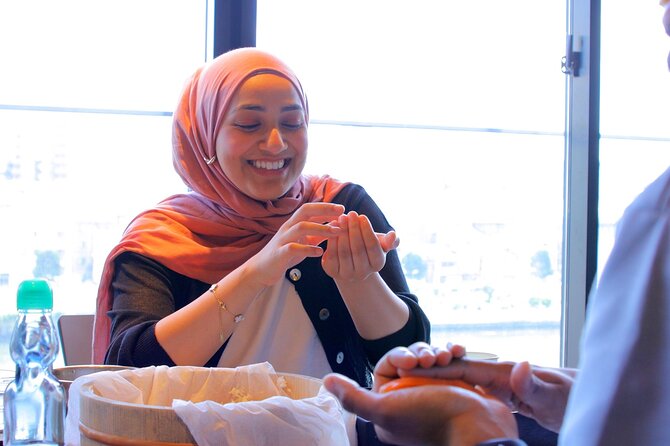
The price is $85.87 per group (up to 1), and the class runs about 3 hours. At first glance it can feel like a lot, but here’s the value logic that matters.
You’re paying for:
- an English speaking instructor
- ingredients for both matcha and sushi
- the food you make and eat
- a tight, structured lesson, not just a casual tasting
Also, the group size cap and hands-on format reduce the risk of spending a premium price to only watch. In Tokyo, cooking classes can range widely, but the biggest difference is how much actual making you get to do. This one is set up so you leave with sushi skills you can repeat.
One more smart point: there’s no hotel pickup, so the price stays focused on the teaching and materials. You’ll handle your own transit, but you’re not paying for a service you don’t need.
Logistics and tips that make the experience smoother
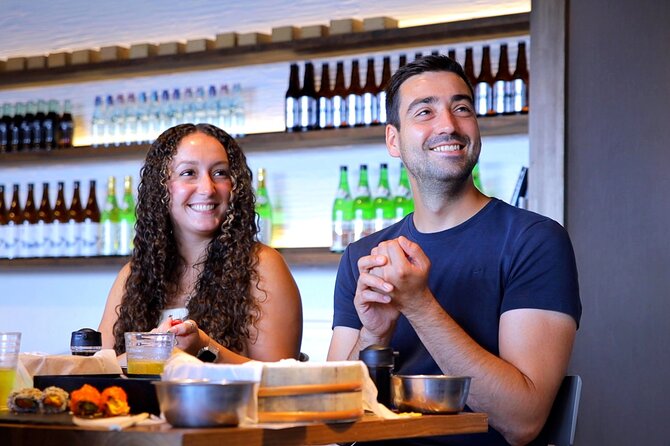
You’ll get a mobile ticket, which is convenient once you’re in Tokyo. The class ends back at the meeting point, so you can plan a simple route afterward rather than guessing where you’ll be dropped off.
Wear something comfortable. You’ll be working with your hands, and Asakusa can have weather swings, so layers help. Also, if you’re planning to do Sensoji Temple photos before or after, keep in mind you might want your camera secured, since sushi making is a hands-first activity.
Most travelers can participate and no experience is needed. That’s great, but still go in ready to learn technique. Sushi and matcha both reward practice, even short practice.
Who this class fits best
This is a strong pick if you want:
- a hands-on Tokyo food activity, not a tour bus stop
- a beginner-friendly class with English instruction
- a way to combine Asakusa sightseeing with a practical cultural experience
It also works for families. In one family case, kids around age 7 and 9 made sushi and were excited to eat it afterward. If you have children, expect the experience to be energetic and focused on step-by-step guidance.
If you’re traveling solo, it still makes sense because the class is designed around the group setting, and up to 15 travelers is small enough to feel personal. If you’re traveling as a duo, you’ll get the same advantage of instruction and a meal tied directly to what you create.
Should you book this Asakusa sushi and matcha class?
Book it if you want a meaningful Tokyo food skill you can actually use again at home: whisk matcha the traditional way and make sushi you’re proud to eat. The location near Kaminarimon and Sensoji gives you an easy cultural anchor, and the class format is set up so you’re not stuck watching.
Skip it only if you strongly prefer purely sightseeing days with zero kitchen time, or if you know you’ll hate being hands-on while staying in a small group. Also, if your schedule is tight and you can’t reliably reach Kaminarimon by transit, you may feel stress before you even start cooking.
If you’re in the middle, leaning yes, my advice is to go. This is the kind of experience that pays off in the best way, you leave with both a full stomach and a technique you can repeat.
FAQ
How long is the Japanese food cooking class in Asakusa?
The class is approximately 3 hours total, split into about 1 hour for matcha making and about 1 hour 40 minutes for sushi making.
Where is the meeting point?
The class meets at 2-chōme-17-9 Kaminarimon, Taito City, Tokyo 111-0034, Japan. The activity ends back at the meeting point.
Do I need a prior cooking experience to join?
No experience is needed. The instructor provides step-by-step guidance, and the class is designed for most travelers.
Is hotel pickup included?
No. Hotel pickup and drop-off are not included.
What’s included in the price?
The price includes an English speaking instructor, ingredients of the cooking class, and the meal you make.
Is there a cancellation option if my plans change?
Free cancellation is offered. You can cancel up to 24 hours in advance of the experience for a full refund, with the cutoff based on local time.
More Food Experiences in Tokyo
More Food & Drink Experiences in Tokyo
More Tour Reviews in Tokyo





Not for you? Here's more nearby things to do in Tokyo we have reviewed












Asakusa Tours, side by side.
 ★ 4.8Japanese Dance Cabaret Theater Asakusa-Kaguwa TicketFrom $492,270 reviews
 ★ 4.7Meiji Shrine, Asakusa, Skytree Bus Tour and CruiseFrom $1221,986 reviews
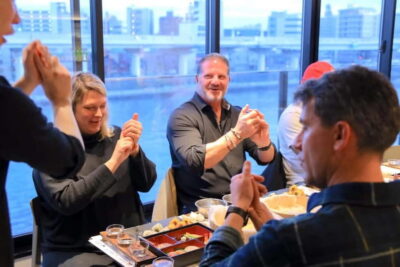 ★ 4.9Roll and Authentic Sushi Making Class in AsakusaFrom $581,957 reviews
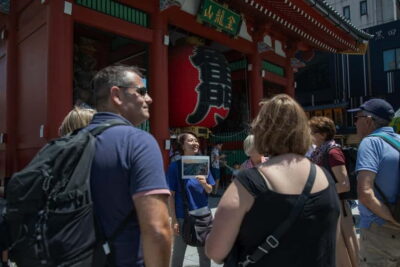 ★ 4.8Asakusa Walking Tour with Sensoji Temple VisitFrom $221,583 reviews
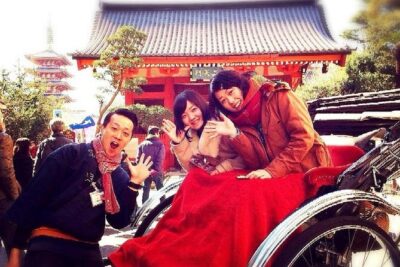 ★ 5.0Tokyo Asakusa Rickshaw TourFrom $421,375 reviews
 ★ 4.5Tokyo Panoramic 1 Day: Meiji Shrine, Asakusa, Odaiba and SKYTREE®From $851,222 reviews
 ★ 5.0Tokyo Go Kart: Asakusa, Skytree, and Akihabara **IDP MUST**From $99988 reviews
 ★ 4.7Asakusa, Skytree & Akhihabara Go-Kart City ExperienceFrom $96761 reviews
This tour also belongs to