
Review · FOOD & DRINK
Japanese Food Experience Night Tour in Ueno
Ueno at night turns Tokyo into a food mission. This 3.5 hour small-group evening sends you to local places in the Ueno area, where you eat well (and learn while you do). You sample a spread that can include ramen, sashimi, yakitori, and Japanese sake, plus dinner with drinks and a welcome souvenir.
I really like how personal the pacing feels. With a maximum of 10 people, the guide can steer the group and answer questions without the usual rush. I also like the mix of stops, because you are not stuck in one style of restaurant. The plan has you hopping between local spots such as an izakaya, a bar, and a ramen shop, with around 9 dishes across 3 to 4 places.
One drawback to factor in: they cannot guarantee allergy-free food or make dietary substitutions every time, since the meals are prepared in kitchens that do not belong to the meeting hotel. If you have serious allergies or very strict needs, you will want a careful conversation before booking.
Quick Reasons This Ueno Night Tour Works
- Small-group attention (up to 10 people) keeps things friendly and flexible.
- Dinner built around 3 to 4 local spots, including a ramen stop, so you taste more than one style.
- About 9 dishes plus ramen, plus a welcome drink and a small souvenir.
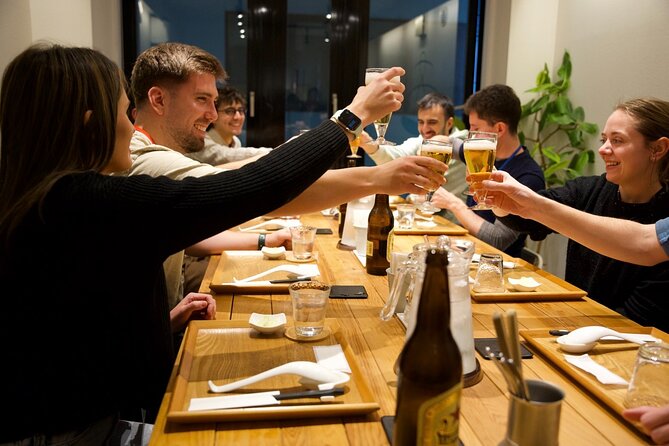
- Around 5 drinks are included, so the evening feels like a real night out, not a snack run.
- Local English guide helps you understand what you are eating and why it matters in Japanese food culture.
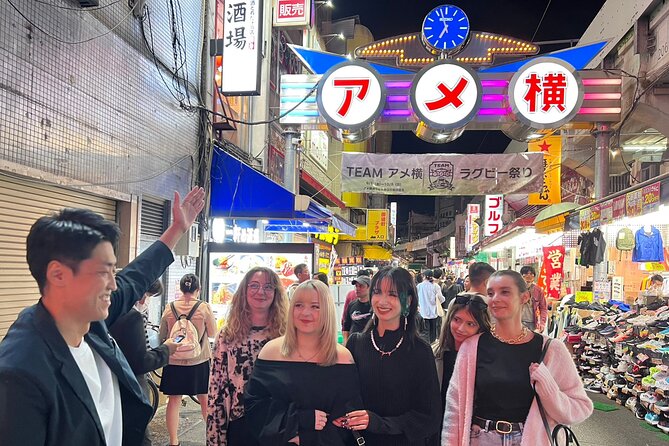
- Ueno basics plus atmosphere, since you will also walk through areas like Ameyoko Shopping Street.
Why Ueno Food at Night Feels Like Real Tokyo
Tokyo’s headline neighborhoods like Ginza, Shibuya, and Shinjuku are easy to plan for. Ueno is different. It is where regular people eat and drink day after day, in streets that stay busy long after the sun goes down. That matters because Japanese food is not just about famous dishes. It is about how and where locals fit food into their evening.
This tour leans into that idea. You start by meeting in the Ueno/Okachimachi area and then you move through the Ueno side of Tokyo with your guide. You spend the night tasting, but you also pick up context. When someone explains the food as you go, each stop becomes a mini lesson: ingredients, portion style, what to pay attention to, and how Japanese cuisine shifts from place to place.
I especially like that the experience is designed around non-touristy restaurants that locals use. In practice, that usually means less stagey service and more normal, everyday comfort. It also means you are more likely to find places you would not stumble into on your own, even if you are browsing streets like Ameyoko.
You can also read our reviews of more food & drink experiences in Tokyo

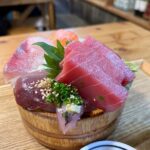
Price and Value: What $105.68 Covers (and What It Does Not)
The price is $105.68 per person, for an evening of about 3 hours 30 minutes. That can sound steep until you look at what is actually included.
You get a full dinner across 3 to 4 restaurants, with around 9 dishes, plus ramen. You also get alcoholic beverages included, with around 5 drinks total, and there is a welcome drink and a small souvenir. Add in a local English guide who stays with the group during the food stops, and you have a lot packed into one ticket.
Where value gets tricky is always the same in Japan: eating well can add up fast, especially once you include drinks. Here, you are paying for the meals and the guided hopping, not just a single restaurant reservation. If you would otherwise do three separate meals and try a few drinks on your own, this format can feel like a shortcut to a full night out.
Two practical notes. Transportation to the meeting place is not included. And if you cannot drink alcohol, the tour still has food value, but the included alcohol portion will be limited by age rules (more on that below).
Start Point at hotel MONday Premium Ueno Okachimachi
You meet at hotel MONday Premium Ueno Okachimachi, in the Taitō area. It is a convenient starting point because it is near public transportation, which makes arriving without stress much easier. Your tour ends back at the same meeting point, so you are not left navigating trains after dinner while your stomach is full.
The tour uses a mobile ticket, which is convenient if you are bouncing between activities in Tokyo. My practical advice is simple: show up a few minutes early, skim the meeting details on your phone, and come hungry but not frantic. A food tour works best when you can enjoy the pacing instead of sprinting between courses.
Ameyoko Shopping Street at Evening Pace
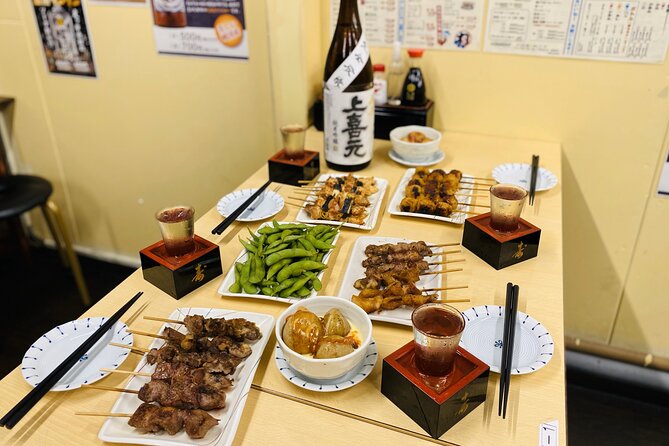
One of the first named areas is Ameyoko Shopping Street. This is the kind of place where you quickly understand why Ueno has such a strong local food scene. The street vibe is busy, and the atmosphere feels built for quick meals, casual conversations, and the kind of dinner that happens without making a huge plan in advance.
On a walking food tour, a guide is not just for translations. They help you read the street. You get a sense of what to look for, how restaurants differ from block to block, and how a food plan stays organized even when the street around you is chaotic.
This is also where you benefit from being in a small group. You keep moving at a pace that works for tasting. And because you are not wandering alone, you spend more time eating and less time guessing what is worth your yen and your time.
Ueno District Stops: Eating With Context, Not Just Speed
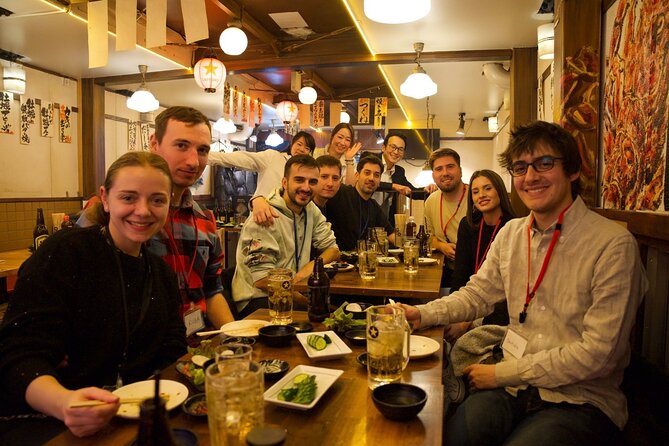
Another stop is the Ueno district, which is where the food plan starts to feel like a real tasting menu across the neighborhood. This is not about collecting photos. It is about learning how Japanese cuisine changes by restaurant type and cooking style.
During the evening, your guide explains what you are eating and how it fits Japanese food culture. That can be anything from how a dish is built, to what makes a ramen bowl different depending on where you are, to how sashimi is meant to be enjoyed in that setting. The goal is that you do not just consume food, you understand it well enough to choose smarter on future meals.
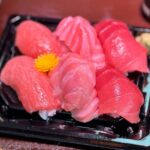
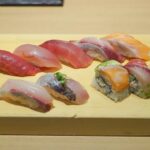
You will sample a range of dishes that can include ramen, sashimi, and yakitori, plus Japanese sake. The point of having multiple foods in one night is that Japanese food often makes more sense when you compare. One stop might focus on comfort and warmth, while another leans lighter and fresher. By the time you finish, you are better at reading menus on your own.
More Tokyo tours and experiences for the shortlist
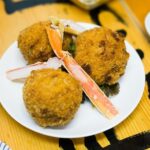


The Izakaya, Bar, and Ramen Shop Hops
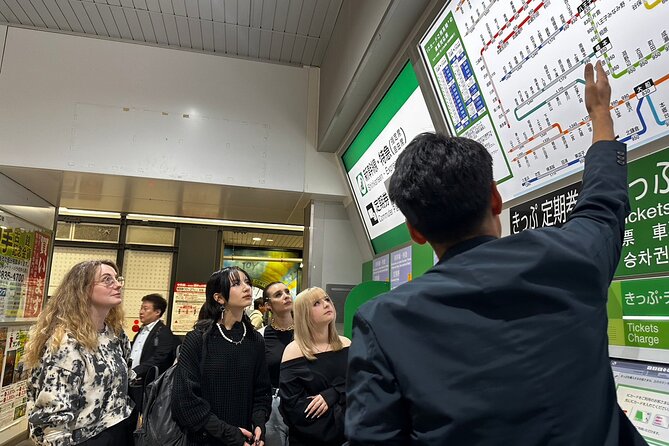
The included plan is designed around hopping through local spots. You will visit about 3 to 4 restaurants, with food and drink spread across the evening. The tour also specifically references a hop set that includes izakaya, a bar, and a ramen shop, which is a nice mix because these places represent different parts of the Japanese night-out story.
Here is what I like about this structure. You get variety without losing the flow. You are not bouncing between far apart neighborhoods. Instead, you are moving through a compact area, building your appetite and then satisfying it in different styles.
You also get around 5 drinks total, plus a welcome drink. That means the tour feels social. You are in the rhythm of an evening meal, not just a tasting session where everyone sips water and goes home early.
My only caution: drink slowly. Alcohol included does not mean you should rush it. If you pace your tasting, you will actually taste more. And if you are eating around 9 dishes, you will want that extra care so the last stop is still enjoyable.
Dinner Portion Style: Around 9 Dishes Plus Ramen
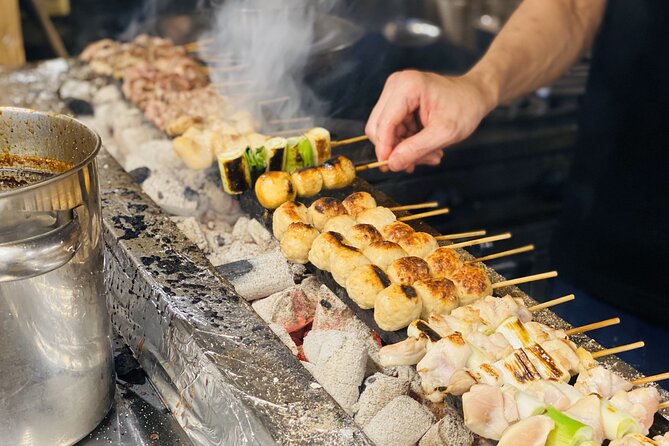
The dinner element is substantial by Tokyo standards. You are looking at around 9 dishes total, across 3 to 4 restaurants, with ramen included. That is a lot of food in one night, which is great for foodies, but it also means you should plan your day accordingly.
If you are coming straight from a busy sightseeing schedule, you may feel the food tour as a second job. So I recommend giving yourself a little breathing room in the afternoon. Think about eating a light lunch, or taking a pause. Your goal is to enjoy each stop, not to survive it.
The good news is that the dishes are likely portioned so you can sample widely. When a tour is built for hopping, the portions usually fit the walking schedule. You are not stuck with one giant meal that slows down the group.
Guides Lyu and Kazuki: Why the Night Story Matters
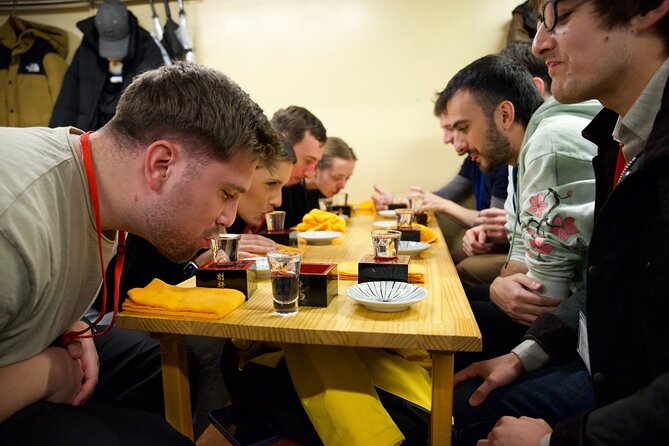
One of the strongest praise points is the guides. People specifically call out Lyu and Kazuki for warm, expert guidance and for leading the group to places they likely would not find alone. That matters because the best part of a food tour is often not the food itself. It is the understanding you pick up along the way.
A great guide does two things. First, they keep the evening moving in a way that feels natural, not like a clockwork bus tour. Second, they translate what matters. With a local English guide, you can ask why a dish is prepared a certain way, or what you should notice when you eat it. You also get practical confidence. After a night like this, you usually feel more comfortable ordering on your own.
This tour also promises personalized attention during the small-group experience. In my opinion, that is the real reason the quality stays high. When the group is small, guides can adjust on the fly, answer questions, and make sure people are not left behind.
Alcohol, Age Rules, and Staying Comfortable
The tour has a minimum age of 15 years, but only those who are 20 years or older can drink alcohol. If you are under 20, you can still join, but the alcohol part will be limited based on those rules.
Another factor is that the tour includes around 5 drinks total. That means you should plan to spend the whole evening in a dining rhythm. If you are hoping for a quick bite and early departure, this is not really that kind of tour.
Comfort tip for the road: Japan evenings can involve plenty of walking and standing, especially around shopping streets. Wear shoes you can trust. It will make all the tastings easier to enjoy, even if you are full.
Dietary Restrictions and Allergy Caution
This is the part I would not ignore. The tour notes that they cannot guarantee allergy-free meals or cater to dietary restrictions, because the food is prepared in kitchens not belonging to the meeting hotel. There may also be instances where substitutions are not possible at certain stops, though efforts are made to compensate at other stops.
So if you have a food allergy, or strict dietary needs like avoiding specific ingredients, do not assume you will be fully accommodated. Ask detailed questions before you book. If your needs are complex, you might want a different type of tour that can better control ingredients.
If your dietary issue is mild, like preferences rather than medical restrictions, you may still be able to manage it, but confirm with the operator. This is a food-hopping tour, so it is inherently harder to swap ingredients at each restaurant.
Who Should Book This Ueno Japanese Food Night Tour
This tour is a strong fit if you want a guided way to eat around Ueno without spending your evening researching restaurant options. It is also a good match if you want variety in one night, because you get multiple foods like ramen, sashimi, and yakitori, plus Japanese sake and multiple drink stops.
It also suits first-timers who want a more local side of Tokyo. Ueno is not shy, and eating here with a guide helps you feel like you are in the real rhythm of the city. The walking through areas like Ameyoko adds atmosphere, and the guide adds the missing layer of understanding.
Who might skip it? If you need guaranteed allergy-free meals or strict dietary control, the tour is not positioned to do that. If you hate walking, or you are very sensitive to strong food smells in crowded areas, you might find shopping street sections uncomfortable. And if you want a quiet, sit-down-only dinner, the hopping format may not fit your style.
Should You Book This Ueno Food Night Tour?
If you are craving a full evening meal with a local English guide, this is an easy yes. The value comes from packing about 9 dishes, ramen, and around 5 drinks across multiple local restaurant stops, all in a small group that keeps the evening personal. Names like Lyu and Kazuki showing up in strong feedback also tell you the guides are a key part of the experience.
If you are deciding at the last minute, here is your decision shortcut. Book it if you want to taste widely and learn while you eat. Pass or investigate alternatives if allergies or strict dietary needs are a major concern. Either way, plan your day so you arrive hungry, wear comfortable shoes, and let the night food flow do what it does best, turning a neighborhood into a map you can actually use later.
FAQ
How long is the Japanese Food Experience Night Tour in Ueno?
The tour lasts about 3 hours and 30 minutes.
What is the price per person?
It costs $105.68 per person.
What is included in the dinner and drinks?
You get a full dinner, about 9 dishes across 3 to 4 restaurants including ramen, plus alcoholic beverages, about 5 drinks in total. There is also a welcome drink and a small souvenir.
How many restaurants or stops will we visit?
You will visit about 3 to 4 restaurants and you will hop through 4 local spots, including places like an izakaya, a bar, and a ramen shop.
Where does the tour start and end?
You meet at hotel MONday Premium Ueno Okachimachi in the Taitō area, and the tour ends back at the same meeting point.
Is transportation to the meeting place included?
No. Transportation to the meeting place is not included.
Is the tour always in English?
Yes, it includes a local English guide.
Can kids or teens join, and can they drink alcohol?
The minimum age to participate is 15, and only those 20 years or older can drink alcohol.
Can the tour accommodate allergies or dietary restrictions?
They are unable to guarantee allergy-free meals or cater to dietary restrictions. Substitutions may not be possible at every stop, though they make every effort to compensate at other stops.
More Food & Drink Experiences in Tokyo
More Tours in Tokyo





More Tour Reviews in Tokyo


Not for you? Here's more nearby things to do in Tokyo we have reviewed












Food & Drink, side by side.
 ★ 5.0Shinjuku Food Tour (13 Dishes at 4 Local Eateries)From $866,603 reviews
 ★ 5.0Tokyo Tsukiji Fish Market Food and Culture Walking TourFrom $993,184 reviews
 ★ 4.9Shinjuku Food Tour (15 Dishes and 4 Eateries)From $852,033 reviews
 ★ 5.0Best of Shinjuku: Izakaya Food Tour (4 Stops, 14+ Tastings)From $921,863 reviews
 ★ 5.0Tsukiji Fish Market Food and Walking tourFrom $301,724 reviews
 ★ 5.0Eat and Drink Like a Local: Tokyo Ueno Food Tour-Taverns&RamenFrom $95957 reviews
 ★ 5.0Shibuya Food Tour (13 dishes and 4 Eateries)From $77770 reviews
★ 4.7Tsukiji Fish Market Food and Culture Walking TourFrom $96757 reviews
★ 5.0Shibuya Food Tour (13 dishes and 4 Eateries)From $77770 reviews
★ 4.7Tsukiji Fish Market Food and Culture Walking TourFrom $96757 reviews
This tour also belongs to