
Review · DESSERT TOURS
Japanese Sweets (Mochi & Nerikiri) making at a Private studio
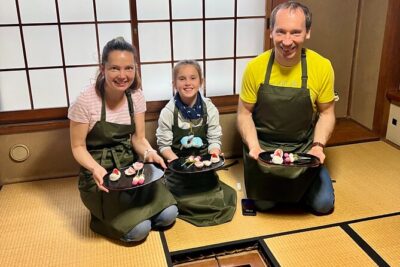
Wagashi-making in a real Tokyo home is a treat. This private studio class focuses on two of Japan’s most beloved Japanese sweets, mochi and nerikiri, and you build them from scratch with an English-speaking instructor in a small group (maximum 8). You even get to shape and color a seasonal nerikiri motif, not just watch.
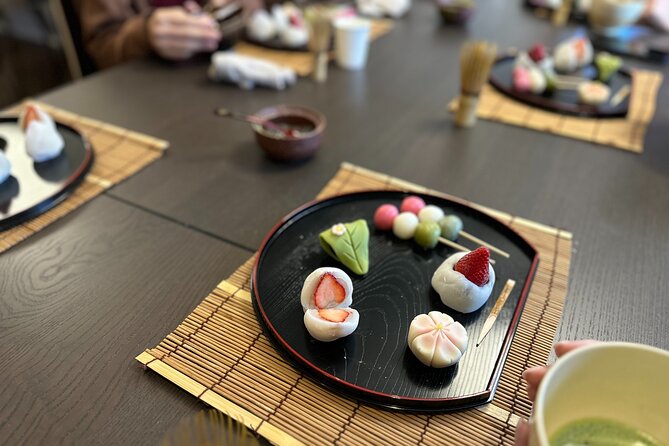
I especially like that you learn the process in a structured way, starting with a short background on mochi traditions and then moving into hands-on making of strawberry daifuku and three-color dango. The second big win is the ending, where you taste your sweets with matcha green tea (or a non-caffeinated alternative) and connect it to Omotenashi and Chado.
One consideration: this is hands-on and in a private space, so it may feel like a tight fit if you plan to bring extra people to sit and watch, since observers are not allowed to sit in class.
Key Highlights You’ll Care About
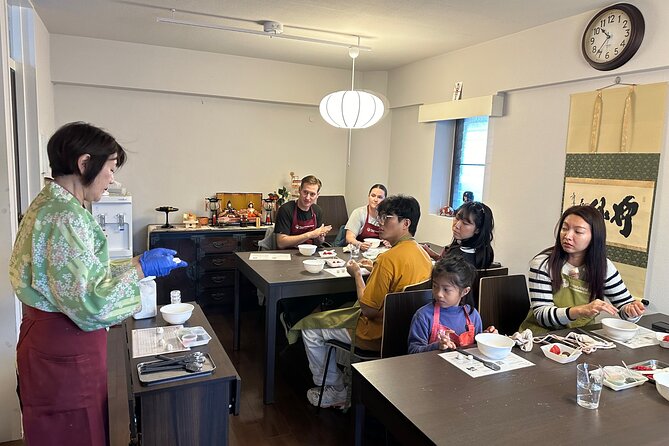
- Private-home setting in Meguro for a more personal, local feel than a storefront workshop
- Small-group size (max 8), so instructions stay clear and you get real attention
- From dough to decoration, including coloring and shaping your own nerikiri seasonal motif
- A complete tasting finish, with matcha or another non-caffeinated tea
- Take-home support: English recipe sheet plus aprons provided
Wagashi-Making in Meguro: The Real Appeal
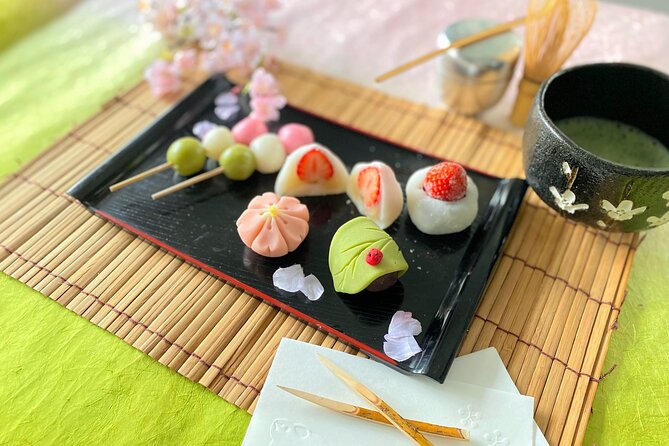
You can learn about Japanese sweets pretty easily in Tokyo, but making them yourself is a different experience. Here, you are not just sampling wagashi, you are building the textures, shapes, and flavor cues that make them feel intentional.
This class is priced at $91.96 per person for about 2 hours 30 minutes. For that time, you get instruction, ingredients used in class, tasting, aprons, and an English recipe sheet you can actually follow later.
The private studio location matters too. Your session starts and ends at a specific address in Meguro (Meguro City, Meguro, near public transportation), so it feels grounded in real neighborhoods rather than a visitor-only zone.
You can also read our reviews of more private tours in Tokyo

What You Actually Make: Mochi, Dango, and Nerikiri Wagashi
The class centers on a sequence that makes sense for beginners and also gives you real craft practice. You start with mochi basics, then you move into nerikiri, which is where the work gets artistic.
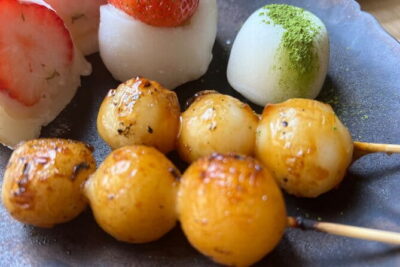
You will make strawberry daifuku mochi and three-color dango (mochi balls on skewers). After that, the instructor walks you through how to make nerikiri dough, then you color and shape your own seasonal motif.
This mix is smart because daifuku and dango teach the foundation of mochi handling, while nerikiri teaches a different skill set: working dough into fine shapes and getting the look right. If you love food with meaning, wagashi symbolism and seasonal motifs are a huge part of why this matters.
The 2.5-Hour Flow, Step by Step
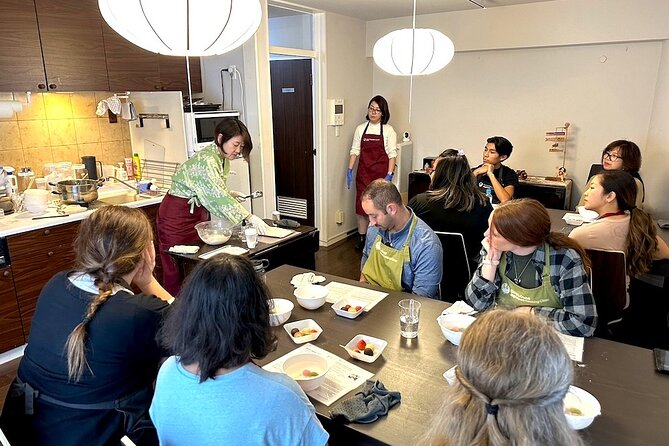
Here is how the experience runs, in the order you will feel it.
1) A short mochi and tradition intro
You begin with a short presentation on traditions and festivals that involve mochi. It gives you context for why mochi shows up in seasonal Japanese life, not just as a dessert.
I like this part because it changes how you eat later. You are tasting something with a backstory, and the class keeps tying craft steps to cultural purpose.
2) Making strawberry daifuku mochi and three-color dango
Next comes hands-on cooking. You learn how to make the sweets from scratch, including dough work and shaping steps.
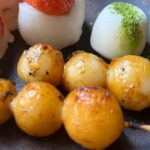
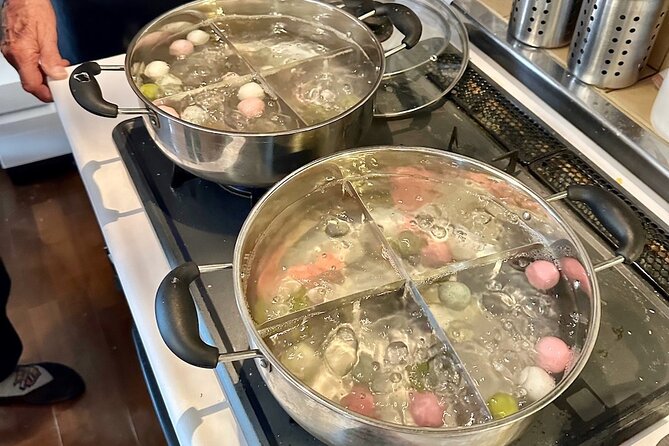
For daifuku, you focus on getting the mochi texture right and forming the sweet into a neat shape. For the three-color dango skewers, you work with mochi balls and color them into a playful set.
The process takes time. That matters, because consistency is the difference between chewy and just sticky, and you will get the chance to adjust as you go.
More Tokyo tours and experiences for the shortlist



3) Nerikiri dough, then coloring and shaping
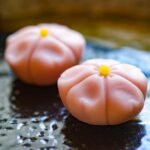
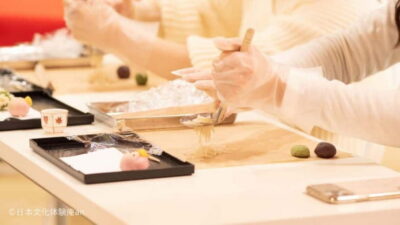
After mochi, the class shifts to nerikiri. Nerikiri wagashi uses a dough you color and shape into seasonal designs, so it is as much about artistry as it is about technique.
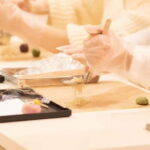
The instructor demonstrates how to make the nerikiri dough first, then you do the coloring and shaping. This is the moment where the workshop feels special, because your final piece is a seasonal motif you made yourself.
Also, the instructor is a certified Nerikiri Art Instructor and is fluent in English. That is a practical detail, because it means you can actually ask what you are doing, why you are doing it, and how to improve.
4) Matcha tasting and Omotenashi talk
You finish with tasting your sweets alongside matcha green tea. If matcha is not your thing, the class includes matcha green tea or other non-caffeinated tea.
There is also a short talk about Omotenashi, the hospitality spirit, and how it connects to Chado, the tea ceremony. This gives the tasting a purpose beyond the food, and it helps you understand why Japanese sweets are often tied to tea culture.
Mochi Background You Can Use Beyond This Class
The presentation at the start is not just trivia. Mochi has a role in Japanese seasons and festivals, and the class frames that role in a way that makes your hands-on steps feel connected.
You also see how different mochi forms fit different moments. Even if you do not plan to memorize festival dates, you will leave with a better instinct for why wagashi look the way they do.
I find this helps when you visit dessert shops afterward. You start spotting the seasonal cues and thinking, oh, this is designed to match the time of year, not just to look cute.
Nerikiri Shaping: Where the Craft Shows
If you are choosing this experience for one reason, make it nerikiri. This workshop treats nerikiri as real craft work, not as a shortcut decoration session.
You learn how the nerikiri dough is made, then you color and shape it into a seasonal motif. In other words, you handle dough, you make color choices, and you sculpt a final form.
That is exactly what many people hope for when they book a Japanese sweets workshop. It is not only about eating, it is about learning enough skill that you feel proud carrying the recipe home.
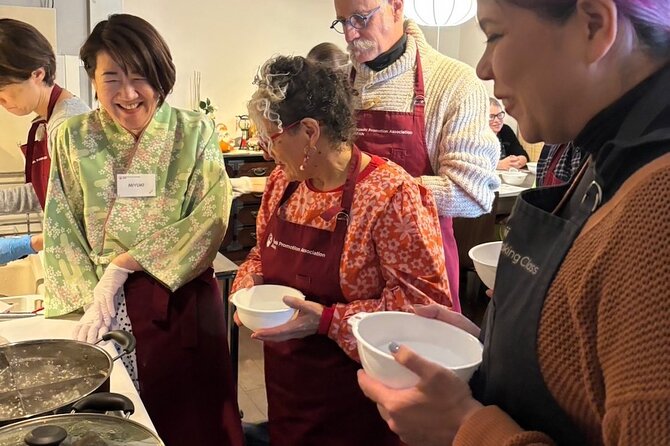
And because the class is small, you are not stuck waiting for the instructor to notice you. You can get hands-on feedback while your dough is still workable.
Strawberry Daifuku and Three-Color Dango: Fun, Practical Wins
Strawberry daifuku mochi is a great beginner-friendly goal. It is satisfying to make because the shape is clear, and you can feel progress as you work through the steps.
Three-color dango adds a visual element that still stays grounded in the mochi process. Skewers make it feel like a snack you actually want to eat right away, and the color work keeps things playful.
One reason this combo works well for families is that it offers variety without exploding the complexity. You are still working with mochi, but you are practicing different handling and forming styles.
Matcha, Tea Ceremony Spirit, and Why the Pairing Works
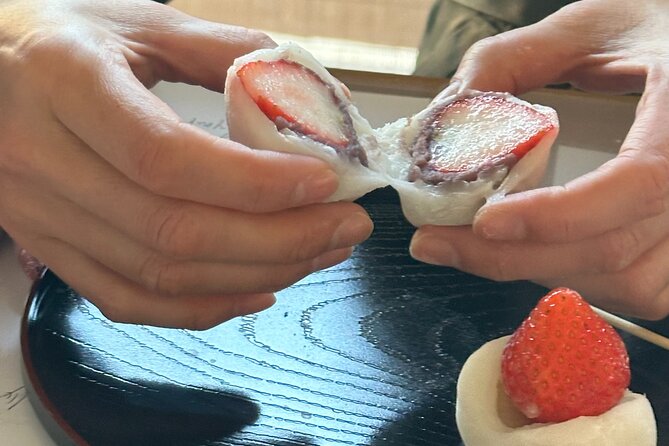
The class ends with tasting your sweets with matcha green tea. That pairing is classic for a reason: matcha’s earthy bitterness balances sweet wagashi flavors.
The instructor also connects this to Omotenashi and Chado. Omotenashi is hospitality in action, and Chado is the tea ceremony tradition that turns serving into a practiced art.
This matters for you because it turns dessert into a small cultural lesson you can carry with you. When you drink matcha later, you know there is a mindset behind the ritual.
Also, the class provides matcha green tea or other non-caffeinated tea. So you are not left scrambling if you are sensitive to caffeine.
English Instruction and the Advantage of a Certified Teacher
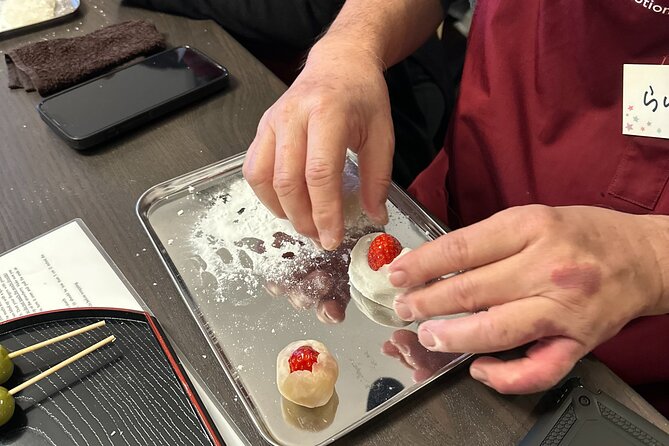
This class is taught by an instructor who is very fluent in English and is a certified Nerikiri Art Instructor. That combination is important, especially if you do not speak Japanese, because it makes the workshop feel guided instead of confusing.
In real terms, it means you can ask questions and get clear answers about consistency, shaping, and what to do if something goes off track. It also means you can get practical Tokyo advice from someone who knows local life.
Several instructors have been mentioned by name in past sessions, including Yukka, Waka, Satoko, Kaoru, Miho, and Miyuki Suyari. You may not meet the same person, but the point is consistent: English is genuinely part of the experience, not an afterthought.
Ingredients, Dietary Notes, and What to Expect
The class uses plant-derived ingredients and notes that they are gluten-free. That is useful information if you are trying to avoid gluten or prefer plant-based options.
You also get tasting at the end, so you are not guessing what your work will become. You will see and taste the results of your shaping and coloring, which is a big part of why hands-on workshops are worth it.
Aprons are provided, which helps with mess control. Still, you might want to wear clothes you feel comfortable getting food dust or sticky residue on, even with aprons.
Price and Value: Is $91.96 a Good Deal?
At $91.96 per person for about 2.5 hours, this is not a budget snack class. It is a real workshop with ingredients used in making, plus instruction and tasting.
Here is why the value makes sense. You get:
- a small-group setting in a private home
- multiple wagashi styles (strawberry daifuku mochi, three-color dango, nerikiri)
- an English recipe sheet to take home
- tea and tasting at the end
If you care about learning craft skills, not just getting fed, the price is easier to justify. You are paying for time, technique, and guided shaping, especially for nerikiri where skill and attention matter.
Group Size, Home Setting, and Practical Comfort
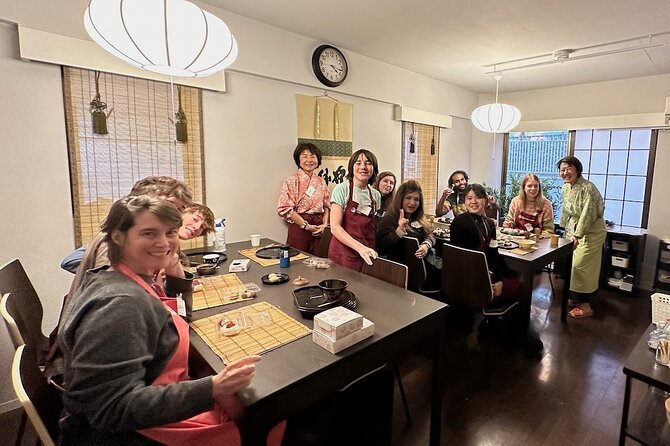
This workshop caps at 8 travelers. That small number is a comfort factor, because it makes it easier to hear instructions and see what the instructor is doing.
It is also held at a private home. That tends to create a calmer, more personal vibe than a commercial studio. You are visiting a local Tokyoite’s home, which is rare for food classes.
One practical note: observers are not allowed to sit in class. If you are thinking of bringing extra adults or extra kids just to watch, you will want to plan within what the class allows.
The workshop is non-smoking too. It is also a good sign for comfort in a home setting.
When to Go and How to Plan Your Day
You can choose either a morning or afternoon class, depending on what fits your schedule. That flexibility matters in Tokyo because your day often shifts based on weather and energy.
The class runs about 2 hours 30 minutes. I suggest planning it as a main activity, not something you squeeze between tight bookings.
Also, the session starts and ends at the meeting point in Meguro. Transportation is not included, so you will need to get yourself there and back using public transit or your own plans.
Since the location is near public transportation, you should be able to reach it without a private transfer. Still, confirm your exact route based on the address on your ticket.
Who This Workshop Fits Best
This is ideal if you want a hands-on Tokyo experience with real instructions, not a quick demo. It suits food lovers, craft fans, and anyone who likes desserts with a seasonal story.
It is also a family-friendly option with a minimum age of 4 years. A previous class included a 7-year-old and mentions a comfortable, welcoming home setting, which is a good sign if your kids are curious and steady enough to participate.
If your travel style is mostly museum walks and big-sightseeing marathons, you might still enjoy this, especially as a break from crowds. Just know it is active, sticky, and focused on making rather than sightseeing.
Quick Tips to Get the Most Out of It
Bring your curiosity. Ask about what to do if your dough gets too sticky or not pliable enough. This is the kind of class where small adjustments matter, and the instructor is there to help.
Plan to take your time during the shaping stage. Nerikiri rewards patience, and rushing usually shows up in the final look.
Use the English recipe sheet right after class. If you leave and forget the steps, the recipe is much harder to follow later. The goal is to recreate the sweets at home with less guesswork.
And if the instructor mentions where to shop for tools, write it down. Several people in past sessions appreciated advice on where to purchase utensils for making wagashi after the trip.
Should You Book This Mochi and Nerikiri Workshop?
Yes, if you want one of the most practical ways to experience Japanese sweets culture. You will make three kinds of sweets from scratch, get to taste your results with tea, and leave with an English recipe sheet.
Book it especially if you care about craft, consistency, and seasonal artistry. Nerikiri is the main reason to choose this class, and the small-group private-home setting helps you actually learn it.
Skip or reconsider if you want a sit-and-watch experience. Observers are not allowed to sit in class, and this is designed for active participation, not passive viewing.
If you are in Tokyo with enough time to commit to a focused workshop, this one is a strong choice.
FAQ
How long is the Japanese sweets making class?
The class lasts about 2 hours 30 minutes.
What sweets will I learn to make?
You will learn to make strawberry daifuku mochi, three-color dango, and nerikiri wagashi. You will also shape and color a seasonal nerikiri motif.
Does the class include food and tea?
Yes. The class includes food tasting, and you will have matcha green tea or other non-caffeinated tea.
Are dietary restrictions supported?
The ingredients used are plant-derived and gluten-free.
Is there an option to combine this with mochi-making?
Yes. There is an option to combine with a mochi-making class upon request.
What is the minimum age to attend?
The minimum age to attend is 4 years. Children under 4 are not allowed in class due to safety reasons.
More Dessert Tours in Tokyo
More Private Tours in Tokyo



More Tour Reviews in Tokyo






Not for you? Here's more nearby things to do in Tokyo we have reviewed












Dessert Tours, side by side.
 ★ 5.0Matcha Making Class in Tokyo with Authentic Japanese Sweets SetFrom $21744 reviews
 ★ 4.9Matcha Making Experience with Mochi Sweets in AsakusaFrom $22388 reviews
 ★ 5.0Make Traditional Nerikiri Sweets & Matcha experience in ShibuyaFrom $60130 reviews
 ★ 5.0Private Mochi Sweets Making class near Shibuya areaFrom $7993 reviews
 ★ 4.7Japanese Traditional Sweets making and Tea CeremonyFrom $1850 reviews
 ★ 5.0Tokyo Local Food Tour: Noodles, Skewers, Dumplings, SweetsFrom $7448 reviews
 ★ 5.0Mochi Matcha Gluten Free Japanese Sweets Class near Shibuya areaFrom $11226 reviews
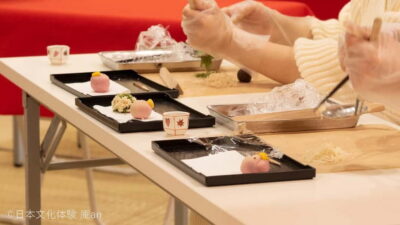 ★ 4.6Two Types of Japanese Sweets Making and Tea CeremonyFrom $2826 reviews
This tour also belongs to