
Review · KAMAKURA DAY TRIPS
Kamakura & Enoshima: Great Buddha, Shrines and Ocean Views
Kamakura feels like a sacred shoreline town. What makes this tour work is that you get Tsurugaoka Hachimangu and the Enoden seaside train ride in one smooth half-day loop, then finish at the bronze Great Buddha at Kōtoku-in. I especially like that it is built around big spiritual sights and real street-level time on Enoshima, not just a checklist of photos. The one thing to plan for is the walking, because the route is temple stairs, island streets, and some crowded moments during peak hours.
I also like the human side of it. Guides such as Yoko and Yuya are described as kind, well informed, and happy to answer lots of questions, which helps the day feel personal instead of rushed. It runs rain or shine, and you will want to bring cash for small purchases since some shops do not take cards.
Key things I’d circle in the plan
- Tsurugaoka Hachimangu to start: a strong samurai-culture anchor before you head to the coast
- Enoden train ride: a classic, scenic way to travel between Kamakura and Enoshima
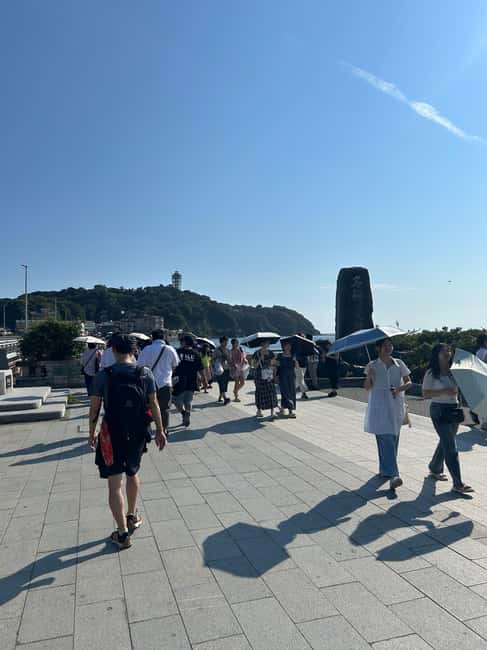
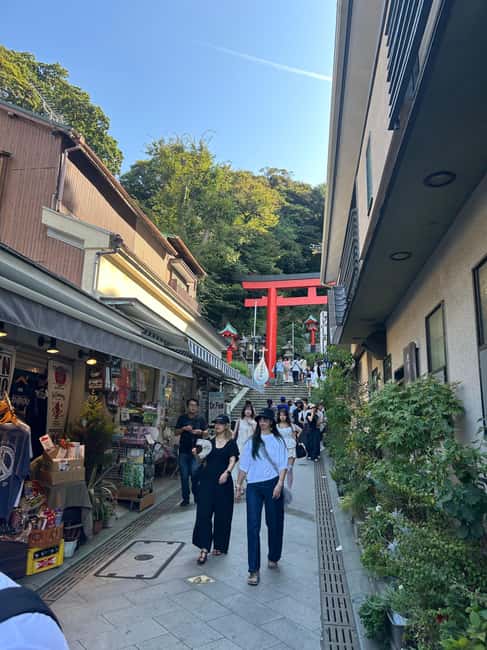
- Enoshima’s island streets: time to browse and soak up the seaside vibe
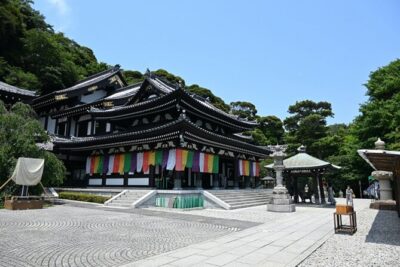
- Hase-dera highlights: gardens plus the Kannon statue that people come for
- Kōtoku-in Great Buddha: the final payoff, iconic bronze and tons of atmosphere
Why Kamakura and Enoshima together is such a smart half-day
Kamakura and Enoshima sit close enough that you can do a lot without spending the whole day commuting. The best part is the contrast: Kamakura gives you temple gravitas and samurai-era roots, then Enoshima brings in the ocean air and a more relaxed, walk-and-look pace.
At 5 hours, this feels doable even if you are sightseeing elsewhere the same day. You also get an English-speaking guide, plus entrance fees to the attractions that actually matter on this route, so you spend less time figuring out tickets and more time moving through the sights.
The tour is also built for momentum. You start with a major shrine, you ride a historic coastal train, you hit Enoshima on foot, then you finish at the Great Buddha. That structure keeps the day from feeling like a long line of separate stops.
You can also read our reviews of more tours and experiences in Fujisawa.
Tsurugaoka Hachimangu, where the samurai story begins
You kick things off around Tsurugaoka Hachimangu, a central spiritual site for Kamakura. It is a great first stop because it sets the tone right away. Before you look at statues or gardens, you get the big picture of how samurai culture connected to worship and civic life in the area.
Expect a photo stop and a guided visit, about 45 minutes total. This is not only about taking pictures of gates and grounds. You get context that makes the later temple stops feel connected instead of random.
One practical note: shrine areas can get busy. If your timing is flexible, treat the first stop as your “get your bearings fast” moment, then you can slow down later for the ocean and the temples.
The Enoden coastal train ride, a scenic travel break
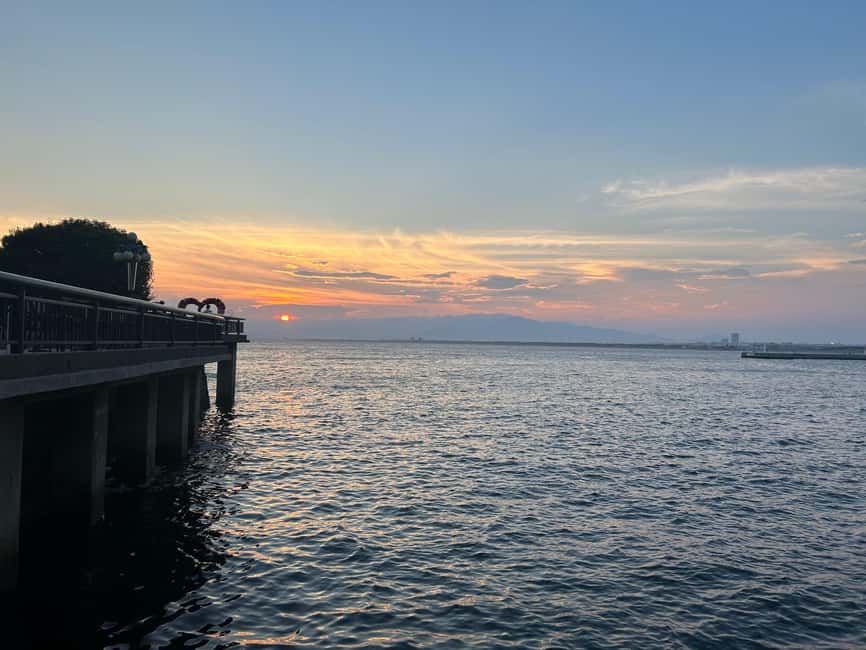
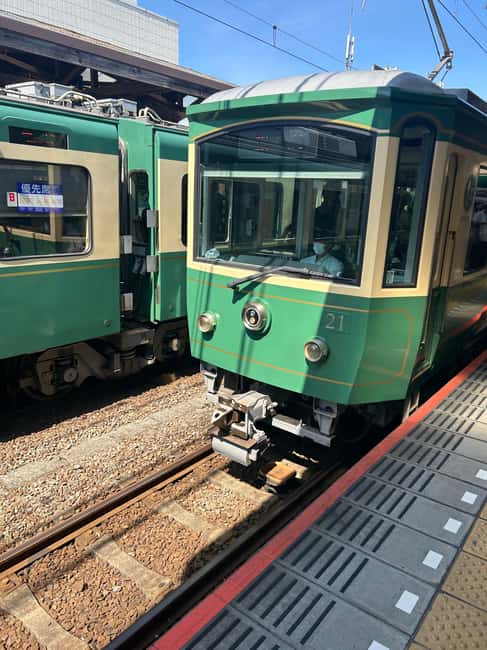
One of the most fun parts of this itinerary is the historic Enoden train ride along the coastline. Instead of treating transit like downtime, the tour turns it into part of the experience.
You will have a short train segment, then arrive at Enoshima Island. Because you are traveling by a local rail line, it also gives you a more real-day feel than buses and private shuttles.
This is where the pace changes. After walking shrine grounds in Kamakura, you get seated time, plus you get views while you move. If you enjoy travel that feels like part of the destination, this rail moment is a real value add.
Enoshima Island streets and seaside time
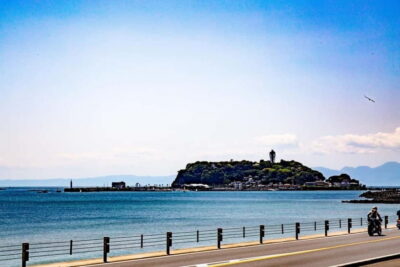
Once you arrive, you switch into island mode. Enoshima is known for seaside scenery, historic shrines, and lively shopping streets, and the tour gives you about 1 hour on the island.
Plan for a guided visit plus walking time that includes a photo stop and sightseeing. You are not stuck in one temple courtyard either. You get enough time to wander through island streets, notice small details, and pick up snacks or small items on the way.
The best advice here is simple: wear shoes you trust. The island streets and approach paths can be uneven, and the day already includes several temple sites. Comfortable walking footwear will save your energy for the views and the quieter moments.
If you are the type who likes to know what you are looking at, this is also a smart stage of the day. The guide’s context helps turn the island from scenery into something you can actually read.
Hase-dera Temple, gardens plus Kannon statue appeal
Next up is Hase-dera, one of the most famous temple stops in the Kamakura area. It is especially known for its peaceful gardens and for a major statue of Kannon, the goddess of compassion.
You get about 30 minutes here, including a photo stop, visit, and guided sightseeing. This timing is short enough to keep you moving, but long enough to actually enjoy the gardens rather than just passing through.
A useful way to approach Hase-dera is to slow down for the garden sections. Even if the main statue is the headline, the gardens are what make this stop feel calming compared to the earlier shrine atmosphere. Also, expect at least some stair walking. If your legs are feeling it, pace yourself and take quick rests so you can still appreciate the viewpoints.
Kōtoku-in and the Great Buddha payoff
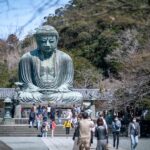
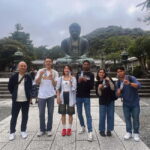
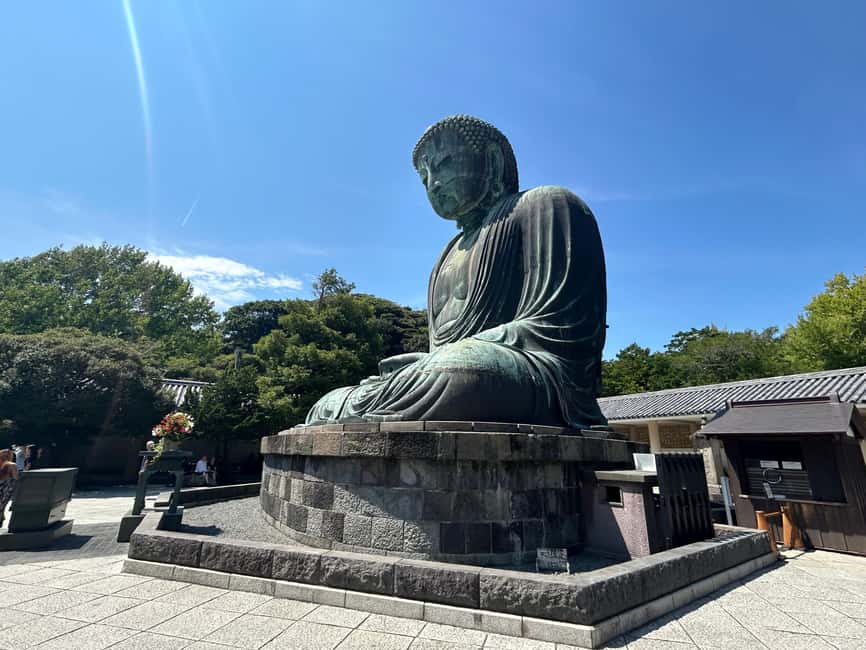
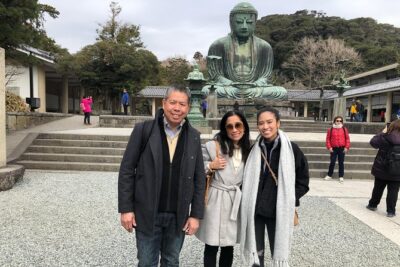
The grand finish is Kōtoku-in, home to the Great Buddha of Kamakura. This bronze statue is the reason many people come to the area, and the tour gives it proper time, about 40 minutes, with guided sightseeing plus photo opportunities.
This is not the kind of stop you appreciate only from a distance. The atmosphere changes as you get closer, and having a guide helps you understand why this Buddha matters to visitors across centuries.
After Kōtoku-in, you transition with a train segment and then end back near your drop-off location(s), including Kamakura Station. It is a nice wrap because you do not end with a long, exhausting walk back through town.
Price and value: what your $50 buys on a 5-hour day
The listed price is $50 per person for a 5-hour guided tour. The clearest value points are the English-speaking guide and the fact that entrance fees are included for the attractions on the route.
Whether the train ride cost is fully bundled into that total depends on how the operator structures it for your booking, but the Enoden ride is definitely part of the experience on the day. Either way, you are paying for an organized flow: guide-led context, planned time at each sight, and built-in travel between Kamakura and Enoshima.
Where this tends to be worth it is when you do not want to play ticket Tetris or translate your way through multiple sacred sites. You show up, you follow the plan, and you learn as you walk. If you are traveling solo or just want a low-effort day with high reward, this price structure usually makes sense.
How the timing feels, and where crowds can affect your day
This route has a few “clock moments” that shape the experience. You start with a longer shrine visit, then you get a shorter market stop, then the train, then Enoshima on foot, then Hase-dera, and then Kōtoku-in.
Crowds can show up at the major temple points, especially during peak hours. When that happens, it is less about avoiding people and more about how you handle it. Arrive ready for patience, keep moving with the guide so you do not waste time searching, and use the garden and island walking time to reset.
It is also rain-or-shine. That matters because temples and island paths are still active in bad weather, and wet stairs can change the experience. Bring a light layer you can move in, and consider a small umbrella or rain shell if you expect showers.
Practical tips that make the day easier
Here are the details that will help you get the most out of the day without overthinking it.
- Cash helps: the tour notes that some shops do not accept cards, so bring enough for small purchases
- No big bags or strollers: leave luggage or large items behind, and this route is not designed for baby strollers
- Comfort first: you will be on foot with temple steps and island paths, so choose sturdy footwear
- Arrive early: aim to get to the meeting point 10 minutes before the start time, since meeting points can vary by option
Also, the itinerary may change due to weather or local events. That is normal. The better mindset is to treat the overall themes as the guarantee: shrine start, coastal travel, Enoshima island walking, then Hase-dera and the Great Buddha.
Who this tour fits best (and who should skip it)
This tour is a strong match if you want one guided half-day that covers the core of Kamakura and Enoshima. It is especially good for first-timers who want spiritual sites plus seaside scenery, and for people who like learning from a guide instead of wandering without context.
It is not suitable for everyone. The tour is not recommended for children under 7. It is also not suitable for people with mobility impairments or wheelchair users, and it does not allow wheelchairs. If you need step-free access, you will likely feel limited here.
If you do not mind walking and you want a structured, high-signal day, this is a great way to see the highlights without turning your trip into a logistics puzzle.
Should you book Kamakura & Enoshima with this guide-led coastal route?
I would book it if you want a half-day that hits the big spiritual icons and still gives you time to breathe by the ocean. The combination of Tsurugaoka Hachimangu, the Enoden ride, Enoshima island walking, Hase-dera, and the Kōtoku-in Great Buddha is a smart mix, and having an English-speaking guide makes the stops feel connected.
I would hesitate if you have trouble with walking stairs or uneven paths, or if you are traveling with strollers or large luggage. This tour is set up for mobility and pace, not for gentle, slow sightseeing.
If that sounds like your style, you are likely to come away with more than photos. You get the feeling of Kamakura as a spiritual place and Enoshima as a coast town with its own rhythm, all in a single 5-hour day.
More Tour Reviews in Fujisawa
Not for you? Here's more nearby things to do in Fujisawa we have reviewed
Kamakura Day Trips, side by side.
 ★ 4.5Kamakura & Enoshima Day Trip including Temple TicketsFrom $581,375 reviews
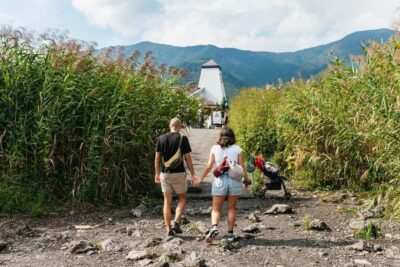 ★ 4.5Mt. Fuji, Kamakura, Big Buddha, & Lake Ashi Day TripFrom $49867 reviews
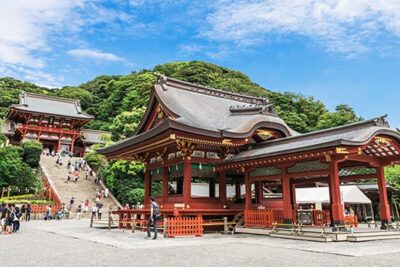 ★ 4.5From Tokyo: Kamakura & Enoshima 1-Day Bus TourFrom $66189 reviews
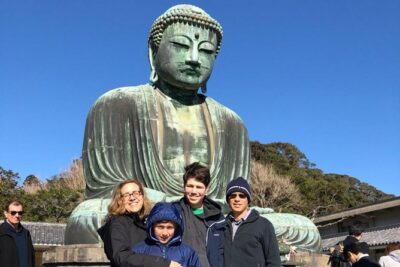 ★ 5.0Kamakura Historical Walking Tour with the Great BuddhaFrom $98129 reviews
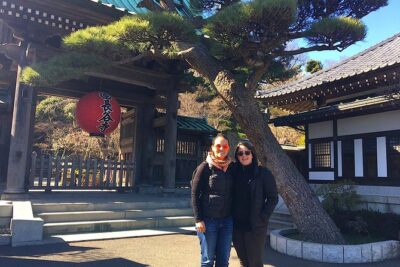 ★ 5.0Kamakura Private Tour: Temples, Nature, and the Great BuddhaFrom $98121 reviews
 ★ 5.0Kamakura Walking Tour – The City of ShogunFrom $35100 reviews
 ★ 5.0Kamakura 8 hr Private Walking Tour with Licensed Guide from TokyoFrom $20180 reviews
 ★ 4.1Kamakura & Enoshima Day Tour with Pickup & Train RideFrom $1361 reviews
This tour also belongs to