
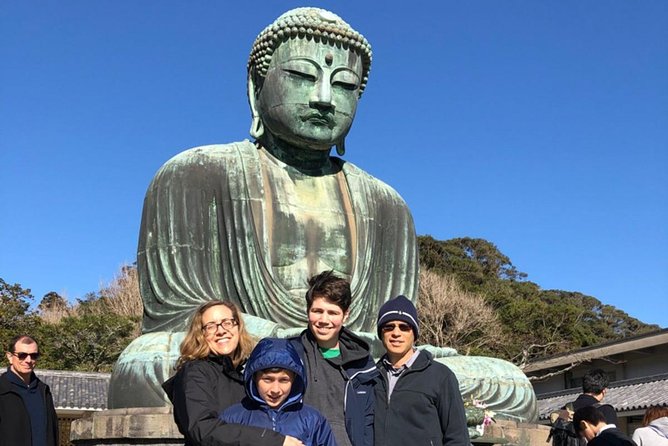
Review · KAMAKURA DAY TRIPS
Kamakura Historical Walking Tour with the Great Buddha
Kamakura feels different when you walk it. This 5-hour small-group tour strings together Tsurugaoka Hachimangu Shrine and the Great Buddha at Kotoku-in with food stops and a guide who explains what you’re seeing as you go. It’s a smart way to get a day out of the old capital without turning it into a chaotic map hunt.
I especially like that entrance fees and snacks are included, so you spend less time budgeting in your head and more time enjoying the sights. The included vegetarian temple lunch at Hasedera also makes the day easier than trying to line up food between temples.
One consideration: you’re walking and hiking for around 5 km total, with some slippery trail sections. Wear grippy shoes, bring water and a towel, and expect a slightly active day.
Key highlights worth planning around
- Small group size (max 7): easier pace control, more time to ask questions, less crowd stress.
- Snacks on Komachidori: street-food sampling early so you’re fueled before the bigger temple stretches.
- Temple lunch included: vegetarian and vegan menu options are available, but choices can be limited.
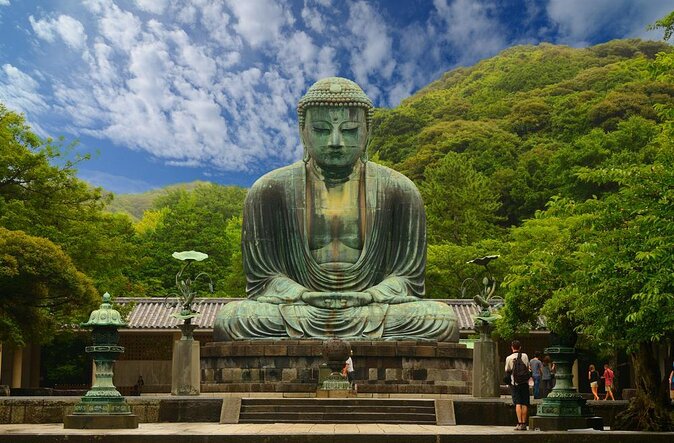
- Great Buddha plus coastal stops: Kotoku-in first, then Yuigahama for beach-and-view photo time.
- Weather backup plan: if hiking trails are unusable, the Great Buddha visit shifts by train.
- Mobile ticket and included photos: less admin, and you get help documenting the day.
Why this Kamakura walk makes a short day feel complete
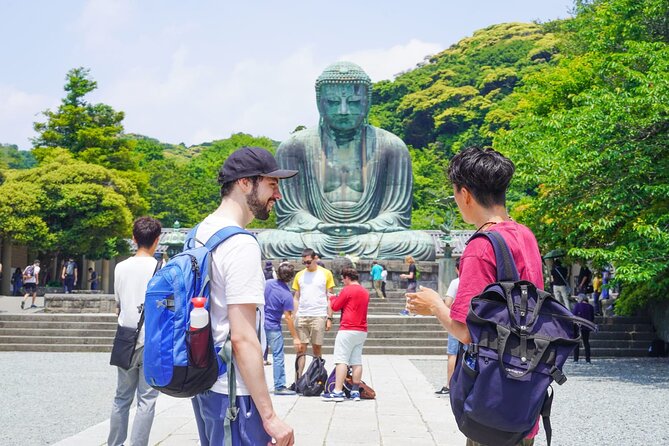
Kamakura is the kind of place where the details matter. A “quick hits” plan can leave you staring at gates and hoping the story matches the view. On this tour, you get a guided path through the main spiritual stops, plus the shopping street energy and the coast, all tied together into one logical loop.
You start in central Kamakura, then move step-by-step through the kind of spaces that define the town. You’ll cover shrines, temples, and viewpoints without having to constantly re-check what’s nearby. That alone is value for a first-timer in the Tokyo area, or for anyone who wants a calmer day trip.
It also helps that the tour is built around manageable chunks of time. Each stop is long enough to look around, take photos, and absorb a bit of context before moving on.
You can also read our reviews of more walking tours in Kamakura
Price and value: what $98.44 actually buys you
At about $98.44 per person for a roughly 5-hour experience, the value hinges on what’s included. Here’s the practical breakdown:
- Entrance fees included for the Great Buddha (Kotoku-in) and Hasedera Temple.
- Snacks included, specifically food samplings on Komachidori.
- Lunch included at the temple area, with vegetarian choices and vegan options available.
- Photos included, which saves you from asking strangers or constantly switching between sightseeing and your camera app.
- A certified guide leads the whole day.
You’ll still want to budget for what’s not included: additional foods you might crave, and a 440 yen transportation fee. But compared to piecing together temples, snacks, and guided explanations on your own, this price feels aimed at making the day easy.
For many visitors, the real win is not the math. It’s that your time gets spent walking and looking, not figuring out which ticket to buy when, and whether the place is worth the detour.
Getting started: the 10:00 am meet-up and why being early matters
The tour meets at the clock plaza area by JR Kamakura Station, West Exit (Onarimachi). The start time is 10:00 am, and the day runs from there back to the same meeting point at the end.
This matters more than you’d think. A walking tour works like a chain. If you start late, you shift everyone’s pace, and you lose some of the relaxed time at each stop. The operator specifically notes that they must start on time, so I recommend arriving a few minutes early and getting your bearings before the group forms.
Good news: the meeting spot is near public transportation. That’s useful if you’re arriving from Tokyo, Yokohama, or another coastal base station and you want to keep the morning simple.
Stop 1: Komachidori street food, a fast way to warm up your senses
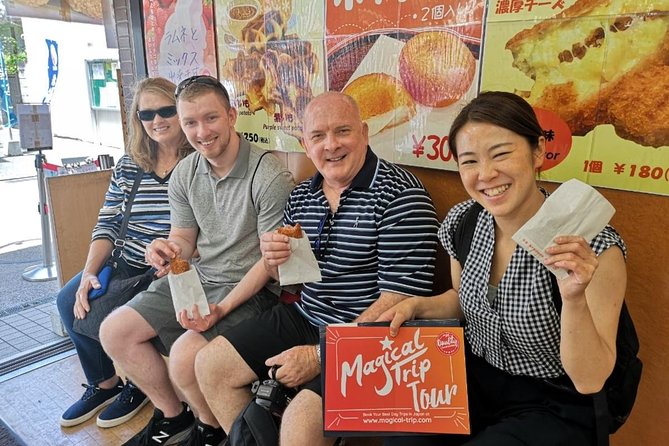
You’ll begin on Komachidori, the lively shopping street that runs parallel to Wakamiya-Oji Street. This is not the quiet temple entrance phase. It’s the “you’re in Japan and people are snacking” part of Kamakura.
You’ll get street-food samples here, which is a smart move early in the tour. You’re about to do several temple stops and a hike-like stretch, so eating before you start climbing and walking helps a lot.
What I like about starting here is the context. Komachidori puts you in the real rhythm of Kamakura. Even if you don’t buy everything, you get a feel for local sweets and snacks, plus the busy pedestrian flow that defines the area.
Tip: if there’s any snack you really like, the tour includes samplings, but you can still purchase additional food on your own afterward.
Stop 2: Tsurugaoka Hachimangu Shrine and the etiquette you can actually see
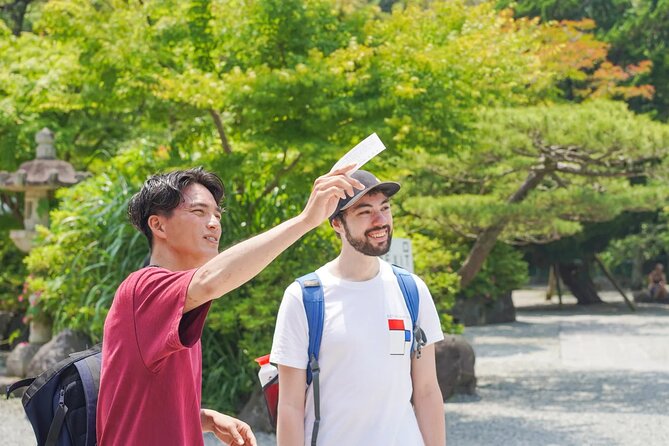
Next up is Tsurugaoka Hachimangu Shrine. This is one of Kamakura’s most important shrine sites, and the tour uses the visit to bring you into the “how Japanese shrine life works” layer, not just the postcard layer.
You’ll spend about 30 minutes here, with admission included. In a shorter visit, it’s easy to only glance at the main buildings and miss the flow. With a guide, you get a better sense of how to move through a shrine space respectfully, and what features are meaningful.
This stop is also a good reset. After the street food energy, the shrine space feels calmer, with more time to slow down and look at details like pathways, structures, and the overall layout.
You can also read our reviews of more historical tours in Kamakura

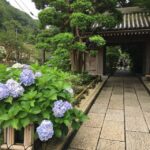
Stop 3: Hasedera Temple for coastal views and old-school atmosphere
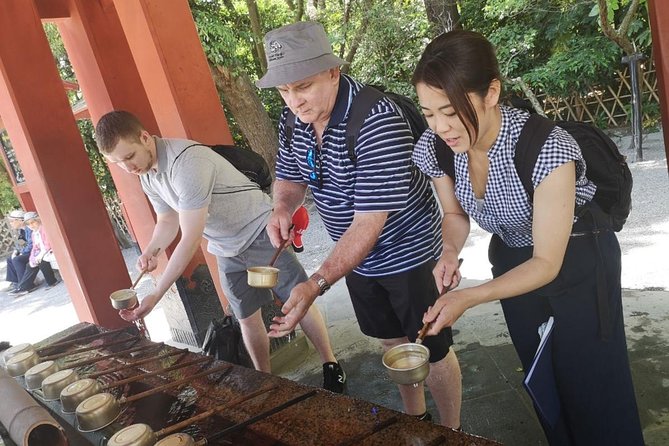
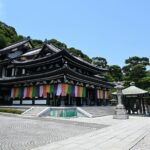
Then you head to Hasedera Temple, one of Kamakura’s standout temple experiences. You’ll spend about 50 minutes here, and admission is included.
The star of Hasedera is the scenery. The temple sits above and around viewpoints with coastal views. You also get a sense of the place as more than a single hall or main gate. It’s a temple complex where the walk between spots is part of the experience.
One of the reasons this stop earns high satisfaction is that it gives you variety. You’re not only looking at shrines and statues. You’re seeing garden paths and stepping into a quieter rhythm, with ocean scenery in the background.
Practical note: since you’re on foot for the day anyway, plan to slow your pace slightly here. Take photos, but also pause long enough to enjoy the view without feeling rushed.
Stop 4: Kotoku-in (Great Buddha) for the main sight, not the last-minute photo
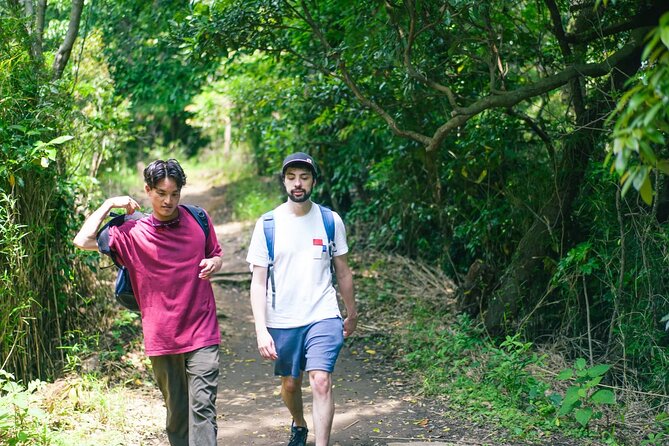
The big headline is Kotoku-in, where you’ll meet the Great Buddha of Kamakura. You’ll have about 40 minutes, and entrance is included.
This stop is the anchor of the entire day trip. The trick is pacing it so it feels meaningful. If you treat it like a quick checkpoint, you’ll miss the scale and the atmosphere that make the Great Buddha such a classic.
What’s useful here is that the tour frames it in a way that helps you understand why this statue matters in Kamakura. You also get enough time for the usual photo angles without feeling like you’re sprinting.
In rain or bad trail conditions, there’s an important backup plan. The tour notes that they may use train to see the Great Buddha statue instead of using the hiking trail. That means you still keep your main goal even when the weather turns.
Passing Enoshima Island, then heading for Yuigahama Beach photos
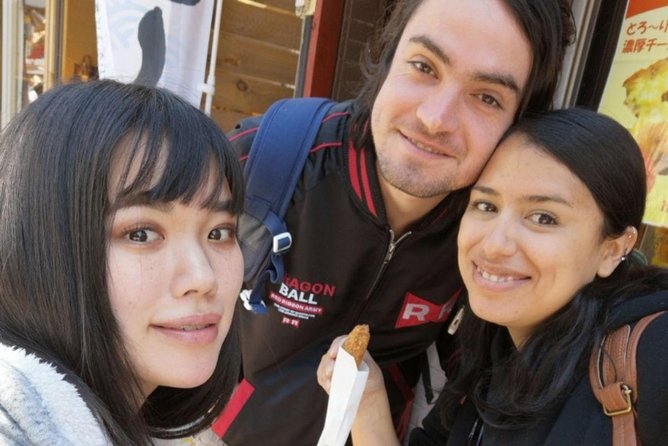
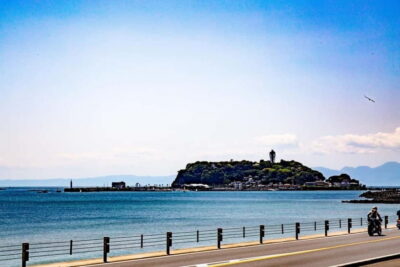
After Kotoku-in, you’ll pass by Enoshima Island on the way toward the coast. You don’t stop there for a full visit in this tour format, but the passing moments help you connect the dots between Kamakura’s temples and the wider coastal scenery.
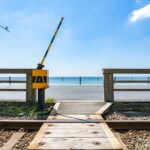
Then comes the fun photo phase: Yuigahama Beach. You’ll have about 20 minutes, and admission is free. You get a chance to step out into the sand-and-sea setting, including views toward Mt. Fuji across the ocean when conditions allow.
Following that, you’ll also have another short 20-minute photo stop around Kamakura Seaside Park (Yuigahama area). It’s built for those “one last look” moments, where you can grab a wider shot of the shoreline and sailboats, or just sit for a minute and let the walking day catch up to you.
If you care about photos, this is where you’ll want to be ready. Bring your phone battery and take advantage of the light. Beach weather can change quickly, so don’t wait too long to capture the best angle.
The walking plan: distances, slippery parts, and smart comfort gear
This is a walking tour with real movement. The day is around 5 km of walking and hiking, and the hiking trail portion is about 2.5 km. Some sections can be slippery, especially with moisture.
The operator asks you to wear suitable hiking clothes and shoes. I strongly agree. You don’t need serious mountaineering gear, but you do need grippy soles. Flip-flops and worn-out sneakers are a bad idea.
Also bring water and a towel. It’s a practical instruction, not fluff. Even in comfortable weather, temple steps and coastal paths can drain you.
One more thing: routes can change if trails are unusable due to weather. In rain, they plan to switch to trains for the Great Buddha portion. So you’re not fully dependent on one walking trail being perfect.
Finally, Japan’s weather can be extreme in both directions. The tour notes summer highs around 40°C and winter lows around -5°C. If you’re visiting in shoulder season, pack layers. If you’re visiting in peak heat or peak cold, plan like you’re in the outdoors, not just city sightseeing.
Lunch at the temple: vegetarian and vegan, with realistic expectations
Lunch is included, and it’s at the temple (described as Temple Lunch, with vegetarian and vegan menu options available). This is a big convenience for most visitors.
There’s a key reality check though: the tour specifically states that vegetarian choices are available but limited, because many Japanese restaurants are not set up to offer fully extensive vegetarian menus. Also, they can’t guarantee allergy-free food since food is prepared in kitchens not operated by the tour provider.
So if you have a serious allergy or complex dietary restrictions, don’t assume perfect substitutions will always be possible. The best approach is to communicate clearly before the day starts, and keep expectations flexible. The operator says they will make every effort to compensate at different stops if substitutions are not possible.
The good news is that the tour does think about dietary needs in advance by offering vegetarian and vegan options. For most people, that turns lunch from a stress point into a steady part of the itinerary.
Photos included, plus a guide who helps you interpret what you see
You’ll also get photos included. That’s handy because many temple moments involve crowds and quick angles. If someone else handles the camera timing, you can focus on looking and enjoying instead of turning your day into a selfie marathon.
The guide factor is a major theme in the experience. In past groups, guides such as Isao, Mark, Ken, Fujii, and Yoko have been praised for friendliness, attentiveness, and patience. One recurring benefit is that the guide doesn’t just talk at you, they answer questions, including cultural etiquette.
That question-and-answer time can be more valuable than you expect. Shrine manners, what to look for, and how to behave in sacred spaces are exactly the kind of things you can misunderstand if you’re self-guiding.
Also, some guides have helped participants figure out train connections for the ride back toward Yokohama. Even if your route is straightforward, having a person in your corner can save time and reduce stress at the end of a long day.
Who this Kamakura tour is perfect for, and who should choose differently
This tour fits best if you want:
- A first-time day trip from Tokyo or the greater Tokyo area, with major sights efficiently covered
- A small-group experience that doesn’t feel like a conveyor belt
- A structured walk that includes snacks and temple lunch so you’re not constantly hunting for food
- A mix of spiritual sites and coastal scenery, including photo time at Yuigahama
You might want a different plan if:
- You hate walking on slippery terrain or you’re unsure about your footwear
- You need very strict dietary guarantees, especially allergy-free meals
- You want a long, independent roam time where you set every pace yourself
For most people, though, the “guided, paced, included meals” setup is exactly what makes Kamakura feel easy.
Should you book this Kamakura Historical Walking Tour with the Great Buddha?
I’d book it if you want a smart, organized Kamakura day that hits the big targets without turning into a stress test. The standout value is the bundle: entrance fees, snacks, and temple lunch are covered, and you get guided context for the shrine and temple highlights. Add the small group size and the built-in rain fallback around the Great Buddha, and it’s a solid choice for a short trip.
Before you go, do two things: wear real shoes, and bring water. If you’re ready for a walk, this tour helps you enjoy Kamakura for what it is, not just what it looks like.
FAQ
How long is the Kamakura Historical Walking Tour?
It runs for about 5 hours.
What’s included in the price?
Entrance fees for the Great Buddha (Kotoku-in) and Hasedera Temple, temple lunch (vegetarian, with vegan menu available), Komachidori snack samples, photos, and a certified guide are included.
Is transportation included?
No. Transportation is not included, and the tour notes a 440 yen transportation fee.
What should I wear for this tour?
Wear suitable hiking clothes and shoes. The walking trail can be slippery on some parts.
What happens if it rains?
If rain makes hiking trails unusable, the tour uses train to see the Great Buddha statue instead of using the hiking trail.
How much walking should I expect?
Expect around 5 km of walking and hiking total. The hiking trail portion is about 2.5 km.
What is the cancellation policy?
You can cancel for a full refund up to 24 hours in advance of the experience start time. If weather is poor and the tour is canceled, you’ll be offered a different date or a full refund.
More Walking Tours in Kamakura
More Tours in Kamakura
More Tour Reviews in Kamakura
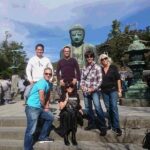
Not for you? Here's more nearby things to do in Kamakura we have reviewed

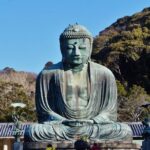
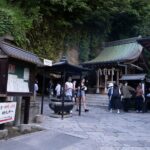
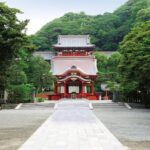
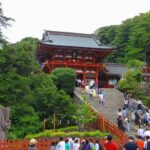

Kamakura Day Trips, side by side.
 ★ 4.5Kamakura & Enoshima Day Trip including Temple TicketsFrom $581,375 reviews
 ★ 4.5Mt. Fuji, Kamakura, Big Buddha, & Lake Ashi Day TripFrom $49867 reviews
 ★ 4.5From Tokyo: Kamakura & Enoshima 1-Day Bus TourFrom $66189 reviews
 ★ 5.0Kamakura Private Tour: Temples, Nature, and the Great BuddhaFrom $98121 reviews
 ★ 5.0Kamakura Walking Tour – The City of ShogunFrom $35100 reviews
 ★ 5.0Kamakura 8 hr Private Walking Tour with Licensed Guide from TokyoFrom $20180 reviews
 ★ 4.1Kamakura & Enoshima Day Tour with Pickup & Train RideFrom $1361 reviews
 ★ 4.8Kamakura: Private Guided Walking Tour with Local GuideFrom $10660 reviews
This tour also belongs to