
Review · KAMAKURA DAY TRIPS
Tokyo Yokohama Night View Tour With Kamakura And Enoshima
Old trains, anime stops, and harbor lights.
This is a 10-hour day that strings together three very different moods, with the Enoden ride and the real Slam Dunk railroad crossing at Kamakura Koko-Mae right at the front of the lineup. I like how the schedule gives you classic coastal nostalgia in the morning, then layers in shrine time on Enoshima, and ends with a Yokohama night view you can explore at your own pace. One watch-out: the day runs full, so if you want a long, relaxed chunk of Yokohama, the time can feel tight.
You start from Tokyo MODE GAKUEN at 11:00am, ride coaches between areas, and do a fair amount of walking. Expect a shared-group pace with a live guide speaking English, Japanese, and Chinese, and plan for possible late returns if traffic or weather throws things off.
Key moments that make this tour worth considering
- Enoden train nostalgia plus ocean views along the Shonan Coast
- Slam Dunk crossing photo stop at Kamakura Koko-Mae Station
- Enoshima Island shrines including the Money-Washing Water Dragon Shrine
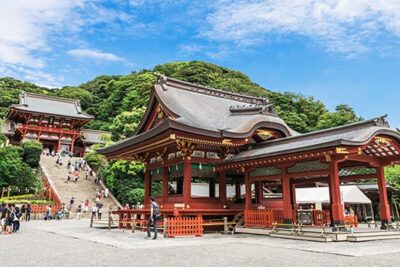
- Kamakura highlights at Tsurugaoka Hachimangu Shrine and Komachi Street
- Yokohama night flexibility with guided time and extra free time afterward
- Group-tour pacing that can feel fast if you hate rushing
How the day runs, from Tokyo departure to Yokohama night views
This tour is built like a coast-to-city loop. You leave Tokyo at 11:00am from Tokyo MODE GAKUEN (1-7-3 Nishi-shinjuku, Shinjuku-ku), then the day moves in a steady line: Tokyo area to coastal stops, then down to Kamakura, then onward to Yokohama after sunset.
You’ll spend chunks of time on buses between areas, plus time actually walking and sightseeing. That matters because the day is not slow and scenic, it’s efficient. If your travel style is more chill, this is the one place where you may feel the schedule squeeze.
It’s also a good plan for first-timers because the logistics are handled for you. Pick-up and drop-off are included at a designated point, and you get a live guide plus a driver. Still, keep your expectations realistic: this is a shared group format, so the pace and timing are set for the group, not for your personal sightseeing wishlist.
You can also read our reviews of more tours and experiences in Fujisawa.
Enoden train nostalgia and the Slam Dunk railroad crossing
The heart of this tour for anime fans is the stop at Kamakura Koko-Mae and the short ride segments around it. The Enoden Line is part of why this day feels different from a typical shrine and city day. The train has that old-style clatter and a local rhythm, and you get ocean-adjacent views that make the ride feel like more than just transport.
At Kamakura Koko-Mae Station, you step out for the specific railroad crossing that shows up in Slam Dunk. You’ll likely recognize it immediately, even if you’re not trying to. I like that you’re not just told about the location, you’re given actual time to look, photograph, and orient yourself.
What to know: this section is short, so you’ll want to be ready to move. If you’re going for crisp photos, aim to have your camera set up quickly and choose where you want your shot before the group fully bunches up.
Also, you’ll do a train hop again later, so you get more than one taste of the Enoden. That repetition helps if you want the vibe, not just a quick snapshot.
Enoshima Island, the shrine climb, and the Money-Washing Water Dragon Shrine
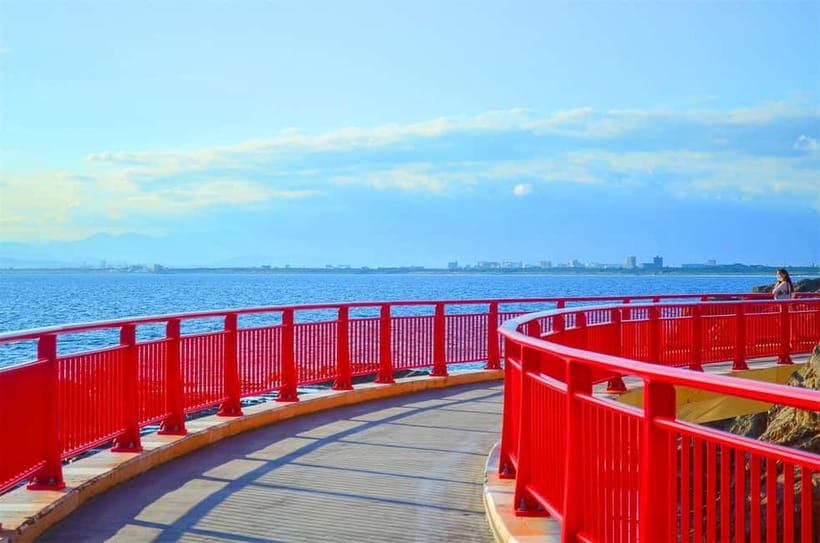
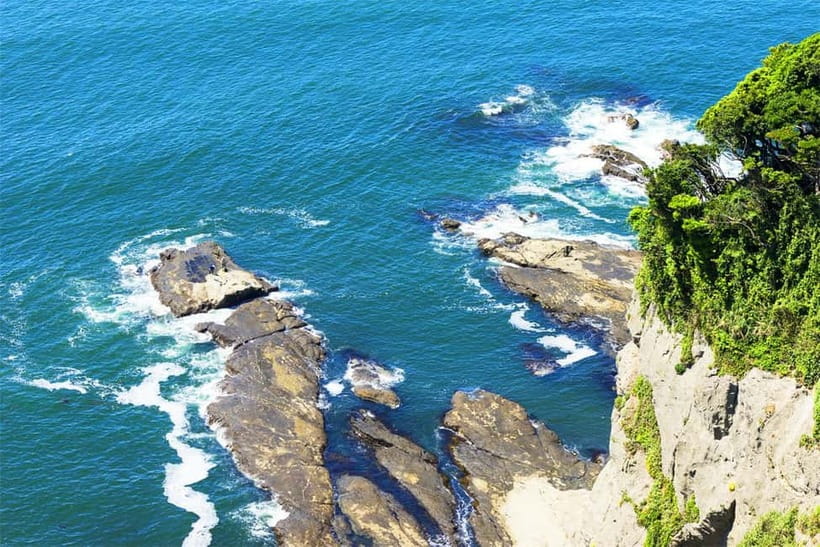
After the Kamakura area, the day shifts to Enoshima Island, where the atmosphere changes fast. You cross over toward the island, and the scenery leans coastal and myth-heavy. Even if you don’t get lost in legends, the setting works: sea views, shrine steps, and a sense that people have been coming here for centuries.
You get a photo stop plus sightseeing time on Enoshima Island, and the centerpiece is shrine visiting. Enoshima Shrine traces back to 552 AD, which gives the visit more weight than the typical quick photo stop. People come here for good fortune and things tied to creativity and even wealth, so you’re seeing the site through a practical lens of what people ask for.
The specific ritual people look for is the Money-Washing Water Dragon Shrine. The idea is straightforward and very “you can try it,” rinsing coins at the water dragon area for prosperity. If that kind of custom interests you, this tour gives you a chance to take part in a real local practice rather than just reading about it.
Potential drawback: Enoshima is not a sit-and-sip kind of stop. There can be stairs and walking. Wear comfortable shoes and plan for your legs to feel it by the time you circle back to the train.
Tsurugaoka Hachimangu Shrine: samurai roots and respectful walking
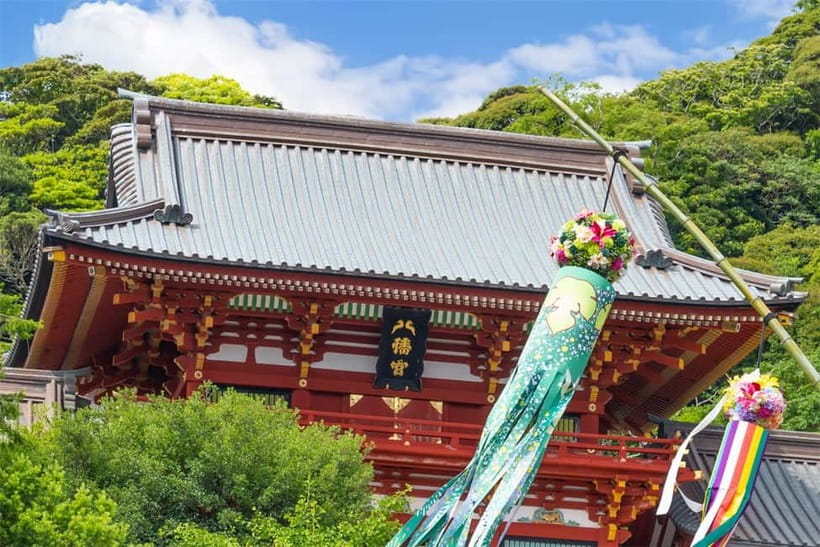
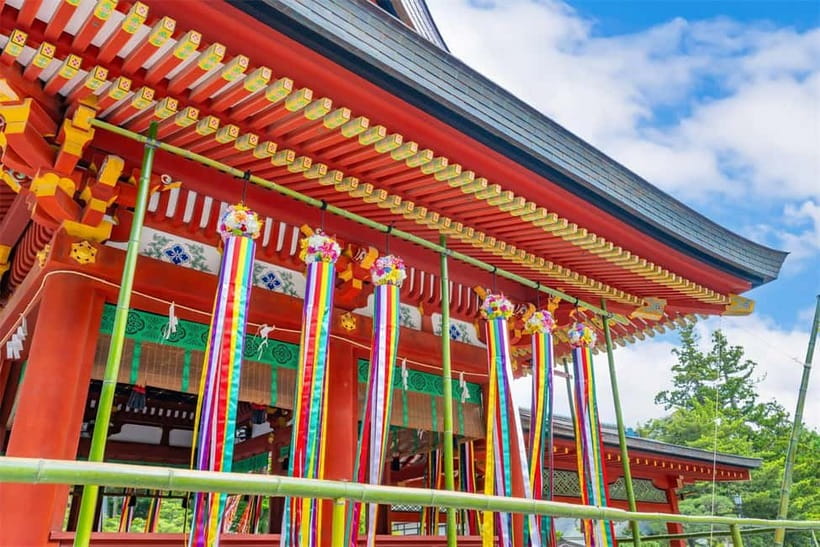
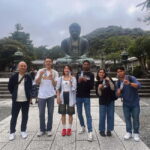
Kamakura is shrine country, and this tour makes Tsurugaoka Hachimangu Shrine the formal highlight. It’s guided time with a photo stop and a visit, so you get a structured introduction rather than wandering with no context.
The shrine is tied to samurai history and is one of Japan’s Three Great Hachiman Shrines. That matters because it explains why the place feels important even when you’re just moving through courtyards and approaching gates. You’re not only seeing architecture and scenery, you’re seeing a site with long-running cultural weight.
How I’d plan your mindset: don’t rush your look at the main approach areas. Even with a schedule, you’ll want a slow moment to notice details like the layout and how the space funnels you forward. A few extra minutes of attention here makes the experience feel more meaningful.
If you tend to enjoy guided explanations, this portion is where they can help you connect the dots. If you don’t, you’ll still get the core sights, but you may notice the tour’s timing more.
Komachi Street: snacks, souvenirs, and a practical break
Between the big shrine and the next transport leg, you get time on Komachi Street. This is one of those lanes where you can switch gears. You’re no longer in “main shrine mode,” you’re in everyday town mode, with small shops and food snacks.
Komachi Street is a good spot to do two things fast: a snack break and low-pressure browsing. Since meals aren’t included, being able to grab something here is a real advantage. Even if you only pick one snack and one small souvenir, you’ll feel more like you had a day in Kamakura, not just stops on a bus route.
Timing note: this is break time with free exploration. That flexibility helps, but it also means you’ll want to choose your priorities quickly. If you wait too long, the group will move on and you’ll be stuck with a rushed decision.
Cash helps here, and it’s another reason to bring some yen.
Yokohama after sunset: guided time plus choose-your-own night
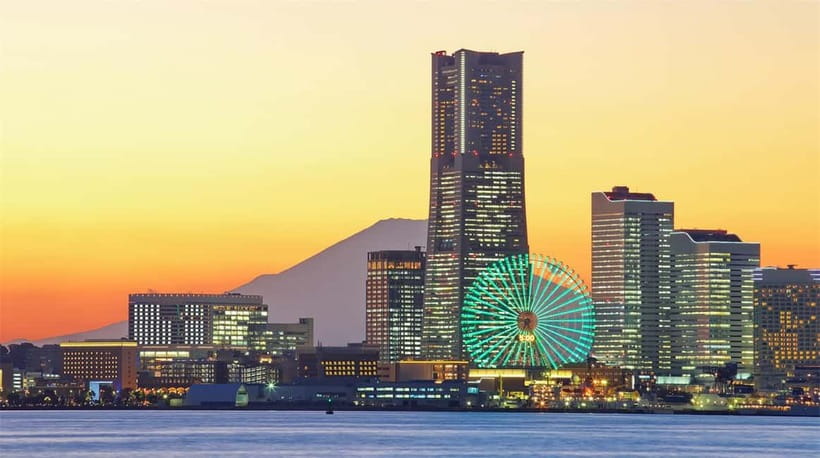
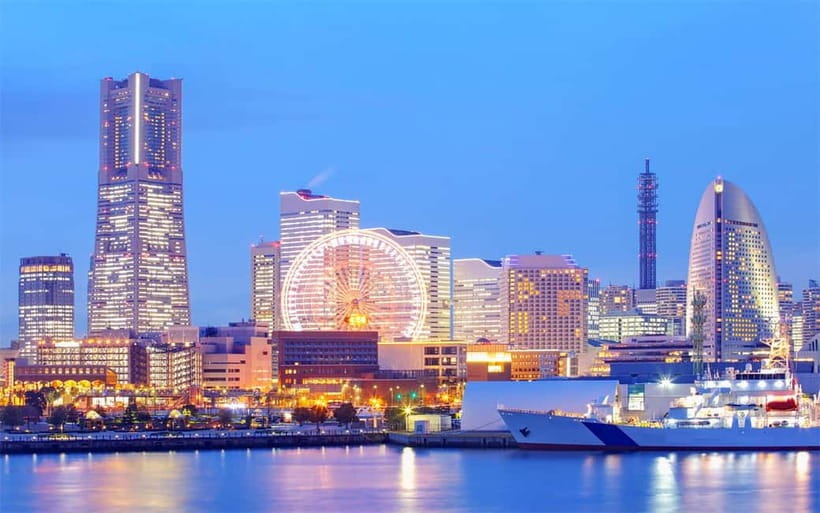
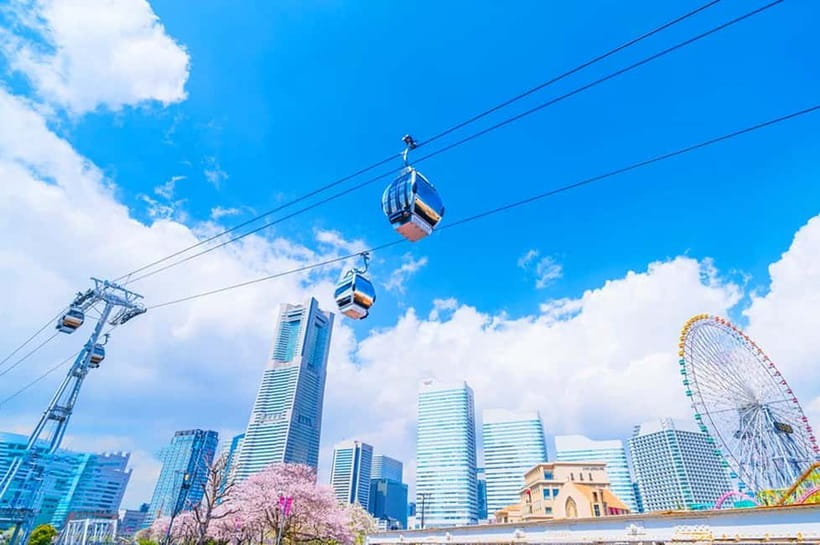
By the time you reach Yokohama, the tour changes from “guided sightseeing” to “night viewing with options.” You get a guided tour time and then extra photo stop time around the Yokohama Red Brick Warehouse area.
This is where the day can either feel like a win or like it’s too short. The plan includes free time in Yokohama for exploring at your own pace, which is a great way to decide what you like most. You might focus on harbor views, wander near the warehouse area, or do photo stops in the modern streetscape.
Two specific optional things are called out as not included in the price:
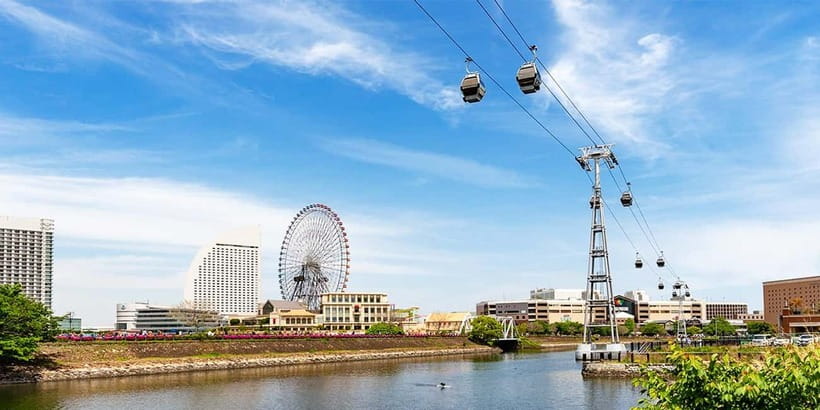
- Yokohama Air Cabin (ferris cabin)
- The ferris wheel experience for panoramic night views
If night views are your top priority, you’ll probably want to budget extra. If you want a lighter evening, the Red Brick Warehouse area alone can fill the time with cafés, shops, and seasonal events.
One practical tip: Yokohama is larger than it looks on a map. With a fixed tour window, use your phone to mark where you want to be when free time begins, then move in a direct line.
Also, the tour can run late due to bad weather, traffic, or holiday congestion. That matters for night plans. Keep your evening schedule flexible when possible.
Transport time vs sightseeing time: what the schedule feels like
This is a 10-hour tour, and that number tells you everything. You’re spending real time on buses and coaches between Tokyo, Kamakura, Enoshima, and Yokohama. That’s normal for this geography, but it is also the main reason some people feel the tour is rushed.
The best way to judge fit is to ask yourself what you enjoy more:
- If you like seeing multiple areas in one day and you don’t mind moving on, this works.
- If you hate coach time and want unhurried stops, you might feel squeezed.
The good news is the included Enoden train ride helps break up the bus monotony. You also get free exploration blocks at Kamakura and Yokohama, which helps you control how long you linger where you care most.
On top of that, your guide is there to manage pacing and explain what you’re seeing. In past feedback, the guide quality has been a highlight, especially when the guide is named Ko, praised for being informative and caring. When the guide is sharp, the experience feels far more than transportation plus photo stops.
Price and value: why $82 can still be a smart move
At $82 per person, you’re paying for a full day of coordination across multiple regions, a live multi-language guide, and pick-up and drop-off. You’re also getting admission for the Enoden train ride, which is a key element that would cost extra if you planned it solo.
But the real value question is this: do you like packed days? If you do, the price starts to make sense quickly because you’re effectively buying three things at once:
1) Guided shrine and street time
2) A real Enoden train segment
3) Yokohama night access with free-choice exploration time
If you’re hoping for a slow, two-part coastal weekend vibe, this is not that. In that case, you might prefer splitting the trip into separate days so each area gets breathing room, especially Yokohama.
You also need to budget for your own meals and optional attractions. Meals are not included, and the Air Cabin and ferris wheel are not included. Plan on at least one snack stop and possibly dinner on your own.
Small practical tips that make a big difference
This tour asks you to move, so pack for comfort, not fashion. Bring comfortable shoes, a camera, sunscreen, and water. There is also a rule against eating in the vehicle, so plan your snacks for during breaks or before boarding.
Credit cards might not work everywhere, so bring some cash. That’s especially relevant for Komachi Street shops and snack counters, plus any small purchases around Enoshima and Yokohama.
Before you go, you’ll get an email the day before your trip, before 21:00 Japan time, with your pick-up time, tour guide details, and car plate information. Read that message carefully so you’re not hunting for the right meeting point.
Finally, this tour is not suitable for wheelchair users. If mobility is an issue, double-check how much walking you can handle across multiple areas and steps.
Who this tour fits best, and who should consider something else
This tour is a strong match for you if:
- You want an easy way to combine Kamakura, Enoshima, and Yokohama in one day
- You’re interested in shrine culture and also want street time on Komachi Street
- You’re an anime fan who wants to see the Slam Dunk crossing in person
- You like using free time to choose what you care about most
It’s not the best match if:
- You prefer slow travel and long stays in one area
- You strongly prioritize Yokohama night views and want extra time to build a whole evening
- You dislike coach time and feel your patience short when you’re driving between stops
Should you book this 10-hour night view tour?
If you want a one-day sampler of coastal Japan plus a Yokohama night payoff, I think this tour is worth considering. The Enoden train segment and the Slam Dunk crossing stop give you something specific that feels fun and real, and the Enoshima shrine visit adds depth beyond just scenery.
But book with your eyes open. The day is busy. If you already know you want a longer Yokohama evening or you want fewer rides between stops, you may get more satisfaction by splitting your time into separate day trips.
If you’re comfortable with walking, bring cash, and treat the plan as a fast but well-organized route through iconic places, you’ll likely feel like you got your money’s worth.
FAQ
Is the Enoden train ride included?
Yes. Admission to the Enoden train ride is included.
Are meals included on this tour?
No. Meals are not included.
Does the tour include the Yokohama Air Cabin or ferris wheel?
No. The Yokohama Air Cabin and ferris wheel are not included.
Will there be a lot of walking?
Yes. The tour involves a fair amount of walking.
Do I need cash during the tour?
It’s recommended to bring some cash, because credit cards may not be accepted at certain locations.
Is this tour suitable for wheelchair users?
No. It is not suitable for wheelchair users.
More Tours in Fujisawa
More Tour Reviews in Fujisawa

Not for you? Here's more nearby things to do in Fujisawa we have reviewed
Kamakura Day Trips, side by side.
 ★ 4.5Kamakura & Enoshima Day Trip including Temple TicketsFrom $581,375 reviews
 ★ 4.5Mt. Fuji, Kamakura, Big Buddha, & Lake Ashi Day TripFrom $49867 reviews
 ★ 4.5From Tokyo: Kamakura & Enoshima 1-Day Bus TourFrom $66189 reviews
 ★ 5.0Kamakura Historical Walking Tour with the Great BuddhaFrom $98129 reviews
 ★ 5.0Kamakura Private Tour: Temples, Nature, and the Great BuddhaFrom $98121 reviews
 ★ 5.0Kamakura Walking Tour – The City of ShogunFrom $35100 reviews
 ★ 5.0Kamakura 8 hr Private Walking Tour with Licensed Guide from TokyoFrom $20180 reviews
 ★ 4.1Kamakura & Enoshima Day Tour with Pickup & Train RideFrom $1361 reviews
This tour also belongs to