
Review · KAMAKURA DAY TRIPS
From Tokyo: Kamakura & Enoshima 1-Day Bus Tour
Kamakura feels like a time machine from Tokyo. This bus day trip strings together major temples and shrines, then adds Enoshima’s sea views without you wrestling transit. I especially like the mix of free entry spots plus included temple tickets, and the way your guide keeps it clear and practical while you walk. The main drawback is that it’s a long day, and traffic can stretch the ride back.
You’ll start at Tsurugaoka Hachimangu, hit Kamakura’s famous Buddha and Hase-dera, then finish with Enoshima’s shrine steps and coastal lookouts. It’s built for an efficient overview, not a slow, deep stay in one place. If you hate crowds or high staircounts, you’ll want a plan before you go.
Key things that make this Kamakura and Enoshima day trip work
- Two Tokyo pickup options, so you can join from a convenient central area rather than crossing town
- A guided route that adds context while you move between spots, not just bus logistics
- Included admission for Kōtoku-in and Hase-dera, plus free entry for major stops like Tsurugaoka Hachimangu
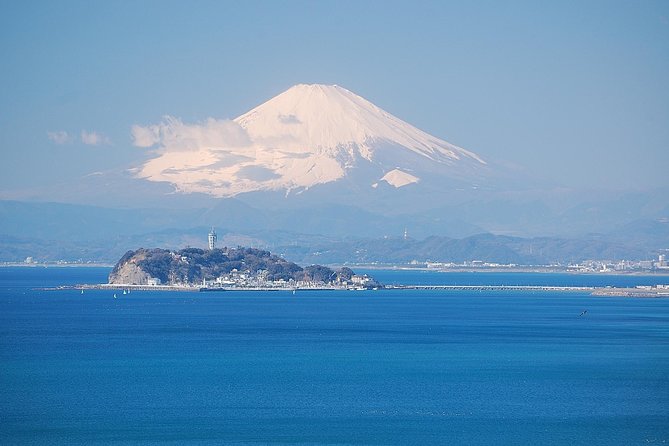
- Enoshima’s panoramic payoff, especially on clearer days when Mt. Fuji can show up in the distance
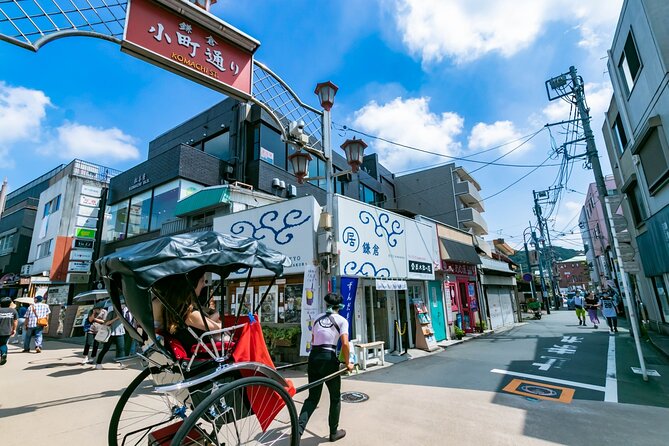
- A balanced day rhythm, with time to shop around Komachi Street and explore Enoshima on your own
- Modern comfort on the road, with multiple reviews calling out clean buses and even USB charging on some departures
A long day trip, but it makes Kamakura simple
Kamakura and Enoshima are popular, so going by yourself can turn into a puzzle: trains, transfers, then finding the right walking routes once you’re there. This tour handles the big part of that effort with roundtrip bus transportation from Tokyo and a guided flow between highlights.
The schedule runs about 9 to 10 hours, which is long enough to feel like a real day out, not a quick taste. You’ll also want to be comfortable with walking. Even though there’s bus time between sights, your day includes temple steps, shoreline paths, and shrine staircases, especially at Enoshima.
My takeaway: it’s a good option when you want the “greatest hits” of Kamakura without spending your whole day planning transit.
More Tokyo tours and experiences for the shortlist
Pickup, timing, and why being early matters
The tour starts at Shinjuku Post Office (near Shinjuku Station West Exit area), and it ends back at Shinjuku. The operator notes you can choose from two centrally located pickup points, but Shinjuku is the clearly listed drop-off.
What matters most: the bus departs on time, with no waiting. Arrive about 10 minutes early and double-check your meeting point on the map. One of the most frustrating things that can happen on a day trip is missing the departure because you walked to the wrong side of a station or showed up late.
Also note the day can shift due to weather, road traffic, and unforeseen conditions. That can affect lunch timing and how crowded the final stop feels. It’s not a dealbreaker, but it’s smart to treat lunch like a flexible plan rather than a fixed appointment.
Tsurugaoka Hachimangu and Komachi Street: start with the vibe
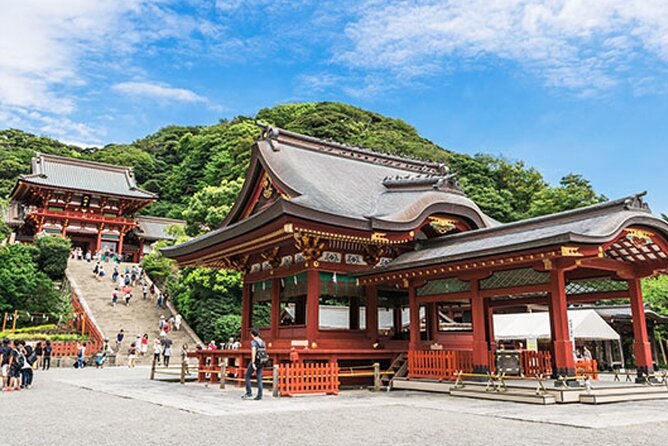
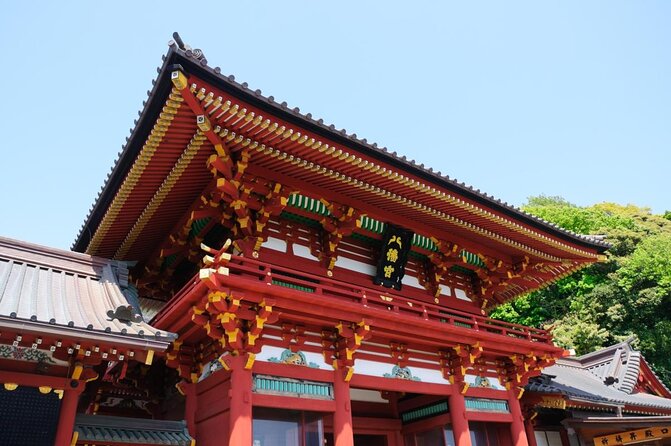
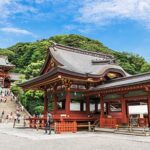
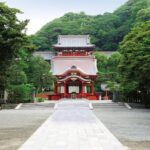
Your first major stop is Tsurugaoka Hachimangu Shrine, Kamakura’s spiritual center. You enter through a grand torii gate, then walk through the shrine grounds, including ponds known for koi. This is a strong opener because the site is both visually calming and historically tied to the samurai-era identity of Kamakura.
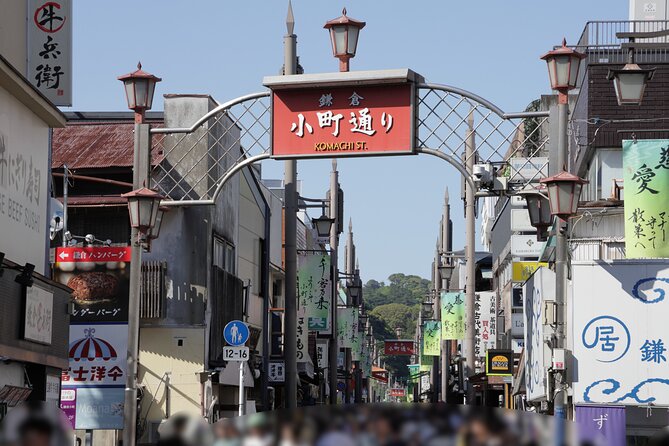
Then you connect to Komachi Street, the shopping strip right near the shrine approach. This is where the day turns practical and fun: snack breaks, small local crafts, and Kamakura-style souvenirs. The biggest value of this part of the day is that it gives you a chance to fuel up early, then do souvenir browsing while your legs are still fresh.
Time on this stop is about 2 hours, and admission is free. That free entry matters because it keeps your day predictable. You get a “big shrine experience” without paying another ticket on top of the tour.
Practical note: Komachi Street can get busy, and there’s a lot to look at. If you’re shopping for specific items, keep an eye on your schedule and return to the meeting point before your group moves on.
Kōtoku-in and the Great Buddha: iconic, but expect crowds and open sky
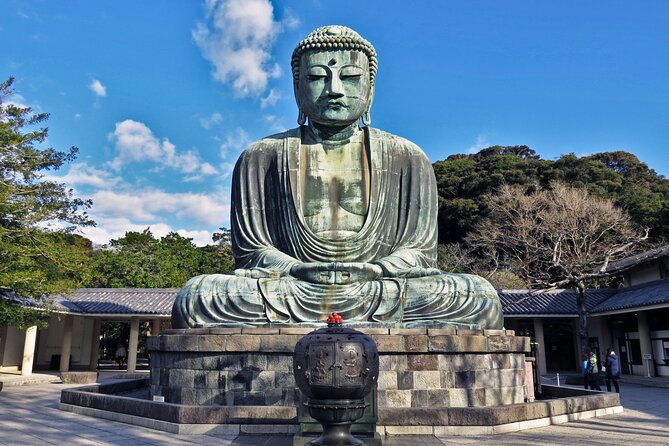
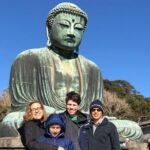
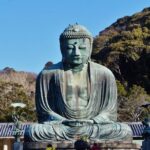
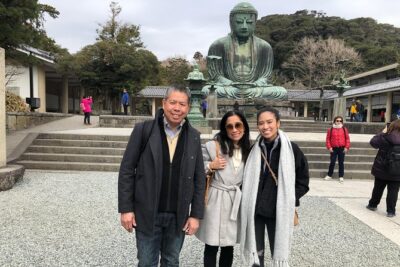
Next up is Kōtoku-in, home to the Great Buddha of Kamakura. The stop is short, about 30 minutes, and admission is included.
This is one of those sights that’s famous for a reason. The bronze Amida Buddha sits in an open-air setting, so the atmosphere feels different from enclosed temple halls. On a sunny day, it’s a clear photographic win, and even on cloudy days you still get that “outdoor monument” effect.
The short timing is a blessing and a curse. It’s efficient, and you get to the next stop without losing the day. But the crowd level can eat into your time. One real-world caution: at busy periods, you might face long waits for small interactions or entry experiences near the Buddha, so manage expectations and don’t plan your entire day around a single moment.
Still, this is a stop that justifies the whole one-day plan. It’s the anchor sight of classic Kamakura.
Hase-dera Temple: the Kannon statue and a very walkable feel
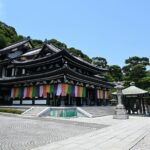
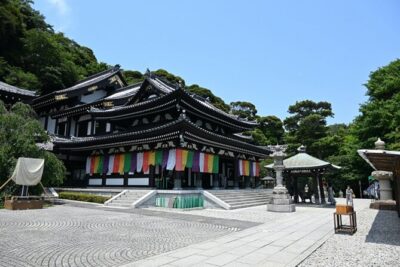
After the Great Buddha, you move to Hase-dera Temple, about 50 minutes with admission included.
Hase-dera is known for its famous eleven-headed statue of Kannon, the goddess of mercy. The statue is large, and the temple setting encourages a slower, more thoughtful walk than the typical “snap a photo and go” routine.
This stop is also where your legs start to notice you’re doing a full day. The temple complex often involves uneven paths and stairs, so wear shoes you can move in confidently. If you’re traveling with people who have limited mobility, this is the point where a slower pace would be hardest to maintain.
The upside: Hase-dera is more than just a single object. It feels like a place to wander through carefully placed scenery, and that’s where a good guide makes a difference. Instead of treating it as a checklist, the guide can help you understand why the statue and temple layout matter.
Enoshima Island: sea views plus multiple shrine moments
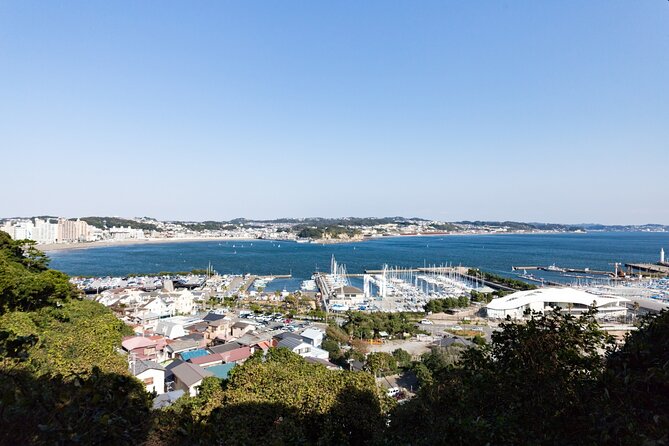
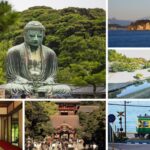
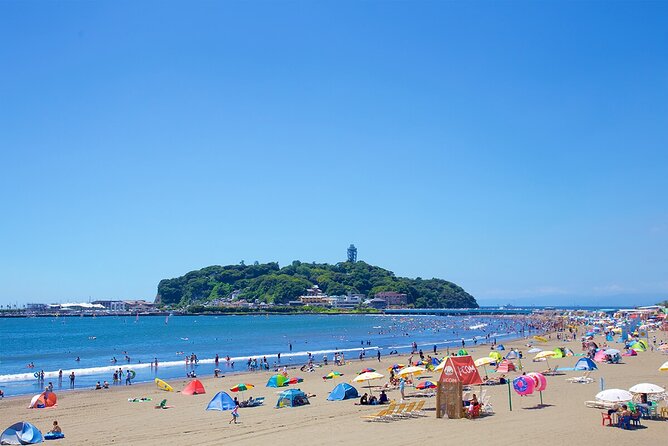
Enoshima is the day’s reward. The final stop gives you about 2 hours on Enoshima Island, and the big headline is the view. On clear days, you can sometimes see Mt. Fuji in the distance.
Even if the weather doesn’t cooperate, Enoshima still works because it blends seaside scenery, shrine worship, and little pockets of exploring. You also get a strong sense of local rhythm, with a narrower shopping street area near a shrine gate and lots of spots to grab snacks or look for souvenirs.
Inside Enoshima, you’ll encounter shrine sites and themed stops such as:
- Benzaiten shrine complex: dedicated to Benzaiten, tied to music, wealth, and wisdom. It includes multiple shrine areas.
- Shirahata Shrine: connected with a pond area called Yanagihara Pond.
- Zeniarai Benten Shrine: famous for coin washing, where the idea is that washing money in the shrine’s spring brings a doubling effect.
- Kamakura Museum of Literature: housed in what used to be a villa, so you can glimpse a different side of the region’s cultural story.
- Samuel Cocking Garden lighthouse area: an observatory lighthouse connected to the garden, with height mentioned in the tour details.
That list is why Enoshima feels like more than a single viewpoint. You can spend your two hours hopping between spiritual stops and photo moments, then finish with the sea air and shopping street browsing.
The main downside is movement. Enoshima can involve a lot of stair climbing and stepping between levels. One practical issue that’s come up is that instructions and signage around stairs and meeting points may be unclear in some situations, which can turn the last portion of the day into a scramble. So treat the final stop as your time to go at your pace, not as a race.
Price and what you really get for $66.05
At $66.05 per person, this tour doesn’t feel like you’re paying extra for luxury. You’re paying for three things you’d otherwise spend time figuring out: transportation, guided navigation, and included temple admissions.
Here’s what’s clearly included:
- Air-conditioned bus
- All fees and taxes
- Entrance fees for Hase-dera and Kōtoku-in
- English/Chinese-speaking guide commentary (the bus may offer both languages depending on participants)
Lunch is not included, which is typical. But it matters because it changes the “effective cost” of the day trip. If lunch ends up being earlier than you expected, you’ll want backup snack options. One adjustment that has happened is early lunch timing when schedules shift, and that can mean some dining spots are closed or limited. You can avoid stress by grabbing a snack during Komachi Street, then treating lunch as a flexible target near Enoshima’s areas once you arrive.
Value verdict: for a one-day sampler of Kamakura’s major sights plus Enoshima’s island time, the price is reasonable, especially because you’re not paying separate tickets for every temple along the way.
Comfort on the bus, and why the group setup matters
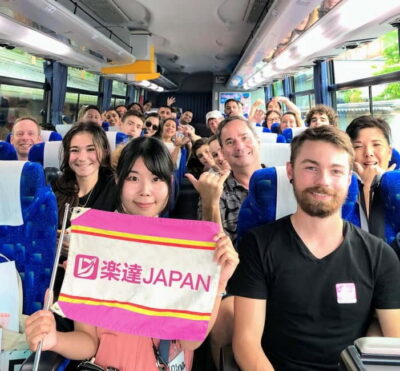
A key detail for people who don’t love the idea of bus days is the group size and seating. The operator caps the tour at 90 travelers. That’s large enough that you’ll feel the day is structured, but small enough that you’re not disappearing into the kind of crowd where nobody knows what’s happening.
The bus itself is air-conditioned, and multiple reports mention clean buses. One review also mentioned a bus with USB charging, which is handy if you like to keep your phone alive for photos and maps.
Still, seating conditions can vary. A few experiences have described older bus setups or less comfortable seat positioning. That doesn’t mean every departure is like that, but it’s a reason to board prepared to adjust and be patient if your seat isn’t perfect.
How I’d plan your day to avoid stress
If you want this tour to feel relaxed, plan like it’s a walking day with one flexible lunch window.
Here are the practical moves that help:
- Wear shoes good for stairs. Enoshima is the place where your feet will talk back.
- Bring a light layer. Temperatures can swing, and you’re outside at shrines and temples for chunks of time.
- Keep valuables with you. The operator allows one piece of luggage per person in the trunk, and items stored there aren’t accessible between stops.
- Bring cash for small purchases. Admission for many stops is free or included, but shops and food are your responsibility.
- If you care about a specific shrine interaction or a very busy moment at the Buddha, don’t schedule your entire mood around it. Crowds can change quickly.
If the day feels like it runs earlier than expected, don’t assume the lunch situation will be identical to your ideal. Aim for snacks at Komachi Street, then treat lunch on your own as a choose-what’s-open situation when you arrive at Enoshima.
Who this Kamakura and Enoshima tour suits best
This is a strong fit if you:
- Want a classic Kamakura highlight day without stitching together transit.
- Prefer a guided overview plus time to explore on your own, especially around Enoshima’s shrines and shopping streets.
- Like learning the “why” behind shrines and temple landmarks, not just taking photos.
It may be less ideal if you:
- Hate long walking days or stair climbing.
- Need a slow, unhurried pace at one site. This tour is designed to cover multiple places in one run.
- Are extremely sensitive to route changes caused by traffic or weather. The tour departs unless notified otherwise, and timing can shift.
Should you book this Kamakura and Enoshima bus day trip?
Yes, if your goal is a well-paced snapshot of Kamakura plus a rewarding Enoshima ending, this tour is a solid pick. The value is strong because the day includes transportation and admission for key temples, while still leaving you enough freedom for shopping at Komachi Street and exploring Enoshima’s shrine-and-sea mix.
My final advice: treat Enoshima as your movement challenge and your main “time in the real scenery,” and treat lunch as flexible. If you do that, you’ll spend the day seeing the right sights without turning it into a stressful logistics exercise.
FAQ
What is included in the $66.05 price?
The tour price includes an air-conditioned vehicle, all fees and taxes, and entrance fees for Kōtoku-in and Hase-dera. It also includes commentary from an English/Chinese-speaking guide, depending on the bus’s setup.
Is lunch included?
No. Lunch is not included in the tour price.
How long is the tour?
The duration is about 9 to 10 hours.
Where do I meet and where does the tour end?
You start at Shinjuku Post Office (near Shinjuku Station). The tour ends at the same location in Shinjuku, and the operator notes Shinjuku is the only available drop-off point.
What temples or sites are part of the itinerary?
The tour includes Tsurugaoka Hachimangu Shrine, Kōtoku-in (the Great Buddha of Kamakura), Hase-dera Temple, and Enoshima Island with several shrine and garden areas.
Does the tour provide guide commentary in English?
Yes. The tour includes an English/Chinese-speaking guide, and commentary in English and Chinese may be provided depending on participant numbers.
More 1-Day Tours in Kamakura
More Tours in Kamakura
More Tour Reviews in Kamakura
Not for you? Here's more nearby things to do in Kamakura we have reviewed

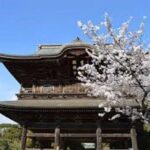
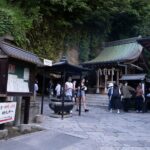
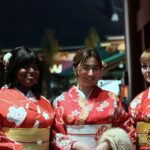
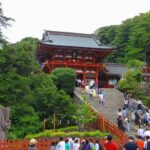

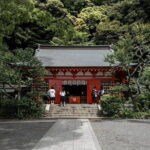
Kamakura Day Trips, side by side.
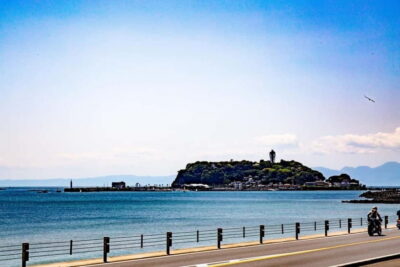 ★ 4.5Kamakura & Enoshima Day Trip including Temple TicketsFrom $581,375 reviews
 ★ 4.5Mt. Fuji, Kamakura, Big Buddha, & Lake Ashi Day TripFrom $49867 reviews
 ★ 5.0Kamakura Historical Walking Tour with the Great BuddhaFrom $98129 reviews
 ★ 5.0Kamakura Private Tour: Temples, Nature, and the Great BuddhaFrom $98121 reviews
 ★ 5.0Kamakura Walking Tour – The City of ShogunFrom $35100 reviews
 ★ 5.0Kamakura 8 hr Private Walking Tour with Licensed Guide from TokyoFrom $20180 reviews
 ★ 4.1Kamakura & Enoshima Day Tour with Pickup & Train RideFrom $1361 reviews
 ★ 4.8Kamakura: Private Guided Walking Tour with Local GuideFrom $10660 reviews
This tour also belongs to