
Review · KAMAKURA DAY TRIPS
Kamakura Private Tour: Temples, Nature, and the Great Buddha
Kamakura hits different on a quiet hillside. This private walking tour strings together temple serenity, ocean views, and serious scale at the Great Buddha, all in about 5 hours. Two big wins for me are the admission included for Jochiji, Kotoku-in (Great Buddha), and Hasedera, plus the way the guide helps you understand what you are actually seeing. The main consideration is the walking, at least 5 km with a mountain pass, so you will want comfortable shoes and you should expect uphill effort.
What makes the experience feel worth it is the pace you can’t get on your own. You start at Kita-Kamakura Station and end at Hase Station, and it is designed to remove the logistics stress while you focus on temples, trails, and viewpoints. I also like the human touch, since guides such as Teiko, Yu, Yumi, Noriko, Naho, and Yoko are repeatedly praised for clear explanations and friendly, thoughtful guidance. If it is rainy or hot, the route and breaks can shift to keep things safe and enjoyable.
Key things to know before you go
- Private pacing: Only your group participates, so you can slow down for photos, questions, or a breather.
- Big-ticket sites are covered: Entrance fees for Jochiji, Kotoku-in, and Hasedera are included.
- Trail time is real: You walk at least 5 km, including a mountain pass.
- A mix of Shinto and Buddhism: You bounce between Zen temples, shrines, and the Great Buddha area.
- Guides matter: Names like Teiko, Yu, Yumi, Noriko, Naho, and Yoko show up often in standout feedback.
- End near the beach: Yuigahama Beach is part of the finale, with ocean-facing views.
How the route flows, from Kita-Kamakura to Hase Station
This tour is built like a hillside circuit: you begin around Kita-Kamakura Station and finish at Hase Station. That end point matters, because you are not dragging yourself back to the same rail stop after you are done with temples and walking trails.
In between, you move from quiet temple grounds into wooded paths and mountain sections. You also get a “Kamakura in one half-day” feel, because the route covers both religion-focused stops and nature views, including a final stretch at Yuigahama Beach.
The other logistics win is the guide’s hand-holding. Even when weather changes things, guides are described as flexible, and several reviews mention help getting back to the right trains. That is the kind of small safety net that really helps if you are visiting Kamakura as a day trip from Tokyo.
You can also read our reviews of more private tours in Kamakura
Included entrance fees and the value of paying once
At $98.44 per person, the price is not just about someone walking with you. A key value piece is that the tour includes entrance tickets for three major stops: Jochiji Temple, Kotoku-in (Great Buddha), and Hasedera Temple.
For many visitors, that is the hardest part to manage on their own. If you self-plan, you have to track which sites charge fees, which ones are open, and how to fit them into a route that makes sense physically. Here, the tour’s backbone already includes the chargeable temples that most people come for.
That said, food is not included. So think of this as a “sightseeing and walking” package, not an all-inclusive meal plan. In practice, it works well if you like choosing a local lunch spot or you want flexibility based on your energy level.
Also, you should plan for some walking-based costs and time buffers. Reviews mention that on bad weather days, the route may shift and small transit costs could come up, so keep some yen handy for buses or trains if needed.
Jochiji Temple in the forest, quiet Zen first
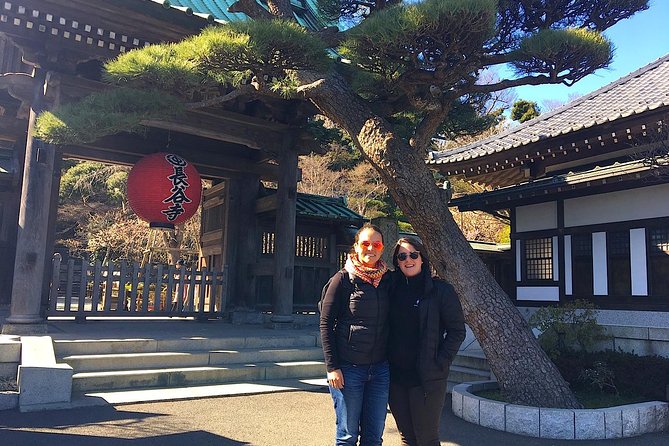
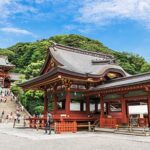
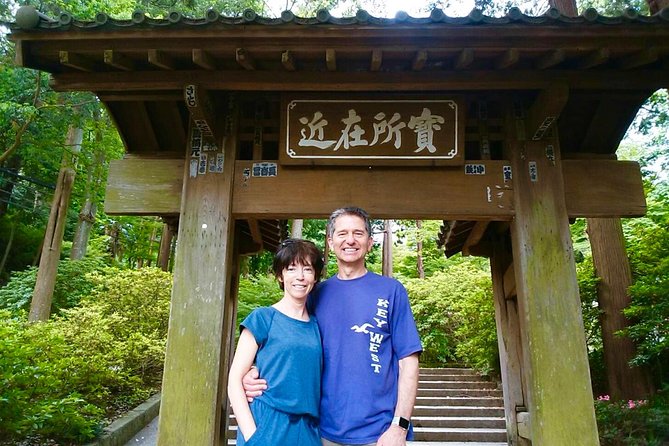
Jochiji Temple sets the tone. It sits in a calm, wooded area, and it is tied to the Kamakura Shogunate story, built in 1281 by Hojo Tokoyori to honor his son who died young. That background turns the stroll into something more than “pretty temple photos.”
You will get about 25 minutes here, which is enough for a slow walk through the grounds without feeling rushed. Jochiji also works as a warm-up for the physical side of the day, since the next sections head into more natural, hill-connected paths.
One practical note: because the area is forested, it can feel cooler or damp depending on the season. Either way, it is a nice early stop before you start climbing more consistently.
Mountain pass hiking, plus the Zeniarai Benten and Sasuke Inari stops
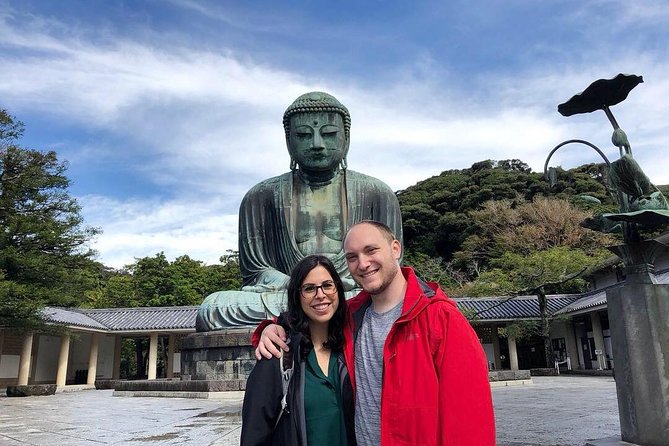
After Jochiji, the tour shifts into nature mode with hiking trail time around the pass, about 40 minutes. This is where you get the Kamakura “not just city sights” feeling, and it is also the part that most strongly tests your stamina.
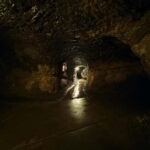
Then you reach Zeniarai Benten Ugafuku Shrine. This stop is memorable because of the Daibutsu Hiking Course connection, including a mysterious hole in the hillside framed by a torii gate. You pass through that opening and reach the shrine space, which creates a sense of discovery that feels very Kamakura.
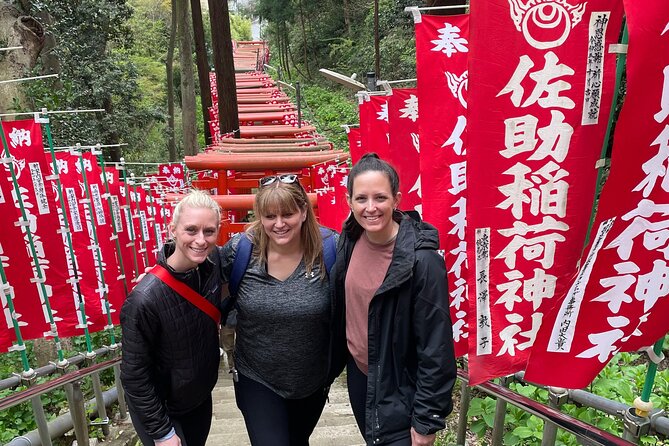
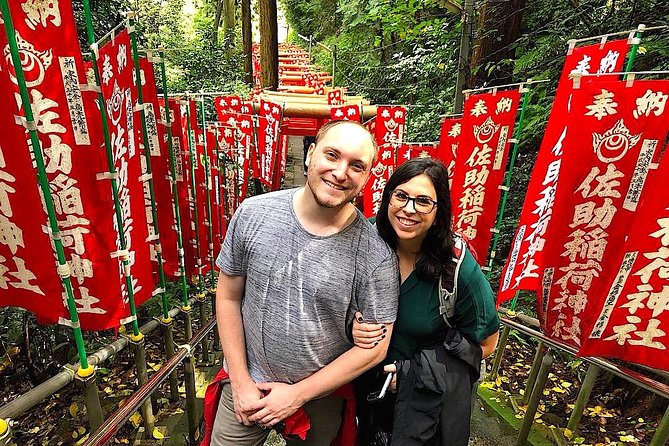
Next is Sasuke Inari Shrine, linked to a legend involving Minamoto Yoritomo and a white fox that guided him in a battle. You spend about 20 minutes here, so it is not a long stop, but it adds variety: one moment you are in mountain trail wonder, and the next you are in shrine storytelling.
These shrine stops are where your guide’s explanation matters most. People repeatedly praise guides for explaining Shinto and Buddhism differences in ways that make the places feel logical, not random. If you like religion-as-culture rather than religion-as-a-museum, this section is a highlight.
Kotoku-in Great Buddha, how to enjoy 20 minutes of big scale
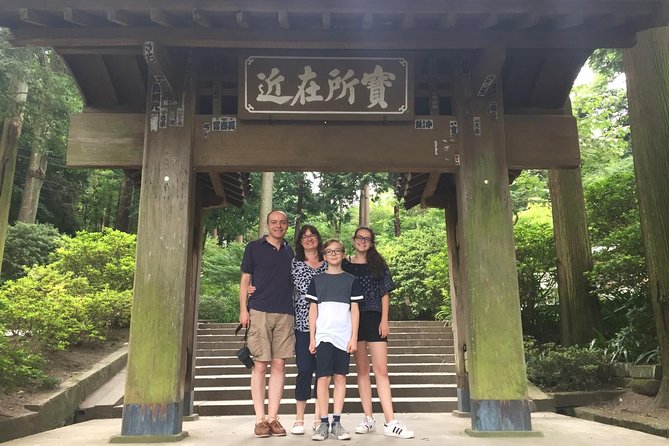
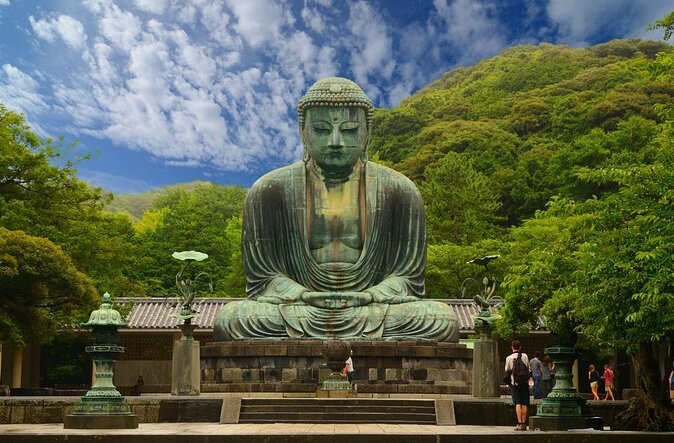
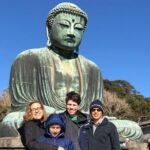
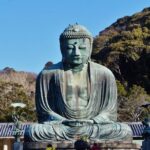
Kotoku-in is the star for a reason. The Great Buddha stands about 13.35 m tall and the bronze statue dates from 1252, making this one of the largest Buddha statues in Japan. You do not need long here to appreciate the scale, but you do want to see it from more than one angle.
You have about 20 minutes at Kotoku-in, which forces a good rhythm. You likely will look up, walk around a bit, and then take a breather before continuing. It helps that the tour includes the entrance ticket, so you do not have to stop planning mid-hike.
One thing I appreciate about putting Kotoku-in in the middle of the route is contrast. Before it, you are on trails and smaller shrine moments. After it, you shift again into higher-temple views and coastal scenery. That flow keeps the day from feeling like repeated checkboxes.
Hasedera Temple and Yuigahama Beach ocean views
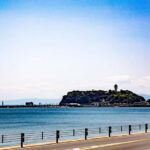
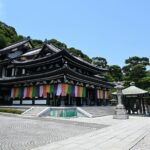
Hasedera Temple is on Mount Kamakura, about halfway up, and it is famous for views south over the ocean. You also get the picturesque look toward Yuigahama Beach, which is a strong payoff after you have been walking.
You spend about 30 minutes at Hasedera. It is enough time to appreciate garden atmosphere and take in viewpoints without feeling like you are racing the clock. If you visit in June or July, you might catch seasonal flower highlights mentioned for the area, like hydrangeas and the garden scene.
Then the tour finishes with Yuigahama Beach, about 15 minutes. The beach faces south, so you are oriented toward seeing the sun over the ocean from this point. Even if you do not linger long, it is a nice “reset” after temples and climbing.
If you want a smooth final transition, this ending works well. You finish at Hase Station, so you can get moving again without having to stitch together extra transport.
Pace, comfort, and how guides handle rain or heat

This is not a stroller-friendly stroll. The tour description calls for moderate physical fitness, and you walk at least 5 km including a mountain pass. In other words, you are not doing hardcore trekking, but you are also not doing flat-city tourism.
What I like is that the day is long enough to feel substantial, but short enough to stay comfortable if you pace yourself. Reviews mention needing more breaks in heat and humidity, and that is exactly what I would plan for. If you are sensitive to heat, bring water, take small pauses, and do not treat every photo stop as mandatory.
Rain can also change the day. Several reviews describe constant rain and the guide still making the experience work, sometimes by adjusting how you move between stops. In at least one instance, the team suggested skipping two shrines on the mountain due to slick conditions. That tells you the priorities are safety and enjoyment, not strict adherence to a script.
Shoes are your non-negotiable. Choose footwear that is easy to walk in, especially if you are worried about slippery surfaces. Also, keep your plans flexible if weather shifts, because the route can be adapted.
Price, tour style, and who this Kamakura day suits best
At $98.44 per person for about 5 hours, this tour is best when you value two things: time and explanation. The included temple tickets reduce upfront planning hassle, and the private format keeps the day moving at a human pace.
This tour also suits you if you like a balanced blend:
- You want major landmarks, including Kotoku-in.
- You also want the quieter, less obvious feel of trail sections and temple-shrine variety.
- You enjoy learning how Shinto shrines and Buddhist temples coexist in everyday Japanese culture.
It can be a strong choice for families too, especially if your kids can manage walking. Reviews mention taking 11-year-old twins and praising how guides explained stops in a way that worked for both adults and children.
On the other hand, if you know you struggle with uphill walking, this may be stressful. Even though you can go at your group pace, the route still includes a mountain pass and at least 5 km of walking. If that is a question mark for you, consider asking about pace adjustments when you book, since one review described skipping sections to reduce walking when conditions were difficult.
Should you book the Kamakura Private Tour, Temples, Nature, and the Great Buddha?
I would book it if you want a half-day that feels like you learned Kamakura instead of just sampled it. The included entrance fees for Jochiji, Kotoku-in, and Hasedera are practical value, and the mix of temple, shrine, and seaside views makes the day more than one crowded sightseeing lane.
I would hesitate if you hate uphill walking or your group includes someone with significant mobility limits. This tour is designed around trails, not wheel-chair level sightseeing, and the distance plus mountain pass are real.
If your ideal Kamakura day sounds like quiet forest temples, shrine legends, the Great Buddha scale, and a calm beach finish, this is a very strong fit. Book it, wear good shoes, and plan to take breaks without guilt. That is how you turn a demanding walk into a satisfying one.
FAQ
How much does the Kamakura private tour cost?
The price is $98.44 per person.
How long is the tour?
The tour lasts about 5 hours.
Where do I meet, and where does the tour end?
You start at Kita-Kamakura Station and the tour ends at Hase Station.
What is included in the tour price?
Included are an English speaking guide, all fees and taxes, photos of tour participants, and entrance fees for Jochiji Temple, Kotoku-in (Great Buddha of Kamakura), and Hasedera Temple.
What is not included?
Food and drink are not included. Hotel pickup and drop-off are also not included unless you pay an additional fee. Private transportation by taxi or private car or bus is not included.
How much walking should I expect?
You will walk at least 5 km, including a mountain pass, and the tour calls for moderate physical fitness. Comfortable shoes that are easy to walk in are recommended.
What happens if the weather is bad, can I cancel, and can I extend?
You can cancel for a full refund up to 24 hours before the experience starts. The experience requires good weather, and if it is canceled due to poor weather, you will be offered a different date or a full refund. If you want more time, you can extend at a rate of 1,000 yen per person per half hour, payable in cash.
More Private Tours in Kamakura

More Tours in Kamakura
More Tour Reviews in Kamakura
Not for you? Here's more nearby things to do in Kamakura we have reviewed


Kamakura Day Trips, side by side.
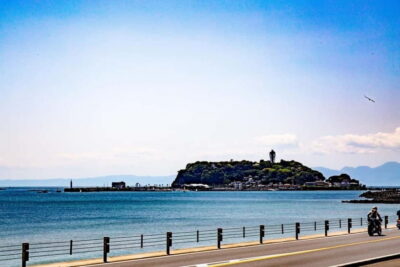 ★ 4.5Kamakura & Enoshima Day Trip including Temple TicketsFrom $581,375 reviews
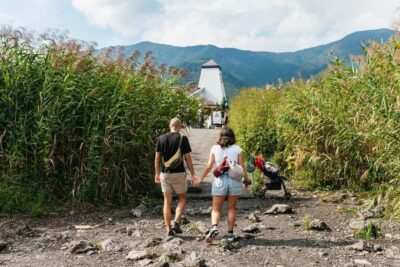 ★ 4.5Mt. Fuji, Kamakura, Big Buddha, & Lake Ashi Day TripFrom $49867 reviews
 ★ 4.5From Tokyo: Kamakura & Enoshima 1-Day Bus TourFrom $66189 reviews
 ★ 5.0Kamakura Historical Walking Tour with the Great BuddhaFrom $98129 reviews
 ★ 5.0Kamakura Walking Tour – The City of ShogunFrom $35100 reviews
 ★ 5.0Kamakura 8 hr Private Walking Tour with Licensed Guide from TokyoFrom $20180 reviews
 ★ 4.1Kamakura & Enoshima Day Tour with Pickup & Train RideFrom $1361 reviews
 ★ 4.8Kamakura: Private Guided Walking Tour with Local GuideFrom $10660 reviews
This tour also belongs to