
Review · KAMAKURA DAY TRIPS
Kamakura Walking Tour – The City of Shogun
Kamakura’s big sights line up fast. This small-group walking tour strings together Shinto and Buddhist icons in a way that makes the city feel connected, not like a checklist. You’ll start at Tsurugaoka Hachimangu Shrine, wander through Komachi Street, then finish at Hase Station after seeing the Great Buddha and Hasedera’s temple grounds.
I especially like that the pacing is built for understanding, not just photos. I also like how the guides, including names like Miyu, Midori, and Maki, explain what you’re actually looking at and keep the walk moving at an easy pace. The small-group size (up to 10) helps questions land naturally.
One consideration: temple and shrine admission costs are not included in the $35 price. You should plan for about 1,200 yen in on-site fees, and the tour requires good weather.
Key things I’d plan around
- A tight 3.5-hour loop that still leaves room to explore on your own after the tour
- Icon-to-icon structure: Shinto at Tsurugaoka Hachimangu, Buddhism at Kotoku-in, then Hasedera
- Komachi Street time for easy shopping and snacks right in the middle of town
- Great Buddha at Kotoku-in as a true focal point, with time set aside for the visit
- A small group capped at 10 so the guide can answer questions without rushing you
- Ending at Hase Station, which is convenient if you’re continuing by train
How This 3.5-Hour Kamakura Walk Makes Sense
Kamakura is one of those places where it’s easy to feel like you’re crisscrossing. This tour helps you avoid that problem by grouping the most important stops into a manageable half-day block. You get big highlights without spending the whole morning negotiating directions.
The timing also matters. At roughly 3 hours 30 minutes, you’re not trapped into a long day where you have no energy left for the beachy side of the city. When you finish at Hase Station, you can carry that same momentum into lunch, snacks, or a second round of sightseeing.
Small groups are more than a comfort perk here. With a max of 10 travelers, the guide can slow down when someone asks about rituals, shrine architecture, or why certain temple features matter. That makes the walk feel personal instead of like you’re being herded between gates.
You can also read our reviews of more walking tours in Kamakura
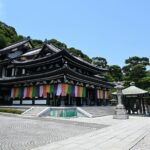
Tsurugaoka Hachimangu Shrine, the Start Point That Sets the Tone
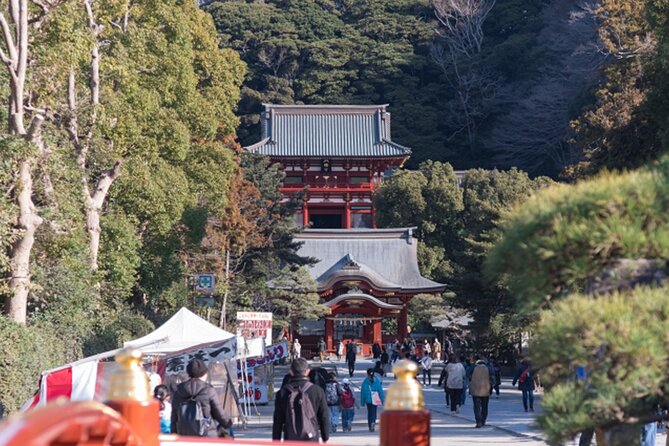
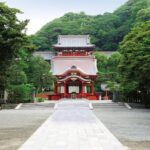
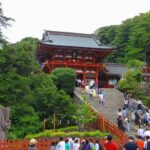
Your tour begins at the Kamakura City Tourist Information Center in Komachi, then you head to Tsurugaoka Hachimangu Shrine. This is a natural first stop because it anchors Kamakura’s Shinto identity in a way that’s easy to understand once you’re standing there.
The shrine is historically significant, founded in the 12th century by Minamoto no Yoritomo and dedicated to Hachiman, the Shinto god of war. That matters because Kamakura’s story is tightly tied to warrior rule. When you see the setting firsthand, the idea of power, protection, and community rituals starts to feel more concrete than dates in a book.
You’ll have about 30 minutes here, and that’s usually the right amount of time for a focused orientation. You get enough time to take in key areas and absorb what the guide is pointing out, without feeling like you missed everything because you were stuck reading signs.
Practical note: shrines often involve walking on stone paths and spending time outdoors. If it’s hot, cool down with breaks on Komachi Street later, or keep water handy.
Komachi Street: Where the Walk Becomes Real Local Life
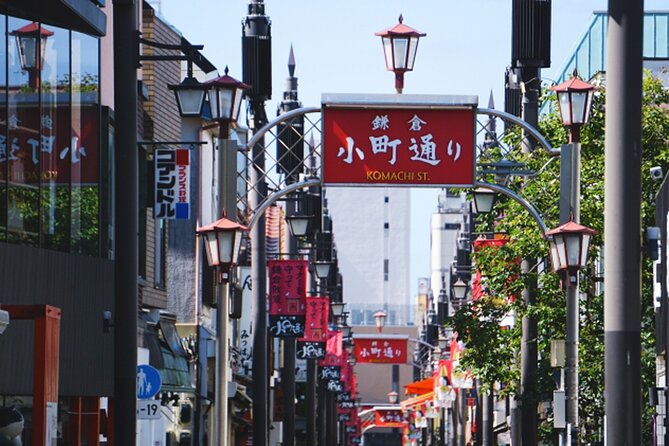
Next comes Komachi Street, a well-known pedestrian lane in Kamakura named after Ono no Komachi. This is one of the best parts of the itinerary because it breaks the “big monument” rhythm with something more casual and human-scale.
You get about 20 minutes here. That’s enough time to stretch your legs, browse, and grab snacks without turning the tour into a shopping marathon. It also helps you reset your brain between the shrine and the more intense temple visits to come.
If you’re the type who likes practical souvenirs, edible treats, or just watching how the street flows, this stop is a strong mid-tour breather. And since Komachi Street is right at the heart of the area, it’s a handy reference point if you want to come back later on your own.
One consideration: it can feel busy. The upside is that it’s lively and easy to navigate. The downside is that it may be harder to take calm photos if you’re hoping for quiet corners.
Kotoku-in and the Kamakura Great Buddha: Big, Unmissable, and Worth the Time
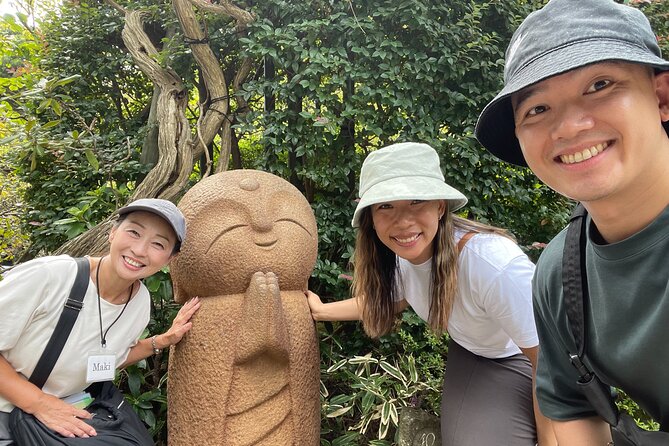
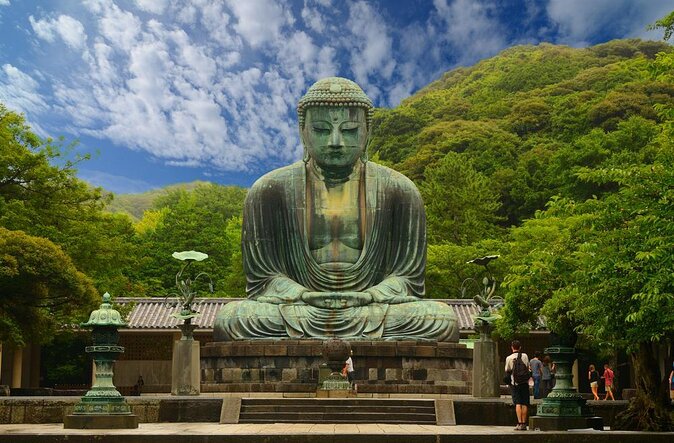
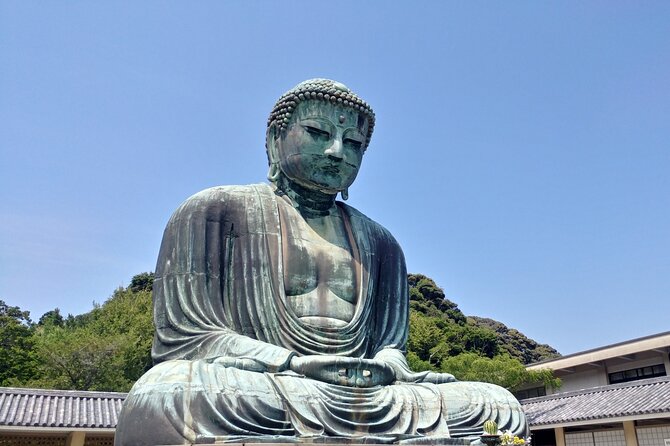
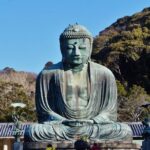
Then you hit Kotoku-in for the Kamakura Great Buddha. This is the kind of sight that usually steals the show, because it’s so direct and imposing. The statue is a colossal bronze Buddha, about 13.35 meters (44 feet) tall.
You’re scheduled for around 30 minutes, and that time window is helpful. You want a little breathing room for getting your photos, reading whatever’s available on-site, and just standing back to take in scale. Up close, scale works differently than in guidebook pictures.
This stop is also valuable because it shifts you from Shinto themes into Buddhist practice and visual storytelling. You’re going from shrine symbolism to temple space, and the guide can connect the dots so it doesn’t feel like you’re hopping between unrelated attractions.
Admission for this site is not included in the base tour price. So think of the cost as part of buying your way into the best “wow” moment of the day. If you were debating whether to prioritize the Great Buddha, I’d say this tour makes that decision easy by placing it in the center of your route.
Hasedera Temple: Gardens, Calm Atmosphere, and Kannon-Linked Art
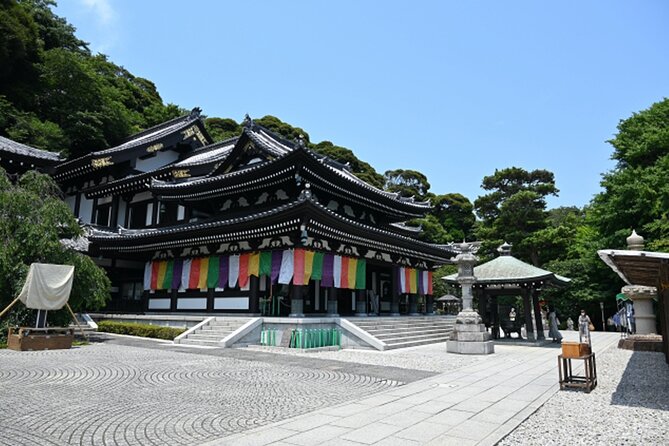
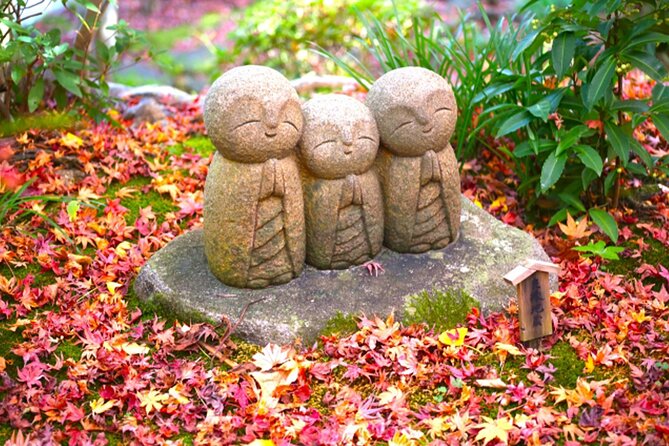
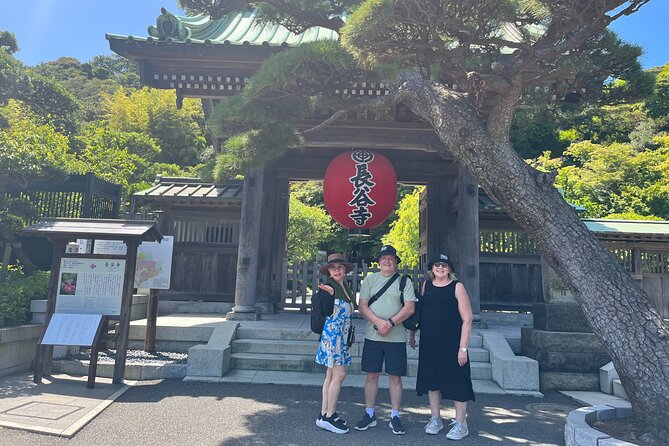
The tour ends at Hasedera, also known as Hase Kannon Temple. This stop is famous for its serene atmosphere, its gardens, and a towering wooden statue connected to Kannon.
You get about 40 minutes here, which is a generous chunk compared with the earlier stops. That extra time matters because temple grounds are more about slow looking than quick check marks. Gardens and architectural details reward pacing, especially when you’re trying to understand why certain spots are photographed again and again.
This is also where Kamakura’s natural beauty shows up in a more grounded way. The overall tour description hints at coastal views and the city’s scenery, and Hasedera is often the kind of place where you feel the topography. If your timing is good, you might also find viewpoints that help you picture how Kamakura sits along the coast.
The temple is one more admission stop, so again, plan on paying site fees that are not part of the $35 tour price. In exchange, you’re getting a slower, more reflective finale that feels different from the earlier high-visibility sights.
You can also read our reviews of more city tours in Kamakura
The Guide Factor: Why Names Like Miyu, Midori, and Maki Matter
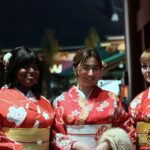
A walking tour succeeds or fails based on the guide. In this case, the overall pattern is clear: guides show up friendly, present, and ready with clear explanations that connect religion, culture, and what you’re seeing in front of you.
You may hear different guide names on different days, such as Miyu, Midori, or Maki, but the common thread is how the tour is taught. Guides here tend to:
- explain what you’re looking at in plain terms
- keep a relaxed pace that works even if you have kids with you
- answer questions without making you feel rushed
- point out extra spots to visit after you finish the walk
That last point is underrated. When you know where to go next, you turn a single guided block into a full half-day plan.
If you’re traveling solo, this style helps you feel less like you’re wandering alone. If you’re traveling with family, it’s the kind of structure that can keep kids engaged without turning the day into a lecture.
Price and What You’re Really Getting for $35
Let’s talk value in real terms. The tour price is $35 per person, and what you’re paying for is the guide fee. Transportation and site admissions are not included. The on-site admission total listed is 1,200 yen.
So what does that mean for you? It means the tour price is mostly the expertise and the routing. You’re buying a guided sequence that links Shinto and Buddhist sites without you needing to figure out the whole system from scratch. You’re also buying time savings: you don’t spend the morning mapping and deciding.
If you were going to visit Tsurugaoka Hachimangu, Kotoku-in, and Hasedera anyway, the guided format makes those tickets feel more “usable,” because you know what to focus on. The Komachi Street stop also adds value because it’s practical, right where you are, and easy to repeat later without needing a bus plan.
If you’re working with a tight budget, the add-on fees are the main thing to watch. But compared with the amount of ground covered and the way the tour gives you context, I think the total still feels fair for a half-day in Kamakura.
Practical Tips for Comfort, Timing, and a Smooth Finish
This is a walking tour, so wear shoes that handle uneven stone paths and temple walkways. You’re outdoors for long stretches across shrines and temples, then you’ll swap into a shopping street before the heavier sightseeing blocks.
Start time is 10:00 am and the meeting point is the Kamakura City Tourist Information Center at 1-chōme-1-1 Komachi. The tour ends at Hase Station at 2-chome-14 Hase. That end point is helpful because it gives you an easy rail connection when you’re ready to move on.
You’ll also use a mobile ticket, which keeps things simple at the start. And the tour is capped at 10 travelers, so you won’t be fighting for space in the doorway at busy spots.
Weather is another real factor. The experience requires good weather, and if it’s canceled due to poor conditions, you’ll be offered a different date or a full refund. So if you’re visiting during the rainy season, keep your expectations flexible.
Should You Book This Kamakura Walking Tour?
Book it if you want a smart, efficient Kamakura plan that hits the major Shinto and Buddhist stops in one half-day, with a small-group guide who makes the sights make sense. This is especially worth it if you’re short on time, want less decision fatigue, or like learning why places look the way they do.
Skip or rethink it if you dislike paying extra on-site fees, or if you’re the type who wants total freedom to roam without a fixed route. Also consider that the tour depends on weather, and the day includes outdoor walking across shrine and temple grounds.
My take: if your goal is first-class highlights plus a calm, guided pace, this Kamakura walking tour is a strong choice. It sets you up for an afternoon that feels intentional, not accidental.
FAQ
How long is the Kamakura Walking Tour?
It lasts about 3 hours 30 minutes.
What are the main stops on the tour?
You’ll visit Tsurugaoka Hachimangu Shrine, Komachi Street, Kotoku-in (the Great Buddha), and Hasedera Temple. The tour ends at Hase Station.
What does the $35 price include?
The tour includes the guide fee. Transportation and admissions are not included.
How much should I budget for admissions?
You should plan for a total of 1,200 yen for transportation and admission fees that are not included in the tour price.
How big is the group?
The tour is limited to a maximum of 10 travelers.
What happens if it rains or I need to cancel?
The experience requires good weather. If it’s canceled due to poor weather, you’ll be offered a different date or a full refund. You can cancel up to 24 hours in advance for a full refund.
More Walking Tours in Kamakura


More Tours in Kamakura
More Tour Reviews in Kamakura
Not for you? Here's more nearby things to do in Kamakura we have reviewed



Kamakura Day Trips, side by side.
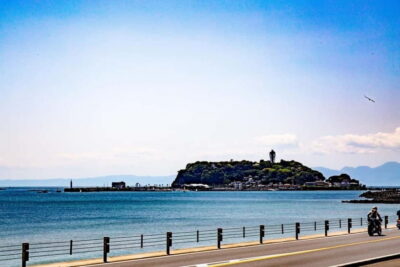 ★ 4.5Kamakura & Enoshima Day Trip including Temple TicketsFrom $581,375 reviews
 ★ 4.5Mt. Fuji, Kamakura, Big Buddha, & Lake Ashi Day TripFrom $49867 reviews
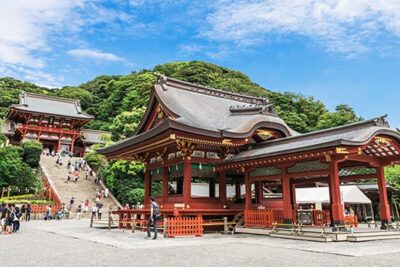 ★ 4.5From Tokyo: Kamakura & Enoshima 1-Day Bus TourFrom $66189 reviews
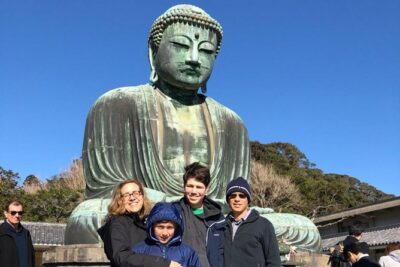 ★ 5.0Kamakura Historical Walking Tour with the Great BuddhaFrom $98129 reviews
 ★ 5.0Kamakura Private Tour: Temples, Nature, and the Great BuddhaFrom $98121 reviews
 ★ 5.0Kamakura 8 hr Private Walking Tour with Licensed Guide from TokyoFrom $20180 reviews
 ★ 4.1Kamakura & Enoshima Day Tour with Pickup & Train RideFrom $1361 reviews
 ★ 4.8Kamakura: Private Guided Walking Tour with Local GuideFrom $10660 reviews
This tour also belongs to