
Review · TOKYO CITY TOURS
Let’s make Wagashi at private home in Yokohama, suburban Tokyo
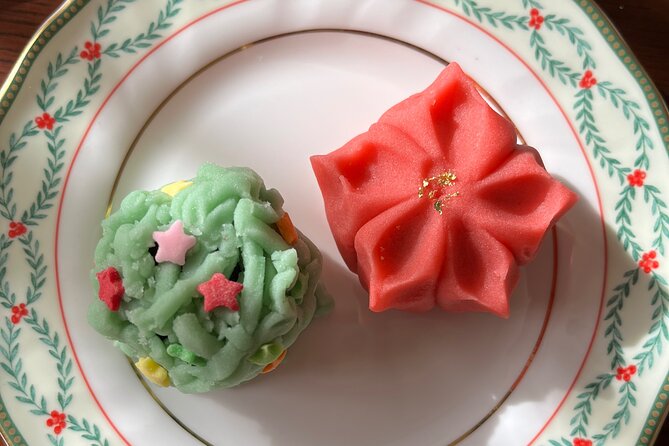
Wagashi is art you can eat. This 2-hour workshop takes you into a private Japanese home in Yokohama, where you learn to make seasonal sweets from dough and shape them by hand. It is a rare chance to see Japanese craft culture up close, not in a showroom.
I love two things most. First, you learn the real logic of wagashi, including seasonal choices and techniques like nerikiri shaping with bean paste and mochi. Second, it is built for a friendly pace, with a small max group size that keeps the instruction clear, even when your sweets do not look perfect.
One possible drawback is logistics: you are heading to Azamino Station in suburban Yokohama, not the most central sightseeing area. Also, the class includes matcha with one shared sweet, so if you want a full tea ceremony performance, you may need a different class.
Key Wagashi Lessons You’ll Actually Use
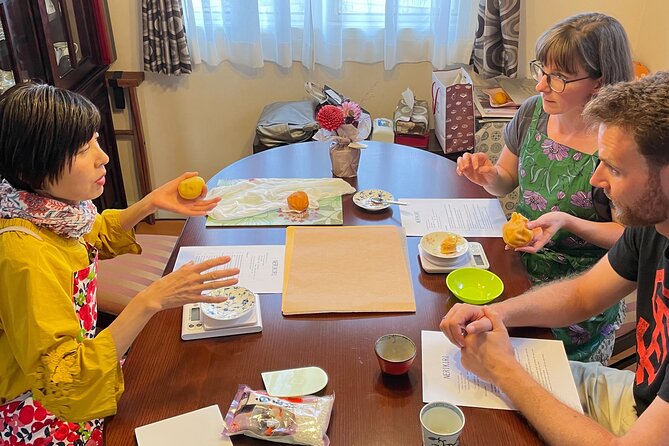
- Seasonal wagashi choices: the sweets are selected based on the time of year, so you taste Japan by season, not by default menu.
- Nerikiri technique from scratch: you shape dough into specific forms filled with red bean paste or white bean paste.
- Hands-on output: each person makes five pieces, with one piece enjoyed together during the class.
- Matcha pairing built into the experience: you get matcha made for you, paired with that one shared wagashi bite.
- Small group, 4 people max: more time for questions and hands-on help, without feeling rushed.
- Most sweets are vegan and gluten-free: a good fit if you want to avoid common ingredients, while still eating Japanese classics.
Getting There: Azamino Station and a Private Home Setting
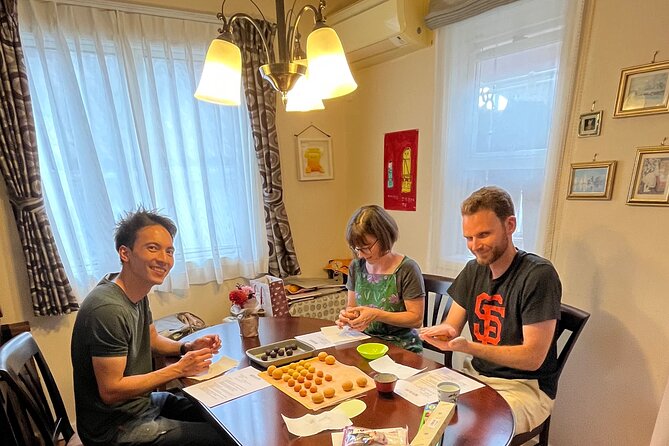
This class starts at Azamino Station (Azamino, Aoba Ward, Yokohama). The experience ends back at the same meeting point, which is helpful because you are not forced to figure out a second transit leg right after you finish eating sweets and feeling proud.
You might also be offered pickup, so if you are arriving by train and do not want to haggle with directions, that option can lower stress. Either way, plan to take local transit. You’re not going to a big tourist area. You’re going to a quiet residential part of Yokohama, which is exactly why this feels authentic.
The other “real life” part: since it is in a private home, the schedule is tight and the group is small. That is great for learning, but it also means you should show up on time and be ready to follow instructions carefully. This is not a casual drop-in demo where you can wander at your own pace.
You can also read our reviews of more private tours in Yokohama



Meet Ikuyo, Tea-Ceremony Training and 15 Years of Teaching
The host is Ikuyo, and she brings serious background in Japanese tea culture. She has studied tea ceremony for more than 40 years and has taught wagashi for about 15 years, so you get a craft-focused explanation rather than a quick “press this mold” type of class.
You will also notice a warmth that is practical, not performative. The class is structured to feel patient and step-by-step. If something feels confusing, you get guided again. In one of the experiences, the host’s husband is also part of the setting, which adds to the sense that this is a real household class, not a staged experience.
One small extra you might appreciate: there can be a keepsake touch. In a past session, a guest mentioned receiving a Japanese design handkerchief. You should not count on it as guaranteed, but it gives you a clue about how personal this experience can feel.
What You’ll Make: Nerikiri and the Season-Driven Sweet Plan
Wagashi is not one single cookie. It is a whole system of shapes, textures, and flavors that connect to Japan’s four seasons. In this workshop, you learn how seasonal wagashi is made, including names like nerikiri, gyuhi, and manju. What you make can depend on the season, which keeps the class feeling specific rather than generic.
A central example is nerikiri. You make it from dough that includes white bean paste and mochi. Then you shape the pieces so the inside filling shows the right look and balance. The filling can be red bean paste or white bean paste, based on the style chosen for that time of year.
Here is the part I find most useful: you are not only copying a final shape. You are learning the logic behind it. Wagashi shapes are meant to look like something seasonal, but they also need to hold up in texture, so the method matters. If you have any interest in Japanese culture beyond shopping, this is where it becomes real.
The Class Flow: Five Pieces Made, One Shared Bite
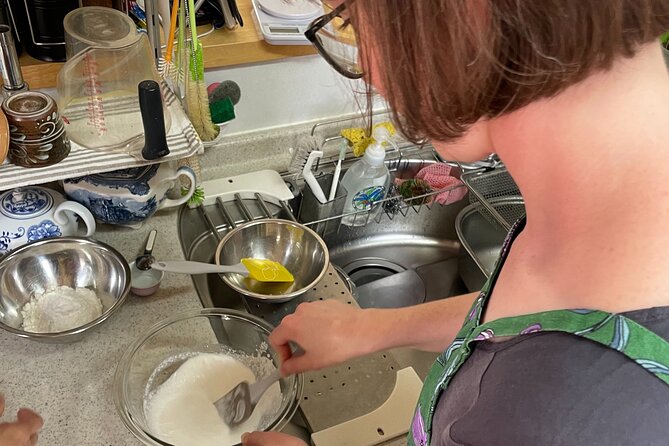
The workshop runs about 2 hours total. The main hands-on making time is around 1.5 hours, then you share the best part: you eat one piece together with matcha.
During the session, each person makes five pieces of wagashi. You will then eat one of those pieces right there. The other four are yours to take home. That ratio is nice. It lets you experience the in-the-room moment, but you also leave with actual sweets you can share with friends or bring back for later.
If you’re worried about skill level, don’t. You do need focus, but the process is broken into steps. One guest noted that even when the final sweets were not as picture-perfect as the host’s, the wagashi still tasted great. That is a great attitude to keep. In wagashi, charm includes the handmade part, and taste is the real win.
Also, you do not need to bring anything special. So you are not planning a craft supply run before your class.
Matcha Moment: Taste the Sweet With Green Tea
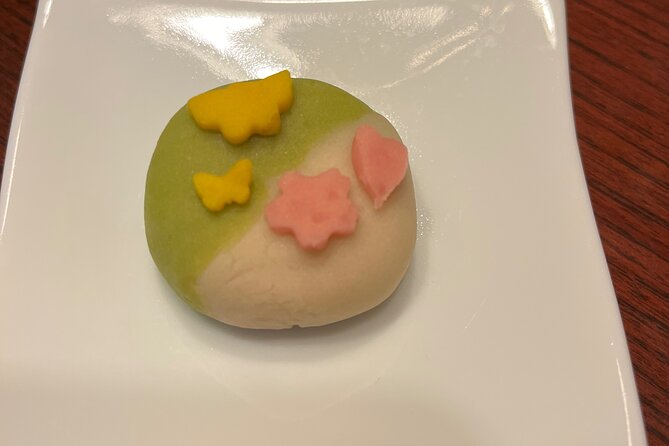
After shaping and finishing your wagashi pieces, you share one bite with matcha. The host makes the matcha for you, so you are not stuck with instant powder taste or guesswork.
This pairing is more than a nice food combo. Wagashi tends to be sweet but often delicate in texture, and matcha works like a flavor reset. It helps keep the sweetness from feeling heavy, and it makes the whole experience more balanced.
If you want more structure around tea culture, there are other classes you can look into, including options where you can be part of a matcha mixing moment or see a tea ceremony procedure demonstration. For this specific workshop, what you can count on is the matcha pairing with your shared wagashi bite.




Vegan and Gluten-Free Style: What That Means for You
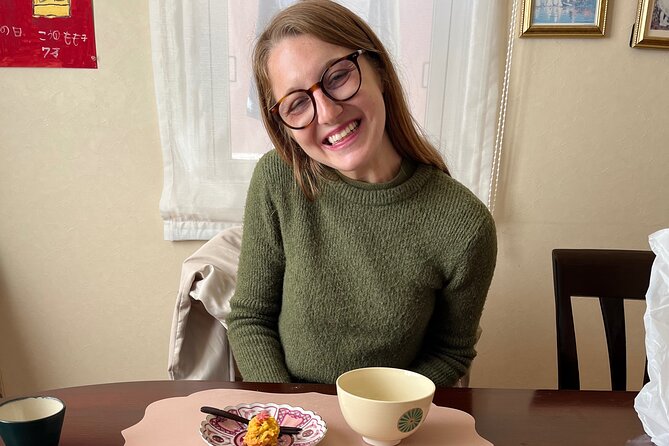
The sweet lineup includes options where most wagashi are vegan and gluten-free. That matters for two reasons.
First, you can enjoy a Japanese treat without spending your trip reading ingredient labels every day. Second, it makes the workshop feel easier to fit into a wider range of diets.
Still, since the wording is most wagashi, not every single piece guaranteed under all circumstances, I suggest you confirm any personal dietary needs when you book or at the start of class. That is the simplest way to avoid surprises.
Food like this is also one reason the workshop works well as a cultural activity for non-foodies. You get a craft lesson, then you eat. It is not just watching something pretty. You actually get to taste what you made.
Price and Value: Why $52 Feels Reasonable Here
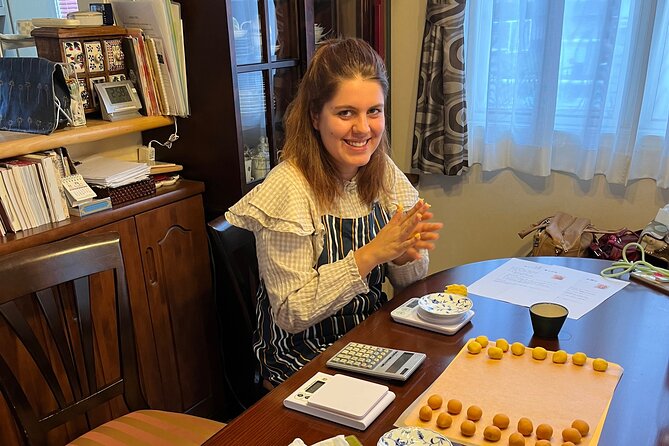
At about $52.03 per person, this is not the cheapest thing you can do in Yokohama. But it is also not a tourist-trap price for a basic photo moment.
You are paying for a few concrete value points:
- Private-home instruction with a small max group size (up to 4), which usually means more attention per person.
- Hands-on time where you make five pieces rather than just sampling one.
- A matcha pairing included, plus you take home four sweets you made.
If you compare this to larger, high-volume classes, the math changes. Here, you are in a craft setting with time to learn and get corrected. That is worth it, especially if you want something more meaningful than a generic souvenir workshop.
Another value angle: the location is near Azamino Station, so you can pair this with something else nearby, which reduces the overall “time cost” of traveling just for one activity.
Best Timing: Pair It With Yokohama Ramen Museum Nearby
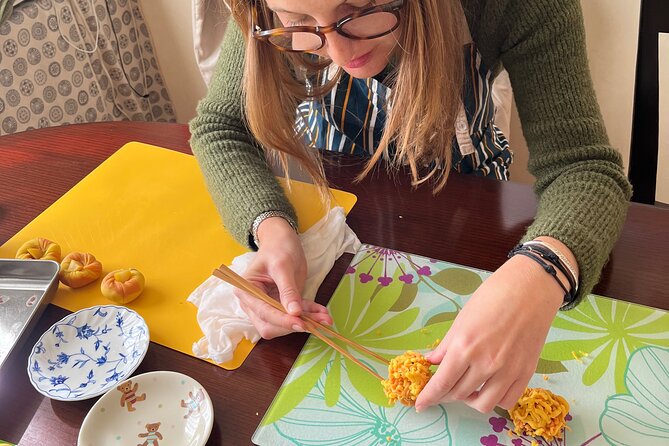
A practical tip: this class is close to the Yokohama Ramen Museum area. It is about 15 minutes from Azamino Station.
So if your plan is ramen today and wagashi tomorrow, it can work smoothly. Or you can do a sweets class and then handle ramen as your next comfort-food mission. The neighborhood location makes it easier to keep your day efficient.
Also, since the class ends back at the meeting point, you are not stuck hunting for a new way to get home. That matters when your schedule is already packed.
Who This Workshop Suits Best
This experience is a strong fit if you want:
- a hands-on cultural activity with seasonal wagashi themes
- a smaller group setting where you can ask questions
- a matcha and wagashi bite that is included, not extra-cost
- vegan and gluten-free-friendly sweets in most cases
It might feel less ideal if you are looking for an all-day immersion, a full tea ceremony performance, or a high-energy sightseeing stop. This is a focused craft workshop in a home setting, not a walking tour of landmarks.
The sweet spot is people who enjoy making things with their hands, even if the results are imperfect. Wagashi rewards patience, not perfection.
Should You Book This Wagashi Class?
Yes, you should book it if you like the idea of making seasonal Japanese sweets in a genuine home environment, with patient instruction from Ikuyo and a clear plan that ends with matcha and snacks you take home.
I would skip it or consider alternatives if your main goal is a big, public tea ceremony show, or if you strongly prefer central Tokyo locations. The Azamino setting is part of the charm, but it does require a little transit planning.
If you can handle a small-group, step-by-step class and you want to leave with edible proof of what you learned, this is a great use of your time in Yokohama.
FAQ
Where is the workshop located?
The class starts at Azamino Station, Azamino 2 Chome, Aoba Ward, Yokohama, Kanagawa 225-0011, Japan, and ends back at the meeting point.
How long does the wagashi workshop take?
It takes about 2 hours total. Making takes about 1.5 hours, then you eat one piece with matcha.
Do I need to bring anything?
No. You don’t need to bring anything special.
What will I make during the class?
You will learn how to make wagashi, with an example being nerikiri made from dough with white bean paste and mochi, shaped to contain red bean paste or white bean paste. The exact sweets can vary by season.
How many pieces of wagashi will each person make?
Each guest makes 5 pieces of wagashi.
Will I eat the wagashi during the workshop?
Yes. You eat 1 piece together with matcha, then you can take the remaining 4 pieces home.
Is pickup offered?
Pickup is offered.
Are the sweets vegan or gluten-free?
Most of the wagashi are vegan and gluten-free.
How large is the group?
The experience has a maximum of 4 travelers.
More Private Tours in Yokohama
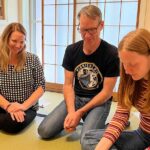
More Tour Reviews in Yokohama


Not for you? Here's more nearby things to do in Yokohama we have reviewed




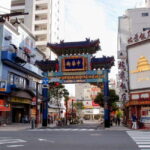


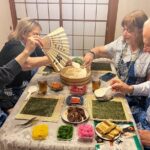
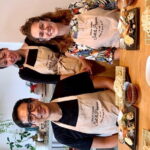

Tokyo City Tours, side by side.
 ★ 5.01-Day Tokyo Bus TourFrom $12914,250 reviews
 ★ 4.5TOKYO SKYTREE® Admission ticketFrom $1311,192 reviews
 ★ 4.6teamLab Planets TOKYO Digital Art Museum Entry TicketFrom $259,779 reviews
 ★ 4.0Mt Fuji & Hakone Cruise, Drum Show Bullet Train 1 Day from TokyoFrom $1497,413 reviews
 ★ 5.0Shinjuku Food Tour (13 Dishes at 4 Local Eateries)From $866,603 reviews
 ★ 4.4Tokyo Mt Fuji 5th St & Hakone Cruise Bus Tour w/Bullet TrainFrom $1545,024 reviews
 ★ 5.0Flagship 2-Hours Official Street Go-Kart Tour – Tokyo Bay ShopFrom $644,974 reviews
 ★ 4.5From Tokyo: Mount Fuji Full-Day Sightseeing TripFrom $684,970 reviews
This tour also belongs to