
Review · TOKYO CITY TOURS
Modern Japanese History Tour in Tokyo
War history feels personal here in Tokyo. This 3-hour, ticketed circuit pairs a private English-speaking guide with stops at Yūshūkan (Yushukan) War Museum and Yasukuni, so the sites make more sense than a solo visit. You also get photo time built into the pace, which helps you slow down instead of just rushing through rooms.
I especially like the way the tour balances military storytelling with the human cost, including civilian life during and after World War II. The National Showa Memorial Museum (Showa-kan) is the heart of that, with exhibitions that focus on personal items and photographs.
One consideration: this is a sensitive subject for some people, and some exhibits may be in Japanese only. If you want the most out of the museums, go with patience and use your guide to translate and explain.
Key takeaways before you go
- English-speaking history expert experience, with help interpreting what is written in Japanese
- Three tightly linked stops in one compact area, so you keep the story in order
- Yūshūkan plus Showa-kan for both military history and civilian experiences during and after World War II
- Kamikaze context explained by your guide, including why it was prevalent and what soldiers told their family members
- Yasukuni Shrine memorial setting that frames the visit around remembrance for war victims
A morning circuit of memory near Kudanshita
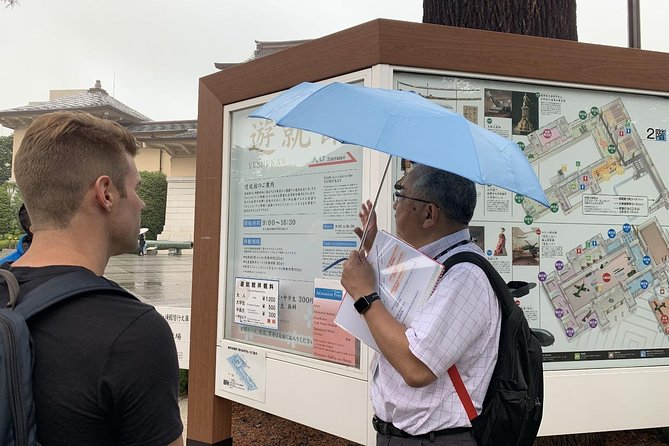
This tour is built for a single, clear theme: modern Japanese history through the lenses of commemoration, military life, and civilian hardship. You meet at Kudanshita Station (1-chōme-13-19 Kudankita, Chiyoda City) and start at 9:00 am, then loop back to the same meeting point at the end. It’s a tight schedule, roughly 3 hours, which is ideal if you want history without burning half a day.
What makes this format work is the sequencing. You begin at a shrine connected to remembrance, then shift into the military-focused museum, and finally land on the civilian story at Showa-kan. Even if you only know the basics going in, your guide helps connect the dots between what memorial spaces emphasize and what museum exhibits document.
You can also read our reviews of more historical tours in Tokyo

Price and what you actually get for $204.58 per person
At $204.58 per person for about 3 hours, the value here is not just the museums. The big included items are the guide and the admissions. You get an English-speaking history expert, entrance fees to the scheduled museums, and a schedule designed around a small group pace.
It also helps that the tour is private for your group. That matters when you have questions, or when something in an exhibit feels confusing or emotionally heavy and you want clarification right then, not later. There’s also mention of group discounts, plus a mobile ticket, both of which can simplify logistics once you’re in Tokyo.
Food and drinks are not included, so you’ll want to plan a breakfast-to-museum rhythm and then eat afterward. That’s not a deal breaker, just good planning for a morning tour.
Meeting Kudanshita and starting with a clear briefing
The tour begins at Kudanshita Station, so you’re starting in a central Tokyo area with easy access. You’ll meet your guide at the station and then head to the shrine and museums as a group.
One thing I think is quietly useful: the tour is described as happening with an open-minded educational focus. The organizers specifically note that the topic can be sensitive and that the guide may need to end the tour if anyone feels threatening. That is not something you control, but it’s a helpful signal that the tour is meant to be approached with respect and care.
Yasukuni Shrine: remembrance first, then the museum story
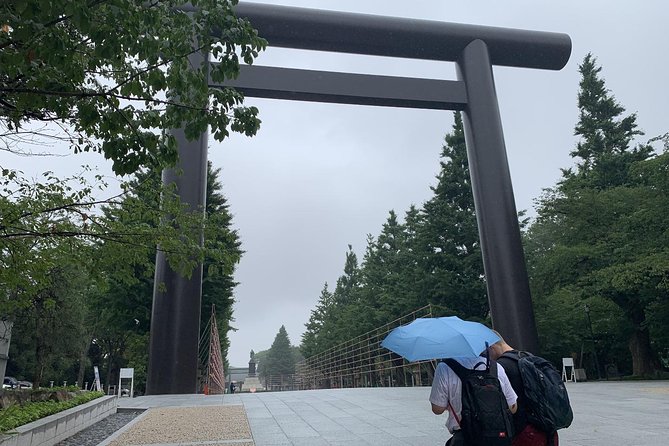
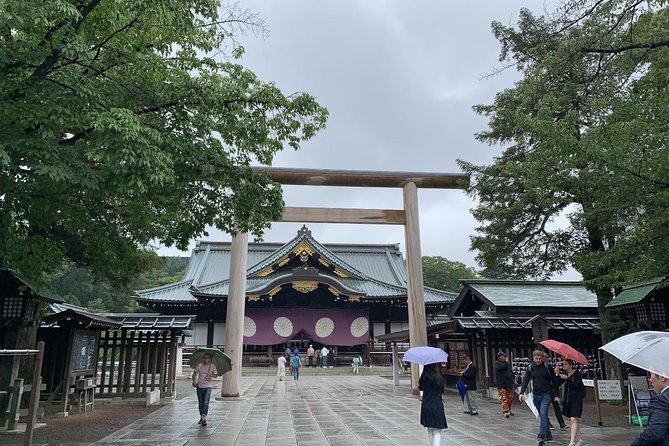
Stop 1 is Yasukuni Shrine, and the visit is about 30 minutes with an admission ticket included. The shrine setting is tranquil, with traditional architecture and grounds that help shift you from sightseeing mode into a more reflective one. Practically, it’s also a good short stop early in the tour because it sets tone before you walk into heavier museum content.
What you’ll take away from this part is the idea of commemoration. The tour frames the shrine as honoring war dead, and it links remembrance to 2.5 million victims of war since 1869. That date is important because it positions the story as longer than just World War II.
Possible drawback: because this is a memorial site, you’ll want to come ready to slow down. If you prefer history that feels purely factual and distant, this opening may feel emotionally intense. If you can handle solemn settings, this stop is a strong way to start.
Yūshūkan Museum: military artifacts, documents, and the Kamikaze explanation
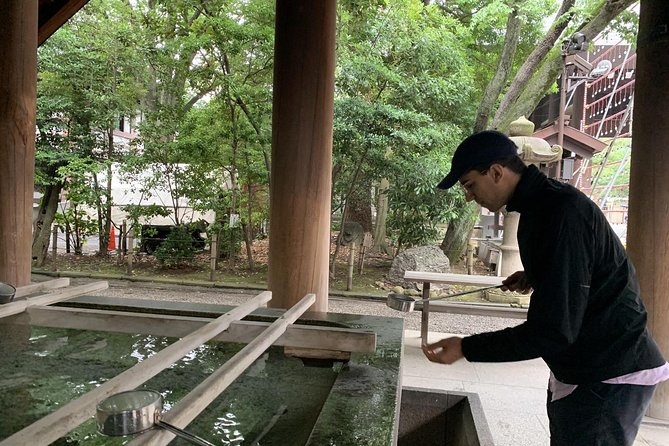
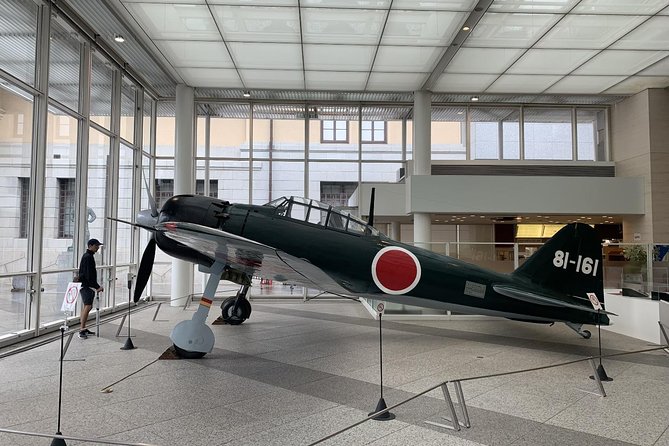
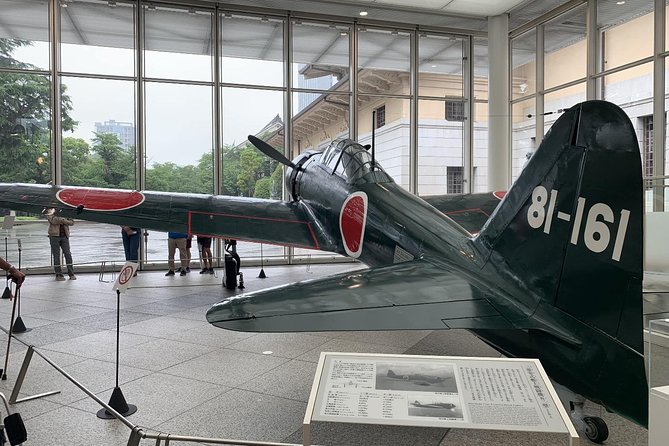
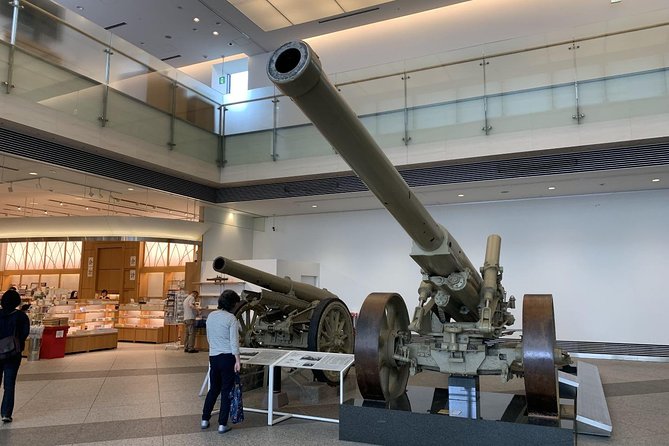
Stop 2 is Yūshūkan Museum (Yushukan War Museum) for about 1 hour 30 minutes, with admission included. This is where the tour shifts toward military history. The museum includes exhibits of historical artifacts, documents, and military equipment, and your guide uses the space to explain what those items meant in context.
This stop is also where the tour’s most specific theme comes in: Kamikaze attacks, also noted as tokotai. Your guide is set up to explain why kamikaze was prevalent and what soldiers told their family members before their inevitable fates. Even if you know the term already, a guided explanation can help you understand how the museum connects personal messages, wartime roles, and the broader mindset of the era.
Here’s another practical tip. One review noted that many exhibits may be in Japanese only, and that’s exactly where a guide earns their keep. If you don’t read Japanese, plan to rely on your guide’s interpretation rather than trying to read labels word-for-word.






Showa-kan: the civilian experience after the war
Stop 3 is the National Showa Memorial Museum (Showa-kan), about 1 hour with admission included. This museum changes the lens again, focusing on the lives of Japanese civilians during and after World War II.
The exhibits are described as using personal items and photographs. That’s a big deal because it moves the story away from only strategy and equipment and toward daily life, hardship, and what ordinary people endured. The tour also specifically mentions issues civilians faced, including starvation, which is the kind of topic that museums like this handle through documented artifacts and survivor-linked material.
This stop is also where you may notice a wider arc. One guide-style description of the experience framed Showa-kan as not just an end point of WWII, but part of the story that follows afterward, including the shift toward an economic miracle. Even if your guide doesn’t emphasize that much, you’ll likely feel the difference in tone compared to Yūshūkan.
Your guide is the difference maker (names you might hear)
This tour is built around an expert guide, and the review notes helped confirm that the guide experience can be a major reason people rate it highly. English-speaking guides named in the provided feedback include Shun, Yasuhiro Suzuki, Hiro, and Izumi.
What you should expect from strong guides here is not just reciting facts. They help you translate what you see, handle questions, and maintain a respectful pace through sensitive material. If you’re someone who likes to ask why something happened, or how civilians experienced the same period differently than soldiers, you’ll likely appreciate that your guide is prepared for that kind of conversation.
Photos, pace, and how to get the most out of a 3-hour window
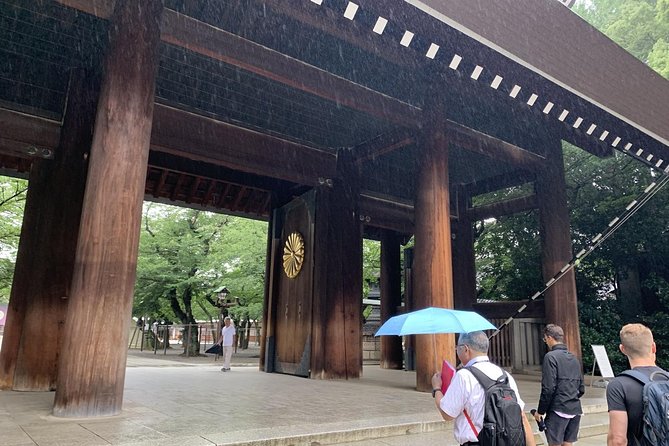
The tour includes photo opportunities, and the schedule is short enough that you’ll feel the rhythm without getting exhausted. Still, for a history tour that covers heavy topics, the best move is to pace yourself mentally.
Here are simple ways to do that:
- Keep your questions ready for your guide during museum sections, not only at the end.
- If an exhibit is emotionally hard, take a breath, then come back to it once your guide gives context.
- Use the shrine-to-museum-to-museum flow to stay oriented. Each stop has a different job in the story.
Because admissions are included for the scheduled sites, you won’t be thinking about ticket queues. That leaves more energy for reading, listening, and asking.
Who this tour is best for
This works especially well if you:
- Want a structured modern-history walk in Tokyo without planning separate museum days
- Prefer a guide to interpret what’s on the walls, especially if you read limited Japanese
- Are curious about how Japan commemorates war dead and how museums present military and civilian stories
It may be a tougher fit if you:
- Don’t want any memorial context at all, since the tour starts at Yasukuni Shrine
- Are very sensitive to discussions around kamikaze, wartime roles, or civilian hardship like starvation
Even then, the tone is framed as educational, and it encourages open-mindedness. If you’re worried you might get uncomfortable, you can still go, but arrive with the intention to listen and learn.
Quick planning notes so you don’t get caught off guard
A few things matter for comfort:
- The tour is about 3 hours, starting 9:00 am, and it ends back at the meeting point.
- Food and drinks are not included, so eat before or plan a nearby meal afterward.
- You’ll want to bring whatever you typically need for museum visits like water if you’re the kind of person who likes it on hand.
- Tickets are handled with a mobile ticket, which can make check-in faster.
Should you book this Modern Japanese History Tour?
I’d book it if you want a guided, focused run through Tokyo’s most connected sites for modern war commemoration and WWII storytelling. The biggest value is the blend: Yasukuni Shrine for remembrance, Yūshūkan for military history including kamikaze context, and Showa-kan for civilians during and after WWII. Add an English-speaking guide who can handle questions and explain Japanese-only exhibits, and you get a tour that feels purposeful, not random.
Skip it only if you know the subject will upset you, or if you strongly dislike memorial spaces. This is not a light, quick museum stop. It’s history with emotion attached, and it asks for calm respect.
If you want, tell me your travel dates and what you already know about WWII and kamikaze. I can suggest whether this is the right first stop for you in Tokyo history, or if you’d do better pairing it with a less emotionally heavy morning.
FAQ
How long is the Modern Japanese History Tour in Tokyo?
It runs for approximately 3 hours.
Where do I meet for the tour?
You meet at Kudanshita Station (1-chōme-13-19 Kudankita, Chiyoda City, Tokyo 102-0073, Japan).
What time does the tour start?
The start time is 9:00 am.
Is the tour private?
Yes. It is a private tour, and only your group participates.
What sites are included in the itinerary?
The tour includes Yasukuni Shrine, Yūshūkan Museum, and the National Showa Memorial Museum (Showa-kan).
Are entrance fees included?
Entrance fees are included for Yūshūkan War Museum and Showa Memorial Museum. Yasukuni Shrine also includes an admission ticket in the itinerary.
Does the tour include a guide, and is it in English?
Yes. You have a private English-speaking guide who is described as a history expert.
Is food and drinks included?
No. Food and drinks are not included.
Does the tour cover kamikaze attacks?
Yes. The tour explains kamikaze (tokotai) and why it was prevalent.
Is this tour considered sensitive?
It may be sensitive for some people. The purpose is educational and aims to keep an open mind, and the guide may end the tour if anyone feels threatened. Cancellation is also non-refundable per the provided policy details.
More Historical Tours in Tokyo
More Tours in Tokyo

More Tour Reviews in Tokyo
Not for you? Here's more nearby things to do in Tokyo we have reviewed












Tokyo City Tours, side by side.
 ★ 5.01-Day Tokyo Bus TourFrom $12914,250 reviews
 ★ 4.5TOKYO SKYTREE® Admission ticketFrom $1311,192 reviews
 ★ 4.6teamLab Planets TOKYO Digital Art Museum Entry TicketFrom $259,779 reviews
 ★ 4.0Mt Fuji & Hakone Cruise, Drum Show Bullet Train 1 Day from TokyoFrom $1497,413 reviews
 ★ 5.0Shinjuku Food Tour (13 Dishes at 4 Local Eateries)From $866,603 reviews
 ★ 4.4Tokyo Mt Fuji 5th St & Hakone Cruise Bus Tour w/Bullet TrainFrom $1545,024 reviews
 ★ 5.0Flagship 2-Hours Official Street Go-Kart Tour – Tokyo Bay ShopFrom $644,974 reviews
 ★ 4.5From Tokyo: Mount Fuji Full-Day Sightseeing TripFrom $684,970 reviews
This tour also belongs to