
Review · TOKYO SUMO EXPERIENCES
Morning Sumo Practice Viewing in Tokyo
Sumo feels real when you’re close enough to hear the breathing. This morning practice tour gives you rare access to a wrestler’s stable and a front-row view of warmups and practice bouts, with an English guide who helps you follow the rules. The one real catch is you’ll spend about 2 hours sitting on the floor cushions with no chairs, so plan for a long sit.
I like that the experience is built around context, not just watching from a distance. You start early near Tokyo Skytree Station, get a short setup talk, then move to the stable where the traditions and rituals make more sense once someone explains what you’re seeing. The small group size (maximum 10) also means your guide can answer questions without rushing you.
If your schedule is tight, this is still manageable because the whole thing runs about 3 hours. You also end right at the Naruto-beya Sumo Stable, so you can keep your morning going after the practice. Guides can include names you may hear on the day such as JOJI, Dawn, Jeff, or Aki, and the best part is they keep you prepared, seat yourself, and guide your attention where it matters.
Key things you’ll notice on this morning sumo practice tour
- Inside access to a real sumo stable, something you cannot easily arrange on your own
- Early start with a practical rules briefing, so you know what to watch for
- Small group limits (10 people max), which helps you stay comfortable and ask questions
- Floor seating on cushions, no chairs, for a truly close view
- Donations included in the ticket, so your visit supports the stable directly
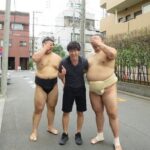
- Possible photo time with wrestlers, plus a chance to see life around practice up close
Tokyo Skytree Station setup: a 7:30 a.m. start with viewing rules
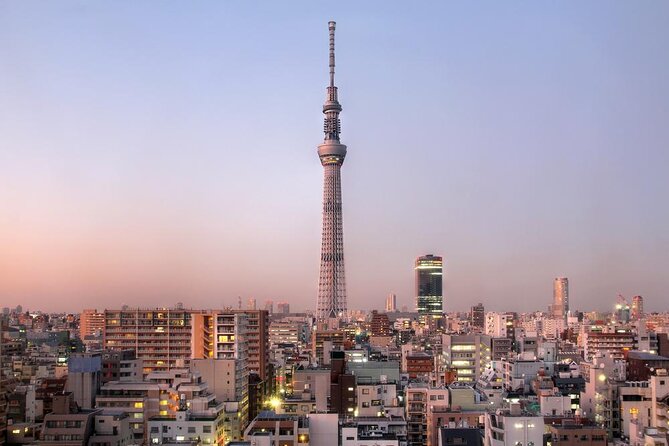
Your morning begins at Tokyo Skytree Station at 7:30 a.m. The timing is intentional. You get to settle into the day while Tokyo is still calm, and you’re not trying to figure out sumo etiquette while the action is already underway.
The first stop is at Tokyo Skytree, with a briefing that covers how to enjoy sumo and the basic rules you should follow while watching practice. Even though it’s only about 30 minutes, that short orientation pays off later. Sumo can look simple if you only catch the final push, but practice involves rhythm, resets, and repeat drills. When you understand what you’re looking at, your eyes stop wandering and start catching the meaningful bits.
One small practical bonus: the Skytree admission ticket for this stop is listed as free. That means you can use your time there efficiently, mostly for the briefing and getting your bearings.
More Tokyo tours and experiences for the shortlist
What can feel tricky here
Because the tour is early and the session is later on the floor, you’ll want to arrive prepared to sit. If you’re not used to sitting cross-legged or on cushions, arrive in comfortable clothes and shoes you can slip on and off if needed.
Moving to the stable: Naruto-beya and the reality of floor seating
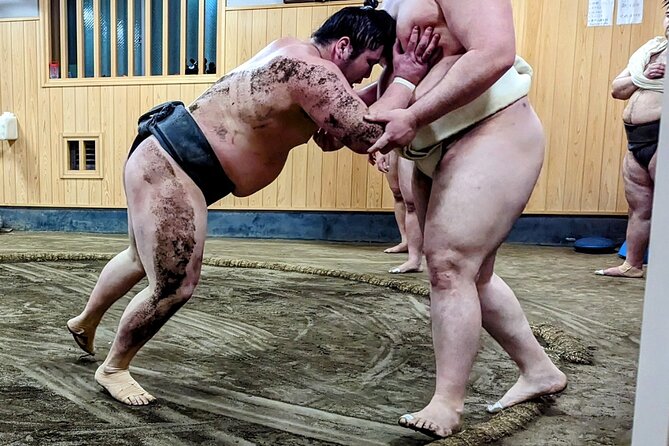
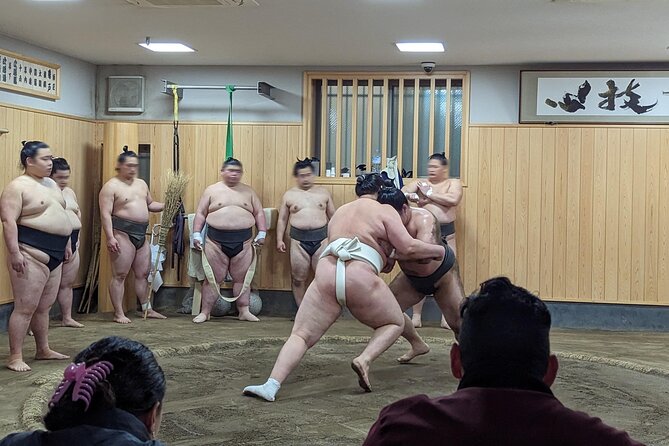
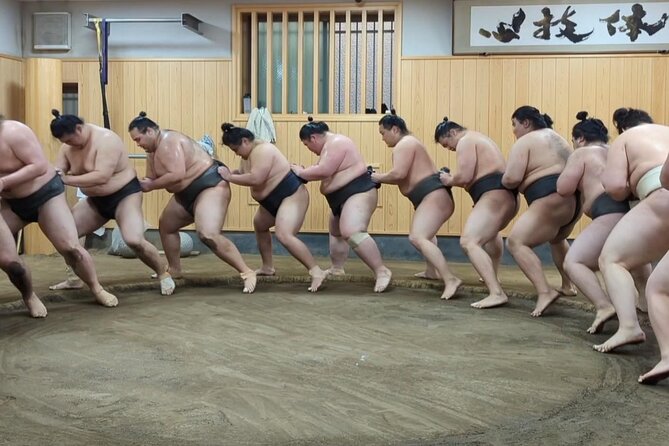
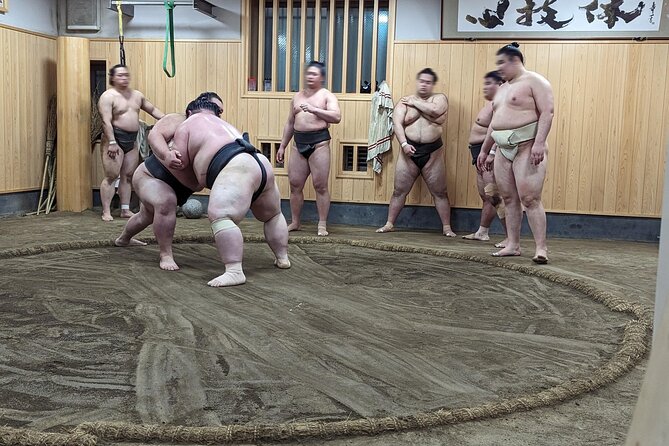
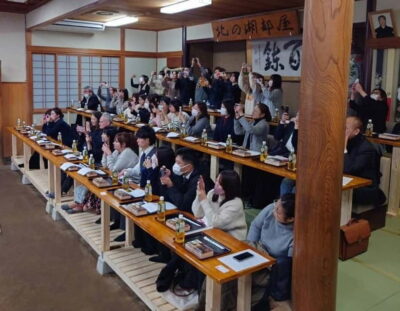
The main event is the sumo practice at Naruto-beya Sumo Stable in Mukōjima, and this is where the tour earns its reputation. Your visit is about 2 hours inside the stable during training, with you seated on the floor on cushions. There are no chairs, so the comfort tradeoff is real.
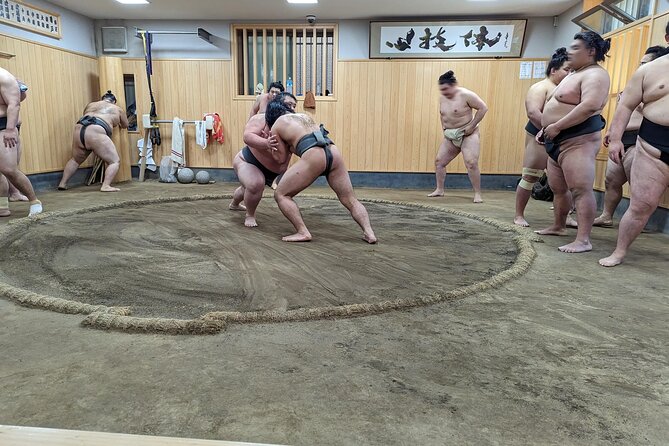
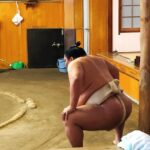
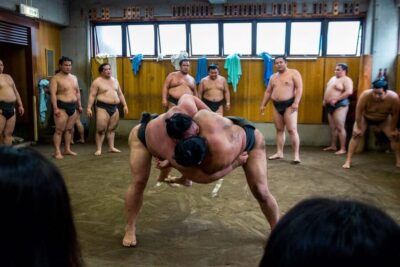
This is close-up sumo. You’re not watching from a far section. You’re right in the stable setting where wrestlers warm up, practice bouts, and go through parts of their routine that feel more disciplined than dramatic. That closeness is the whole point, and it’s also why the tour is so hard to replicate independently.
Plan for the basics of the space
The tour info is clear: you must sit on a cushion on a flat floor, no chairs available. One review also points out that there are no toilets. Even if you handle that in advance, keep expectations realistic. This is a working training environment, not a sightseeing venue with modern amenities.
If you’re deciding whether this fits you, consider your tolerance for sitting still. If you know you get restless or sore quickly, bring layers and do a quick stretching routine before you sit down.
What you’ll watch during practice: warmups, bouts, and ritual context
The most enjoyable part of this tour is that it’s not just watching motion. You also learn the traditional Shinto roots of sumo wrestling, which helps you see why the rituals matter even during training.
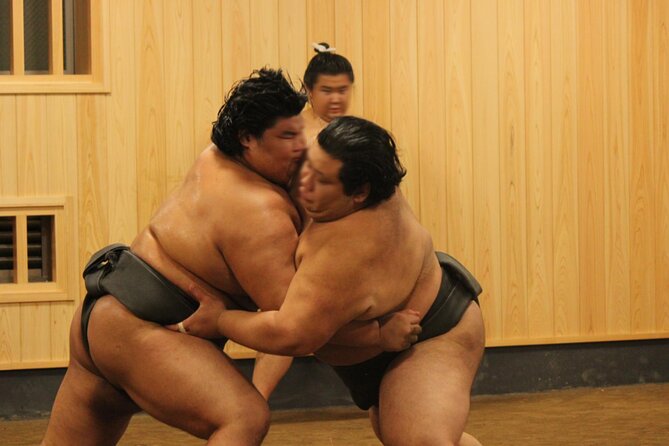
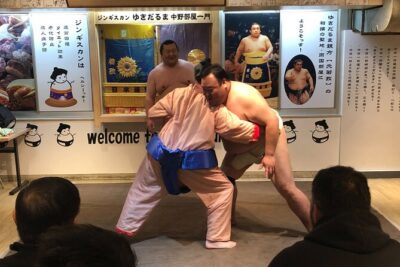
During the practice session, you’ll see wrestlers warming up and engaging in practice bouts. That sounds straightforward, but what makes it interesting is how practice is paced. It’s about repetition and control, and it often looks slower than tournament action until you realize how much technique is being worked into the body.
A key detail: your guide gives you rules and simple ways to follow along. In reviews, guides describe sharing handouts, and written profiles of the wrestlers in training. That kind of prep makes a big difference when you’re seeing people with similar builds and moves. Instead of only recognizing the biggest moments, you can start noticing who is working which approach.






A practical trick to make the most of your seat
Since you’re seated close and for a long stretch, you’ll enjoy it more if you mentally track the session in phases. Watch warmups first to understand the rhythm, then focus on how practice bouts start and stop. When you notice the structure, you stop thinking of it as random sparring and start seeing it as training with purpose.
The human side: donations, guidance, and (likely) a photo moment
Your ticket includes donations to the stable, which is one of the most meaningful value points here. When you visit a sumo stable, you’re stepping into a household of sorts, and the donation helps the stable keep training and operations going. It turns your visit from a pure spectator activity into a respectful support gesture.
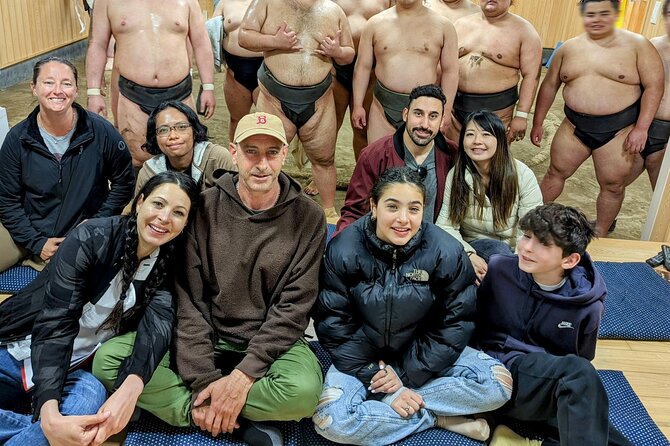
You also get guiding in English by a local certified expert guide. The reviews strongly emphasize how much effort guides put into preparation, comfort, and explanation. Names mentioned include JOJI, Dawn, Jeff, and Aki, and the consistent thread is that they guide your attention and explain the rules before practice.
There’s also a strong chance of a photo session with the wrestlers. The tour info says it is most probably included, which matches how these visits often work in practice. I’d treat it as a bonus, not a guarantee, and still plan to enjoy the main event even if photos happen briefly or not at all.
Chanko nabe lunch: the taste of sumo life (and why it matters)
The experience includes time for lunch after practice, and the description specifically calls out chanko nabe, a traditional wrestlers’ food. This is one of the reasons the morning schedule works so well. After you’ve watched training and ritual, eating the food tied to that lifestyle gives you a more complete picture.
Even if you’re not a big soup person, chanko nabe is usually a hearty way to refuel after standing and sitting early in the day. Think of it as a finish that feels connected, not an afterthought.
If you’re picky about spice or ingredients, plan to eat slowly and ask if anything surprises you, since stable meals can vary. The tour does not provide ingredient specifics here, so your best move is to treat the meal as part of the cultural exchange rather than a menu you can customize.
Price and logistics: is $99.08 good value for a 3-hour experience?
At $99.08 per person for about 3 hours, this is not a cheap add-on, but it also isn’t overpriced for what you’re getting. The core value is access: getting into a wrestler stable is hard to arrange alone. You’re also paying for an English guide, a rules briefing, and a donation to the stable included in your ticket.
Then there’s the “small-group factor.” Maximum 10 travelers keeps the experience from turning into a crowd. For many people, that is what separates a memorable view from a forgettable one. You can actually pay attention, ask questions, and settle into your seat without constantly adjusting around other bodies.
A final logistics note: hotel pickup and drop-off are not included. That matters because you’ll need to handle your own way to the meeting point at Tokyo Skytree Station and, importantly, you end at the stable. In practice, that can be a plus, since you’re positioned to continue exploring the area right after the tour.
Bookings average about 19 days in advance, which is a hint that dates can fill. If you’re traveling in a busy season, I’d reserve early rather than waiting for last-minute flexibility.
Who should book this morning sumo practice, and who should think twice
This tour is a great fit if you:
- like sports, but also want cultural context
- want a close-up look at practice, not just tournament highlights
- appreciate clear guidance and rules so you can follow along easily
- are comfortable sitting on the floor for a couple hours
You might think twice if:
- sitting on the floor for about 2 hours is a dealbreaker
- you are very sensitive to basic facilities, since the practice setting is simple and one review mentions no toilets
- you rely on hotel pickup for most tours, since this one has none
If you’re the kind of traveler who enjoys early mornings and hands-on cultural experiences, this matches your style. If you want comfort-first sightseeing, you may prefer something with chairs.
Should you book this morning sumo practice viewing?
I’d book it if you want the real thing: stable access, a guided explanation of what you’re seeing, and a taste of sumo life through chanko nabe. The best part is the combination of up-close practice and a guide who helps you read the sport instead of just watching it.
I wouldn’t book it only if you know you can’t handle floor seating for a long stretch. With that in mind, this tour is one of those rare Tokyo experiences that feels both authentic and surprisingly easy once you’re sitting down and paying attention.
FAQ
What time does the tour start?
The tour starts at 7:30 a.m. You meet at Tokyo Skytree Station.
How long is the morning sumo practice viewing?
The duration is about 3 hours total, including the Skytree briefing time and the stable practice session.
How much does it cost per person?
The price is $99.08 per person.
How many people are in the group?
The group maximum is 10 travelers.
Where does the tour end?
The tour ends at Naruto-beya Sumo Stable.
What is included in the ticket?
The ticket includes donations to the stable and guiding in English by a local certified expert guide. There is also most probably a photo shooting session with sumo wrestlers.
Is lunch included, and what is it?
The tour description says you’ll refuel with chanko nabe, a traditional wrestlers’ food, after the practice.
Do I need to bring anything for the seating?
You should be ready to sit on a cushion on a flat floor, because there are no chairs available during the stable viewing.
Is hotel pickup and drop-off included?
No. Hotel pickup and drop-off are not included.
What if the weather is bad?
This experience requires good weather. If it is canceled due to poor weather, you’ll be offered a different date or a full refund. Free cancellation is available up to 24 hours before the start time.
More Morning in Tokyo
More Tour Reviews in Tokyo
Not for you? Here's more nearby things to do in Tokyo we have reviewed






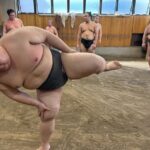
Tokyo Sumo Experiences, side by side.
 ★ 4.8Sumo Show and Dining ExperienceFrom $792,742 reviews
 ★ 5.0the SUMO showFrom $891,960 reviews
 ★ 5.0Tokyo Shinjuku Sumo Show & Experience with PhotoFrom $791,750 reviews
 ★ 4.8Sumo Show and Experience in ShinjukuFrom $691,001 reviews
 ★ 4.7Luxury Sumo Show Experience & Japanese cuisine & DrinkFrom $103577 reviews
 ★ 4.8Sumo Morning Practice Viewing TourFrom $81570 reviews
 ★ 4.8Tokyo Sumo Experience: Chanko & Mochi with a Former ProFrom $103567 reviews
 ★ 5.0Ultimate Sumo Tournament: Tokyo, Osaka, Nagoya, FukuokaFrom $184468 reviews
This tour also belongs to