
Review · TOURS
Mt.Fuji Arakurayama Sengen Park,Oshino Hakkai,Kawaguchi Lake Tour
Fuji views start fast on this day trip. I like how it strings together classic Mt. Fuji stops outside Tokyo into a ready-made route, so you spend less time figuring out transfers. Two things I especially like are the air-conditioned vehicle between viewpoints and the guided context that makes each photo stop feel more than just a snapshot.
You do need one big reality check, though. Mt. Fuji visibility isn’t guaranteed, and weekend traffic can shorten times at some spots or push your return later than you planned.
This is a long day (about 11 hours), capped at 45 people, so it’s a good fit if you want “see a lot, move with a plan.” Just budget lunch on your own, and keep your evening free in case timing slips.
Key things to know before you go

- 397 steps and the Chureito Pagoda view at Arakurayama Sengen Park, included with admission
- A tight, photo-friendly schedule that hits the scenic classics plus quick stops like Hikawa Clock Shop Street
- Oshino Hakkai’s eight spring-fed ponds with a slower pace (about 1.5 hours)
- Seasonal Lake Kawaguchi options, with Oishi Park lavender possible in summer
- Practical guide touches, including a yellow Gogoday flag at the meeting point and local stories that help you spot what matters
Why This Mt. Fuji Circuit Feels Easier Than DIY
Tokyo has great transit, but Mt. Fuji day trips can turn into a logistics puzzle fast. This itinerary is built around a simple idea: you ride together, you stop together, you walk the scenic bits at your own pace. You’re not trying to coordinate trains, buses, and timed entry while also chasing the best light.
What makes it feel efficient is that the route includes both “wow from one spot” moments and “slow down and look” areas. Arakurayama Sengen Park gives you the iconic pagoda-and-Fuji framing, while Oshino Hakkai gives you time to wander around the ponds. Even the short photo stops add variety, so the day doesn’t feel like you’re only checking one view over and over.
The tradeoff is that you are still on a schedule. If you want long, lingering stays everywhere, you might feel the stop times are a bit tight. One review even pointed out that swapping a photo stop for more lake time could make the day feel more balanced, so it’s worth keeping your expectations realistic.
You can also read our reviews of more tours and experiences in Tokyo.



Meet-Up, Mobile Tickets, and the Bus Ride Rhythm
You’ll join the group at a designated meeting point near public transportation. The guide holds a yellow flag with the Gogoday logo, and you just tell them the name you used to book. Arrive about 15 minutes early so you don’t end up sprinting to catch the door close.
The tour uses a mobile ticket, and you’ll get an email the night before with practical details like the guide, driver, and vehicle license plate. On the day itself, your main job is to be ready when your schedule moves, since your time at the stops is limited and the return ride depends on traffic.
The group size matters here. With a maximum of 45 travelers, you should expect a lively group, not a private van. Reviews praised guides for keeping energy up and timing on track, including names like Martin, Sia, Luis, Brews, Tom, and Yong. That matters because a smooth day trip is mostly about pacing, not just the sights.
Stop 1: Arakurayama Sengen Park and the Chureito Pagoda View
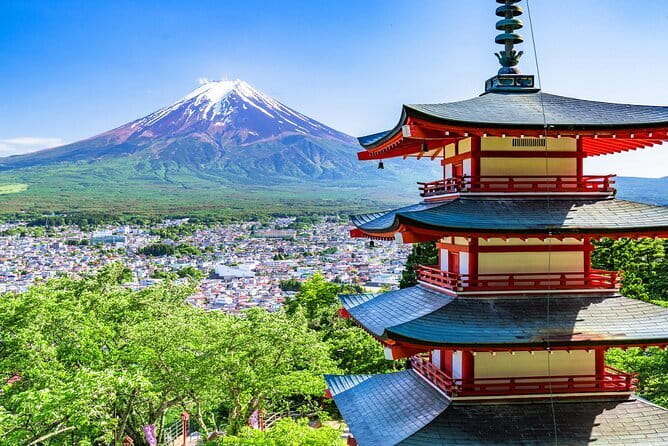
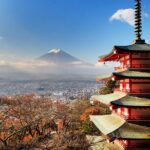
Your first major stop is Arakurayama Sengen Park, famous for panoramic Mt. Fuji views. Admission is included, and you get about 1 hour here. The centerpiece is the hike up 397 steps to reach the iconic 5-story Chureito Pagoda, a classic framing angle that photographers chase for a reason.
This is the stop where you’ll feel the most “tourist density,” especially around peak season and good-weather windows. If you’re trying for a clean photo, it helps to move with purpose right after you arrive, then slow down once you’re near the view. If you’re sensitive to stairs, pace yourself. You do not need to sprint, and you can stop to regroup along the way.
One thing to know up front is that Fuji can hide in clouds. Some reviews mentioned days when the mountain wasn’t visible, which changes the feel of this stop. Still, even if Fuji is faint, the pagoda perspective and the park’s arrangement can be satisfying. Your guide will also steer you toward the most important viewpoints so you’re not wandering for no reason.
Stop 2: Hikawa Clock Shop Street, Quick Walk, Big Photo Potential

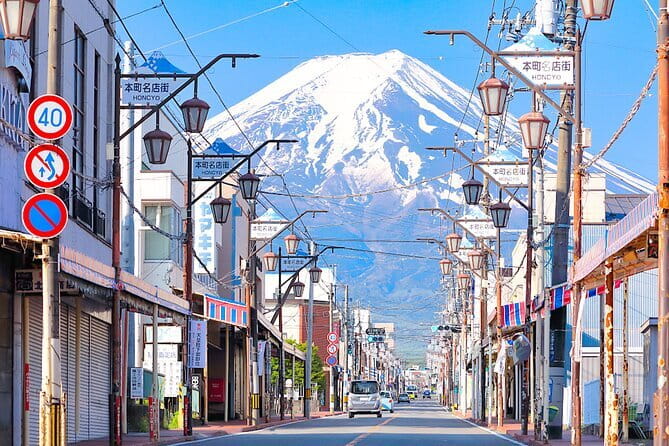
Next comes Hikawa Clock Shop Street, a short, scenic stretch known for views that feel like a stairway toward Mt. Fuji. The time here is about 20 minutes, and it’s free. This is a “quick hit” stop, not a long exploration, so treat it like a chance to get a different angle and reset your legs.
The benefit of adding this stop is variety. After the stairs at Arakurayama, you get a calmer walking vibe and a chance to frame Fuji differently from street-level perspectives. It’s also useful as a buffer if the first stop ran long or if your group needs a short recharge before the more involved pond wandering later.
The drawback is simple: you won’t have time to go off-script. If Hikawa Clock Shop Street is your main priority, you’ll want more time than a quick pass. For most people, though, it works well as a brief scenic intermission.
Stop 3: Oshino Hakkai Ponds and the Snowmelt Story
Oshino Hakkai is where the tour slows down. You get about 1 hour 30 minutes, and the ponds area is free to visit. This charming spot centers on eight crystal-clear ponds formed by snowmelt from Mt. Fuji, filled with fresh spring water.
What makes Oshino Hakkai worth the time is how it changes your pace. You’re not just looking outward at Fuji. You’re looking down, around, and through the water, seeing reflections and small textures that can be hard to appreciate from distant viewpoints. If you like gentle wandering, this is your moment.
It also helps that the area feels village-like rather than purely scenic. You can step back, pause, take photos at your own rhythm, and browse at a calmer pace than the pagoda climb. Even on days when Fuji is partially obscured, the ponds still make sense as a destination because they are the main character.
Crowds can still happen here. Going early in the day, or timing your walk for a quieter moment, can improve your experience. Your guide will keep the group moving, but you still get freedom to explore on foot within the time window.




Stop 4: The Lawson Photo Stop for a Different Kind of Fuji Shot
Then you hit a fun, very specific photo moment: a Lawson convenience store stop with a famous Mt. Fuji viewpoint. This part takes about 20 minutes and is free. If you’ve seen the photos online, you know the drill, and if you haven’t, it’s basically a quick “yes, that angle” photo opportunity on the Fuji circuit.
Why include a convenience store? Because this is a tour built for snapshots that are hard to recreate elsewhere. The view is framed by the town setting, and that makes it feel different from pagodas and ponds. It’s also a practical rest stop for water and snacks if you planned to grab something anyway.
The only real downside is that it can feel a little goofy. If you’re the type who hates “check-the-box photo stops,” you might wish this time went straight to the lake. Still, it’s short, it’s part of the local popular route, and it can be a good reset before the final scenic push.
Stop 5: Kawaguchi Lake and Seasonal Views at Oishi Park
Your last stop is Lake Kawaguchi, with about 50 minutes on the water area. Admission is free, and the exact experience can vary by season. One seasonal highlight mentioned for the lake area is Oishi Park, where lavender shows up in summer.
This is the stop I think you should use strategically. It’s the best place to slow down, take a breath, and try to time your photos for the light. Even if Fuji is not perfectly crisp, the lake setting and seasonal details can still make the final stretch feel worth it.
Because the tour is on a schedule, you won’t have time for heavy detours. But you can still make good use of your time by focusing on one or two viewpoints rather than trying to cover everything. If you love nature and reflections, save your energy for this last portion because it’s the most relaxing compared to the step-heavy first stop.
Timing, Weather, and Why Your Evening Should Stay Flexible
This tour is about 11 hours total. That includes rides between stops and walking time at each location. Weather can change quickly, and visibility of Mt. Fuji cannot be guaranteed, so you should go in with a plan that still works if the mountain is partly hidden.
Japan traffic matters too. Weekend and holiday traffic may delay your return time past 8 p.m. The operator covers overtime fees for the guide and driver, but your visit times at attractions may be shortened, adjusted, or canceled to stay on track. That’s not a guarantee of chaos, but it is a heads-up to keep your evening open.
If your schedule is strict, you could run into trouble. If you can move plans around or you’re staying nearby, this tour becomes much less stressful. Fuji day trips reward flexibility.
Price and Value: What $51.60 Buys You (and What It Does Not)
At $51.60 per person, the value comes from what you don’t have to organize yourself. You’re paying for guided pacing, an air-conditioned vehicle between key stops, and pickup and drop-off at a designated point. Admission is included at Arakurayama Sengen Park, which helps offset the overall cost.
Lunch is not included. A normal lunch cost is listed as about US$10 per head, so your day trip budget should include that. In plain terms, if you eat like you travel (one proper meal plus water snacks), plan for a modest additional spend.
Where you get your money’s worth is the time-saving. DIY can be cheaper on paper, but the real cost is stress and time spent figuring out what connects when. If you’d rather spend that brainpower on photos, this tour format is a strong match.
Photo and Comfort Tips That Actually Matter
You’ll walk at least some stairs and uneven terrain. Arakurayama’s 397 steps are the obvious workout, but even the pond area involves casual strolling. Wear shoes you already trust, not brand-new “maybe this will be fine” sneakers.
Cash is recommended. Some scenic spots and restaurants around the Mount Fuji area may only accept cash payments, so keep a small amount on hand. This is one of those details that can save you from awkward last-minute searching.
Also think about luggage. Each participant can bring one piece of luggage. Extra luggage costs 2000 JPY per piece, so travel light if you can.
For photos, prioritize the places with the clearest framing. Arakurayama is built for iconic angles, Oshino Hakkai gives you water reflections, and Lake Kawaguchi is your final chance to enjoy a calmer scene. If Fuji is visible, your best odds are early in the day, so get into the mindset of “move, then stop.”
Who This Tour Suits Best
This is a great fit if you want a guided Mt. Fuji highlights loop without planning transfers. It’s also ideal if you like learning a bit while you walk, since the guide shares local landmark context and keeps the day running smoothly.
It’s less ideal if you want total freedom. The schedule is set, the stop times are fixed, and even on a good day, you won’t have hours to wander each location. If your priority is maximum lake time, you might feel the other stops are a bit too short.
If you’re traveling with older family members, the stairs at Arakurayama are the main factor to consider. The tour is most comfortable when everyone is ready to walk and follow the group pace.
Should You Book This Mt. Fuji Day Trip?
Book it if you want an efficient, well-paced Fuji day with the classics in one go, plus air-conditioned transport and a guide who helps you get the most from each stop. The $51.60 price makes sense for the included admission at Arakurayama and the convenience of pickup, drop-off, and guided routing.
Skip it or adjust expectations if you’re chasing only one perfect outcome, like a crystal-clear Mt. Fuji. Visibility isn’t guaranteed, and timing can shift with traffic. Also, if you know you dislike photo stops or you’re the type who wants long, unstructured time at the lake, you may prefer a more flexible plan.
If you’re ready for a full, scenic day and you’ll roll with weather and crowds, this is a strong way to see Mt. Fuji’s most famous faces without doing the homework.
FAQ
How long is the Mt. Fuji, Oshino Hakkai, and Kawaguchi Lake tour?
It runs for about 11 hours.
What is included in the tour price?
You get an air-conditioned vehicle, a tour guide, pickup and drop-off at a designated point, and admission ticket inclusion for Arakurayama Sengen Park. Lunch is not included.
Is lunch provided?
No. Lunch is not included, and the typical cost is about US$10 per head.
Where do I meet the tour guide?
Look for the tour guide holding a yellow flag with the Gogoday logo. Tell them the name you used when booking, and arrive 15 minutes early.
Can I bring luggage, and is there a limit?
Each participant can bring one piece of luggage. Additional luggage costs 2000 JPY per extra piece.
Is Mount Fuji guaranteed to be visible?
No. Weather is unpredictable, and visibility of Mount Fuji cannot be guaranteed.
More Tours in Tokyo
More Tour Reviews in Tokyo
Not for you? Here's more nearby things to do in Tokyo we have reviewed






Tours, side by side.
 ★ 5.0Mt Fuji and Hakone 1-Day Bus Tour Return by Bullet TrainFrom $16326,383 reviews
 ★ 5.01-Day Tokyo Bus TourFrom $12914,250 reviews
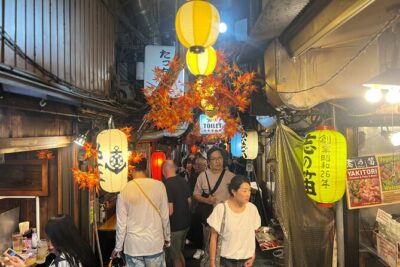 ★ 5.0Shinjuku Food Tour (13 Dishes at 4 Local Eateries)From $866,603 reviews
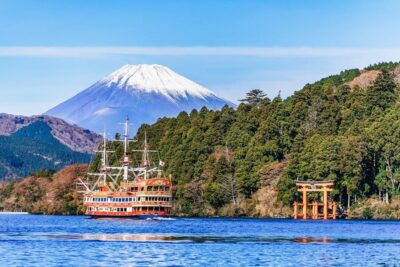 ★ 4.4Tokyo Mt Fuji 5th St & Hakone Cruise Bus Tour w/Bullet TrainFrom $1545,024 reviews
 ★ 5.0Flagship 2-Hours Official Street Go-Kart Tour – Tokyo Bay ShopFrom $644,974 reviews
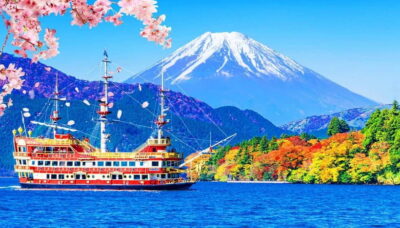 ★ 4.7Mt. Fuji Tour, Hakone Ropeway, Owakudani, Lake AshiFrom $544,002 reviews
 ★ 5.0Tokyo 6hr Private Tour with Government-Licensed GuideFrom $1553,902 reviews
 ★ 5.0Tokyo Bar Hopping Tour in Shinjuku (All-You-Can-Drink + Dinner)From $1063,587 reviews