
Review · MOUNT FUJI TOURS
Mt. Fuji & Hakone: Fuji Sengen Shrine, Cruise, and Ramen-Making
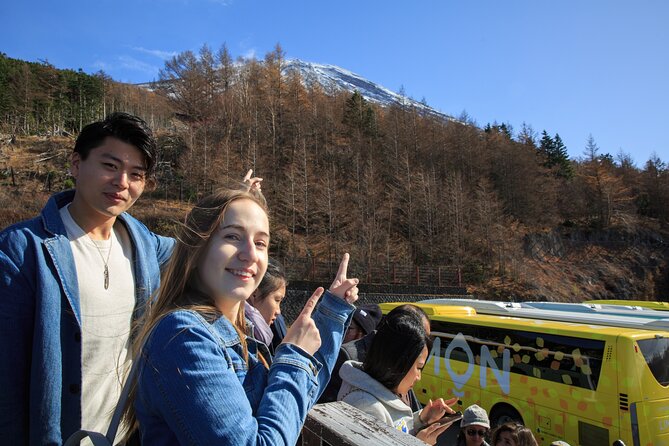
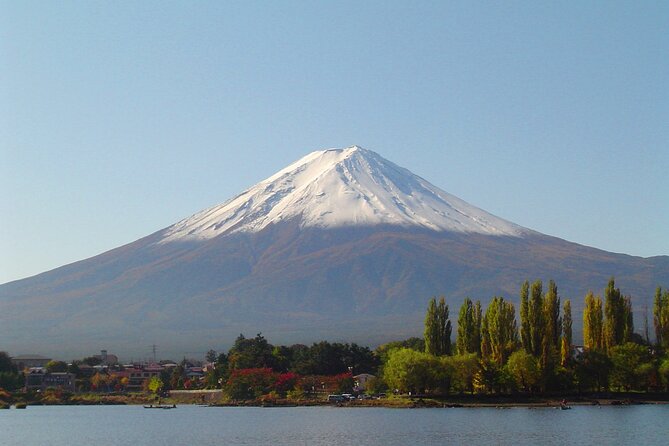
Mt. Fuji looks better when you chase it. This full-day trip from Tokyo blends big scenery with hands-on food and classic sights around Hakone, including a Lake Ashi pirate-ship cruise (weather permitting), custom ramen-making, and the calm ponds of Oshino Hakkai. I especially like how it packs a lot in without the stress of train transfers, and I also love that you get to make your own noodles and season your bowl. One drawback to keep in mind: the day depends on weather, so the cruise and views of Fuji can shift if clouds or rain roll in.
You start early from Shinjuku, ride in an air-conditioned bus with free Wi-Fi, and spend the rest of the day moving at a comfortable touring pace with an English-speaking guide. In the best moments, you get Fuji viewpoints from multiple angles and real context for what you are seeing, not just photo stops. Do expect some walking, including a choice between stairs or a sloping path on the shrine grounds.
Key Points Worth Your Attention
- Direct round-trip transport from Shinjuku saves you from time-wasting public transit planning.
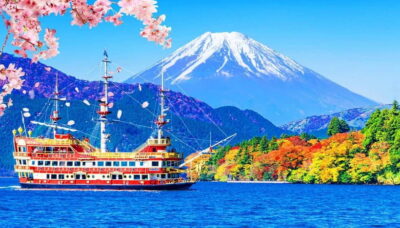
- Lake Ashi cruise on the Hakone Pirate Ship is the easiest way to try for Fuji views from the water.
- Ramen Factory lunch is hands-on, from kneading and boiling noodles to choosing your soup and toppings.
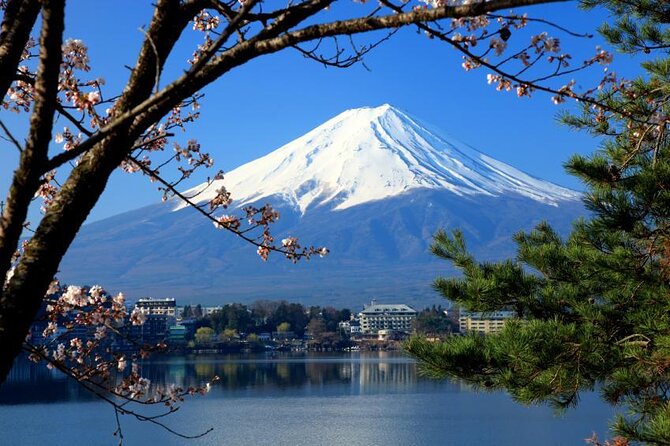
- Arakura Fuji Sengen Shrine delivers big postcard views, plus a pagoda observatory and optional easier ascent.
- Oshino Hakkai ponds tell a clear Fuji-water story, with eight spring ponds tied to snowmelt and volcanic filtering.
- Small group size (up to 42) tends to make it feel less like cattle herding.
Why This Fuji and Hakone Day Trips So Well From Shinjuku
This tour is built for people staying in Tokyo who want Fuji and Hakone without turning the day into a transit project. You meet at Shinjuku Center Building, a roughly 7 minute walk from JR Shinjuku Station, and you return to that same spot at the end of the day. Starting at 7:40 am matters. You are heading west early enough to beat some of the heaviest crowds and to give yourself a real shot at clear breaks in the weather.
The bus setup is part of the value. It is air-conditioned, and you get free Wi-Fi onboard. A number of guide and rider notes also point out the ride comfort, with roomy seating and reclining seats in practice. When you are spending most of the day away from your hotel, that comfort is not a small perk.
The best fit here is a first-time Tokyo visitor who wants a guided overview that still feels grounded in local routines. You will be stepping into Shinto shrine space, walking around Fuji-linked spring ponds, and eating a ramen lunch that is not just served, it is made. The maximum group size of 42 also helps, especially when you are trying to take photos without everyone tripping over everyone else.
If you are the type who hates waiting around, do note that the day can flex due to traffic or weather. This is not a rigid, minute-by-minute city crawl. It is a countryside tour where the day is allowed to react to reality.
You can also read our reviews of more boat tours in Tokyo


Lake Ashi Cruise: Your First Mt. Fuji Look From the Water
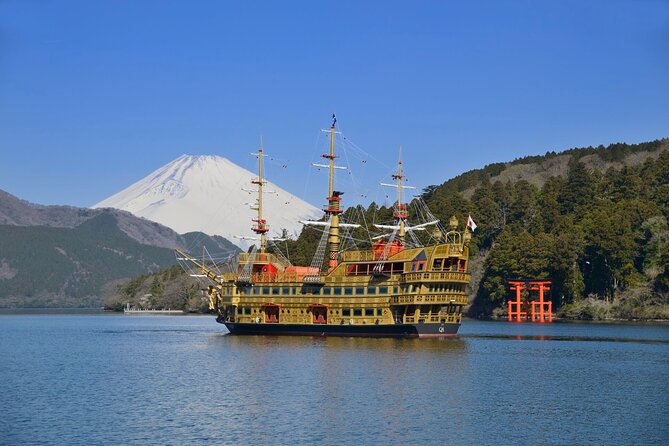
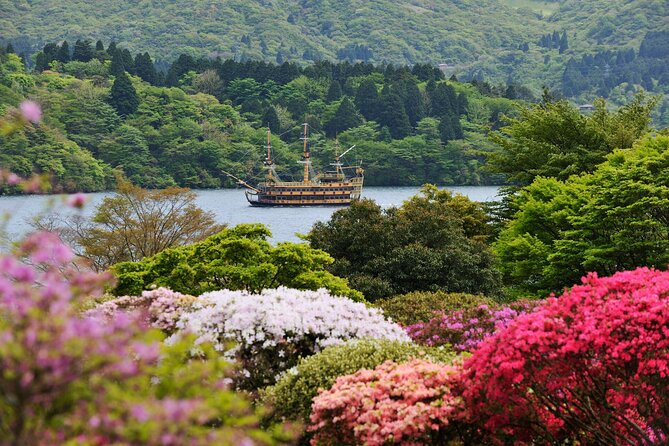
Lake Ashi is where you get the classic Hakone feel fast. After leaving Tokyo, you board the Hakone Pirate Ship for about 25 minutes. The idea is simple: you get out on the lake, you look around at greenery and scenic shoreline, and you try for Mt. Fuji from the water. When it works, it is a high-impact first taste of the region.
The practical catch is weather. The cruise is weather dependent, and in bad conditions the cruise can become inaccessible. The tour plan includes an alternative facility if that happens, but the lesson is to keep expectations flexible. If Fuji is hiding behind cloud, you might still enjoy the lake scenery, but the “Fuji from the water” moment may be harder to nail.
What I like about this stop for your photos is the pacing. It is long enough for you to get multiple angles on the lake and shore, without turning into a sightseeing slog. It also sets the rhythm for the day. You are not rushing from one interior space to another. You get air, open views, and a break from sitting.
Ramen Factory Lunch: Make Noodles and Build Your Bowl
This is the part of the day that feels most memorable because you actually do it. At the Ramen Factory at Mt. Fuji, you start from scratch. You make your own noodles, then you build your bowl. The setup lets you choose your soup base and seasonings, pick toppings, and even decide how firm you want the noodles when they boil.
This is not just a fun activity. It is a cultural shortcut. Ramen is one of Japan’s best-known everyday foods, but making it is a quick way to understand why it is so personal. Choices like noodle firmness and broth style are part of the craft. When you eat later, you have a reason you taste what you taste.
Time-wise, you have about 1 hour. That is enough to feel like you contributed without dragging on forever. You will also sit down to eat your creation. One review detail to keep in mind: the meal can involve traditional low-to-the-floor seating. If you have knee issues or mobility limits, it can be uncomfortable, so wear supportive shoes and be ready to shift positions.
If you are traveling with dietary constraints, read the fine print before you go. Vegetarian requests are possible if you contact the provider at least 7 days before the tour. Halal and vegan lunches are not available.
Arakura Fuji Sengen Shrine: Churei-to Pagoda Views Plus a Stair Choice
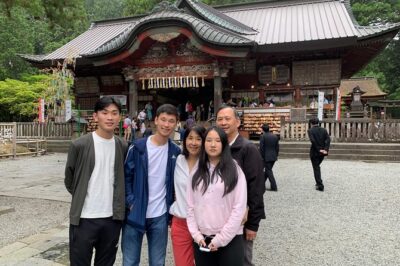
The shrine stop is where the tour shifts from “scenery and snacks” into Japanese spiritual landscape. Arakura Fuji Sengen Shrine is a Shinto shrine founded over 1,500 years ago, dating to 705. It is known for views of Mt. Fuji and for being a strong cherry blossom season stop when blossoms are out.
The walk up gives you multiple shrine moments rather than one single viewpoint. You pass through a grand red torii gate, then you reach the main area. Along the stone staircase, you will see smaller shrines dedicated to safe childbirth and fire protection. The tour gives you two ways to reach the pagoda and observatory area: the steeper Sakuya-Hime staircase with 398 steps, or a gentler sloping path.
This choice matters for your comfort. You are still walking, but you can adjust the difficulty level. The shrine experience is capped by reaching the five-story Churei-to Pagoda and the observatory deck, which is the payoff view spot.
A quick reality check: if the day has been rainy or misty earlier, the shrine atmosphere can feel different, often softer, and views can be hit or miss. Still, the shrine itself is worth it because the pathway, torii framing, and stone route are part of the experience even when Fuji is not fully visible.
Oshino Hakkai: The Eight Ponds That Explain Fuji Water
After shrines and stairs, Oshino Hakkai brings you down to something gentler. The name refers to eight seas, or eight ponds, formed from melted snow from Mt. Fuji’s peak. The water does not just appear. It is filtered through volcanic rock over about 80 years before emerging in these clear ponds.
That slow water story makes the place feel meaningful. You are not just looking at a pretty village. You are seeing how a mountain’s winter turns into a village’s everyday water. It also explains why the ponds look so clean and why the area has long been linked to Fuji pilgrim culture.
You also get time to wander. Oshino Hakkai is known for markets and smaller local vendors, with regional treats, souvenirs, and items like local fruit and wine being sold. This is one of those stops where you can slow down, take photos at pond edges, and browse without rushing back to the bus in a panic.
Time-wise, you have about 1 hour 20 minutes. That usually gives you enough room to walk the main paths and still pause for snacks, especially if you are not trying to do every shop.




Your Guide Makes It Feel Like a Day Trip, Not a Checklist
The best feedback from people who took this tour highlights the guide experience. Guides such as Yoko, Mami, Hiro, and Kauori are repeatedly described as warm, organized, and helpful with English commentary during the ride. That matters more than you think. When a guide explains how the landscape, shrine traditions, and even ramen-making fit together, you feel less like you are tagging along and more like you understand what you are seeing.
Guide quality also shows up in how the day handles problems. One example from a real trip: if timing gets affected by the driver, the guide can help you find a workable solution. Another example: on a rainy day, the guide still kept the experience moving and focused on making the best of Fuji moments when the sky clears.
The flip side is that the day can depend on real-world timing. Heavy traffic on the return journey and occasional route changes can happen. If you are the type who gets annoyed by surprises, this is where you will feel them. If you can roll with it, the guide support is often what keeps the day positive.
Price and Value: Where Your $128.69 Actually Goes
At $128.69 per person, this is not a bargain-basement budget tour. So the question is value: what are you paying for, and would you do the same combination on your own?
You are paying for a full-day package that includes:
- an air-conditioned bus with free Wi-Fi and round-trip transfers from Shinjuku
- an English-speaking guide
- the ramen-making experience and lunch
- the Lake Ashi cruise ticket if your booking includes that option
Individually, transport out to Hakone, a paid experience like hands-on ramen, and a cruise ticket can add up fast, especially when you factor in convenience. This tour removes the need to coordinate transfers, ticket lines, and timing across multiple towns.
Also, there is value in learning while you move. Shrine context, the water story behind Oshino Hakkai, and explanation during the ride can turn “I saw it” into “I get it.” The high recommendation rate and strong rating score are consistent with that benefit.
One caution: you might be charged indirectly through your own spending. Personal expenses and anything not included are on you. Also, if weather cancels the cruise, there is an alternative plan, but the experience you wanted most can change. You should book with a flexible mindset.
Weather and Traffic: How to Prep So You Enjoy the Day Anyway
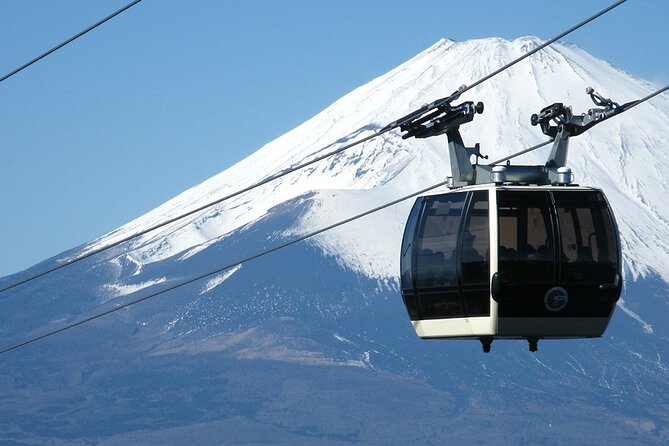
Japan in the mountains means weather is a variable, not a detail. Mt. Fuji may appear, may hide, and may show up only briefly. The Lake Ashi cruise is specifically described as weather permitting, and the tour adds that the cruise can be replaced with alternative facilities if access is not possible due to bad weather, service suspension, or traffic jams.
Traffic is also real. The tour schedule is subject to change for safety. That means you should build your day around this tour, not around a strict second plan later that evening.
Also, be on time at the meeting point. The bus leaves as scheduled and does not wait for late arrivals. In Shinjuku, that is extra important because the area is easy to get turned around in. If you tend to run early, do it. If you tend to arrive “right on time,” switch to earlier for this one.
Who Should Book This Tour, and Who Might Want a Different Plan
I would point you to this tour if you want a single day that covers:
- Hakone scenery with a real sightseeing boat moment
- hands-on Japanese food that you actually take part in
- Fuji-linked cultural stops, including a major shrine viewpoint and Oshino Hakkai’s spring ponds
You’ll also like it if you are comfortable with moderate walking. There is a meaningful amount of walking, and reaching the pagoda may involve a staircase or a sloping path. The guidance is that it is not recommended if you have difficulty walking distances of about 10 to 15 minutes.
You might want to pass if your biggest travel priority is maximum comfort and minimal walking. Also, if you need halal or vegan meals, note that those lunches are not available on this tour. Vegetarian requests can work with advance notice.
This is also a good option for solo travelers or pairs. A max group size of 42 can still feel friendly, and the included bus transfer makes it feel easy even if it is your first day in Japan.
Should You Book This Mt. Fuji and Hakone Tour?
If you want convenience and you like practical sightseeing, I think this is a smart booking. The combination is strong: a Hakone Lake Ashi cruise try, ramen-making you will remember, and two Fuji-flavored cultural stops that are easy to understand once you are there. The guide-driven experience is a real highlight, with names like Yoko, Mami, Hiro, and Kauori showing up in positive notes for being helpful and keeping things moving.
Book it if you can handle weather uncertainty and some walking. Skip it if you need halal or vegan lunch options, or if walking 10 to 15 minutes at a time is difficult for you.
With a 4.8 rating and 97% recommending it, this is one of those tours that earns its popularity because it delivers a packed day with real hands-on value, not just bus windows and quick stops.
FAQ
What time and where does the tour start in Tokyo?
The tour starts at 7:40 am at Shinjuku Center Building, 1-chōme-25 Nishishinjuku, Shinjuku City. The end point is back at the same meeting point.
How long is the tour?
The duration is about 11 to 12 hours.
Is hotel pickup included?
No. Hotel pickup and drop-off are not included.
Is the Lake Ashi cruise guaranteed?
No. The cruise is weather permitting. If the cruise becomes inaccessible due to bad weather, service suspension, traffic, or similar issues, the tour takes you to alternative facilities, and refunds are not given for this reason.
What is included with the ramen-making lunch?
You get the ramen-making experience and lunch. The hands-on portion includes making noodles from scratch, choosing your soup base and seasonings, selecting toppings, and boiling the noodles to your preferred firmness.
Are vegetarian, halal, or vegan meals available?
Vegetarian requests can be accommodated if you contact the provider at least 7 days before the tour. Halal and vegan lunches are not available.
Which shrine will I visit?
The tour includes a shrine visit of your choice, either Arakura Fuji Sengen Shrine or Tenku no Torii.
Is there a lot of walking?
Yes. There is significant walking. To reach the Churei-to Pagoda, you may choose between a staircase or a sloping path. It is not recommended for those who have difficulty walking distances of about 10 to 15 minutes.
Do I get an entry ticket or boarding ticket for the cruise?
The sightseeing cruise boarding ticket is included if your selected option includes it. The cruise itself is subject to weather and accessibility.
What is the cancellation rule if I need to change plans?
You can cancel up to 24 hours in advance for a full refund. Changes made less than 24 hours before the experience start time are not accepted, and the amount paid is not refunded if you cancel later than that.
More Boat Tours & Cruises in Tokyo
More Tour Reviews in Tokyo
Not for you? Here's more nearby things to do in Tokyo we have reviewed












Mount Fuji Tours, side by side.
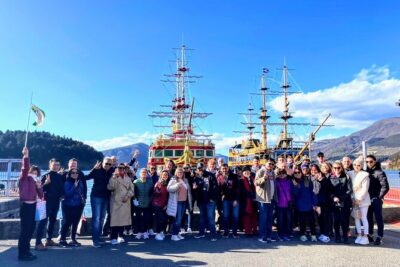 ★ 5.0Mt Fuji and Hakone 1-Day Bus Tour Return by Bullet TrainFrom $16326,383 reviews
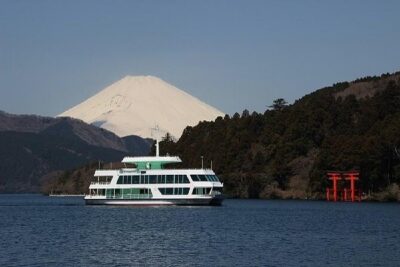 ★ 4.0Mt Fuji & Hakone Cruise, Drum Show Bullet Train 1 Day from TokyoFrom $1497,413 reviews
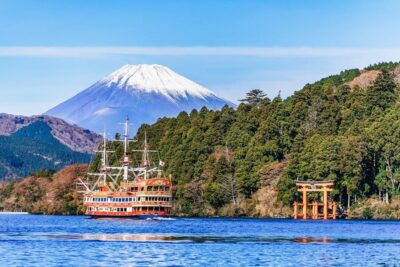 ★ 4.4Tokyo Mt Fuji 5th St & Hakone Cruise Bus Tour w/Bullet TrainFrom $1545,024 reviews
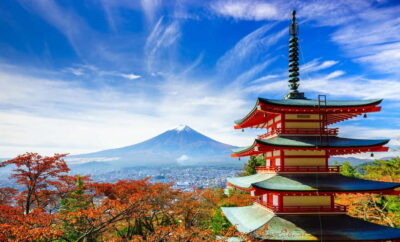 ★ 4.5From Tokyo: Mount Fuji Full-Day Sightseeing TripFrom $684,970 reviews
 ★ 4.7Mt. Fuji Tour, Hakone Ropeway, Owakudani, Lake AshiFrom $544,002 reviews
 ★ 4.2Mt. Fuji 5th Station & Hakone Cruise 1-Day Bus TourFrom $1292,381 reviews
 ★ 4.7Mt Fuji Top 5 Spots Day Tour: Arakurayama Park,Oshino HakkaiFrom $532,066 reviews
 ★ 5.0Private Tour to Mt. Fuji and Hakone (Fully Licenced Operator)From $4971,910 reviews
This tour also belongs to