
Review · MOUNT FUJI TOURS
Mt. Fuji Tours to Lake Kawaguchi and Yamanaka Onsen English Guide
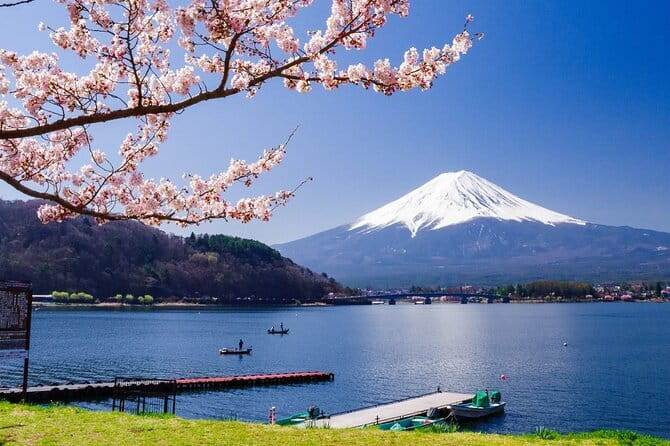
Fuji days get real when the route matches the season. This English-guided trip takes you from Tokyo to Lake Kawaguchi and Lake Yamanaka for hot-spring views and classic Mount Fuji photo stops, with the exact sightseeing highlights switching between Arakurayama Sengen Park and Mount Fuji 5th Station depending on the dates. You might also get a guide like Christy, Damon, Mario, or Mr Sandy, and the best part is how smoothly they handle the group in multiple languages.
I love the mix of scheduled time and real viewing freedom, with a free 30 minutes by Lake Kawaguchi for straight-on Fuji viewing. You’ll also like the clear day-trip structure, because it’s built for one goal: getting you into the right spots without a headache.
One possible drawback is simple: the hot spring baths are extra, and time at the onsen stop is limited, so plan your bathing decision early. If the bath is the main reason you booked, budget the fees and be ready to pay on arrival.
Key highlights to know before you go
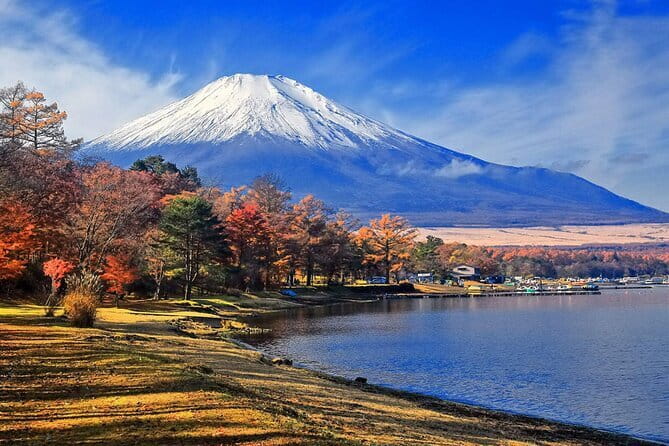
- Seasonal route switch (Arakurayama vs Fuji 5th Station): October 1 to April 25 centers on Arakurayama Sengen Park, while April 26 to September 30 goes up to Fuji 5th Station instead.
- 30 minutes of free Fuji viewing at Lake Kawaguchi: use this for your best photos when the sky cooperates.
- Lake Yamanaka onsen option with structured timing: about 70 minutes total, with bath fees paid directly, including towel costs.
- Arakurayama Sengen Park has the classic viewpoint combo: panoramic Mount Fuji views plus the chance to climb 397 steps near the shrine.
- Fuji 5th Station includes a real altitude change: about 2,305 meters, plus a different way of seeing the mountain.
- Small-ish groups, big guidance value: maximum 45 travelers, with a certified guide and a multilingual experience in practice.
Why this 8-hour Fuji day trip actually works from Tokyo
This is an all-in-one day out of Tokyo built around the Mount Fuji viewing zones that people talk about for a reason. The tour runs with daily departures, and it’s designed for a guaranteed departure on your chosen day (minimum 1 person). You’ll get a mobile ticket and confirmation by email, including details you’ll need the night before like the guide phone number and the car license plate.
At 8 hours approx., it’s long enough to feel complete, but not so long that you’ll feel stuck for the whole day. The biggest practical win is that the driving, fuel, and highway tolls are handled, and you’re with a certified tour guide rather than trying to piece together buses and timed connections on your own.
Price-wise, it’s $61.06 per person. That can feel like a bargain compared to what you might pay if you had to hire a car and driver plus a guide separately. The catch is what’s not included: food, drinks, and hot spring bathing fees are all extra. If you’re the type who snacks as you go and keeps spending controlled, this can be a strong value. If you want meals included and a paid onsen experience guaranteed, you’ll want to budget ahead.
Also, note this is a fixed carpool itinerary. That matters, because it keeps the schedule tight and efficient, but it also means you won’t be free to wander for extra time at every stop.
You can also read our reviews of more guided tours in Tokyo
Lake Kawaguchiko first: 30 minutes of freedom plus season-driven sights
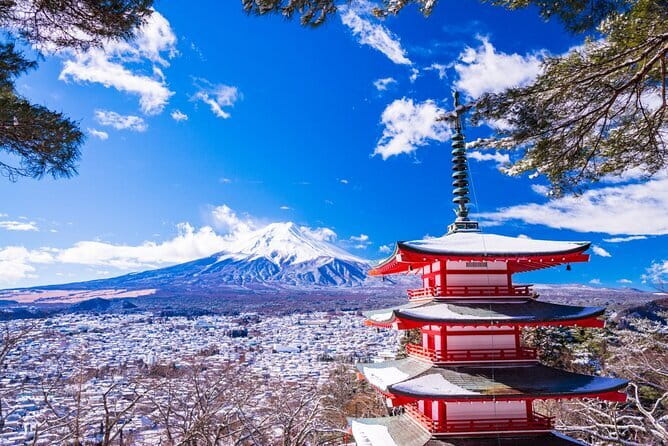
Your day starts at Lake Kawaguchiko (Lake Kawaguchiko). You get a first block of about 30 minutes of free time to look at Mount Fuji. This is the moment you should treat like your photo window. Clear weather makes a big difference, and Fuji visibility can change quickly. If you want your best chance at crisp views, this is where you focus first.
After that, the tour shifts into a seasonal limited program designed to show Mount Fuji changes through the year. The stop lengths are roughly an hour each for the featured attraction, plus the schedule includes time for the surrounding lake area.
Here are the seasonal choices you might see at Lake Kawaguchiko, depending on your travel dates:
- Lake Kawaguchiko Oishi Park (11/24 to 4/14, and 5/29 to 7/10)
Expect about 60 minutes. This is set up for big Fuji views with seasonal atmosphere around you.
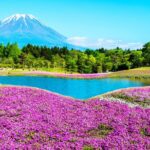
- Lake Motosu Fuji Shibazakura Festival (4/15 to 5/28)
About 60 minutes. Shibazakura is the kind of seasonal color that photographs well when the mountain is visible.
- Lake Kawaguchiko Music Museum (7/11 to 10/19)
About 60 minutes. This is a different flavor from the parks, good if you want a break from purely outdoor viewpoints.
- Kawaguchiko Maple Leaf Corridor (10/20 to 11/23)
About 60 minutes. In autumn timing, this can give you the warm color foreground that makes Fuji photos look extra layered.
Lunch is part of the overall timing here in a simple way: you’ll have time set aside for it, and the schedule may label lunch as available, but you pay for what you eat. Think of this as convenience timing, not a meal included deal.
The tradeoff at Lake Kawaguchiko: the tour gives you a taste of multiple “best-of” zones, but the time is still limited. If you’re the type who wants one place for an hour longer, you’ll feel the constraints here. For most people, though, the tight structure is exactly what makes the day manageable.
Lake Yamanaka and the onsen decision: pay fees, control timing
Stop two is Lake Yamanaka, and this is where the tour tries to give you two things at once: Mount Fuji views and a hot spring experience. You get about 70 minutes at this stop.
The special detail here is that Lake Yamanaka is described as the only lake among the Fuji Five Lakes with a natural river outlet. That doesn’t change your day-to-day, but it does help explain why Yamanaka is treated as a distinct choice from the other lakes.
If you want the onsen, the tour offers pick-up and drop-off in the same car, but the bathing costs are not included. The main option shared is:
- Yamanakako Hot Spring Red Fuji no Yu
You can soak while looking at Mount Fuji, and there’s a listed bath fee:
- 1,120 yen for adults (adult bath fee plus towel fee)
- 920 yen for middle and high school students
- 570 yen for elementary school students
There’s also an additional suggestion: visiting the Fuji viewing onsen lounge when Red Fuji no Yu is closed every Tuesday. In that case, the cost listed is 1,600 yen on weekdays.
How to use the 70 minutes wisely:
If you’re definitely bathing, don’t treat the whole stop as sightseeing time. Move fast between your viewing moments and your onsen plan so you don’t end up rushing at the end. If you’re undecided, you can still do a quick Fuji look, then decide based on what time you have left.
This is the part where a lot of day trips go wrong, because hot springs can quietly eat time. Here, the tour gives you a clear time block. Your job is to decide early what you want more: lingering photos or the full soak experience.
Arakurayama Sengen Park or Fuji 5th Station: the seasonal swap you should plan for
This tour has one big structural difference by date.
October 1 to April 25: Arakurayama Sengen Park instead of Fuji 5th Station
When you travel in the colder half of the year, the itinerary visits Arakurayama Sengen Park rather than the Mount Fuji 5th Station. That stop is about 1 hour, and it’s designed around panoramic views.
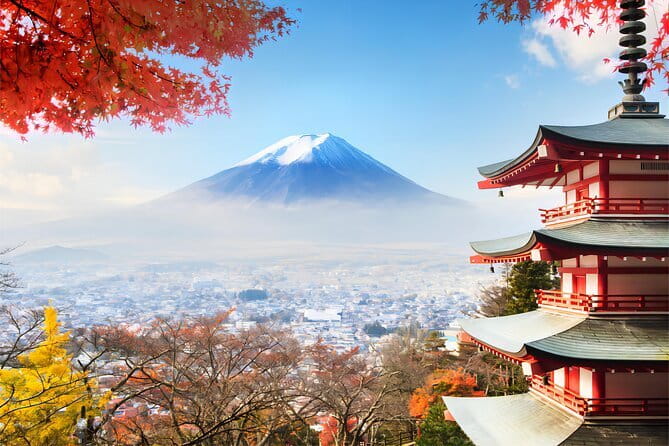
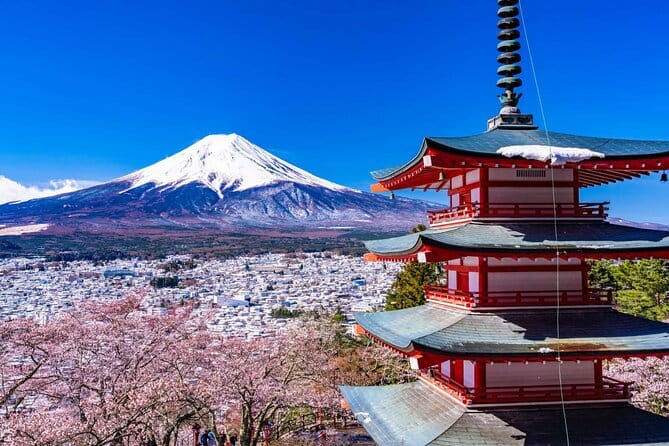
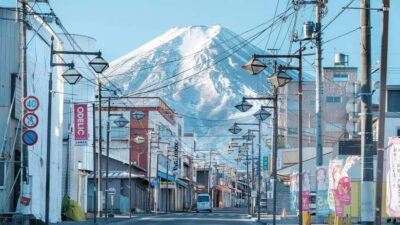
You’ll also have the option to climb 397 steps near the main shrine. This is the kind of climb that sounds minor until you realize it’s a climb with constant reward: you’re getting the viewpoint, the pagoda framing, and Mount Fuji at once. The scenic payoff described is a photo setup that includes the five-story pagoda, Mount Fuji, and the street view at the foot of the mountain.
Arakurayama Sengen Park is also specifically noted for seasonal scenery: cherry blossoms in spring, fresh greenery in summer, red leaves in autumn, and snowy scenery in winter. It also gives you a view over Fujiyoshida city, which is a nice contrast to the pure lake-and-mountain feel of the earlier stops.
More Tokyo tours and experiences for the shortlist


April 26 to September 30: Mount Fuji 5th Station instead of Arakurayama
In the warmer half of the year, the tour swaps in Mount Fuji 5th Station for about 40 minutes. The altitude is listed at 2,305 meters. This matters because it changes how the mountain feels, both visually and atmospherically.
The tour framing here is that Mount Fuji has different moods depending on viewing distance and closeness. From the 5th Station, you get the chance to look up and experience that “sea of clouds” possibility when clouds drift in around the mountain. If the weather cooperates, this is often where people feel like they’re seeing the mountain in a more direct way than from the lakes.
What you should take from this:
If you care more about park viewpoints and a shrine area, you’ll likely prefer the Arakurayama season. If you care about height, thinner air, and the closest official stop to the upper mountain, you’ll prefer the 5th Station season.
The one-hour Mount Fuji stop: when to use that time for photos
Near the end of the trip, you’ll have about 1 hour at Mount Fuji itself. The description is general, but the intent is clear: it’s another viewing window after your earlier lake and park (or 5th Station) moments.
Since Mount Fuji visibility depends heavily on weather, this hour can be either magical or muted. You can make it more productive by deciding your photo priorities before you get there:
- If Fuji is visible, take your main shots fast, then shift to details and angles.
- If clouds roll in, don’t stand still. Move to where the view opens up, and treat the changing clouds as part of the experience rather than a failure.
This is also a good place to pause, because by this point in an 8-hour day, your legs and patience both need a reset.
Lunch, snacks, and the reality of paying for what you eat
Lunch shows up as time to eat, not a meal package. The seasonal plan at Lake Kawaguchiko includes a lunch option where lunch fees are your responsibility. So even though there’s schedule time set aside, you should assume you’ll be paying for lunch and any drinks you want.
My practical advice: bring a small amount of cash for snacks even if you plan to buy something official. Day trips can be time-managed, but menus and payment options vary, and you don’t want to spend your afternoon searching for water.
If you’re sensitive to long bus segments between stops, pack a snack you can eat quickly. It keeps energy up for photo walking and any stairs.
The fixed-group nature: timings are part of the experience
This is a carpooling itinerary with a fixed plan. You should expect:
- you’ll be asked to follow the time limits at each attraction
- you need to stay with the group and follow the driver arrangements
- leaving the group on your own is treated as invalid for the transaction with no fee refund
That might sound strict, but it’s also what makes a day trip like this work. The alternative is chaos, especially if everyone has their own stop timing. For first-time Fuji visitors, fixed timing is often a feature, not a flaw.
There’s also a luggage note. It’s not recommended to carry luggage on this one-day trip. If you do need luggage, it must be clearly registered when you book, and the tour allows 1 luggage per person. If you fail to note it, or if it turns out you have more than 1 piece per guest, an extra charge is mentioned: 100 yuan per extra piece.
If you travel with a foldable stroller, it’s listed as carryable, but you should inform customer service when ordering to avoid being rejected.
Finally, keep your passport and valuables with you during the day. If something goes missing or is damaged, you’re responsible.
How to maximize Fuji odds, and what weather can do to your schedule
This tour is very good at getting you to the right places, but it cannot control weather. The schedule can be adjusted due to weather and road conditions. That’s not a problem if you understand what to expect.
Here’s what matters most for you:
- Clear, cloudless conditions bring the crispest mountain views.
- Cloud cover can create a sea-of-clouds effect, especially around higher areas like Fuji 5th Station.
- On crowded days, the viewpoints can get busy fast, so your best bet is to treat each stop as a short sprint, not a long wander.
If you’re the kind of person who relies on every spoken detail, a small practical note: group audio can sometimes be imperfect on buses. Keep an eye on the guide’s cues, and don’t assume you’ll hear everything perfectly. You can still enjoy the stops even if audio cuts out briefly, because the locations are visual and obvious once you arrive.
Price and value: what $61.06 includes, and what it doesn’t
Here’s the value math in plain language.
Included:
- vehicle service fees in the itinerary
- vehicle fuel costs, tolls, and highway tolls
- driver service fee
- certified tour guide
Not included:
- food and drinks
- meals and local personal consumption expenses
- hot spring bathing fee
Hot spring bathing fees are clearly listed, and they depend on the onsen choice and the day. In other words, you can control your spending, but you cannot avoid it if you want to soak.
For $61.06 per person, the biggest money-saver is the transportation and guide coverage across multiple stops. If you’re traveling alone or in a small group, this can be notably cheaper than trying to coordinate a private car plus an English guide for an entire day.
Who this tour suits best
This tour fits best if you want:
- a guided day trip out of Tokyo with minimal planning
- classic Fuji viewpoints plus one seasonal “wow” zone
- structured timing that keeps you from wasting hours in transit
- a hot spring option at Lake Yamanaka
It’s also a decent choice if you want a stroller-friendly day, since a foldable stroller is allowed with notice.
It may not be your best match if you:
- want flexible stop durations and lots of wandering time
- are bringing multiple large pieces of luggage and want a relaxed day
- want meals included and already know you’ll buy an onsen plus a full sit-down lunch
If flexibility matters to you, the option mentioned is a chartered tour service, which is the route to choose when you don’t want a fixed schedule.
Should you book this Mount Fuji tour to Lake Kawaguchi and Yamanaka Onsen?
Book it if you’re going for a classic Fuji day with English guidance, especially if you care about seasonal scenery at Lake Kawaguchiko and a hot spring option at Lake Yamanaka. The structure makes sense: 30 minutes of Fuji viewing at the lake, a seasonal attraction, then a timed onsen window, then Arakurayama Sengen Park or Fuji 5th Station based on your month.
Skip it or switch to a charter if you strongly prefer to control your own timing, because this is a fixed itinerary. Also, if the onsen is your top priority, plan for bath fees and make your onsen decision early so the 70-minute stop works for you.
If your goal is to see Mount Fuji from multiple angles in one day without stressful logistics, this one is a solid pick.
FAQ
How long is the Mt. Fuji Tours to Lake Kawaguchi and Yamanaka Onsen English Guide?
The tour duration is about 8 hours.
What is included in the price?
The price includes vehicle service fees, vehicle fuel costs, tolls and highway tolls, driver service fee, and a certified tour guide.
Are meals included?
Lunch time is built into the schedule, but food and drinks are not included. Any lunch fees are at your own expense.
Do I have to pay for the hot spring bath?
Yes. Hot spring bathing fees are not included, and you pay on site if you choose to bathe.
Which stops will I visit: Arakurayama Sengen Park or Mount Fuji 5th Station?
From October 1 to April 25, the tour visits Arakurayama Sengen Park and will not go to Mount Fuji 5th Station. From April 26 to September 30, the tour visits Mount Fuji 5th Station and will not go to Arakurayama Sengen Park.
How much time do I get at Lake Kawaguchiko?
You get about 30 minutes of free time at Lake Kawaguchiko to view Mount Fuji, plus additional time for the seasonal attraction.
How much time do I get at Lake Yamanaka?
You get about 70 minutes at Lake Yamanaka.
How many people are on the tour?
The tour has a maximum of 45 travelers.
What is the cancellation policy?
Free cancellation is available up to 24 hours in advance for a full refund. If you cancel less than 24 hours before the experience starts, the amount paid is not refunded.
More Guided Tours in Tokyo

More Tours in Tokyo





More Tour Reviews in Tokyo


Not for you? Here's more nearby things to do in Tokyo we have reviewed












Mount Fuji Tours, side by side.
 ★ 5.0Mt Fuji and Hakone 1-Day Bus Tour Return by Bullet TrainFrom $16326,383 reviews
 ★ 4.0Mt Fuji & Hakone Cruise, Drum Show Bullet Train 1 Day from TokyoFrom $1497,413 reviews
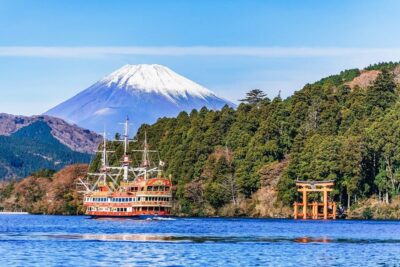 ★ 4.4Tokyo Mt Fuji 5th St & Hakone Cruise Bus Tour w/Bullet TrainFrom $1545,024 reviews
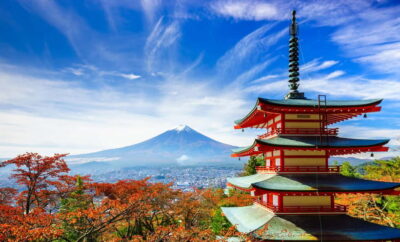 ★ 4.5From Tokyo: Mount Fuji Full-Day Sightseeing TripFrom $684,970 reviews
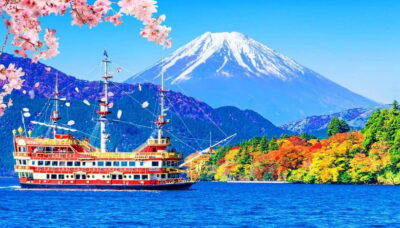 ★ 4.7Mt. Fuji Tour, Hakone Ropeway, Owakudani, Lake AshiFrom $544,002 reviews
 ★ 4.2Mt. Fuji 5th Station & Hakone Cruise 1-Day Bus TourFrom $1292,381 reviews
 ★ 4.7Mt Fuji Top 5 Spots Day Tour: Arakurayama Park,Oshino HakkaiFrom $532,066 reviews
 ★ 5.0Private Tour to Mt. Fuji and Hakone (Fully Licenced Operator)From $4971,910 reviews
This tour also belongs to