
Review · AKIHABARA TOURS
Official Japan Go-Kart Tokyo Skytree/Akihabara (IDP Required)
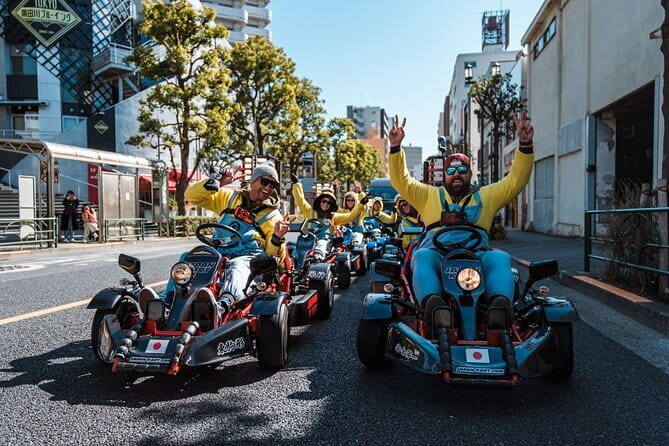
A Tokyo go-kart turns landmarks into motion. I like the way this 90-minute experience stacks major stops like Ameyoko, Ueno Park, and Tokyo Skytree into one ride, and I also like the small group size (max 10) with an English and Japanese speaking guide. The main thing to watch is the driver paperwork: you must have a valid International Driving Permit (IDP) in the right format, plus your home license, or you may be turned away.
You get checked in, briefed, and then you’re out on streets that feel a step closer to real Tokyo than walking alone. You’ll also want to plan your outfit and timing, because alcohol before the tour is prohibited, and the setup does not work with long skirts, high heels, or sandals.
Key Things I’d Put on Your Radar
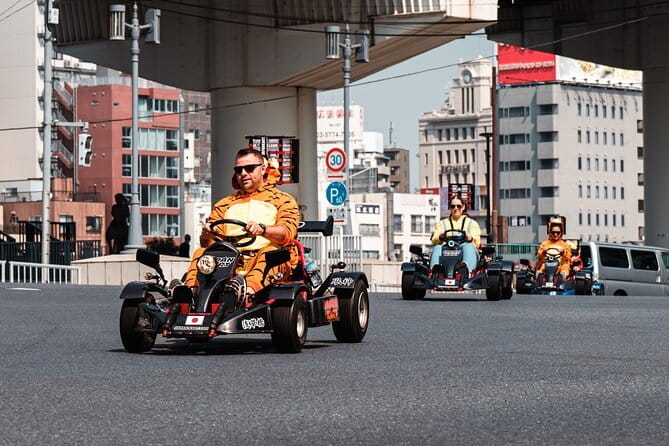
- Skytree and Akihabara in one go-kart route, not hopscotching neighborhoods all day
- Small group cap of 10, so the guide can keep an eye on how you’re doing
- IDP rules are strict, including accepted conventions and booklet format requirements
- Street markets and themed shopping stops, like Ameyoko and Kappabashi Kitchen Town
- A short training video at check-in, plus guidance while you get comfortable behind the wheel
JapanKart Go-Kart Route: The Big Selling Point
This isn’t a random loop around one area. The point here is to cover more ground in less time while still seeing the parts of Tokyo that most first-timers want to hit: Asakusa, Ueno, Akihabara, Kappabashi, and Tokyo Skytree.
Think about what that changes for your day. Instead of spending your limited energy navigating trains, walking, and re-orienting every time the neighborhood changes, you move by go-kart with a guide keeping the route flow. It’s a fun way to get your bearings fast, especially if you’ve got one or two days and want a “Tokyo highlights” sweep without turning your vacation into a full-time logistics project.
Also, that small group cap matters more than it sounds. In practice, smaller groups tend to mean quicker check-in flow, less waiting, and more time for the guide to help when something feels new, like steering or lane positioning.
You can also read our reviews of more tours and experiences in Tokyo.



Checking In, Gear, and the Quick Setup Before You Roll
Plan to arrive 15 minutes before your booking time. The operator says they can wait a maximum of 10 minutes after the reserved time, so don’t gamble on train delays if you can avoid it. The tour also ends back at the meeting point, which keeps the day from spreading out too far.
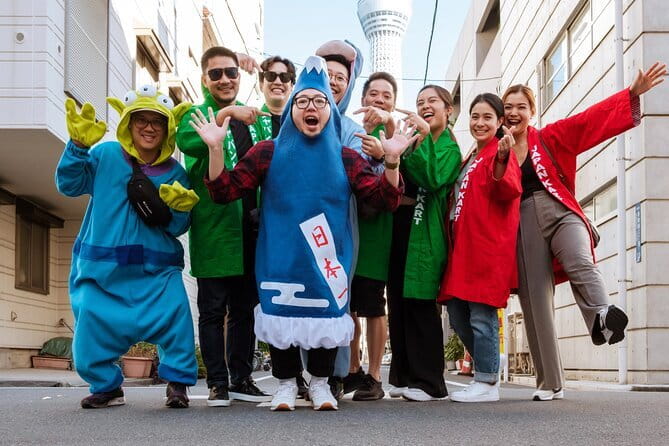
Before you start driving, you’ll go through a setup process that includes waiver-style paperwork and a brief instructional video (it’s described as very short). Then you select outfits or costumes. That’s not just for fun. It helps set expectations in a group activity where people are about to share the streets on karts, so everyone knows the tone is playful while still following instructions.
A couple of practical notes that matter for comfort and safety:
- Alcohol consumption before the tour is prohibited.
- Don’t wear long skirts, high heels, or sandals.
- Follow the instructional video you receive by email.
If you’re someone who hates last-minute uncertainty, watching that video ahead of time is one of the easiest wins you can make.
The IDP Requirement: The One Thing That Can Stop the Whole Tour
This tour runs on one hard reality: you must be able to drive legally in Japan. The operator is clear that you must have an International Driving Permit issued in the format of the 1949 Geneva Convention, plus your driving licence from your home country and your passport.
There are a few important exceptions and edge cases:
- If your license is from Switzerland, Germany, France, Taiwan, Belgium, or Monaco, you don’t use the same IDP rule, but you do need a Japanese translation from JAF (Japan Automobile Federation) and your own driving license.
- IDP must be in booklet form, not in paper or A4 format.
- IDPs issued under the Vienna Convention 1968 are not accepted.
- IDPs must be issued by an approved issuer. Examples include AAA (USA and some other regions), AATA (USA), AA or RAC (UK), and CAA (Canada), as listed by the operator.
I’m not trying to scare you. I’m helping you avoid the most painful kind of travel mistake: showing up excited and then finding out you cannot participate. The negative feedback points to this exact risk, and the operator also states that denial of participation due to document issues comes with no refund.
If you’re unsure, reach out to the operator before your trip. This is one case where asking one extra question beats losing the day.
Stop by Stop: What You’ll See and Why It Matters
Kaminarimon and Asakusa Temple Area
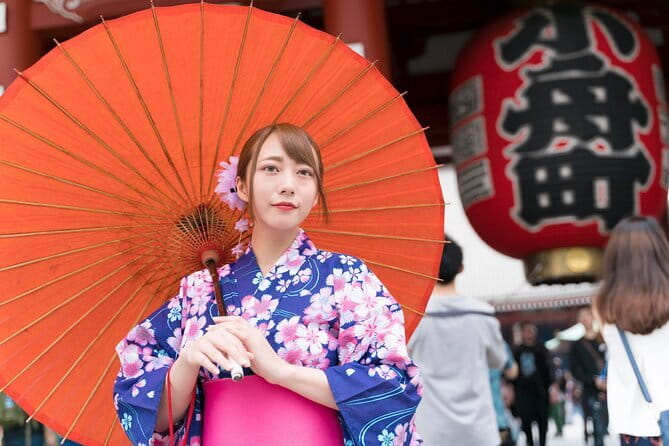
You start with Kaminarimon, the Thunder Gate, famous as the entrance area for Sensō-ji. The big red lantern and the statues of Fujin (god of wind) and Raijin (god of thunder) are the kind of details you’ll recognize even if you don’t know the exact names.
Why this works on a go-kart: Asakusa is one of those Tokyo areas where walking gets crowded fast. Riding through the approach gives you a different angle and lets you get the “wow, this is Tokyo” moment without spending your whole morning navigating foot traffic.
Possible downside: if you’re hoping for long, slow sightseeing at the gate itself, this style is more about seeing key landmarks from the route than spending an extended time inside any single place.



Ameyoko Market, Ueno Side Streets, and Street Energy
Ameyoko (short for Ameya Yokocho) is a classic Ueno district street market. It started with goods that were linked to America, and over time it evolved into a lively market area that feels distinctly Tokyo.
On a go-kart, you won’t shop for hours. What you’ll get is the atmosphere and the layout cues. You’ll see how Tokyo market streets are packed and narrow, and you’ll understand why locals and visitors both love them. This is also a good mental bridge from “big-name sightseeing” to everyday life.
What to consider: market areas can be visually busy. If you’re wearing a costume, you may also feel extra attention from passersby, which can be fun, but if you’re shy, it’s good to know that the street will notice you.
Ueno Park: Culture, Museums, Zoo, and Seasonal Drama
Ueno Park is a large public space known for cultural attractions like the Tokyo National Museum and Ueno Zoo, plus seasonal highlights like cherry blossoms in spring. Even if you’re not traveling in bloom season, the park’s role in the city is obvious. It’s where people come for open-air time and major cultural stops.
Why include it on a kart: you get the “park feel” without having to plan a separate half-day. It’s an easy win for travelers who want variety in one outing, not just neon and electronics.
Small caveat: the park is big, so your kart experience is more about passing through key zones and getting that sense of scale than doing a museum visit during the tour.
Akihabara: Tech, Anime, and Neon Streets
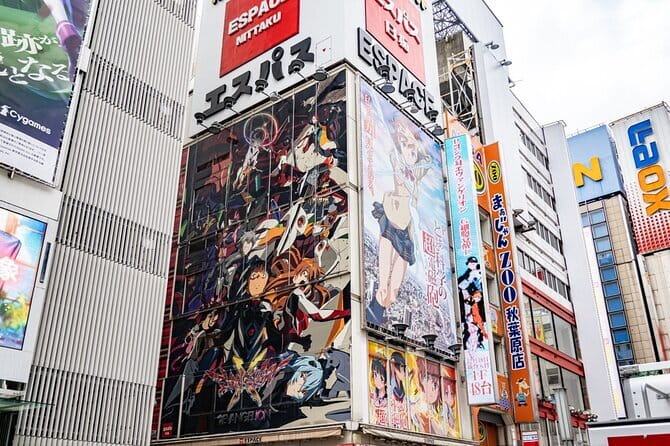
Akihabara, often called Akiba, is Tokyo’s otaku and electronics hub. The streets are lit with neon, and you’ll see tall electronics stores plus anime and manga shops.
I like this stop on a go-kart because it turns Akihabara from a “shop browsing” destination into a “feel the neighborhood” ride. You can clock the vibe in minutes, which helps if you later want to come back on foot for the stores that match your interests.
Consideration: if you’re sensitive to crowds or loud visual stimulation, Akihabara can feel intense. The kart ride helps you sample it quickly, but it still has that high-energy pulse.
Kappabashi Kitchen Town: Knives, Cookware, and Food Models
Kappabashi is often called Kitchen Town for a reason. You’ll find shops selling professional-grade knives and cookware, and also those plastic food model displays that are everywhere in Japanese restaurants.
This stop is practical, even if you don’t plan to cook a fancy meal. The real value is learning what’s available and how Japanese food culture shows up in retail. If you like food photography, you’ll also probably enjoy noticing how the model displays are made to look real.
What to watch: this is shopping-adjacent, so if you’re the type who needs a lot of time to browse, you may want to add a separate visit later.
Tokyo Skytree: 634 Meters of City Views
Tokyo Skytree rises to 634 meters and offers observation decks with panoramic city views, plus views that can include Mount Fuji under the right conditions. Inside, there’s also plenty to do, including shopping and dining, plus attractions like an aquarium and a planetarium.
This is a great ending point because you’re coming off neighborhoods that feel hyper-specific (markets, Akihabara, food tools) and then you get the big picture. Even if you don’t spend long inside Skytree, arriving at it as a landmark you can feel in your bones makes the whole day land better.
Possible drawback: observation decks require extra time if you plan to go up. This tour is designed as a ride experience, so treat Skytree as a major highlight moment rather than a full attraction stop.
Price Value: Why $65.69 Can Make Sense in Tokyo
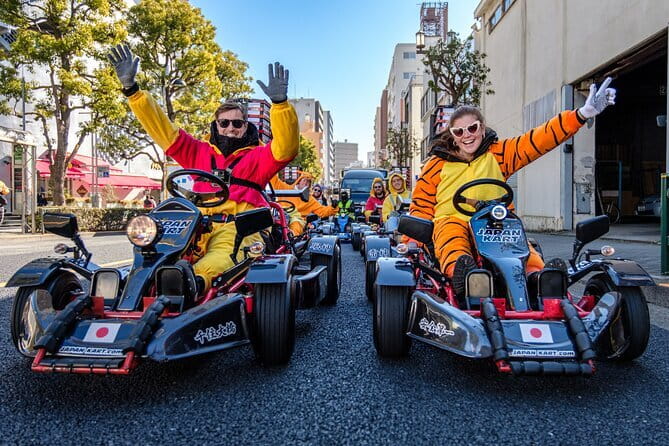
At about $65.69 per person for a 90-minute experience, the math works if you want two things at once: movement and access. You are paying for a go-kart plus an English and Japanese speaking guide, and you’re also paying for the route planning that stitches together multiple top Tokyo areas.
In Tokyo, transport and time add up quickly. If this outing replaces a day of hopping across several neighborhoods on foot and train, the cost starts to look reasonable. And the small-group size helps you feel less like you’re in a cattle line.
The big value unlock is that you get a highlights-style sweep: Asakusa energy, Ueno park space, Akihabara tech culture, Kappabashi food gear, and the Skytree skyline moment. That is a lot to pack in one go.
The counterpoint is that the value depends on you being ready with the IDP documents and wearing the right footwear. If you’re not, the price can turn into a non-starter.
Who This Tour Fits Best
This is a strong match if you:
- Have limited time and want a lot of Tokyo in one outing
- Enjoy playful, high-energy activities and don’t mind being seen in costume
- Want an easy, guided way to experience major neighborhoods like Akihabara and Skytree
- Are comfortable following rules and safety instructions
It might be less ideal if you:
- Don’t have the exact driving documents (IDP in the accepted format)
- Prefer quiet, slow sightseeing and long stops at each landmark
- Have trouble with active movement in a costume setup
Simple Tips to Make It Go Smooth
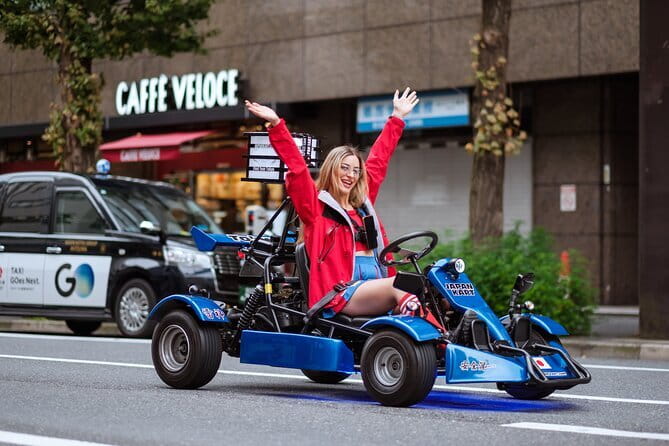
- Watch the instructional video in your confirmation email before you go.
- Confirm your IDP is the right convention and booklet format.
- Wear shoes that work for kart driving, not sandals or high heels.
- Arrive early. 15 minutes is the target, and 10 minutes is the maximum wait after reserved time.
- If you’re planning to take photos, think about timing. The best moments at big landmarks like Skytree tend to be brief during a ride.
Should You Book This Tokyo Go-Kart Experience?
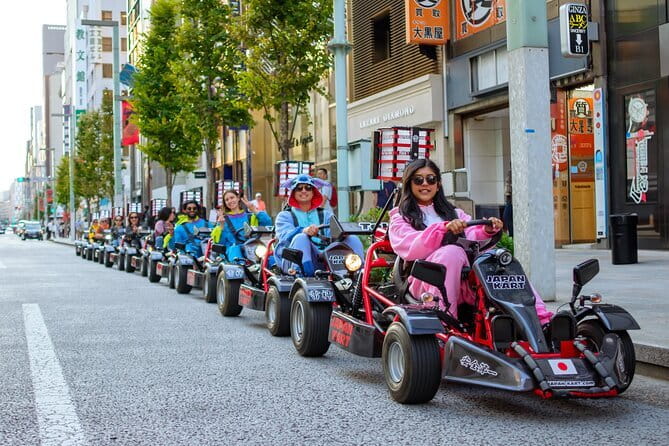
I think you should book it if you want a high-impact Tokyo highlights day and you’re confident about the driving paperwork. The route is smart: it hits Asakusa, Ueno, Akihabara, Kappabashi, and Tokyo Skytree without forcing you to spend your whole trip in transit.
I’d hold off if you’re missing your IDP, unsure about its format, or you’re traveling with footwear or clothing that doesn’t meet the restrictions. In this activity, documents and outfit rules are not fine print. They decide whether the day works or not.
If you tick the requirements box, this is the kind of experience that makes Tokyo feel playful and fast, like your trip has a story instead of just a checklist.
FAQ
What’s the tour duration?
It’s about 1 hour 30 minutes.
How much does the go-kart tour cost?
The price is $65.69 per person.
What’s included in the price?
You get a go-kart and an English and Japanese speaking guide.
Do I need an International Driving Permit (IDP)?
Yes. You must have an IDP in the format of the 1949 Geneva Convention, unless you qualify for an exception based on your home country license listed by the operator.
What should I bring for check-in?
Bring your home driving license, your IDP (if required), and your passport.
What are the footwear and clothing rules?
You should not wear long skirts, high heels, or sandals.
Where do I meet and where does the tour end?
You start at JapanKart2-chōme-18-15 Azumabashi, Sumida City, Tokyo 130-0001, Japan, and the tour ends back at the meeting point.
More Tour Reviews in Tokyo
Not for you? Here's more nearby things to do in Tokyo we have reviewed












Akihabara Tours, side by side.
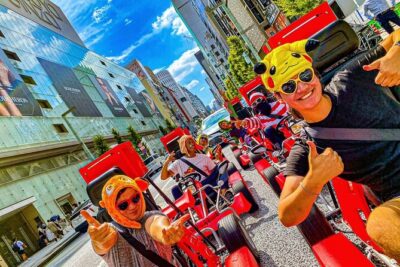 ★ 5.0Official Street Go-Kart Tour – AkihabaraFrom $611,578 reviews
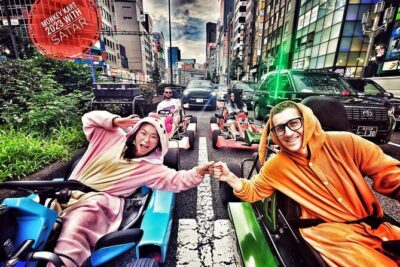 ★ 5.0Tokyo Go Kart: Asakusa, Skytree, and Akihabara **IDP MUST**From $99988 reviews
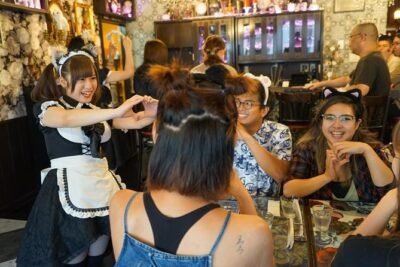 ★ 5.0Akihabara Anime & Game Adventure Walking Tour (Group or Private)From $90404 reviews
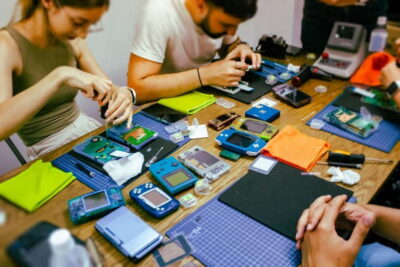 ★ 5.0Gameboy Mod Workshop at AkihabaraFrom $360253 reviews
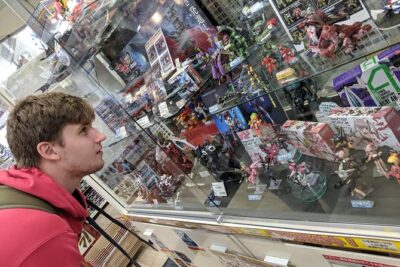 ★ 5.0Akihabara Tailor-made Private Tour for Anime FansFrom $132142 reviews
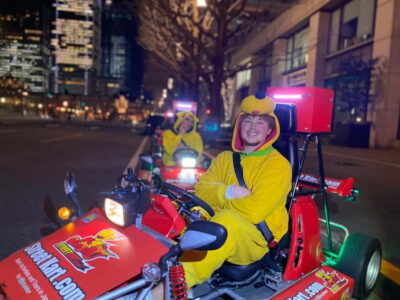 ★ 5.0Original Street Kart Experience from AkihabaraFrom $51111 reviews
 ★ 5.0Ramen Making from Scratch +Akihabara Tour –Tokyo Cooking ClassFrom $123107 reviews
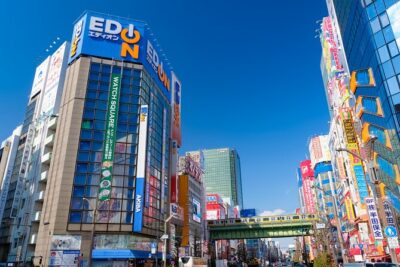 ★ 5.0Tokyo’s Must-Sees: 5-hour Tsukiji, Akihabara & Asakusa TourFrom $10188 reviews
This tour also belongs to