
Review · TOKYO CITY TOURS
Private Custom Tour in Tokyo with a Bilingual Japanese Guide
Tokyo feels huge until you have a guide. This private custom walking tour pairs you with a fully bilingual English-speaking Japanese native guide, so you get a clear plan and real local context. I love the custom itinerary that can mix classic sights with quieter stops, and I also like the stress-reducing navigation help through big neighborhoods. One consideration: you are on your feet for hours, and transportation fees plus entrance fees are not included, so the day can get pricier if you switch to taxis or add paid attractions.
I like how it starts before you even set out. You fill out a pre-tour questionnaire, you can share what you want, and the guide shapes the route and pacing around you. The tour is weather-dependent and designed as a walking experience with flexibility, which is exactly how I want Tokyo to feel on a first or mid-trip day.
Key highlights to know before you go
- Bilingual, English-speaking Japanese native guide who can explain culture and daily life clearly
- Fully customizable routing, so you get options instead of a fixed checklist
- Hotel pickup in central Tokyo on foot, meet at the lobby
- 3 to 8 hours of flexible pacing, with the option to adjust the route or use taxis if needed
- Practical help for public transit, plus local recommendations during the walk
What This Private Tokyo Tour Really Gives You
A private guide in Tokyo is not just about seeing famous places. It is about keeping your day from turning into a stress spiral of maps, crossing signals, and “wait, which train is this?” moments.
What stands out here is the combination of language and local decision-making. You have a bilingual Japanese native guide who can explain what you are looking at, not just point at it. And because the tour is built around your preferences through a pre-tour questionnaire, the day can tilt toward history, food, shopping, neighborhoods, or a mix, without you feeling like you are being dragged through someone else’s itinerary.
In the reviews, the guide is named Nobu, and the comments consistently circle around one theme: he adapts. People liked how he catered to their wishes, helped them navigate restaurants, and made Tokyo feel less hectic. That matters, because the hardest part of Tokyo for many visitors is not the sights, it is the flow between them.
You can also read our reviews of more guided tours in Tokyo
Price and Value: What You Are Paying For, and What You Are Not
At $112.75 per person, this is priced for a true guided experience, not a cheap sightseeing hack. You are paying for a private walking guide’s time, plus the upfront planning: the questionnaire, local recommendations, and help figuring out how to move around Tokyo’s public transportation system.
Here is the practical part: some major costs are intentionally not included. Transportation fees (train or taxi), entrance fees (if any), and food and drinks are not part of the price.
So the value equation is simple:
- If you mainly walk and focus on free or low-cost sightseeing, you will likely feel good about the price.
- If you add multiple paid attractions and use taxis often, your final spending will rise.
One small detail that helps value: the tour includes a mobile ticket. It does not replace your spending needs, but it can make certain logistics smoother on the day.
Meeting Up in Central Tokyo, Then Staying Comfortable
Your pickup is designed to be easy: hotel pickup within central Tokyo is offered on foot, and you meet at the hotel lobby. That is a big deal in Tokyo, where getting from a hotel to a station can take time and navigation effort.
The tour is also built around walking with flexible pacing. The physical level is described as moderate fitness, and the guide can adjust the route or use taxis if needed. That means you are not locked into one harsh pace, which is useful if you have mobility limits, small kids, or just want a slower rhythm for photos and breaks.
One more practical note: the tour is near public transportation, which gives you a safety net if you need to hop off and return earlier than planned.
The Questionnaire: How Your Day Gets Personalized
The pre-tour questionnaire is where this tour starts to feel like yours. You share your interests ahead of time, then the guide prepares options tailored to you.
In real Tokyo terms, this helps with two common problems:
- Time waste: when you do not want to spend hours at a stop that does not interest you.
- Mismatch: when a “must-see” is on your route, but it is not your style.
You can also use the route menu strategically. If you want calmer mornings, you can steer toward shrine or palace-area context first. If you want energy and people watching, you can push busier districts like Shibuya or Shinjuku higher on your day. If you are shopping-focused, Ginza and Shinjuku are natural targets.
The big point is control. The itinerary is presented as a menu of possibilities, not a strict script.
Meiji Shrine and Takeshita Street: Peace, Then Chaos (In a Fun Way)
One classic first stop is Meiji Shrine, a Shinto shrine surrounded by forest in the middle of downtown Tokyo. Even if you are not deep into religious history, the setting does something immediately: it slows your brain down. It is a clear contrast to the concrete city around it.
Then the day can flip to Takeshita Street, known for eccentric desserts, colorful clothing, and animal cafes. This is a great pairing because it shows Tokyo’s range in one stretch: ritual calm on one side, pop culture and playful energy on the other.
A consideration here is crowd intensity. This area can draw lots of foot traffic. A guide helps you move smarter through dense areas and spot what is worth your time versus what is just noise.
You can also read our reviews of more private tours in Tokyo
Shibuya Scramble, Hachiko, and Street-Level Tokyo Life
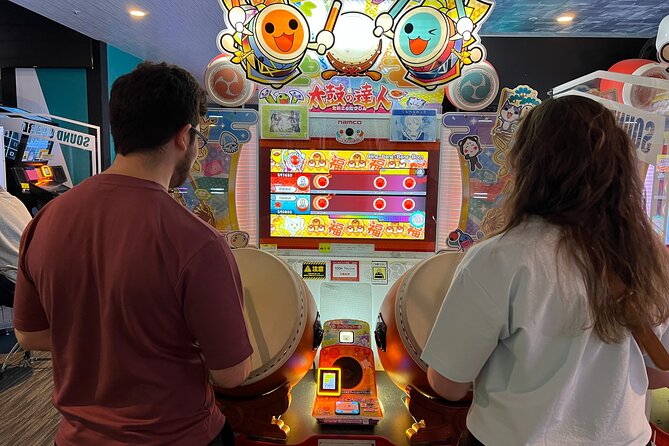
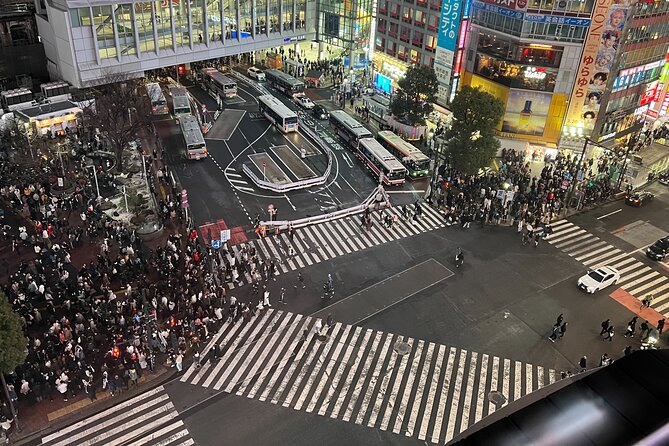
Shibuya is known for the iconic Shibuya Scramble, described as the world’s busiest pedestrian crossing. You are not just seeing a landmark. You are watching how Tokyo handles movement at scale, including how people flow across intersections in waves.
Near Shibuya, you can see the famous Hachiko statue, and then explore the streets filled with shops and restaurants. This part is valuable because it is not only about one photo spot. It is about learning how to navigate an area that feels like a maze, while still getting chances to eat and browse.
From a practical standpoint, this is where a private guide can save your energy. Crossing busy streets is easier when you understand the rhythm and know where to pause, walk, and look.
Asakusa and Senso-ji: Tokyo’s Oldest Temple Mood
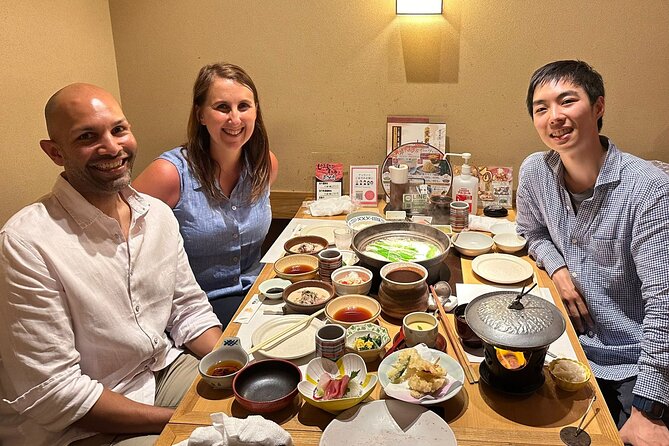
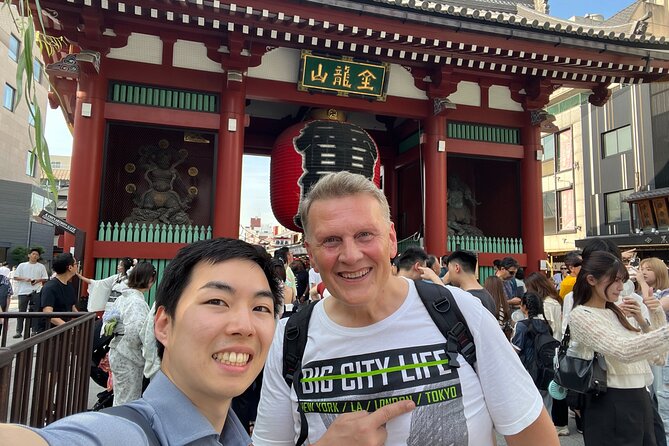
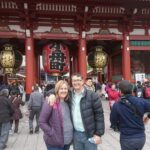
Asakusa is where Tokyo leans older. You go to Senso-ji, described as Tokyo’s oldest temple, and you experience local customs and traditions practiced there. This stop is about more than architecture. It is also about observing the everyday rituals that make a temple visit feel lived-in rather than staged.
After that, you can stroll Nakamise Shopping Street, a lively street known for traditional snacks. The value is simple: you get to taste and snack in a context that matches the setting, instead of treating food as an afterthought.
A drawback to plan for is that temple and shopping streets can be busy in peak times, which means standing in lines is possible depending on the moment. If you want a smoother experience, tell your guide your preferred pace early in the day.
Tsukiji for Food Samples, Not a Lecture
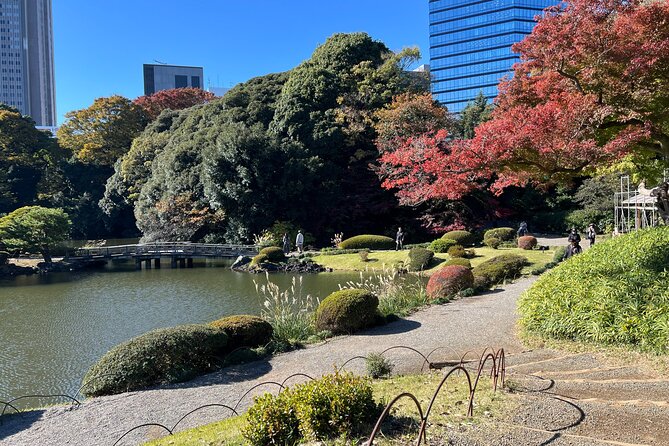
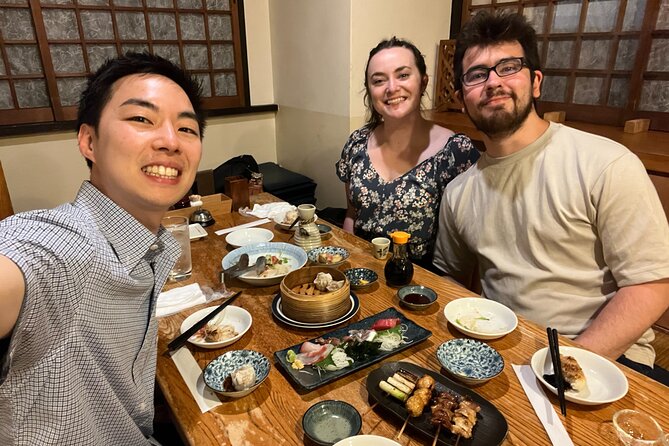
Tsukiji is described as once the largest fish market in the world, and it still draws visitors with a vibrant market feel. Here you can sample fresh sushi, grilled skewers, and other popular Japanese foods.
This is one of the stops where the guide’s local recommendations can matter most. Food in Tokyo can be overwhelming because menus are everywhere and choices are endless. With a guide, you can focus on what fits your tastes and time.
One caution: food and drinks are not included. That is not a flaw, it is just clarity. If you are budgeting, think of Tsukiji as a place where you can spend on tastings, not a free add-on.
Ginza: Modern Architecture and High-Quality Gifts
Ginza is the hub for luxury shopping and modern architecture. You will find flagship stores, fine dining, and art galleries, and it is also described as a good place to shop for high-quality Japanese gifts.
This is not always a must-do for everyone. If you are on a strict budget or you hate shopping districts, your time can still be worthwhile for the architecture and store-front atmosphere. But the “gift” angle is especially useful if you need souvenirs that feel more thoughtful than generic trinkets.
Since food and entrance fees are not included, plan to treat Ginza as either a window-shopping or a gift-finding stop, not a sit-down day unless you budget for it.
Shinjuku Landmarks Plus Shimokitazawa for a Different Tokyo
Shinjuku brings a different kind of energy. The highlights listed include the giant Godzilla head, the 3D cat billboard, and the free observation deck at the Tokyo Metropolitan Government Building. That combination is practical because it gives you both silly pop culture and a chance to look over the city without paying for a separate tower-type admission.
Then you can shift to Shimokitazawa, known as Tokyo’s bohemian district. It is described as youthful, filled with vintage and boutique shops, and it has a creative scene with live music venues and small theaters, plus cozy cafes.
This pair works well because it gives you contrast:
- Shinjuku for major city icons and views
- Shimokitazawa for smaller-scale street culture
The only real consideration is that these districts can be spread out by walking depending on your exact route. The good news is the tour is flexible, and taxis can be used if the walking load gets too much.
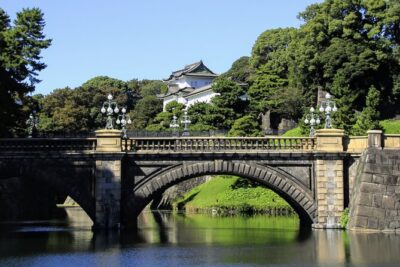
Imperial Palace: Edo Castle Context in Today’s Tokyo
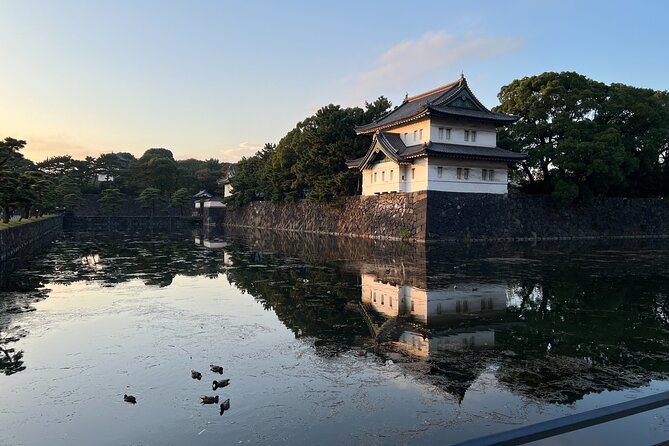
The tour can include Imperial Palace, described as the current residence of Japan’s Imperial family. It is built on the former site of Edo Castle, once home to the Tokugawa shoguns (1603-1868).
This stop is valuable for context. Tokyo’s modern life runs alongside layers of history, and understanding the Edo Castle connection helps you connect the dots when you are later reading about shoguns, periods, and how the city grew.
One practical point: palace-area context often pairs well with a slower pace, because it is the kind of stop where your guide’s explanations can turn a quick walk into something more meaningful.
How the Guide’s Style Changes the Whole Day
From the reviews, a consistent detail is how Nobu keeps things from feeling hectic. People also highlighted that he helps with restaurant navigation, not just sightseeing navigation. That matters because Tokyo has plenty of good food, but getting to the right place, at the right time, without wasting energy, is where the real win is.
Another point mentioned is that Nobu spent time in the West, while still being a Tokyo local. That blend can help you feel more at ease, especially if you are not used to navigating Japanese signage, etiquette, or transport rhythms. In practice, that kind of background often shows up as simpler explanations and better timing choices.
If you want a tour that feels like a conversation with a local rather than a timed checklist, this format fits.
Practical Tips to Make This Walking Tour Work for You
Because the structure is a walking tour with moderate physical fitness requirements, a little planning goes a long way.
- Wear comfortable shoes and plan for several hours on your feet. The route can be adjusted, but the core experience is walking.
- Be ready to budget separately for transportation fees, entrance fees, and food and drinks. That is how the tour keeps itself flexible.
- Use the pre-tour questionnaire actively. If you only say generic goals like landmarks and food, you will get generic pacing. If you share your actual preferences, you will get better routing.
- If you need a slower pace, say so early. The tour is designed with flexible pacing and can switch the plan if needed.
Should You Book This Tokyo Private Tour With a Bilingual Guide?
Book it if you want Tokyo to feel manageable and personal. This is a strong choice when you:
- Want a custom plan instead of a rigid group route
- Care about language support, explanations, and local recommendations
- Prefer walking with flexibility, and you like having someone else handle the navigation
You might rethink if you are looking for a fully all-inclusive day where everything is paid for and built into one price. Entrance fees, food, and transportation are not included, so your total cost depends on how you design the day.
Bottom line: if you want a bilingual guide like Nobu to shape your Tokyo day around your interests, this private custom walking experience is a high-value way to see both iconic neighborhoods and the off-the-beaten-path corners that help Tokyo feel real.
FAQ
How long is the Tokyo private custom walking tour?
The tour lasts about 3 to 8 hours, depending on your chosen schedule and pacing.
What is included in the tour price?
It includes a private and personalized walking tour with a bilingual local guide, hotel pickup within central Tokyo (on foot, meet at the hotel lobby), a pre-tour questionnaire to tailor the itinerary, personalized guidance and local recommendations, and tips for navigating Tokyo’s public transportation system. A mobile ticket is also included.
What is not included?
Transportation fees (train, taxi fares), entrance fees to any attractions, and food and drinks are not included.
Is the tour private?
Yes. This is a private tour/activity, and only your group participates.
Can I customize the itinerary?
Yes. The tour is fully customizable. You share your preferences before the tour, and the guide provides options tailored to what you want to see.
Does the guide speak English?
Yes. The guide is fully bilingual, English speaking, and Japanese.
Is pickup available?
Pickup is offered within central Tokyo. You meet the guide at your hotel lobby on foot.
Is the tour dependent on weather?
Yes. The tour requires good weather. If it is canceled due to poor weather, you are offered a different date or a full refund.
Are service animals allowed?
Service animals are allowed.
More Guided Tours in Tokyo
More Tours in Tokyo





More Tour Reviews in Tokyo


Not for you? Here's more nearby things to do in Tokyo we have reviewed












Tokyo City Tours, side by side.
 ★ 5.01-Day Tokyo Bus TourFrom $12914,250 reviews
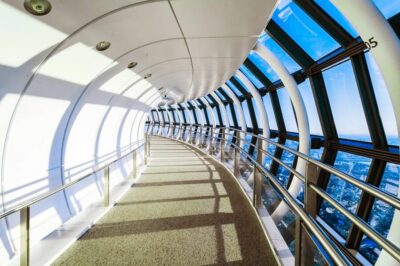 ★ 4.5TOKYO SKYTREE® Admission ticketFrom $1311,192 reviews
 ★ 4.6teamLab Planets TOKYO Digital Art Museum Entry TicketFrom $259,779 reviews
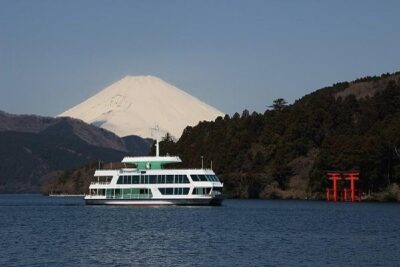 ★ 4.0Mt Fuji & Hakone Cruise, Drum Show Bullet Train 1 Day from TokyoFrom $1497,413 reviews
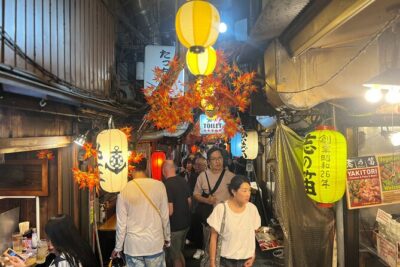 ★ 5.0Shinjuku Food Tour (13 Dishes at 4 Local Eateries)From $866,603 reviews
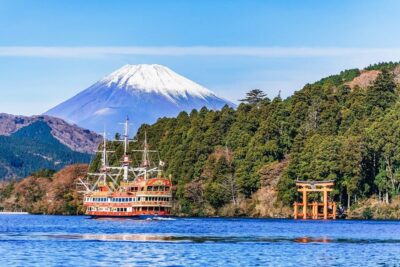 ★ 4.4Tokyo Mt Fuji 5th St & Hakone Cruise Bus Tour w/Bullet TrainFrom $1545,024 reviews
 ★ 5.0Flagship 2-Hours Official Street Go-Kart Tour – Tokyo Bay ShopFrom $644,974 reviews
 ★ 4.5From Tokyo: Mount Fuji Full-Day Sightseeing TripFrom $684,970 reviews