
Review · SHIBUYA TOURS
Private Mochi・Matcha sweets Making Class Near Shibuya Area
Tokyo has plenty of food experiences, but this one is different. You learn to make classic sweets like mochi and nerikiri in a teacher’s home, not at a demo counter. It also includes a simple matcha tea ceremony if you want it, so you get both the cooking and the culture side in one smooth 2-hour block.
What I especially like is the personal instruction in a small setting, where you can actually shape the sweets yourself. I also like the way the instructor connects what you’re doing to Japanese sweet traditions, so it feels meaningful instead of just hands-on sugar production. One consideration: there is a toy poodle in the house, so if you have dog allergies you’ll want to think carefully before booking.
Key highlights at a glance
- Hands-on mochi and nerikiri instruction with step-by-step guidance
- Small group size (max 8) so you are not lost in a crowd
- Matcha included with an optional simple tea ceremony
- Home setting in Sangenjaya near Shibuya, with easy public transit access
- Cultural context from a wagashi instructor, not just recipes
- Dog in the home (toy poodle), so allergies need extra attention
A Private Wagashi Class in a Real Sangenjaya Home
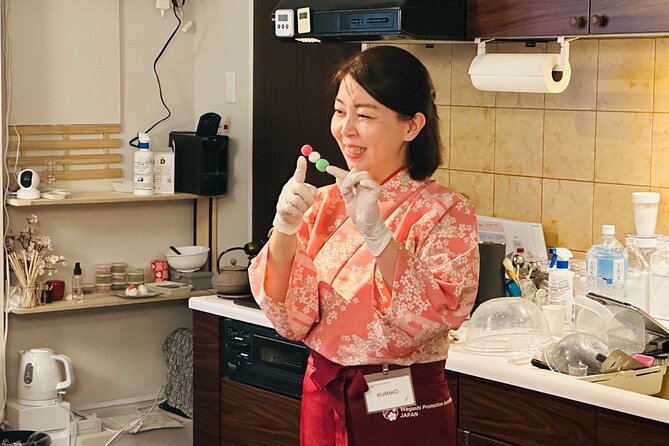
This is the kind of class that changes your relationship with Japanese sweets. You do not just sample wagashi, you learn the logic behind them, the feel of the dough, and how flavors are built. The setting matters too. In Sangenjaya, you are in a lived-in Japanese neighborhood home, not a touristy space pretending to be traditional.
The experience is led by a wagashi-making instructor through Hello japan matcha・wagashi classes. The focus is making mochi and nerikiri with personalized instruction, which is a big deal when you are trying something unfamiliar. Mochi, in particular, is easier to mess up if you have not been shown the exact technique, timing, and texture targets.
The group size is capped at 8 travelers, which keeps things from turning into a rushed, assembly-line situation. You still get the friendly group energy, but you are more likely to get quick corrections while you work.
You can also read our reviews of more private tours in Tokyo

Mochi and Nerikiri Lessons, With Real Technique (Not Just Watching)
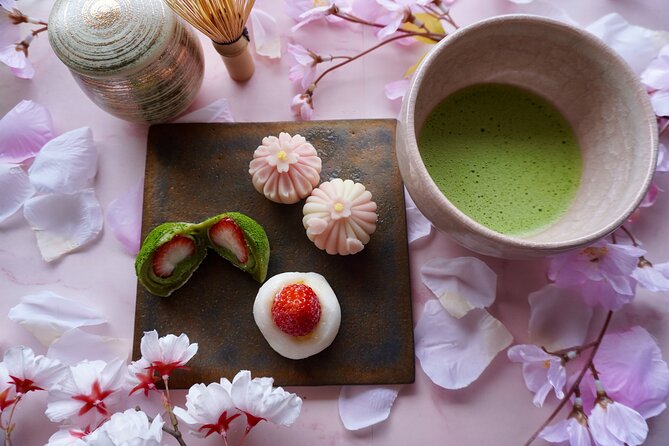
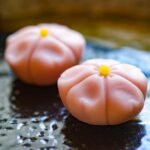
You can expect to learn how to make mochi and nerikiri, both classic Japanese sweets with very different textures and vibes. Mochi is chewy and elastic, while nerikiri is shaped and more refined in look, usually with a softer, molded feel. The class format is built around doing, so you can actually practice the steps rather than standing back.
Here is why that matters. Many cooking classes in Tokyo are heavy on explanation but light on touch. This style of lesson is designed so you can feel the dough and see how small changes affect the result. When you are kneading, shaping, or working with sweet fillings, you start to understand why mochi exists as more than a dessert. It is part of seasonal culture and everyday tradition.
One of the most praised elements is that the instructor does not treat mochi like a random confection. You get context about the importance of mochi to Japanese culture, including why it is celebrated and how it is used. That turns the class from a snack-making hobby into something you can talk about on the train afterward.
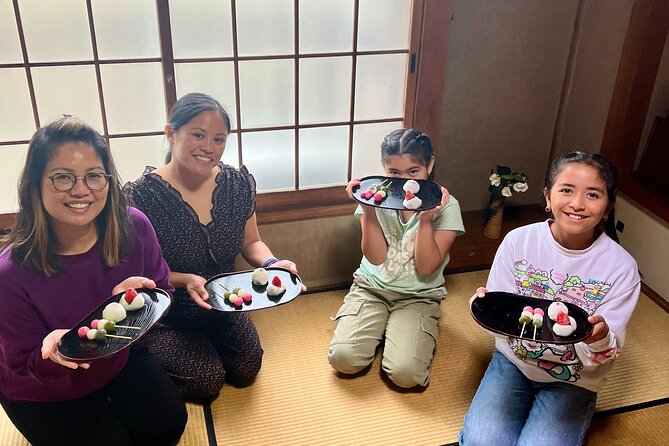
Depending on what you make during your session, you might create familiar shapes like daifuku-style mochi. In past sessions, some participants also mention making additional variations such as strawberry daifuku and even a shaved-ice style using dango. I would not assume every class will cover the same variations, but the teaching clearly supports different outcomes beyond a single one-size-fits-all mochi.
Matcha Tea Ceremony Included, Optional but Worth Doing
The class includes a tea room option, and if you want it, you can take part in a simple tea ceremony experience with matcha included. This is not just a side dish. It is the natural finish to the lesson, because you get to slow down right after making sweets and actually taste them in a proper setting.
What you should look for is the pacing. After handling sticky dough and shaping sweet forms, your brain is still in cooking mode. Tea ceremony mode helps you reset and pay attention to aroma, bitterness, and how the sweetness of what you made lands against the matcha.
Also, it is a nice practical bridge for travelers who want more than recipes. If you like learning how food connects to Japanese daily rituals, this part gives you that without making the whole event feel academic.
What the Sangenjaya Stop Adds to Your Tokyo Day
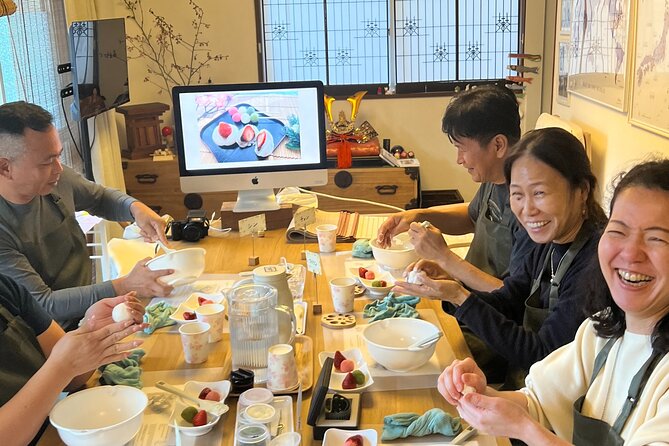
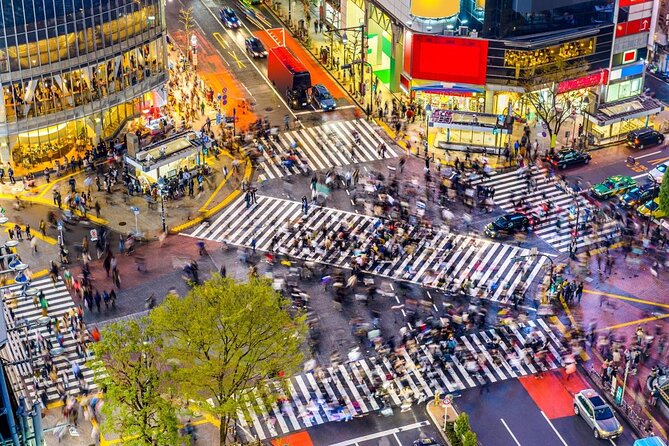
This experience is based around Sangenjaya, in Setagaya City, and it is positioned as a convenient option near the Shibuya area. Instead of spending your time only in the big neon hubs, you get a slice of Tokyo that feels more residential and local.
You start at:
1-chōme-11-13 Sangenjaya, Setagaya City, Tokyo 154-0024, Japan
And the activity ends back at the meeting point.
The return-to-meeting-point setup is more useful than it sounds. Tokyo can eat time with transit, especially when you are mixing neighborhoods. Having the class end where it starts means you can plan your next stop cleanly. You do not have to rethink routes right when you are carrying home sweets or a little extra kitchen confidence.
From what you will likely feel on the ground, Sangenjaya is a good “in-between” location. It is close enough to Shibuya to be easy, but it does not force you into the busiest lanes for the whole experience.
Price and Value: What $78.83 Buys You in Real Terms
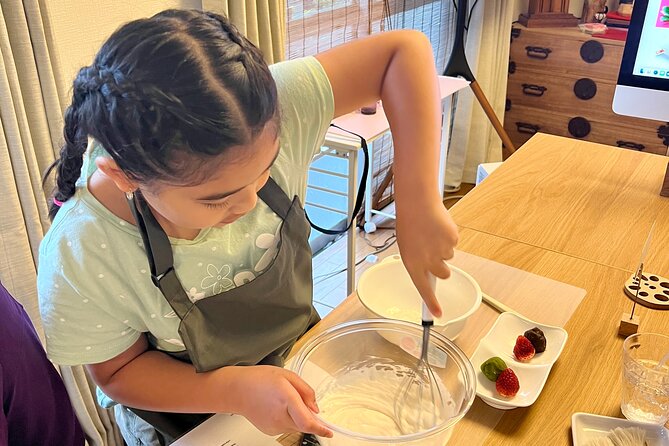
At $78.83 per person, this is not the cheapest way to eat dessert in Tokyo. But it also is not just a tasting flight. You are paying for several things at once:
- Hands-on instruction from a wagashi professional
- Making multiple traditional sweets types, such as mochi and nerikiri
- A included matcha experience if you choose the tea ceremony
- A small group cap (max 8), which typically keeps teaching more attentive
On value, what matters is how much of the class is active learning versus passive viewing. If you want a memorable Tokyo “skill,” not just a photo and a bite, a class like this tends to pay off. The best part is that you leave with something tangible: you taste what you made, and you walk away understanding the steps enough to recognize wagashi in shops later.
If you are traveling as a small group, check whether group discounts apply on your booking date. Even if you are solo, you can treat this as a focused two-hour block that replaces a more scattered food day.
One more practical value point: the booking pattern suggests it is popular, with an average booking lead time of 26 days in advance. If you have fixed travel dates, plan early so you can pick a time that fits your schedule.
More Tokyo tours and experiences for the shortlist


Timing, Mobile Tickets, and How to Make the Most of the 2 Hours
The class runs for about 2 hours. In a city where experiences can drag with late starts, this is a good length. It is long enough to teach technique, produce sweets, and finish with matcha, but short enough that it does not wreck the rest of your afternoon.
You will have a mobile ticket, which is handy in Tokyo. Less paper, fewer chances to misplace something while you are hopping between stations.
A small planning detail that helps: confirmation is received within 48 hours of booking, depending on availability. So if your plans are tight, you will want to book soon after you lock your Tokyo dates.
What to bring? The data does not specify an item list, so I would simply plan to show up ready to get a bit sticky while you make mochi, and bring water like you would for any food activity. Also consider the weather, because the experience requires good weather and may be rescheduled if conditions are poor.
The Dog Factor, Allergies, and Who This Class Suits
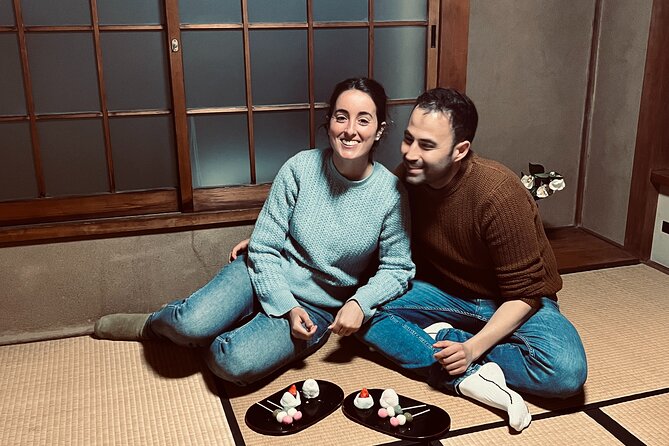
This is the one item you should not gloss over. The instructor’s house has a toy poodle, and the class host notes that it is not recommended for people with dog allergies. At the same time, service animals are allowed.
So, who fits best?
- If you are comfortable around friendly dogs, this can be a charming added detail. People also describe the dog as a fun presence during the session.
- If you have even mild dog allergies, you should probably treat this as a red flag and choose a different activity.
It also feels like a good pick for families, because the teaching is friendly to beginners and parents can learn alongside kids. Several sessions have included parent-child groups, and that tells you the instructor likely has patience built into the way lessons are paced.
If you are a solo traveler, you may enjoy this even more, because small groups make it easier to ask questions and get corrections. If you are coming with friends, you get the social fun without losing the personal attention.
A Few Practical Tips Before You Go
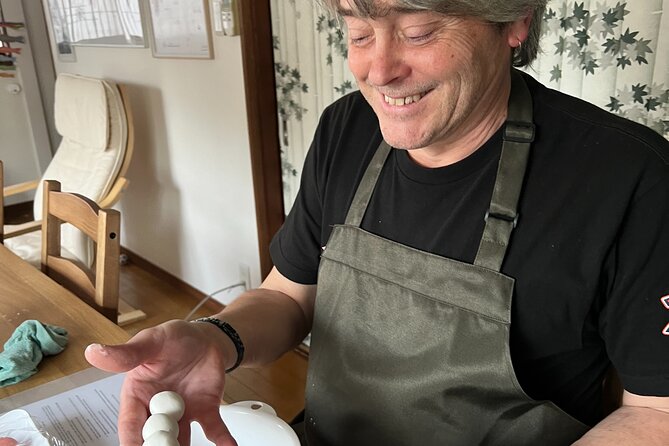
Here are simple things that will help you enjoy the class more, even if your Japanese is basic.
- Take the class as a technique lesson. Your goal is not just the end product, it is learning how the dough should feel and how to shape the sweets.
- If matcha tea ceremony is offered during your session, choose it unless you know you do not like matcha. It is included, and it changes the way the sweets feel to eat.
- Ask about what you can taste and compare. When your sweets are explained in cultural context, your brain starts noticing details you would normally miss.
Also, since the location is near public transportation, plan your route so you arrive early. That gives you time to settle before you start working with sticky materials.
Should You Book This Mochi and Matcha Class?
Book it if you want a real wagashi skill, not a quick snack stop. If you like hands-on learning, small-group attention, and finishing with matcha in a tea room setting, this is a smart way to spend two hours near Shibuya.
Skip it or think twice if dog allergies are a concern, because the host’s toy poodle is part of the home environment. Also, if you only want a casual taste with zero cooking, you might prefer a food tour that stays fully passive.
My final take: this class is worth it when you want something you can do, not just something you can watch. You come away understanding mochi and nerikiri in a way that a shop visit alone rarely gives you.
FAQ
How long is the mochi and matcha sweets making class?
It runs for about 2 hours.
Where does the class take place?
You meet at 1-chōme-11-13 Sangenjaya, Setagaya City, Tokyo 154-0024, Japan, and the experience ends back at the meeting point.
What sweets will I learn to make?
You can learn how to make mochi and nerikiri (traditional Japanese sweets).
Is matcha included?
Yes. A simple tea ceremony experience is available, and matcha is included.
How large is the group?
The class has a maximum of 8 travelers.
Is the location okay if I have allergies to dogs?
There is a toy poodle in the house, and the provider says they do not recommend the class for people who have allergies to dogs.
What happens if weather is bad?
The experience requires good weather. If it is canceled due to poor weather, you will be offered a different date or a full refund.
More Dessert Tours in Tokyo
More Private Tours in Tokyo


More Tour Reviews in Tokyo






Not for you? Here's more nearby things to do in Tokyo we have reviewed












Shibuya Tours, side by side.
 ★ 5.0Official Street Go-Kart in ShibuyaFrom $763,435 reviews
 ★ 4.9Street Kart Experience in ShibuyaFrom $741,484 reviews
 ★ 5.0Shibuya Meltdown Nightlife Tour: All-You-Can-Drink Bar HoppingFrom $1061,058 reviews
 ★ 5.0Shibuya Official Street Go-Kart in Shibuya AnnexFrom $69972 reviews
 ★ 5.0Shibuya Food Tour (13 dishes and 4 Eateries)From $77770 reviews
 ★ 5.0Best of Shibuya Food TourFrom $217612 reviews
 ★ 4.8Shibuya Highlights Walking TourFrom $19601 reviews
 ★ 4.7Premium Go-Kart Tour with Tower & Shibuya CrossingFrom $116528 reviews
This tour also belongs to