
Review · TOKYO SUSHI CLASSES
Private Sushi Making Tokyo Roll and Authentic Japanese Sushi
If you like food that comes with a story, this works. This private sushi making class turns Asakusa into your classroom, with an English-speaking instructor who guides you step by step. I like that you learn both roll sushi and authentic nigiri, and that you eat the results while everything is still warm and fresh. The one catch to consider is simple: there is no hotel pickup, so plan to get yourself to the meeting point near Sensoji Temple.
What makes the class feel personal is the teaching style. In the small details, you can feel how patient guides are, from Yui’s friendly advice to Masaki’s calm, enthusiastic guidance. If your group includes kids, you’ll appreciate that the pace stays beginner-friendly, and that you’re making real sushi, not just watching.
One more note before you go in: it is private for your group (up to 15), but it is still a short experience at about 1 hour 40 minutes. That means you should show up on time, ready to roll up your sleeves and stay focused, at least until you finish eating your own sushi creations.
Key things to know before you go
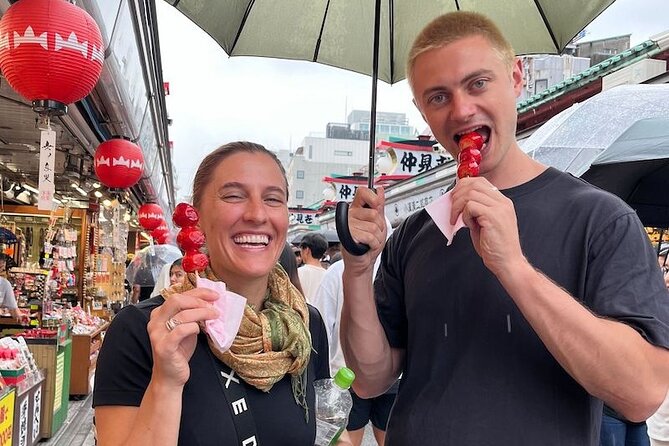
- Asakusa location by Sensoji Temple puts traditional Tokyo right outside the door
- English-speaking instruction keeps the steps clear even if you have zero cooking experience
- You learn rolls and nigiri then eat what you made
- Guides get praised by name (Yui, Masaki, and Ayu show up in the class experiences)
- A chance to see the Sumida River area adds a real sense of place
- Private group format (up to 15) works well for families and friend groups
Why Asakusa makes this sushi class feel like real Tokyo
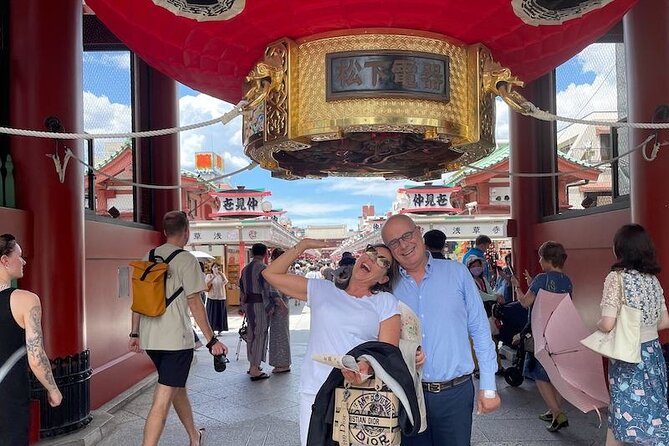
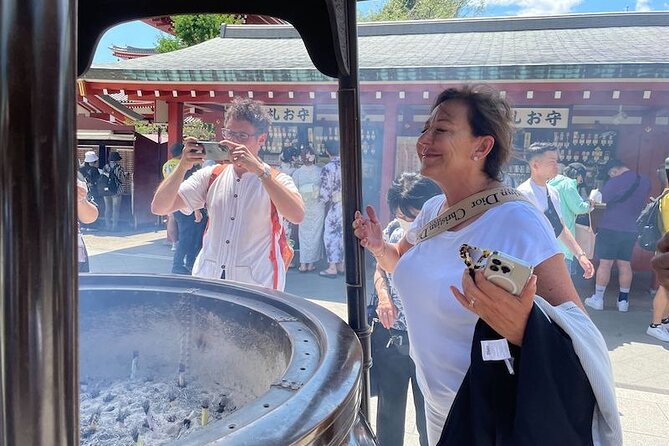
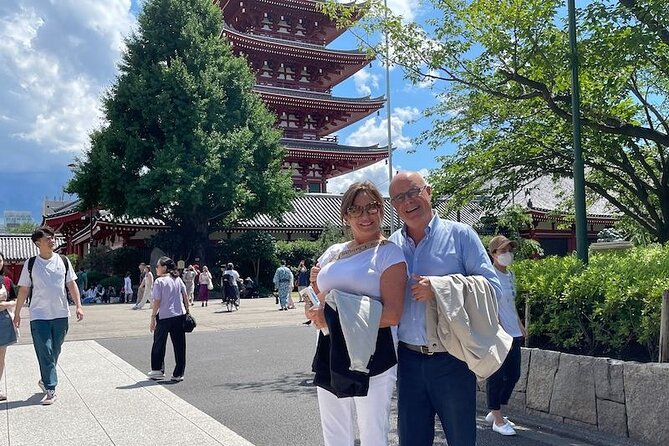
Asakusa is one of those parts of Tokyo where you feel the past and present at the same time. You’re not far from Sensoji Temple, so it is easy to connect your sushi class with a walk in the neighborhood after (or before) you eat. The best part is that your cooking experience does not feel like an indoor bubble. You’re learning Japanese food culture in a place that already looks and feels Japanese.
I also like how the class is built for visitors who want hands-on fun, not food homework. You learn with step-by-step guidance, and you get practical techniques you can remember later. That matters because sushi is one of those foods people think is too complicated. Here, it is approachable.
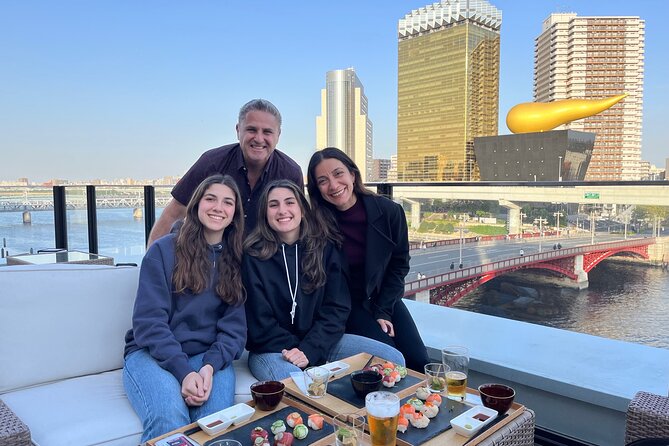
Finally, the location seems to help with the vibe. One review highlights a great view, and another mentions a look at the Sumida River. You might not spend your whole time staring at water, but it helps to know you’re in a scenic part of town.
You can also read our reviews of more private tours in Tokyo
Getting to the meeting point near Sensoji (and starting on the right foot)
You start at Sushi Making Tokyo No1 Cooking Class in Japan, 2-chōme-17-9 Kaminarimon, Taito City, Tokyo 111-0034. The activity ends back at the meeting point, so you can plan your next stop nearby without a complicated scramble.
No hotel pickup or drop-off is included, so this is a transit-first experience. The good news is that it is near public transportation, which usually means you can get there without renting anything or hiring a car. If you are staying in central Tokyo, just budget a little extra time for the walk from the station to the meeting point.
Also, bring your patience for getting organized. You’ll likely be stepping into a classroom setup where ingredients and tools are already arranged. If you arrive flustered, you will feel it. If you arrive calm, the class feels smooth fast.
What the class actually teaches: roll sushi basics you can use again
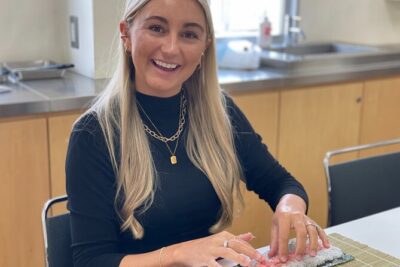
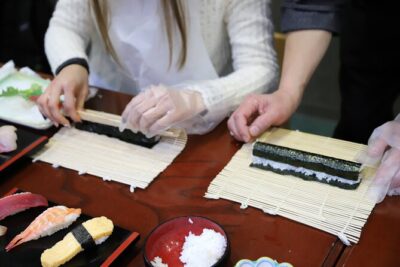
The core of the experience is hands-on sushi making. You learn how to make sushi rolls first, step by step, guided by English-speaking instructors. This matters because rolling sushi is more about technique than talent. The class format gives you a method, not just a bunch of instructions you have to translate in your head.
You will also get a cultural layer along the way. Even when you are focused on the rice, the instructor’s explanation helps you understand why certain steps exist. That turns the class from a quick snack-making session into something you can talk about after your trip.
One of the most consistently praised parts is how instructors help you make the sushi look right. Yui, for example, gets mentioned for advice that helped sushi look pretty. That is a big deal for beginners, because it is easy to get frustrated when your first attempt does not match the photos.
And yes, you are not just making rolls for show. The point is that you will eat what you make, and it is way more satisfying when you can taste the results of your own effort.
Nigiri and the details that make it feel authentic
After the rolls, the class moves into authentic Japanese nigiri. Nigiri is simpler in ingredients but trickier in feel. You’re working with rice shape and topping balance, and the instructor’s guidance helps you avoid the common beginner mistakes.
This is where patience matters. Masaki is specifically described as patient, enthusiastic, and joyful, and that kind of teaching style makes a class like this work for real people. If you’ve ever watched someone do a task perfectly and assumed it was talent, sushi making here is a reminder that technique can be taught.
You should expect a relaxed, beginner-friendly pace. The class is designed for people with no cooking experience, so you do not need to show up knowing sushi terms. You just need to show up willing to practice the motions a few times.
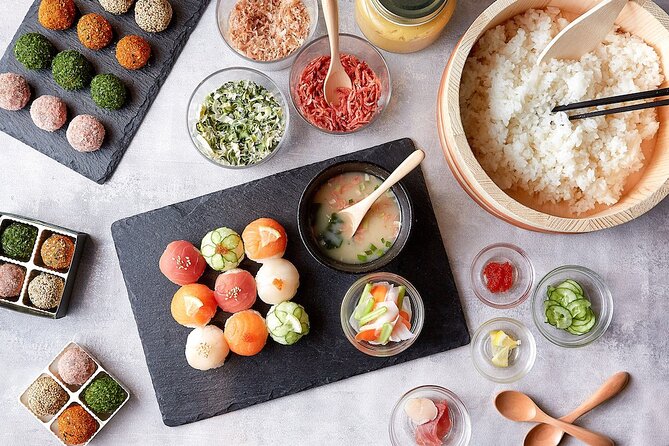
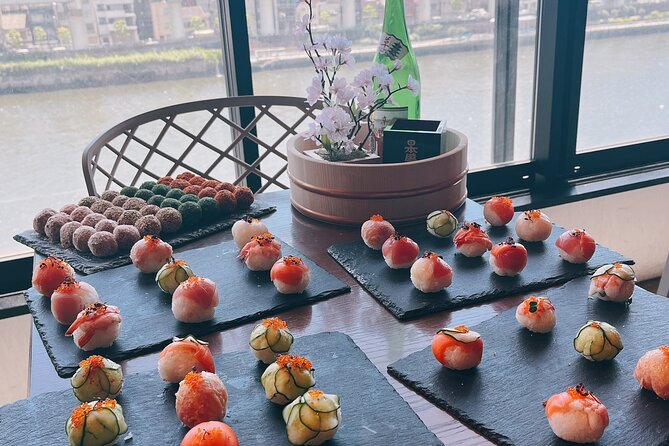
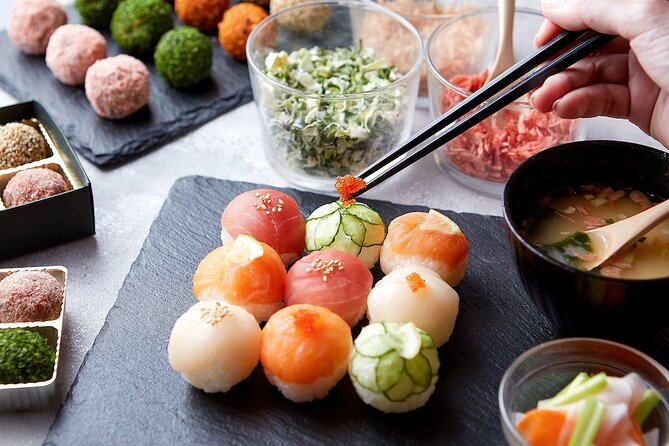
One review also mentions learning temari sushi with Ayu. Temari sushi is a different style of bite-sized sushi, and that kind of variation tells me the class can include more than one fun method depending on the flow that day. Even if you only focus on the rolls and nigiri, you’ll still come away with techniques you can recreate at home.
The moment you eat your sushi (why this part is the whole point)
Here’s the secret sauce of this experience: you eat what you make. That turns the class into a meal, not a demonstration. And because it is hands-on, the food tastes better. You understand what you did, and your brain gives you credit.
The reviews also point to fresh fish and fantastic taste. You’re not buying a pre-made sushi lunch and calling it learning. You’re building it yourself, then enjoying it at the end, with photos as a bonus.
Photo time is not a small thing. Sushi is one of those foods that looks great but is hard to photograph nicely when it’s all over the place. Because you make it carefully, you have finished pieces that are easier to arrange for a quick shot before you eat.
If you are the type who likes to measure a tour by the quality of the meal, this is one of those classes that actually delivers. The food is the finish line, so you feel rewarded.






Timing, group size, and how to fit it into your Asakusa day
The class is about 1 hour 40 minutes. That duration is short enough that it does not swallow your day, but long enough for real hands-on practice. I like that it is not a half-hour taster that leaves you thinking you barely started.
It is private, and only your group participates. Groups can be up to 15 people. That setup can be ideal for families and friend groups because nobody is competing for attention, and the instructor can keep the steps consistent.
One practical tip: treat this like a scheduled meal. If you’re coming straight from a long day walking, eat a small snack beforehand if you need it, but do not show up so full that you lose your appetite. You want to enjoy the sushi you make.
Also, the experience is recognized as a top-rated activity and has strong award history. That matters because it usually correlates with smoother operations, especially for international visitors. You still want to arrive early enough to settle, because even great classes get chaotic when people run late.
Price and value: what $1,300.72 per group really means
The price is $1,300.72 per group, for up to 15 people. If you fill the group, the effective cost can land at a reasonable per-person range. If your group is smaller, the per-person cost rises, which is the trade-off with private formats.
So is it good value? For the right group, yes. You are not paying for a ticket into a museum. You’re paying for:
- an English-speaking instructor
- ingredients and the meal
- a private hands-on experience where you make and eat sushi
- a short, scheduled activity that is easy to plug into an Asakusa day
For families or mixed-age groups, the value can be especially strong, because sushi making is one of those activities that feels fun for kids and not too simplistic for adults. And since there is no cooking experience required, you are not paying for a class that assumes you already know what to do.
If you are traveling solo or as a couple and you would have to pay nearly the full group cost, then you should decide based on what matters most to you: learning a skill, enjoying a sit-down meal you made, and getting a private instructor experience. If those priorities are top for you, it can still be worth it. If you mainly want a cheap food stop, you can probably do that elsewhere in Asakusa.
Who should book this sushi class (and who might not)
This class fits best if you:
- want hands-on Japanese food, not just tasting
- like the idea of learning roll sushi and nigiri in English
- are traveling with family or friends and want a shared activity
- care about eating what you made, not just taking home memories
It might not be the best fit if you:
- hate structured activities and prefer wandering without a set start time
- cannot do transit to a meeting point without assistance
- are expecting a longer, in-depth culinary workshop
If you want a simple, fun, skill-based activity in Asakusa, this hits the sweet spot. One review specifically points out it being enjoyed by a daughter and mother, and another highlights families. That’s the kind of fit that tends to work smoothly.
Tips to get the most from your sushi making session
A few small habits will make the experience better:
- Arrive a bit early so you can get comfortable before the first lesson.
- Watch the instructor once before you start moving quickly. It saves you from repeating steps.
- Focus on doing the technique, not chasing perfect looks. Sushi can be corrected as you go, especially with patient guidance.
- If you care about photos, plan to pause right after you finish each piece, before it cools too much.
Also, since the class ends back where it starts, use that as a cue to plan your next move nearby. Asakusa has plenty to see, so you’ll likely want a walk right after your meal, not a long commute.
Should you book Sushi Making Tokyo?
I’d book this if you want a private, beginner-friendly sushi class that ends with you eating your own rolls and nigiri. It is the kind of experience that gives you real memories, not just a filled stomach. The strong English support and the fact that guides like Yui and Masaki are praised for teaching style make it especially appealing if your group includes non-cooks.
Choose it with a clear expectation, though. This is about skill practice in a short window, not an all-day culinary tour. And because there is no hotel pickup, you need to be comfortable reaching the meeting point near Sensoji Temple.
FAQ
How long is the sushi making experience?
It lasts about 1 hour 40 minutes.
Do I need prior cooking experience?
No experience is needed. The class is beginner-friendly and taught in English.
Is this a private tour?
Yes. It is private, and only your group will participate.
Where is the meeting point?
The meeting point is Sushi Making Tokyo No1 Cooking Class in Japan, 2-chōme-17-9 Kaminarimon, Taito City, Tokyo 111-0034, Japan.
What is included in the price?
The price includes an English speaking instructor and the ingredients for the cooking class and meal.
Is hotel pickup or drop-off included?
No. Hotel pickup and drop-off are not included.
What is the cancellation policy?
Free cancellation is available up to 24 hours in advance for a full refund. If you cancel less than 24 hours before the start time, the amount paid is not refunded.
What language is the class taught in?
The class includes an English speaking instructor.
More Private Tours in Tokyo

More Tour Reviews in Tokyo
Not for you? Here's more nearby things to do in Tokyo we have reviewed












Tokyo Sushi Classes, side by side.
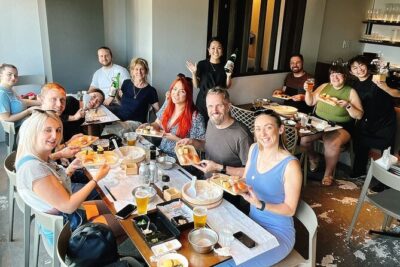 ★ 5.0Sushi Making Tokyo Roll and Authentic Japanese Sushi ClassFrom $593,971 reviews
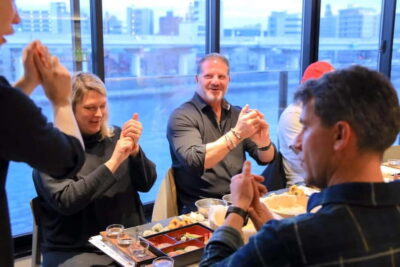 ★ 4.9Roll and Authentic Sushi Making Class in AsakusaFrom $581,957 reviews
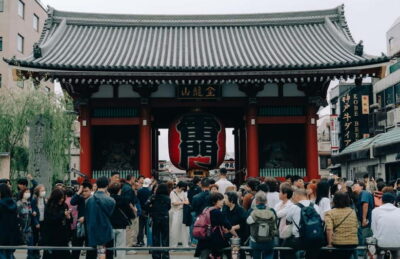 ★ 4.9Sushi Making Class in a Happi Coat near a Famous SpotFrom $421,377 reviews
 ★ 5.0Tokyo Sushi Making Class in Tsukiji with Professional ChefFrom $491,177 reviews
 ★ 5.0Tsukiji Fish Market Guided Tour and Sushi Making with Pro ChefFrom $104775 reviews
 ★ 4.9Tsukiji Fish Market Sushi Making Class with Pro ChefFrom $63506 reviews
 ★ 5.0Tokyo Tsukiji Fish Market Tour and Sushi Making LessonFrom $99390 reviews
 ★ 4.9Sushi Making ClassFrom $67390 reviews
This tour also belongs to