
Early mornings change Tokyo fast. This private morning route hits major sights before the crowds and gives you a real guide to steer your day.
I like two things most: you get an English-speaking guide, and temple and shrine visits are handled without extra ticket hassle. You also get professional photos during the tour, which is great if you want memories without running around with your phone.
One thing to consider: it is a walking-focused experience with public transit involved, and the public transportation fare is not included. If you have mobility limits or hate walking between neighborhoods, you may feel it after a few stops.
Key Things You’ll Notice on This Early Morning Tour
- Pre-crowd timing to make Shibuya Crossing and Asakusa feel more manageable
- Private, English-speaking guide to keep you moving and explain what you are seeing
- Entry to temples and shrines included, so you avoid small ticket-bureaucracy moments
- Professional photos taken during the tour, useful for group shots and clean landmark pictures
- A focused route across Tokyo’s classic neighborhoods, from Shibuya through Asakusa
Why an Early Start Matters in Tokyo
Tokyo has two moods: the one before the day gets going, and the one when everyone else arrives too. This tour is built for the first mood. You see iconic places like Shibuya Crossing and Senso-ji before lines and crush-hour energy take over.
Even if you love crowds, early timing gives you something better: room to think. You can actually look up at the buildings around Shibuya Station, watch how people flow at the crossing, and take photos without constantly stepping around other camera-hungry groups.
This also matters in summer. The tour’s pace is designed for a morning when you can still move comfortably between stops. Later in the day, the same walk can feel slower, hotter, and more frustrating.
You can also read our reviews of more guided tours in Tokyo
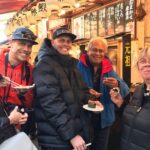
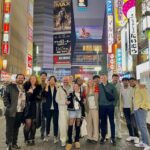
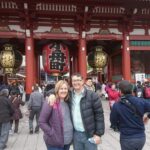
Private English Guide, Shrine Entry, and Photos That Save Your Sanity
A private tour is not just about personal space. It is about friction. Tokyo is great, but directions can cost you time. With an English-speaking guide, you are not guessing which exit to take, when to cross streets, or where to stand for photos.
Another practical win: admission fees for temples and shrines are included. That means you can keep moving instead of pausing to sort out entry details on the spot. The route includes major stops such as Meiji Jingu Shrine and Senso-ji Temple, so this inclusion is not trivial. It is part of how the itinerary stays efficient.
Then there are the professional photos. I love this idea for a simple reason: you get landmark shots without turning the trip into a technical photography lesson. Your guide also becomes the person positioning you for the best angles.
And yes, the guide name Yukou shows up in the experience feedback. That is usually a good sign, because it means the guide experience is personal and consistent, not just scripted.
Meeting at Hachiko, Ending Near Asakusa Pier (How the Route Flows)
The tour starts near the Hachiko Statue in Shibuya. That is a smart starting point because it is a famous landmark, easy to reference, and near major transit connections. You finish near Tokyo Cruise Asakusa Pier in Asakusa.
That end point is useful. Once you hit Senso-ji Temple, you are already in one of Tokyo’s best areas for lingering. If you want a meal, a late shopping loop, or even a shorter extension toward nearby sights like Tokyo Skytree (it is noted as nearby), your day is already positioned for it.
One small logistical note that matters: the tour uses public transportation and walking. The public transportation fare is ¥900 per person and is not included. Plan for that extra cost so you do not get surprised at check-in or mid-day.
If you are late to the meeting time, you cannot join the tour or receive a refund. So build in time buffer before the start, especially if you are arriving from another part of the city.
Shibuya Crossing Before the Day Gets Loud
The first stop is Shibuya Crossing, right in front of Shibuya Station. This is the classic Tokyo scene, the one where hundreds of people spill across at the same time when the lights change.
Going early is the difference between chaos and something you can actually enjoy. You still get the full Shibuya energy, but with fewer crowds compressing your viewpoint. You will also have an easier time taking photos without constantly losing your place in the flow.
You only get about 20 minutes here, which is ideal. If you linger too long, the crossing becomes a loop of waiting and stepping around. Instead, use this time to:
- Get the best landmark angles near the station front
- Walk a bit to find a good viewpoint for photos
- Watch how the crowd moves when signals change
You do not need to understand the transit system here. Your guide’s job is to help you reach the right spot at the right moment.
Meiji Jingu Shrine, a Calm Reset in the Middle of Tokyo
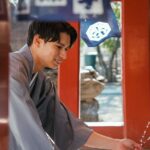
After Shibuya’s motion, you shift to stillness at Meiji Jingu Shrine. The tour schedules about 1 hour here, which is enough time to slow down without feeling rushed.
Meiji Jingu is set in a lush forested area in central Tokyo. That matters. It is not just a shrine stop, it is a sensory reset, cooler and quieter than the streets around it. If your Tokyo day tends to be all concrete and neon, this is your breathing pause.
As a Shinto shrine dedicated to Emperor Meiji and Empress Shoken, it also has a formal, reflective feel. The early timing helps you experience that calm before the day fills up.
The practical angle: wear shoes you can walk in comfortably. A shrine visit is never only standing in one place. You may move along paths, enter areas, and take in the atmosphere.
And since shrine admission fees are included, you avoid the kind of small delays that can break the rhythm of an early tour.
You can also read our reviews of more private tours in Tokyo
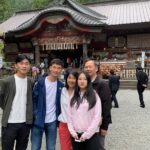
Takeshita Street in Harajuku, Fast Look at Youth Culture
Next up: Takeshita Street in Harajuku, about 20 minutes. This is the place people think of when they hear Harajuku. Expect trendy fashion, small boutiques, and colorful sweets.
This stop is short on purpose. A longer visit would turn into a choice between shopping, snacks, and navigating side streets. In a 5-hour format, you get enough time to get the vibe, take photos, and decide if you want a longer follow-on wander after the tour ends.
If you want souvenirs or fashion finds, this is where you will feel the most temptation. But food and drinks are not included on the tour, so bring a plan. Either eat before you start, or save your cravings for later while you still have energy.
If you are not into shopping, you can still enjoy Takeshita Street as a people-watching stop, especially because you are there early.
Kanda Shrine: Prosperity, Protection, and Anime-Friendly Details
Kanda Shrine (also known as Kanda Myojin) is a historic Shinto shrine with an interesting modern connection. The shrine enshrines deities associated with prosperity and protection, and it is popular with businesspeople.
It also draws in anime fans. That is useful for visitors because it gives you a bridge between Tokyo’s religious sites and Tokyo’s pop culture. With a guide, you are more likely to notice those references and understand why the site shows up in modern conversations.
You get about 20 minutes here. That can feel quick, but it works for this type of stop. You are not trying to absorb every detail of a major religious location. You are seeing the highlights, getting context, and moving on.
The included shrine entry keeps the schedule tight.
Akihabara, Tokyo’s Electric Town for Anime, Gaming, and Gadgets
Then you head to Akihabara for about 30 minutes. Akihabara is known as Tokyo’s electric town and it is a major hub for anime, gaming, and electronics.
This is where you can lean into Tokyo’s more quirky side. The area is famous for shops selling gadgets, collectibles, and otaku goods. You may also notice maid cafés around the neighborhood, even if you do not stop for one.
The value of a guide here is simple: time. Akihabara can turn into a maze of storefronts. In 30 minutes, you need direction to avoid wandering without purpose.
Use your guide time to:
- Identify the kind of shops you want (collectibles, electronics, themed goods)
- Find a couple of photo-worthy fronts without wasting steps
- Get a sense of what is worth your money versus what is mostly window-dressing
If you are an electronics shopper, you might still want to add an unplanned follow-up visit after the tour. But as a first taste, Akihabara during a morning walk hits the right level.
Ameyoko Shopping Street in Ueno: Snacking and Souvenirs
Next comes Ameyoko Shopping Street (Ameya-Yokocho) in Ueno for about 20 minutes. This street has a story. It was known as a black market after World War II, and it is now known for its lively shopping scene.
Expect fresh seafood, snacks, clothing, and souvenirs. The tour does not include food and drinks, so treat this as a browsing and inspiration stop. If you see something you want, you can grab it later at your own pace.
I like this stop because it changes the flavor of the day again. You have had Shibuya, Harajuku, shrine time, and Akihabara. Ameyoko brings you into a more market-style Tokyo experience.
Also, Ueno’s vibe is different from the Tokyo-you-see-on-postcards areas. It feels more like local shopping and everyday energy, which makes it a good contrast.
Senso-ji Temple and Nakamise Street in Asakusa
The final major cultural stop is Senso-ji Temple in Asakusa, with about 1 hour. This is Tokyo’s oldest and most famous Buddhist temple.
Senso-ji is known for the Kaminarimon Gate, plus Nakamise Street, the traditional shopping lane lined with stalls. This is one of the best spots in Tokyo to feel the city’s layered identity: sacred space and snack-and-souvenir commerce right next to each other.
Going later in the day can mean heavier crowds at the gate and along Nakamise. This tour’s early start helps you move through without the worst bottlenecks.
Plan to spend time at:
- The gate area for classic photos
- Nakamise Street to browse the traditional-stall look
- Any quiet moments inside the temple approach before you head out to eat
When the tour ends near Tokyo Cruise Asakusa Pier, you are in an excellent position for a meal and a slower walk. This finishing location makes the day feel complete because you end in a neighborhood where it is natural to keep exploring.
Price and What You Really Get for $97.22
At $97.22 per person for a roughly 5-hour private tour, the question is not only what is included, it is how the inclusions reduce your daily costs and decisions.
Here is what you are getting that can add up fast if you plan on your own:
- A private English-speaking guide for navigation and timing
- Admission fees for temples and shrines included
- Professional photos taken during the tour
- A route that ties together multiple neighborhoods and landmark types
Costs that are not included:
- Public transportation fare at ¥900 per person
- Food and drinks
So the real value is efficiency. You are paying for someone to help you do a lot in a short, well-sequenced morning without wasting time. The fact that this is private also matters, because it avoids the tradeoff you often face with group tours: you can ask questions, take breaks when you need them, and adjust your pace without slowing strangers down.
Also, it is listed as booked about 13 days in advance on average. That suggests demand is steady, which is another reason private early tours can be a smart booking move.
If you are the type of traveler who likes to see a lot but also wants fewer decisions, this price is easier to justify.
Who This Tour Fits Best (and Who Should Rethink It)
This tour fits you well if:
- You want major Tokyo landmarks without spending the morning planning
- You like a structured route, especially when cities feel overwhelming
- You want photo help and a guide to explain what you are looking at
- You prefer early hours to avoid the worst crowd and heat
It might not be your best match if:
- You dislike walking between multiple neighborhoods
- You want a long shopping day or long temple time at a single site
- You hate paying extra for transit (the ¥900 fare is separate)
The tour is designed with moderate physical fitness in mind. That usually means you should be comfortable with plenty of steps, not just sitting in taxis.
Should You Book This Tokyo Early Morning Private Tour?
I would book this when your goal is a high-impact Tokyo morning with less stress. The combination of Shibuya Crossing, Meiji Jingu Shrine, Harajuku, Akihabara, Ameyoko, and Senso-ji is exactly the kind of route that feels great when a guide manages the flow.
Book it especially if:
- You have limited time in Tokyo and want a fast overview that still includes major cultural stops
- You want shrine and temple entry support
- You value the photos and would rather pay for that help than play photographer all morning
Skip it if you want maximum freedom to linger in only one area for hours. This is a morning sampler with smart stop lengths, so it is less about slow wandering and more about efficient sightseeing.
FAQ
How long is the Tokyo early morning private tour?
It runs for about 5 hours.
What’s included in the price?
You get a local English-speaking guide, admission fees for temples and shrines, and professional photos taken during the tour.
What is not included?
Public transportation fare is ¥900 per person, and food and drinks are not included.
Where does the tour start and end?
It starts near the Hachiko Statue in Shibuya and ends near Tokyo Cruise Asakusa Pier in Asakusa.
Is this tour private?
Yes. It is a private tour/activity, so only your group participates.
Is the tour mostly walking?
Yes. It is designed as a walking experience with public transportation and plenty of time on foot.
Can I cancel for a full refund?
You can cancel up to 24 hours in advance for a full refund. If you cancel less than 24 hours before the start time, the amount paid is not refunded.
More Guided Tours in Tokyo
More Tours in Tokyo
More Tour Reviews in Tokyo
Not for you? Here's more nearby things to do in Tokyo we have reviewed


Tokyo City Tours, side by side.
 ★ 5.01-Day Tokyo Bus TourFrom $12914,250 reviews
 ★ 4.5TOKYO SKYTREE® Admission ticketFrom $1311,192 reviews
 ★ 4.6teamLab Planets TOKYO Digital Art Museum Entry TicketFrom $259,779 reviews
 ★ 4.0Mt Fuji & Hakone Cruise, Drum Show Bullet Train 1 Day from TokyoFrom $1497,413 reviews
 ★ 5.0Shinjuku Food Tour (13 Dishes at 4 Local Eateries)From $866,603 reviews
 ★ 4.4Tokyo Mt Fuji 5th St & Hakone Cruise Bus Tour w/Bullet TrainFrom $1545,024 reviews
 ★ 5.0Flagship 2-Hours Official Street Go-Kart Tour – Tokyo Bay ShopFrom $644,974 reviews
 ★ 4.5From Tokyo: Mount Fuji Full-Day Sightseeing TripFrom $684,970 reviews