
Review · TOKYO CITY TOURS
Private Tokyo Tour with Local Guide
Tokyo feels big until you have a guide. This private Tokyo route gives you structure fast, with a local guide helping you move through famous districts like Tsukiji and Akihabara, plus the public-transport know-how to keep exploring after your tour ends.
I especially like two things. First, you get practical direction for getting around Tokyo, including how to use the transit system with your guide rather than guessing. Second, the day mixes major sights with the shopping and market streets that make Tokyo feel like Tokyo, not just a list of photos.
One thing to consider: this is mostly walking and trains, and lunch is not included. If you want a car-and-lounge day with a pre-planned meal, this won’t match that style.
Quick hits before you book
- Private experience with your schedule: you choose the start time, unlike fixed group tours
- Public transportation included: you’re not just sightseeing, you’re learning the city’s flow
- Early Tsukiji focus: you’re timed for the market’s morning energy
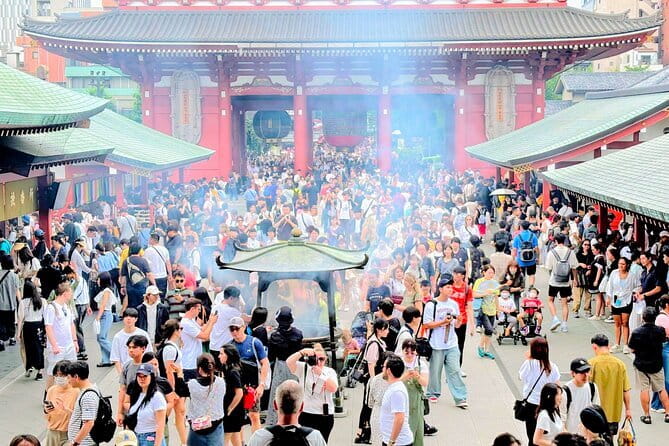
- Asakusa landmarks in one run: Nakamise Shopping Street, Kaminarimon, and Senso-ji Temple are handled efficiently
- Ueno meets shopping streets: Ameyoko’s market feel paired with Ueno Park’s cultural space
- Akihabara orientation: electronics and anime culture, with help finding your way
What $130 Gets You in a City That Can Beat You
At $130 per person for a 4-5 hour private tour, you’re paying for guidance, logistics, and context. The big value is that the tour includes a local guide and public transportation, plus pickup with public transportation, so you spend less time stuck at station entrances trying to decode the signs.
Admission costs are mixed. Some spots have tickets included as part of the stop plan, while major attractions like Tokyo Sky Tree and TeamLab Planet or TeamLab Borderless are not included. Lunch also isn’t included, so plan to budget for snacks or a meal afterward.
Also, this is designed for people who want a strong first-day foundation. It’s booked about 20 days in advance on average, which usually means demand is real, especially for travelers who want a specific time window.
You can also read our reviews of more guided tours in Tokyo
How the Tour Actually Moves: Pickup, Pace, and Your Start Time
This is a private tour, meaning only your group participates. You also decide the tour start time, so you can line it up with your jet lag, your hotel location, and when you want to tackle the busier neighborhoods.
Expect a day that’s part walking, part train. Even when it’s labeled a walking tour style, it’s not random wandering. The point is to keep you moving between neighborhoods while the guide handles the routing and teaches you how to follow along for the rest of your trip.
One practical note: many travelers end up walking a fair distance. If you know you get sore fast, wear supportive shoes and bring a simple rain plan, because Tokyo weather can turn without warning.
Tsukiji Fish Market: Morning Energy Without the Confusion
Tsukiji Fish Market is one of those places where being there early changes everything. The tour plan is set for the morning action, when the market atmosphere is at its busiest and most alive.
What I like about including Tsukiji in a guided format is how much easier it is to understand what you’re seeing. A guide can help you spot what’s happening when, and what areas are best for a quick look versus a slower browse.
Since lunch is not included, Tsukiji is also a chance to snack your way through the morning instead of committing to a sit-down meal. If your stomach is sensitive to crowded places and strong smells, just slow down and step back when you need a breather.
Asakusa in Order: Nakamise Street, Kaminarimon, and Senso-ji
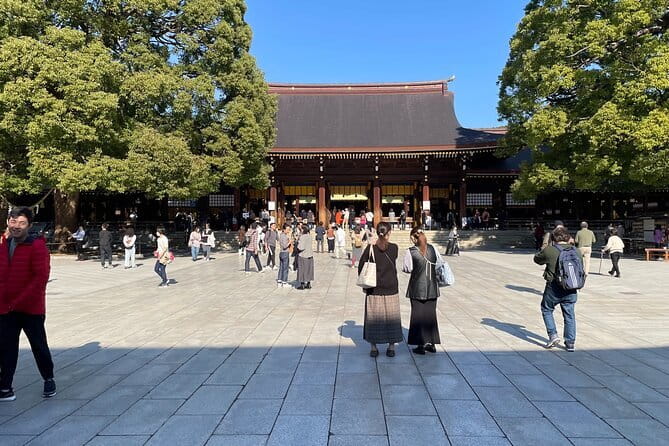
Asakusa is where Tokyo shows off its temple-town personality, and this tour keeps it organized instead of turning it into a maze.
Nakamise Shopping Street (Kaminarimon)
You’ll spend about 20 minutes on Nakamise Shopping Street, from Kaminarimon toward Senso-ji. This street is famous for its classic storefront vibe and traditional snack and souvenir style. The guide helps you get the historical and cultural context so it feels more meaningful than a walk past storefronts.
A small tip: with a time-boxed stop, you don’t need to shop for everything. Use the first few minutes to scan, then choose one or two things you’ll actually use or eat.
You can also read our reviews of more private tours in Tokyo
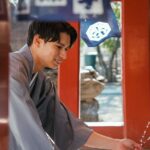

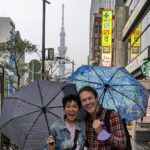
Kaminarimon Gate
Kaminarimon is next, with a shorter stop of about 10 minutes. It’s the iconic gate area marked by the massive red lantern, and it’s basically the doorway into the Senso-ji experience. The included ticket part here matters because it removes a bit of friction and keeps the stop flowing.
If you’re there at a busy time, your guide can help you navigate where to pause for photos without getting in the way.
Senso-ji Temple
Then you enter Senso-ji Temple for around 20 minutes. This portion is free in the tour plan, which is nice because it lets you spend time focusing on the atmosphere rather than thinking about costs.
If you want to get more out of Senso-ji beyond photos, use your time to watch the rhythms: people entering, families pausing, small rituals, and how the crowd moves around the main areas.
Sumida River Side Park: A Needed Pause With Skytree Views
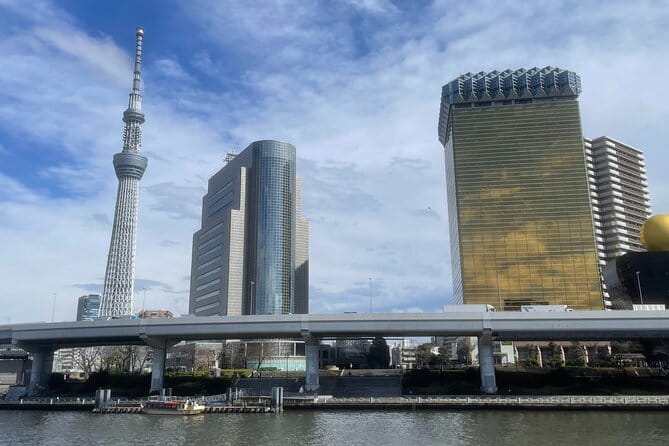
After the intensity of markets and temple streets, the Sumida River Side Park stop is a smart reset. It sits along the riverbank, giving you breathing room and panoramic views of Tokyo Skytree.
This pause also helps your brain. When you’ve been walking through dense neighborhoods, a park stop gives you space to cool down, regroup your photos, and figure out what you want to do next in the city.
If you’re traveling with kids or anyone who tires quickly, this is the kind of stop that can make the whole tour feel easier.
Ueno Park and Ameyoko: Culture + Shopping Street Energy
Ueno is where Tokyo mixes arts and atmosphere with neighborhood commerce. This route hits both sides: Ameyoko first, then Ueno Park.
Ameyoko Shopping Street
Ameyoko Shopping Street is in Ueno and it’s known for its lively market feel. The background is especially interesting: it started as a black market area after World War II and later evolved into a long-running, everyday marketplace.
On a guided route, the value is not just walking through shops. It’s getting the story of how the area changed and why it remains a destination for locals and visitors alike. You’ll also move through in a way that doesn’t swallow your time, because the tour is time-managed.
Ueno Park
Next is Ueno Park, a large urban park area (over 130 acres) that includes museums, temples, and gardens. This stop works well because it gives you a calmer contrast to the shopping-street intensity.
With a 4-5 hour tour, you cannot cover every museum and temple. That’s not a drawback, it’s just realistic. The goal is to show you what the area is and what you might want to return for when you have more time.
Akihabara: Getting Oriented in Tokyo’s Pop-Culture District
Akihabara is one of the most recognizable districts in Tokyo for electronics, anime, and otaku culture. The tour treats it like more than a photo stop, with time to understand how the district works and where you can wander based on your interests.
This is where having a guide pays off. Without help, you can spend a lot of time walking in circles, especially when stores stack into side streets and crowds tighten around popular shops.
If you’re a first-time visitor, this stop also helps you build a mental map for where pop culture fits in Tokyo’s overall geography. You start to see how it’s connected to other central neighborhoods, instead of feeling like it’s its own sealed-off world.
The Real Win: Learning Tokyo’s Logic, Not Just Sightseeing
Here’s the part that often matters most after the tour ends. A good guide doesn’t just point, they explain.
From the guide experience patterns in this program, you can expect an emphasis on:
- subway and transit orientation, so you can repeat routes later
- context, meaning you understand why places matter, not only what they look like
- personalized recommendations, based on what you’re into, like shopping, culture, or a mix
- on-the-ground flexibility, such as adjusting pacing if the day isn’t cooperating
Guides with names like Maruf, Abu, Amir, and Erica are repeatedly associated with clear English, practical navigation help, and a focus on making the day feel tailored. You might not meet the same person, but the style is the point: fewer dead minutes, more understanding, and a better sense of what to do next in Tokyo.
In other words, the tour helps you get your bearings fast. Then you can use that momentum to build your own Tokyo plan with confidence.
Who This Private Tokyo Tour Is Best For
This tour is a strong fit if:
- You’re in Tokyo for the first time and want an organized sampler across major districts.
- You prefer private guidance over big group herding.
- You want to learn how to use public transportation, not just admire it from a window.
- You like seeing both landmark sights and the street-level shopping that gives Tokyo its character.
It may not be ideal if:
- You want minimal walking or a car-based sightseeing day.
- You expect lunch to be included.
- You specifically want tickets for Tokyo Sky Tree or TeamLab attractions built into the tour price.
Should You Book This Private Tokyo Tour?
Book it if you want a fast start with a plan that actually teaches you Tokyo, not just checks boxes. The combination of Tsukiji, Asakusa, Ueno, and Akihabara is smart because it covers different sides of the city in one half-day block. Add the public-transport piece, and you’ll likely feel more independent for the rest of your trip.
Skip it if your perfect day is quiet, fully seated, and meal-focused, because this tour is designed around movement and street time. If that sounds like you, look for options with more in-restaurant structure.
FAQ
How much does the private Tokyo tour cost, and how long is it?
It costs $130.00 per person. The duration is approximately 4 to 5 hours.
Is this tour private?
Yes. It’s a private tour/activity, and only your group will participate.
Does the tour include pickup?
Pickup is offered with public transportation, and this is included in the tour.
Which areas does the tour cover?
The tour includes Tsukiji Fish Market, Asakusa (Nakamise Shopping Street, Kaminarimon Gate, and Senso-ji Temple), Sumida River Side Park, Ameyoko Shopping Street, Ueno Park, and Akihabara.
Are tickets included?
Some admission is included for stops like Nakamise Shopping Street and Kaminarimon Gate. Tickets for Tokyo Sky Tree and TeamLab Planet or TeamLab Borderless are not included.
Can I cancel and get a full refund?
Yes. You can cancel for a full refund if you cancel at least 24 hours before the experience’s start time. Cancellation within 24 hours does not receive a refund.
More Guided Tours in Tokyo
More Tours in Tokyo





More Tour Reviews in Tokyo


Not for you? Here's more nearby things to do in Tokyo we have reviewed





Tokyo City Tours, side by side.
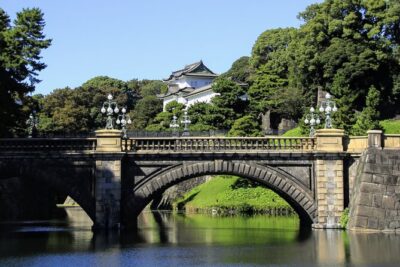 ★ 5.01-Day Tokyo Bus TourFrom $12914,250 reviews
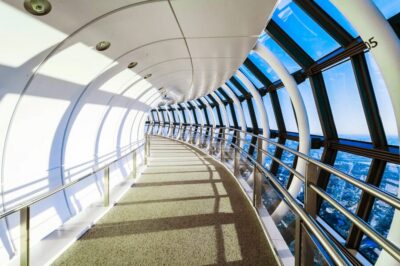 ★ 4.5TOKYO SKYTREE® Admission ticketFrom $1311,192 reviews
 ★ 4.6teamLab Planets TOKYO Digital Art Museum Entry TicketFrom $259,779 reviews
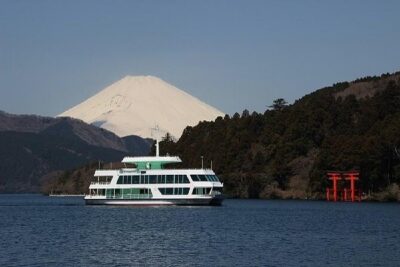 ★ 4.0Mt Fuji & Hakone Cruise, Drum Show Bullet Train 1 Day from TokyoFrom $1497,413 reviews
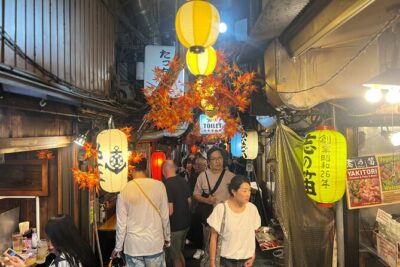 ★ 5.0Shinjuku Food Tour (13 Dishes at 4 Local Eateries)From $866,603 reviews
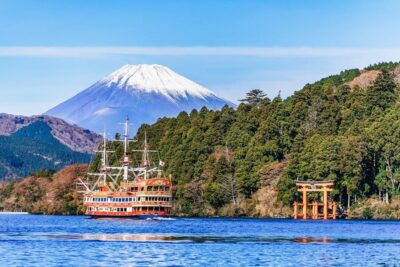 ★ 4.4Tokyo Mt Fuji 5th St & Hakone Cruise Bus Tour w/Bullet TrainFrom $1545,024 reviews
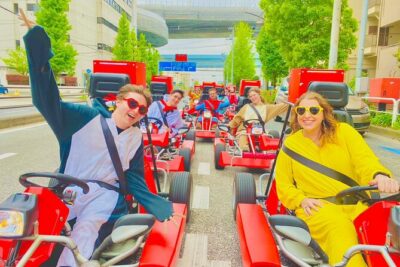 ★ 5.0Flagship 2-Hours Official Street Go-Kart Tour – Tokyo Bay ShopFrom $644,974 reviews
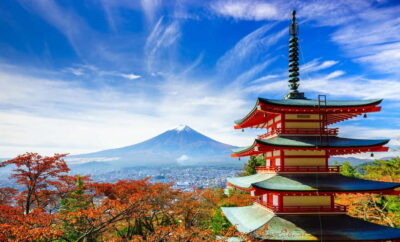 ★ 4.5From Tokyo: Mount Fuji Full-Day Sightseeing TripFrom $684,970 reviews