
Review · TOKYO FOOD TOURS
Ramen Tasting – Mini Bowl Ramen Tour
Ramen, but in mini bowls. You get a guided ramen tasting that’s built for people who feel stuck choosing one bowl in a city full of options. Over about 3 hours, you’ll hit three ramen-heavy areas, try up to six different styles in small portions, and learn how Japanese ramen got here and where it’s heading next.
What I really like is the way the tour turns ramen into a “you can understand this” experience, not a menu quiz. The variety is the point, and the guides make it fun: I’ve heard names like Makayla, Sahori, Brian, Manny, Daisy, Bunga, and Deep pop up because they keep things chatty, clear, and specific to what you’re eating.
One thing to plan for is the walking. It’s not a hike, but you do move between stops, and the schedule is tight enough that comfortable shoes and solid stamina help a lot.
Key Highlights You’ll Care About

- Six mini-bowls across three neighborhoods so you can taste widely without committing to one heavy order
- A local guide at every step, with explanations that make tonkotsu, shoyu, and other styles feel different for real
- Shibuya Scramble Crossing as a quick reset, a brief stop that helps you orient fast in Tokyo
- Award-winning ramen shops paired with a guided “what to look for” approach to toppings, broth, and noodles
- Small group size (max 10) which makes it easier to ask questions and get ordering advice
What a Tokyo Mini-Bowl Ramen Tour Gets Right
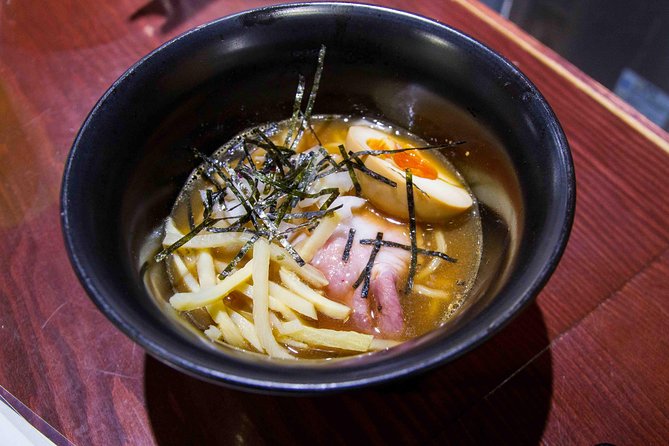
Tokyo ramen can be intimidating in the best way. You’re staring at menu photos, fighting language gaps, and trying to guess which shop matches your taste today. This mini-bowl format solves that problem with one smart idea: you sample multiple styles in small portions so you can actually compare.
Instead of one meal that might be great but leaves you wondering what else is out there, you get a sequence of stops and a steady pace. The tour is designed around food tasting and a guide who helps you connect the dots, so you don’t just eat, you learn. The promise is simple: up to six mini-bowls at three award-winning shops, plus one beverage to go with them.
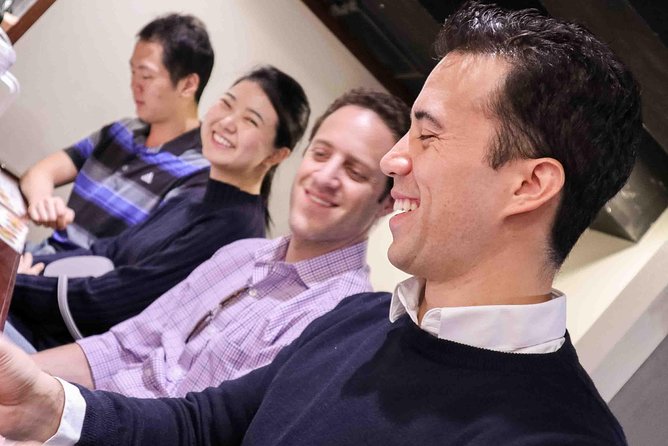
If you’re the type who loves eating out but hates wasting a big appetite on the wrong choice, this is a great fit. And because it’s a small-group experience with a local guide, it feels less like a food coupon and more like Tokyo ramen night with someone who lives and breathes it.
You can also read our reviews of more food & drink experiences in Tokyo


Shibuya Scramble Crossing Stop: A Quick Tokyo Welcomer
The tour kicks off with Shibuya Scramble Crossing, the famous scramble that people come to see at least once. You’re there for about two minutes, and the admission for that stop is free.
That short timing is on purpose. You’re not trying to sightsee for hours right now. You’re getting your bearings, snapping a photo if you want, and letting the guide set expectations for what ramen style differences you’re about to notice. It’s also useful if you’re arriving in Tokyo and you feel a little disoriented after getting through stations. In past departures, guides have even helped people navigate Shibuya station without stress, which matters when you’re moving as a group.
Practical tip: wear shoes you can walk in. Even if the crossing stop is brief, the rest of the tour has movement between ramen stops across different areas.
Three Ramen Neighborhoods, Three Shop Experiences
The tour is structured around three neighborhoods known for ramen, with you visiting three award-winning ramen shops. That mix matters because ramen in Tokyo is not one single thing. It’s neighborhood culture, local reputations, and different styles that have their own followings.
You’ll likely notice that each stop feels like its own world. Some shops prioritize rich broths and deep flavors. Others lean into a clearer style with different salt levels and noodle textures. The goal is not just to keep feeding you. It’s to help you recognize how ramen changes from place to place, and why locals treat ramen like something you choose, not something you settle for.
Because you’re sampling mini-bowls, you can also steer your own preferences. If you discover you love one style, you’ll get instant feedback the next time you see a related topping or broth base. And if you’re unsure, that’s fine too. You’ll get enough variety to find something that clicks.
The Six Mini-Bowls Part: How You Actually Taste Differences
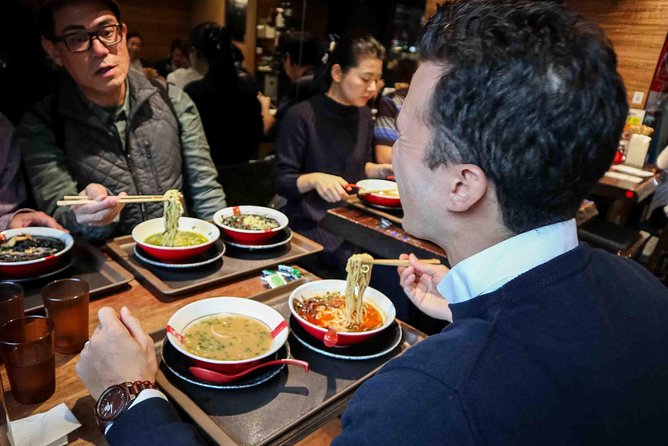
Here’s the magic of the format: you’re not only eating. You’re comparing. Over the tour, you’ll try six varieties of ramen in mini bowls, plus one beverage included with lunch.
From what you can expect, the variety spans different flavor directions. The tour description calls out examples like spicy fish and savory pork, and some guides highlight styles you might know by name but never truly compared back-to-back. In a tasting like this, it’s easier to notice things like:
- How broth body changes from creamy and heavy to lighter and clearer
- How toppings shift the balance (fat, salt, sweetness, heat)
- How noodles behave in the soup, from texture to how they hold up
A big win is that mini portions keep you curious instead of stuffed. Even when you’re eating a lot, the bowls are small enough that you can keep tasting without losing your taste buds halfway through. One of the most common reactions to this kind of tour is satisfaction at the end, not regret.
Also, you get a guide to help you eat like a local. That might sound vague, but it usually means practical cues: when to take bites, how to adjust your rhythm, and what to notice while you’re eating. If you’ve ever felt like you needed permission to enjoy street food the right way, this tour gives you that permission.
Ramen History and the Future: What the Guide Teaches While You Eat
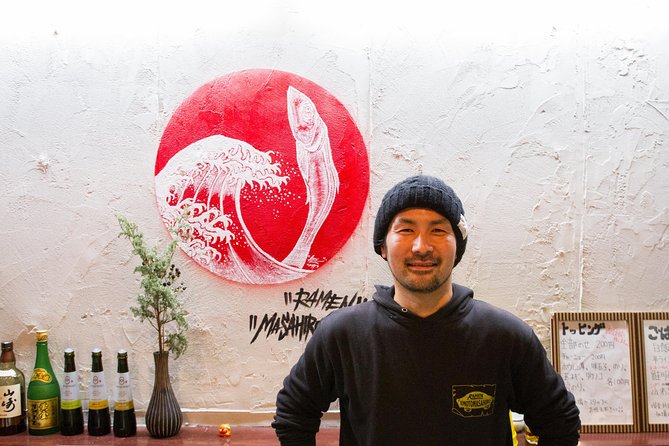
The tour includes a lesson on the history and future of Japanese ramen, which is great because it adds meaning to what you’re chewing. Ramen isn’t just comfort food. It’s a fast-moving food culture shaped by immigration, post-war street life, and constant reinvention.
What I like about this part is that it’s tied to your actual meal. Your guide won’t just recite timelines and call it education. They connect what you’re tasting to why it exists and what’s changing now. That’s how you end up caring about details like broth style choices, regional influences, and modern trends.
The guides I’ve seen described in past departures also make this portion interactive. Names you might hear include Brian and Sahori, and they’re often praised for being lively, patient, and willing to answer questions. If you have a curiosity like why certain broths feel heavier, or why a style is tied to a neighborhood reputation, this tour format is built for that kind of conversation.





Price and Value: Does $118.92 Make Sense for Ramen?
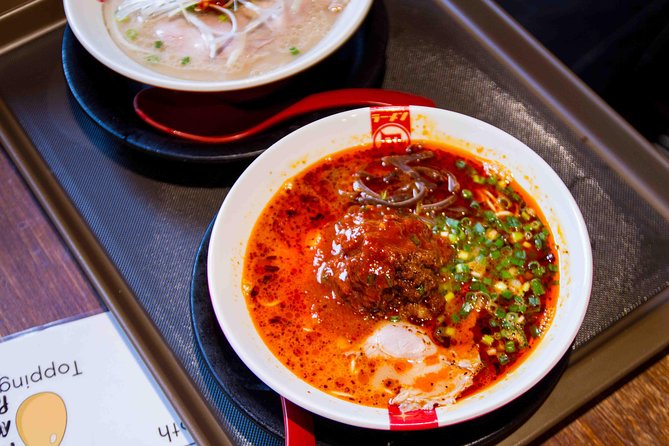
At $118.92 per person, this isn’t a cheap snack stop. But the value math is the key.
You’re paying for:
- Up to six mini-bowls at three ramen shops
- A local guide who explains differences and helps you order or understand choices
- A structured route through three ramen neighborhoods
- One beverage included
If you tried to recreate this on your own, the cost usually creeps up fast. Full ramen bowls are bigger ticket items than mini portions, and the “learning part” often disappears when you’re trying to solve ordering issues alone. Here, the guide does the translation and interpretation, and you get the sampling structure that makes variety realistic.
It also helps that the group is capped at 10 travelers. Smaller groups often mean more attention and easier interaction. For a food tour, that’s not a small detail. It changes the vibe from crowded and rushed to personal and ask-anything.
Finally, this tour has been booking well recently, which usually signals steady demand. If you like food tours that sell out, this is one to reserve early rather than waiting for the last minute.
Pacing, Walking, and Who This Tour Fits
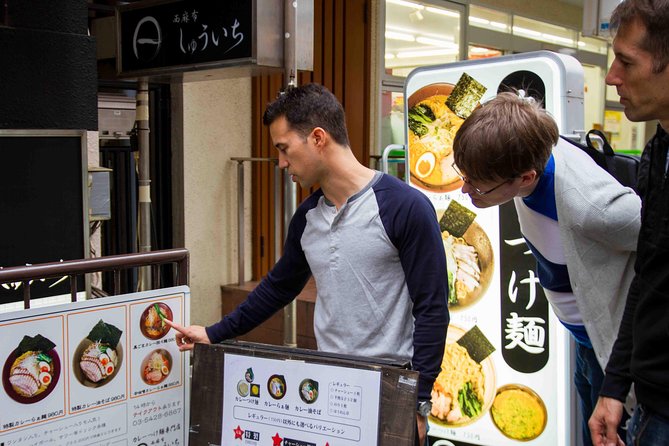
The tour is about 3 hours and includes walking between stops. The good news is that it’s set up for moderate physical fitness, not marathon endurance. Still, it’s smart to plan like a short neighborhood walk with multiple meals.
This experience fits best if:
- You want to taste a wide range of ramen styles without guessing
- You enjoy asking questions while you eat
- You want a guided way to explore Tokyo without a rental plan
- You like the idea of a light-but-varied lunch approach, not one giant meal
It may be less perfect if you hate moving around in crowded station areas. Shibuya especially can feel intense, even with a guide. If you have mobility limits, you’ll want to be upfront about your comfort level so the guide can keep things manageable.
One more practical note: the tour description says transportation to and from attractions is not included. That means you should plan your own public transit to reach the meeting area and return afterward. The good part is that the tour is near public transportation, so you’re not stuck with a complicated route.
How to Get the Most Out of Your Ramen Tasting Night
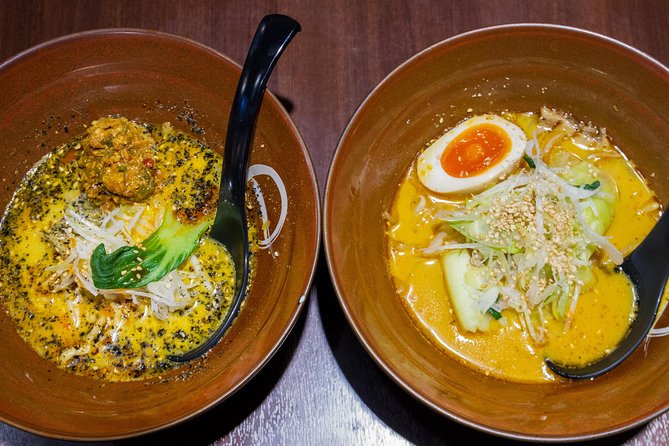
Want the best outcome from your mini-bowl tour? Here’s what helps, based on how these tours run in practice.
Come hungry, but not starving. Mini bowls still add up, and you’ll taste better if your appetite is steady instead of frantic.
Be curious, not picky. If you’re unsure about spicy flavors or richer broths, this is exactly the moment to try. You’re not committing to a giant bowl. You’re training your palate and learning what you actually like.
Use the guide. The best tours give you tasting, and this one gives you tasting plus interpretation. If your guide is someone like Makayla, Daisy, Manny, or Deep, ask simple questions while you’re eating, like what makes that broth different or what topping is doing the heavy lifting.
If you have dietary needs, bring them up with care. On past departures, dietary requirements have been addressed without issue, which is a good sign that the guides handle it thoughtfully. Still, your clarity helps.
Bring a small plan for the beverage. You get one beverage included, so don’t plan to add a second drink on top unless you know you handle it well. One drink keeps the meal tasting-focused.
Should You Book This Tokyo Mini-Bowl Ramen Tour?
I’d book it if you want ramen in the most efficient way possible. This is for people who love eating but don’t want to gamble on one bowl, one shop, and one shot at being right. The six mini-bowls are the main event, and the guide adds real value by explaining what you’re tasting and why it matters.
I would not book it if you’re the type who prefers to wander solo and order based purely on vibes. You can absolutely eat great ramen on your own in Tokyo. This tour just offers a structured tasting that makes variety feel easy, not overwhelming.
If you’re doing Tokyo for a limited number of days, this is a high-impact way to learn the ramen world fast, then go back later on your own with more confidence about what you want.
More Food & Drink Experiences in Tokyo


More Tours in Tokyo


More Tour Reviews in Tokyo
Not for you? Here's more nearby things to do in Tokyo we have reviewed












Tokyo Food Tours, side by side.
 ★ 5.0Shinjuku Food Tour (13 Dishes at 4 Local Eateries)From $866,603 reviews
 ★ 5.0Tokyo Bar Hopping Tour in Shinjuku (All-You-Can-Drink + Dinner)From $1063,587 reviews
 ★ 4.9Shinjuku Food Tour (15 Dishes and 4 Eateries)From $852,033 reviews
 ★ 5.0Best of Shinjuku: Izakaya Food Tour (4 Stops, 14+ Tastings)From $921,863 reviews
 ★ 5.0Shibuya Meltdown Nightlife Tour: All-You-Can-Drink Bar HoppingFrom $1061,058 reviews
 ★ 5.0Eat and Drink Like a Local: Tokyo Ueno Food Tour-Taverns&RamenFrom $95957 reviews
 ★ 5.0Ramen & Gyoza Cooking Class in Tokyo with Local Supermarket VisitFrom $122823 reviews
 ★ 5.0Shibuya Food Tour (13 dishes and 4 Eateries)From $77770 reviews
This tour also belongs to