
Review · TOKYO FOOD TOURS
REAL, All-Inclusive Tokyo Food and Drink Adventure (leave the tourists behind)
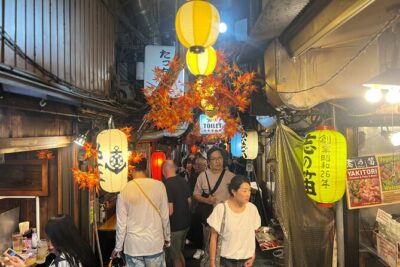
Tokyo at 6:30 pm tastes like locals. You trade the usual shine for narrow backstreets in Oimachi and Kamata, where standing bars and casual shopping streets set the mood fast. I like the small group size, just five people plus a guide in practice, so the evening feels relaxed instead of rushed. One thing to plan for: this is built around walking and standing, so you will want comfy shoes and a flexible mindset.
I also like the practical value. You get dinner and a total of three drinks (alcoholic or non-alcoholic), plus on-tour transportation, all designed to keep you fed without guessing what to order. The possible drawback is that some of the food side of the menu can be adventurous, even though you can steer toward more Western options if you want.
Key highlights worth your attention
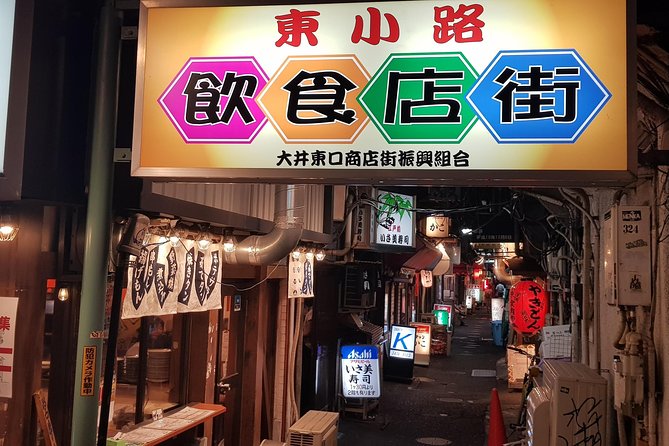
- Oimachi backstreets right off the Yamanote Line: you start close to Shinagawa, then quickly move into quieter, grittier lanes.
- Several tachinomi stops with cold drinks: you do not just taste once, you build momentum for a proper dinner.
- Kamata’s old-school shotengai and bubble-era street character: you see a Tokyo zone that feels less polished.
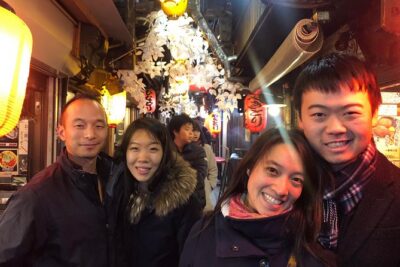
- Small group, easier conversation: up to 6 participants, so you can ask questions and get real help.
- Guide-led local nightlife tips: the walk includes ideas for what to do after your last drink.
- Vegetarian option available if you ask: you can plan ahead instead of hoping the menu works out.
Why Oimachi and Kamata make Tokyo feel real at night
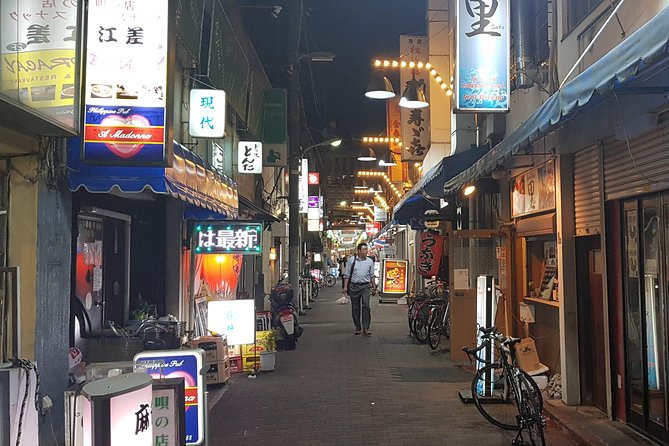
If you have only seen Tokyo from the main drag, this is the antidote. The start is in Ōimachi, just about two minutes off the Yamanote Line from Shinagawa. That matters because you are not stuck with a long awkward commute just to get to the first place. Once you are there, the tour pushes you into the narrow backstreets where everyday life is loud, close, and unbothered by cameras.
Then you jump to Kamata, about six minutes away. Kamata has that late-20th century Tokyo look, with bubble era building styles from the 1980s into the early 1990s, plus some more recent spruce-ups. Add in a classic old-school shotengai, and you get an evening that looks different from the big-name districts.
This format is also smart for a first or second night. Tokyo nightlife can be intimidating when you do not know the rhythms. Here, you get a guided flow that makes it easier to relax, try things in the right places, and keep moving without feeling lost.
And yes, you still get the fun parts: cold drinks, casual bites, and the kind of local atmosphere that is hard to replicate on your own. You are also not stuck in one room for the entire time. You get walking, short transitions, and then another bar, and another bite.
You can also read our reviews of more food & drink experiences in Tokyo

What $125 buys you, and why it is usually worth it
At $125 per person, this is not a cheap snack tour. It is a guided food and drink night, with dinner and multiple drinks included. That changes the math.
Here is what you are paying for that you would otherwise have to figure out:
- Dinner included: you do not leave hungry or start hunting for food after.
- Three drinks total: alcoholic or non-alcoholic, so you can match your comfort level.
- Alcoholic beverages included: if you drink, the price already accounts for it.
- On-tour transportation included: you get the between-neighborhood moves handled.
- A guide for the night: they help you find places, choose, and understand what you are seeing.
In Tokyo, the easiest way to burn money is paying for individual snacks while guessing your next stop. This tour reduces that risk. You are not paying for each doorway. You are paying for a guided night with a planned sequence.
Now, the consideration: since you do not get hotel pickup and drop-off, you need to be comfortable using public transit to start at Ōimachi Station and end around Kamata Station. The good news is that the tour is near public transportation, and your guide is there to help you get on the right train.
Also plan for the small group feel. It can be great if you like conversation and questions. If you prefer total silence and solo exploration, a guided food crawl might feel a bit social.
Oimachi at street level: tachinomi, cold beer, and choices that fit you
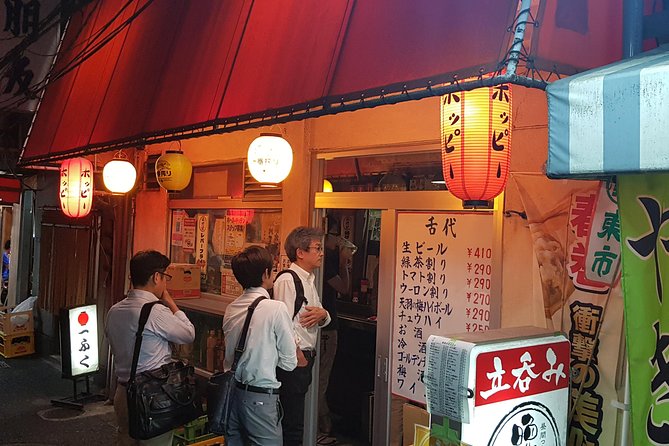
Oimachi is where the tour starts to feel like a Tokyo you do not see on postcards. You step off near the Yamanote Line and then quickly move into busy, narrow backstreets with character that comes from everyday use, not staging.
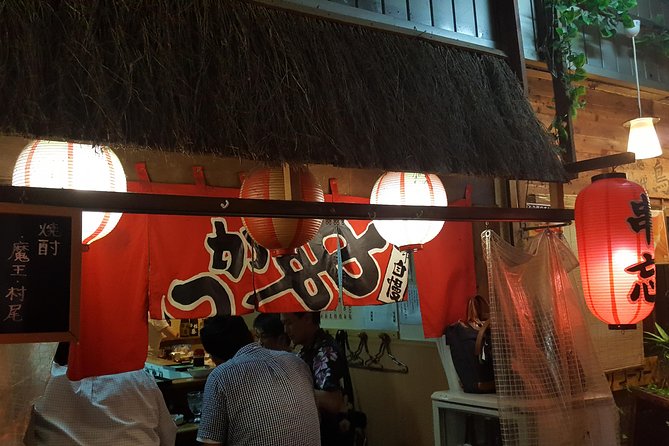
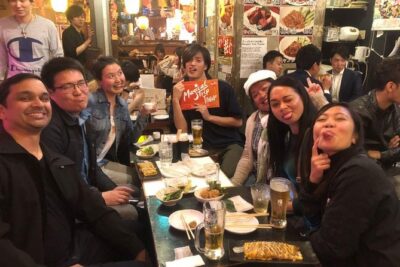
Right away, you duck into your first tachinomi, which are standing bars. This is the cultural trick of the night. Tachinomi are not trying to be fancy. They are about grabbing a cold drink, having a couple bites, and chatting in close quarters. You will likely be offered a cold beer as the default, but there are other drink options too, so you are not trapped in one style.
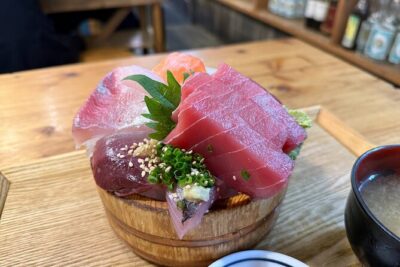
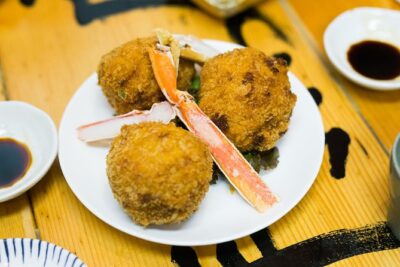
Food here is the kind of pub grub that makes sense with beer. You get Japanese-style snacks as you go, and the tour also accounts for comfort levels. If you are cautious about more advanced foods, you can choose more classically Western, palate-friendly options.
After the first stop, you do an educational walk. That is not just sightseeing. It is there to help you understand what you are looking at while you are already in the neighborhood’s rhythm. This is the kind of approach that turns a street scene into something you can actually read.
Oimachi also sets up the pace. You are not doing a marathon. You get enough time to settle in, eat, and start relaxing before you head onward.
A bonus you can carry with you: the guides often share practical tips for using Japan’s transit. In past evenings, guides like Andrew have helped people figure out how to purchase a train ticket home, and that is exactly the kind of small confidence builder that makes the rest of your trip easier.
The six-minute jump to Kamata: bubble-era streets and a shotengai you can feel
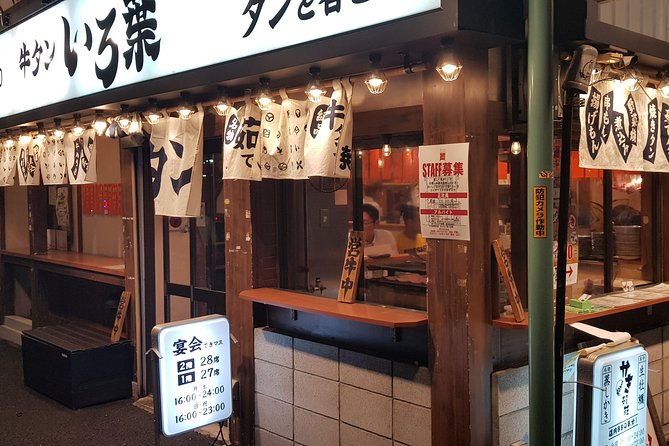
After two restaurants and two drinks in, you say goodbye to Oimachi and take a short ride to Kamata. It is only about six minutes, which keeps the night from dragging. You are already in an eating mood, so the switch feels like a natural next chapter.
Kamata is a different vibe. You get bubble era architecture, those styles associated with the late 1980s into the early 1990s boom years. Some buildings have been spruced up, but the area still keeps that older neighborhood texture. Then there is the shotengai, a classic old-school shopping street. You do not just pass it. You get a guided view of how these streets work, why they exist, and why locals actually use them.
At the next dining spot, the tone stays friendly and casual. This stop is built for conversation and comfort, not for a formal meal. You have a chill environment plus more grub, and you continue the tastings so you end up with enough food for what feels like a full dinner, not a few bites.
If your idea of Tokyo nightlife is mostly clubs and neon, Kamata offers a different angle. It is nightlife as street life, with drinks and eating tied to the neighborhood.
One detail that has landed well in this experience: the guides often bring up cultural side roads, including a tip about love hotels. It is the kind of fact that sounds weird until you see how common and discreet it is in real neighborhoods. Having that explained in context can make the city feel less mysterious.
The tachinomi routine: how to order, how to keep it fun, and how not to panic
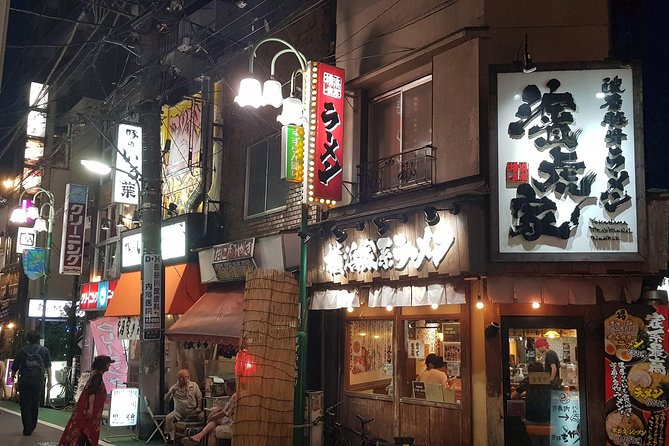
Tachinomi nights run on simple patterns. You will likely be standing, you will be eating in small portions, and you will be moving between spots. That is why the guide is important. Even if you can speak some Japanese, the logic of each place, what to order, and what the house vibe means is easier when someone points it out.
Here is the practical approach I recommend:
- Start with something easy: if beer is not your thing, pick your alternative early so your taste buds settle in.
- Go with the suggested snack pairings: you are not choosing a full menu in a standing bar setup.
- Ask for a comfort option: if you are wary about certain foods, you can choose more Western palate-friendly items.
- Take your time between stops: standing bars move fast. A quick breath between places helps you enjoy it more.
Your drink total is planned for you: three drinks over the whole tour, alcoholic or non-alcoholic. That helps you pace yourself. You are not spending the night trying to calculate whether you can afford one more drink. You just enjoy the flow.
Food variety is another selling point. In past group evenings, guides like Mini have helped people with practical setup things like a Suica card, and they also helped make food and souvenir choices feel less intimidating. Other guides, like Ryuhki, have been praised for being friendly and fun while also sharing history and area background.
If you want a small reality check: some foods can be unusual. The tour is set up so you do not have to force it. But if you are the type who needs a totally safe menu, you should tell the guide you want the more familiar options.
Also: walking shoes. You are on your feet, then you walk. One person specifically called out comfortable walking shoes as a must, and that tracks with the overall format.
More Tokyo tours and experiences for the shortlist



Transportation and timing that actually work for your Tokyo evening
This is a 3-hour (approx.) night with a 6:30 pm start. That timing is good if you want to get your first taste of local Tokyo after dinner time starts for most people. It also lines up with a common travel pattern: after an early day of museums or neighborhood browsing, you can still find nightlife without staying out until late.
Your start point is Ōimachi Station, specifically listed at 1 Chome-1 Ōi, Shinagawa City. End point is Kamata Station. Hotel pickup and drop-off are not included, so you should be prepared to use public transit yourself to get to Ōimachi, and then handle your onward travel from Kamata.
The guide helps with that. Your guide will assist you in getting on the right train. That is a big deal when you are juggling the Yamanote Line, local connections, and the pressure of holding a bag while you are hungry.
For timing, keep this in mind:
- You start with food and a drink in Oimachi.
- You transition to Kamata after a couple stops.
- You finish in Kamata with enough food for what feels like a true dinner.
If you are going on your first night in Tokyo, this timing can be a confidence booster. People have described it as a perfect start because it gives you orientation fast, plus immediate recommendations for what to do next day and next night.
Who this Tokyo food and drink adventure is best for
This tour is ideal when you want a Tokyo night that feels like local routine, not a highlight reel.
You will probably enjoy it if you:
- like walking and short transitions instead of a single-location meal
- want a small-group vibe, up to 6 travelers
- enjoy ordering with guidance, especially if you are new to tachinomi
- want a neighborhood feel in Oimachi and Kamata, away from the most tourist-packed districts
It also suits couples or adult friend groups who want conversation without a big crowd. Some families have joined as adult children, and the experience can work well for groups that are open to trying new foods.
You might want to skip it if:
- you cannot do moderate standing or walking
- you need a very predictable menu with only familiar items
- you prefer nightlife that is purely high-energy, like clubs, with no street-level bar hopping
And if you need vegetarian food, you can request it when you book. That is one of the most helpful notes for planning ahead.
Should you book this tour or skip it?
Book it if you want your Tokyo food night to feel practical, local, and well-paced. For $125, you are buying more than snacks. You are buying a guided path through two neighborhoods, multiple tachinomi stops, dinner, three drinks, and on-tour transportation. That package is hard to recreate cheaply if you are figuring it out on your own while also trying to order in real time.
Skip it if you hate standing bars or you want total control over every dish with zero surprises. Also, if you are only interested in the flashiest tourist districts, Oimachi and Kamata are not trying to be flashy.
If your goal is to feel how Tokyo eats at street level, this is a strong bet.
FAQ
What time does the tour start and how long is it?
The tour starts at 6:30 pm and lasts about 3 hours.
Where do I meet, and where does the tour end?
You meet at Ōimachi Station (listed as 1 Chome-1 Ōi, Shinagawa City) and the tour ends at Kamata Station. The guide can help you get on the right train.
What is included in the $125 price?
The price includes dinner, beverages (a total of 3 alcoholic or non-alcoholic beverages), alcoholic beverages, and on-tour transportation. Hotel pickup and drop-off are not included.
Can I get vegetarian options?
Yes. A vegetarian option is available, and you should advise at the time of booking.
What are the age and drinking requirements?
The minimum drinking age is 20. All participants must be 18+ to participate.
What is the cancellation refund window?
You can cancel up to 6 days in advance for a full refund. Cancel 2 to 6 days in advance for a 50% refund. If you cancel less than 2 days before the experience start time, you do not receive a refund.
More Food Experiences in Tokyo
More Food & Drink Experiences in Tokyo
More Tour Reviews in Tokyo





Not for you? Here's more nearby things to do in Tokyo we have reviewed












Tokyo Food Tours, side by side.
 ★ 5.0Shinjuku Food Tour (13 Dishes at 4 Local Eateries)From $866,603 reviews
 ★ 5.0Tokyo Bar Hopping Tour in Shinjuku (All-You-Can-Drink + Dinner)From $1063,587 reviews
 ★ 4.9Shinjuku Food Tour (15 Dishes and 4 Eateries)From $852,033 reviews
 ★ 5.0Best of Shinjuku: Izakaya Food Tour (4 Stops, 14+ Tastings)From $921,863 reviews
 ★ 5.0Shibuya Meltdown Nightlife Tour: All-You-Can-Drink Bar HoppingFrom $1061,058 reviews
 ★ 5.0Eat and Drink Like a Local: Tokyo Ueno Food Tour-Taverns&RamenFrom $95957 reviews
 ★ 5.0Ramen & Gyoza Cooking Class in Tokyo with Local Supermarket VisitFrom $122823 reviews
 ★ 5.0Shibuya Food Tour (13 dishes and 4 Eateries)From $77770 reviews
This tour also belongs to