
Review · TOURS
Tameike: Exploring the Heart of Japanese Politics Tour
Japan’s politics gets human scale here. You start at the National Diet Building, guided in English, and you finish with a calm matcha pause that ties the whole day together.
Two things I especially like: the way the guide explains how the government actually works, not just what it looks like, and the stop at Hie Shrine, with its monkey-themed symbolism tied to career and matchmaking luck. One consideration, though, is that you will climb stairs at the Diet Building, so comfortable shoes are not optional.
If you want a tour that blends formal power and everyday culture, this one fits. The pacing is tight but fair, and the small group size (up to 5) makes room for questions and conversation with your guide, often Megumi. The only drawback I’d flag is that some shops may not take cards, so bring cash for snacks.
Key points to know before you go
- English-guided access to the National Diet Building so you can connect architecture with real political process.
- Hie Shrine’s monkey guardians and matchmaking and career themes, plus the torii-gate walk feel near the Diet area.
- A matcha and sweets stop at Dobashi-en, a long-established green tea shop to rest your feet.
- Small group size of 5, which makes Q&A feel natural instead of rushed.
- A guide in a navy blue Happi at Kokkai-gijidōmae Station (Exit 1), easy to spot and organized.
Entering Japan’s political engine at the National Diet Building
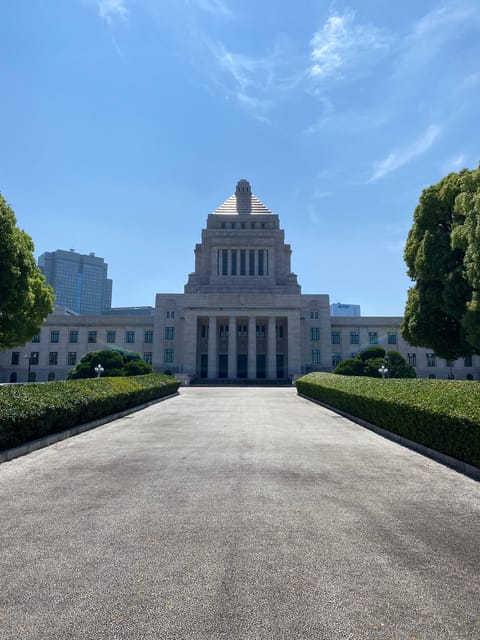
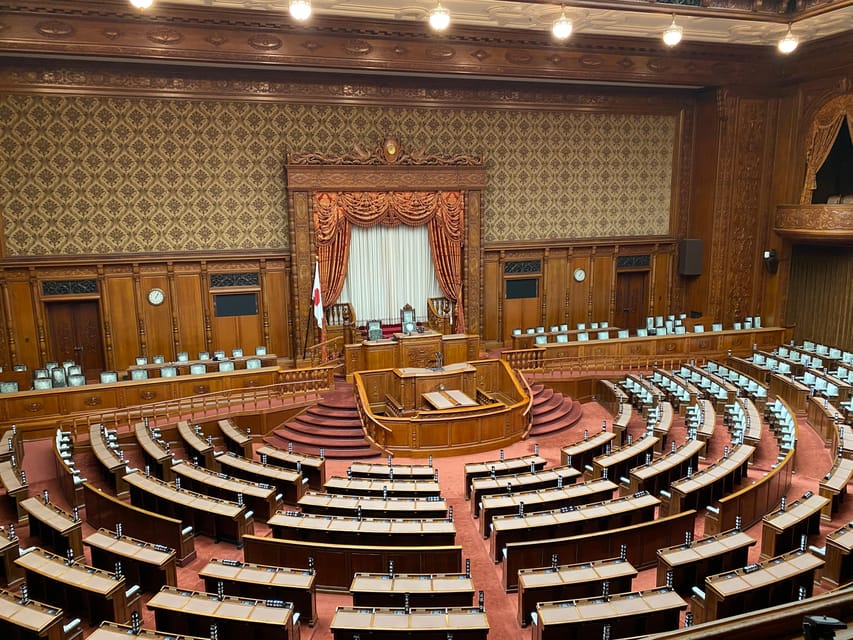
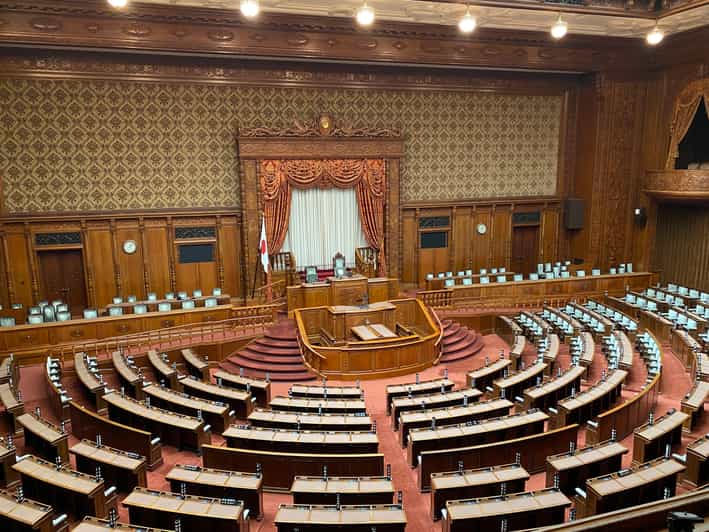
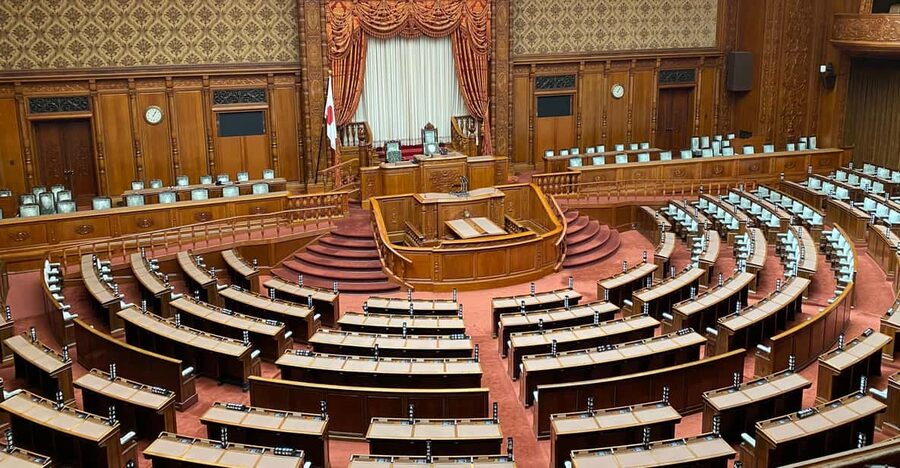
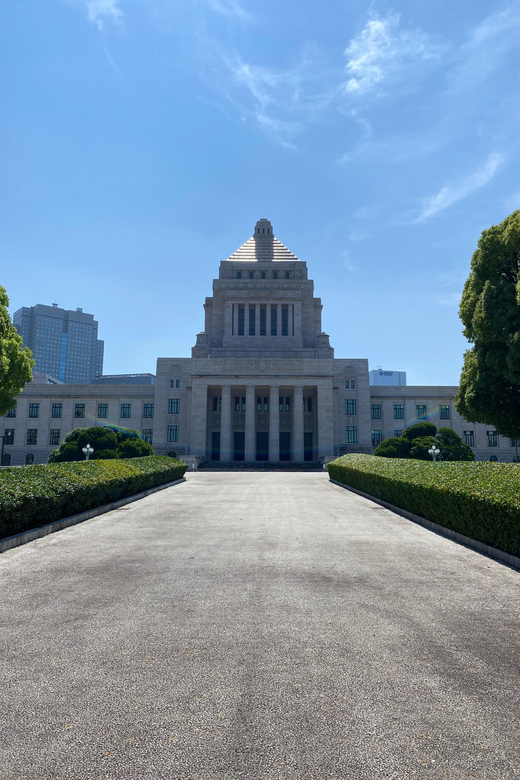
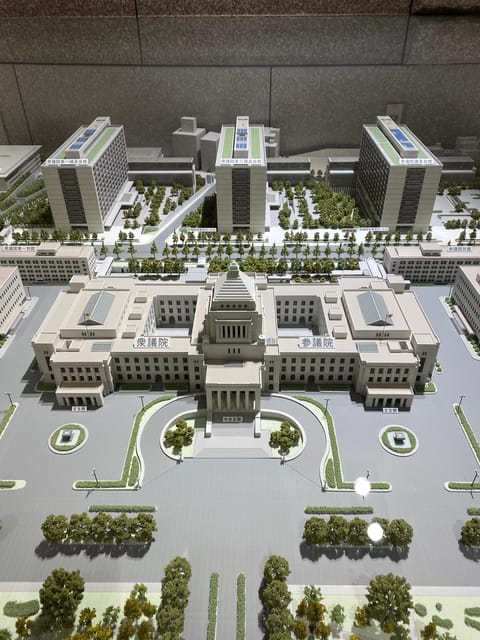
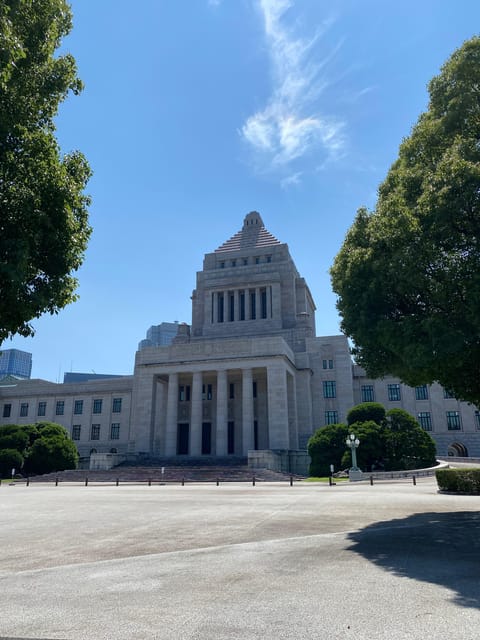
The National Diet Building is one of those places that can look impressive from the outside, but makes more sense once someone connects it to what happens inside. On this tour, the focus stays practical: you get guided time in English, walking through major spaces and learning what they mean in everyday terms, including how voting and political decision-making play out in real life.
I like that this tour does not treat politics like a textbook. It helps you form a mental picture. You learn what major events and procedures look like on the ground, and you also pick up context that makes Japanese political culture easier to follow when you later read headlines or watch news.
You can also read our reviews of more tours and experiences in Tokyo.



What you’ll notice once you’re inside
The Diet Building visit is about more than “seeing a famous building.” You’re shown how the spaces connect to the political process, which matters because Japan’s system can feel opaque at first. A guide’s explanations help you stop thinking only in terms of parties and slogans, and start thinking in terms of how decisions move.
You also learn that practical cultural details often travel alongside politics. In one example from the tour experience, the guide explained why there are no trash cans in public parks, which turns a small street-level observation into a bigger lesson about public space and habits. That kind of explanation is exactly what makes this stop feel worth your time, even if you are not a “politics person.”
The one physical note: stairs
There are stairs at the National Diet Building, so plan to move at a comfortable pace. If you have knee issues, wear supportive shoes and consider taking your time during stops. This tour is only 3 hours, so every minute matters, but the walking is still manageable if you are ready for stair sections.
Hie Shrine, career and matchmaking luck, with monkey guardians at the gate
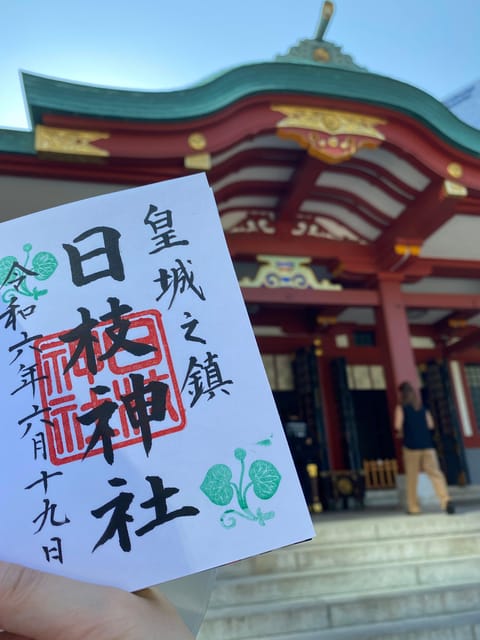
Right after the Diet Building, you head to Hie Shrine, one of those famous power spots people visit for career success and matchmaking. The shrine is close enough that it feels like a clever contrast. You’ve just been learning about formal government. Now you shift to Shinto beliefs, rituals, and the symbolism people carry into their daily hopes.
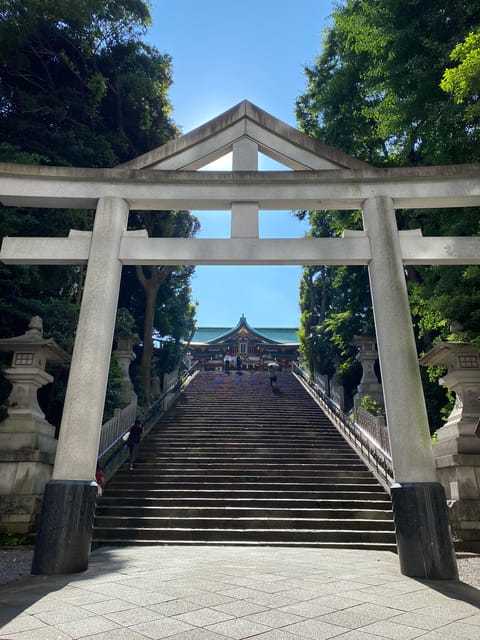
What makes Hie Shrine extra memorable here is the specific iconography you’re guided to notice. The shrine is known for guardian monkey statues at the gate and at the main hall. The monkey theme continues in details like monkey motifs on votive tablets and charms. If you have ever wondered why certain animals show up again and again at Japanese shrines, this is a clear example you can actually see with your own eyes.
The torii-gate moment
The tour also points you toward the shrine’s thousand torii gates, the kind of visual that many people compare to Fushimi Inari. You do not need to be a shrine expert to appreciate it. It’s the kind of place where your camera hand wants to move, but the real value is knowing what you are looking at and why people feel pulled back to sites like this.




How the guide makes it click
A strong guide can make shrine etiquette feel easy instead of intimidating. This tour includes guided sightseeing at the shrine, and you are taught how worship works here. That matters because you get to participate confidently without guessing.
You also get space for questions. Several guides on these tours are described as friendly and genuinely engaged, and that shows up at the shrine too. You might ask about symbolism, or you might simply ask what daily life looks like for Japanese people and get an answer that feels grounded, not scripted.
Dobashi-en matcha break: where walking slows down and flavors take over
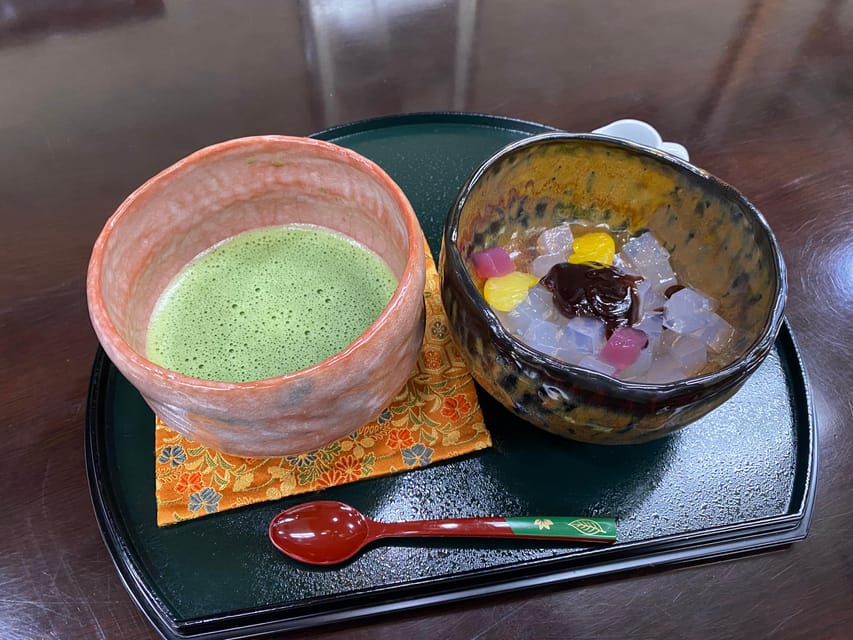
After the shrine, it’s time to reset. The final stop is Dobashi-en, a long-established green tea shop where you enjoy traditional matcha and sweets, plus a chance to relax before heading onward. This part is not filler. It helps you absorb what you just learned by turning the day into something you can taste and remember.
Why this tea stop is good value
This tour includes tea and a local snack, and you also receive a souvenir tea gift. Considering the price, this matters because the refreshments are not an extra cost you have to budget separately on the day. You also get a break from constant standing and walking, which makes the whole 3 hours feel more balanced.
And matcha is not just a drink here. It’s part of the cultural rhythm of the area. After learning about Shinto worship and political spaces, a quiet tea shop feels like the bridge between “big ideas” and the everyday.
Practical note: cards might be hit or miss
The tour information specifically warns that some shops may not accept cards. That’s not unusual in smaller specialty places. Bring some cash so you can top up or buy extra treats without stress.
The guide matters: why Megumi’s Q&A changes the whole tour
Most tours say they offer an English guide. This one adds something more important: conversation. In the experiences shared from the tour, the guide Megumi is repeatedly praised for being kind, attentive, and willing to talk beyond the prepared explanation. That means you do not just hear facts. You talk through what you’re seeing.
That’s especially valuable at a place like the Diet Building, where questions are natural. You might wonder how voting works, how political decision-making flows, or what key events actually mean in human terms. You might also ask about everyday culture, and the guide can connect the dots. One standout example described is the trash can explanation, and it fits the pattern: the guide uses small observations to teach larger ideas.
Small group size keeps it personal
The tour is limited to 5 participants. That small size changes the experience. Instead of waiting for a rare question slot, you can ask in the moment when something clicks or when something feels confusing. On some days it can even feel more like a focused conversation, since the group can be very small.
If you get anxious in large crowds, this setup usually feels calmer. You’re walking through important places, but you’re not fighting for attention.
Timing, walking, and how to plan your day around it
At 3 hours total, this tour is a solid half-day bite. It also ends at Akasaka-Mitsuke Station, which is handy for continuing your day. You’re starting near the Diet Building area and finishing in a nearby transport node, so you’re not stuck trying to route across the city right after.
In terms of effort, you should expect:
- A short walk between stops, with a clear focus on getting to the main sites efficiently.
- Stair time at the National Diet Building, where comfortable shoes help.
- Enough walking that you should skip flimsy footwear, but not so much that it becomes a full hike.
If you plan another major sightseeing block right after, give yourself a little buffer. Tea and sweets help, but the day is still a walking day.
Price and value: $129 for politics, shrine time, and included tea
$129 per person for a 3-hour small-group experience sounds like a decision. Here’s why it can still feel like good value.
You’re getting:
- Guided entry to the National Diet Building.
- Guided sightseeing at Hie Shrine.
- Matcha and sweets at Dobashi-en, plus a local snack.
- A souvenir tea gift.
A lot of tours in Japan charge similar amounts but only deliver “time with a guide.” This one includes the entry and the food component, which reduces how much you need to spend separately on the day. The result is a smoother experience because you are not constantly changing plans for where to eat or how to pay for the next stop.
Also, the tour’s real product is explanation plus Q&A in English. When the guide actively engages, that intellectual value matters more than people expect. Several participants specifically highlight that the discussion and cultural exchange were more meaningful than they expected, which tells you the guide is a big part of the offering.
Who this tour suits best, and who should skip it
This is a great fit if:
- You want an English explanation of Japan’s government that doesn’t require prior political knowledge.
- You like mixing “big institutions” with cultural sites like Shinto shrines.
- You enjoy asking questions and learning how Japanese people think about public life and daily habits.
You might skip it if:
- You strongly prefer solo wandering with no structured route.
- Stairs and short walks are a problem for you, since the Diet Building includes stair sections.
- You dislike tours that include both politics and religious culture in one outing. This tour deliberately connects both.
Should you book the Tameike tour?
If your goal is to understand Japan beyond surface sightseeing, I think this is an easy yes to consider. The combination of the National Diet Building, Hie Shrine, and a proper matcha stop at Dobashi-en makes the experience feel complete: you learn, you observe, and then you slow down.
One last practical check before you book: if you’re not feeling well on the day, skip the tour. And plan for cash, since cards may not work at every stop.
If you want politics explained in English, with enough time to ask questions and enough cultural context to make it stick, book it. If your only interest is one specific site, you may be happier choosing a more single-focus outing.
FAQ
Where do we meet for the tour?
You meet at Kokkai-gijidōmae Station, Exit 1. The guide will be wearing a navy blue Happi.
How long is the tour?
The tour lasts 3 hours.
Is the tour in English?
Yes, it includes a live English-speaking guide.
How many people are in a group?
It’s a small group limited to 5 participants.
What’s included in the price?
Entry to the National Diet Building, tea and local snacks at Dobashi-en, and a souvenir tea gift are included.
Is there walking or stairs?
Yes. The tour involves walking between stops, and there are stairs at the National Diet Building, so wear comfortable shoes.
Should I bring cash?
Yes. The tour notes that some shops may not accept cards, so it’s smart to bring cash for anything you want to purchase.
More Tours in Tokyo
More Tour Reviews in Tokyo
Not for you? Here's more nearby things to do in Tokyo we have reviewed





Tours, side by side.
 ★ 5.0Mt Fuji and Hakone 1-Day Bus Tour Return by Bullet TrainFrom $16326,383 reviews
 ★ 5.01-Day Tokyo Bus TourFrom $12914,250 reviews
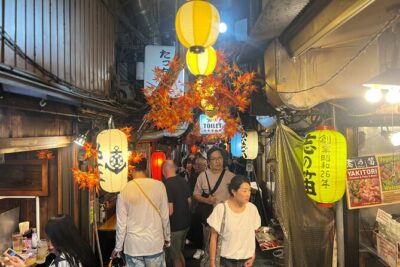 ★ 5.0Shinjuku Food Tour (13 Dishes at 4 Local Eateries)From $866,603 reviews
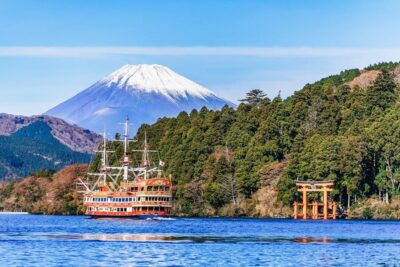 ★ 4.4Tokyo Mt Fuji 5th St & Hakone Cruise Bus Tour w/Bullet TrainFrom $1545,024 reviews
 ★ 5.0Flagship 2-Hours Official Street Go-Kart Tour – Tokyo Bay ShopFrom $644,974 reviews
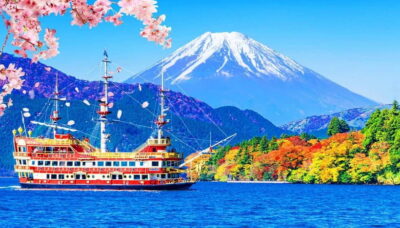 ★ 4.7Mt. Fuji Tour, Hakone Ropeway, Owakudani, Lake AshiFrom $544,002 reviews
 ★ 5.0Tokyo 6hr Private Tour with Government-Licensed GuideFrom $1553,902 reviews
 ★ 5.0Tokyo Bar Hopping Tour in Shinjuku (All-You-Can-Drink + Dinner)From $1063,587 reviews