
Review · TOKYO CITY TOURS
Tokyo 8hr Private Tour with Government-Licensed Guide
Tokyo gets complicated fast, even for smart travelers. This private 8-hour walking tour cuts through the chaos with a government-licensed English speaking guide, a menu of top sights, and a flexible plan you can shape to your group. I especially like the personal attention and the way it helps you see both classic Tokyo and modern Tokyo in one day.
A second big win for me is the practical support, like helping you understand how to move through neighborhoods and the subway system. Guides in this program, such as Yuri (Julie) and Taka, are praised for staying calm, adjusting the pace, and explaining the meaning behind what you’re looking at. The one thing to plan for up front is the walking load. Even with a customized route, you should expect a lot of steps, and transit plus entrance tickets for some stops add cost.
Key highlights worth planning around
- Government-licensed English guide focused on making the day make sense, not just checking boxes
- Choose 4 to 6 sites from a longer list, so you can build a day that fits your interests
- Hotel-area meetup for convenience, then you walk on foot and use local transit as needed
- Iconic Tokyo hits in one flow, like Senso-ji, Shibuya Crossing, and Shinjuku Gyoen
- Meaningful culture stops paired with modern districts (Harajuku, Akihabara, Golden Gai)
- Gardens and museums included as options when you want a break from crowds
A government-licensed guide plus a real plan for your day
This tour is private, meaning it’s only your group. That matters in Tokyo, where sharing space with strangers in tight stations can drain energy fast. You get a licensed local English speaking guide, and the day runs like a guided orientation plus a sightseeing block, not a rushed bus tour.
One detail I really appreciate is the “choose your own route” approach. You pick 4 to 6 sites from the recommended list, so you aren’t forced into a one-size-fits-all day. First-timers often do best with a balanced mix, like one big temple, one mega-crossing, and one calmer neighborhood or garden to reset your brain.
You’ll also see how the guide supports you beyond pointing. People talk about guides such as Kenji, Koba, Izumi, Koji, and An for their storytelling and for helping with navigation, including how to use trains and where to stand or walk so you don’t lose time. That kind of help is worth its weight in yen, because Tokyo is huge and transfers can feel confusing until someone shows you the pattern.
You can also read our reviews of more guided tours in Tokyo
8 hours in Tokyo: how you keep it fun instead of exhausting
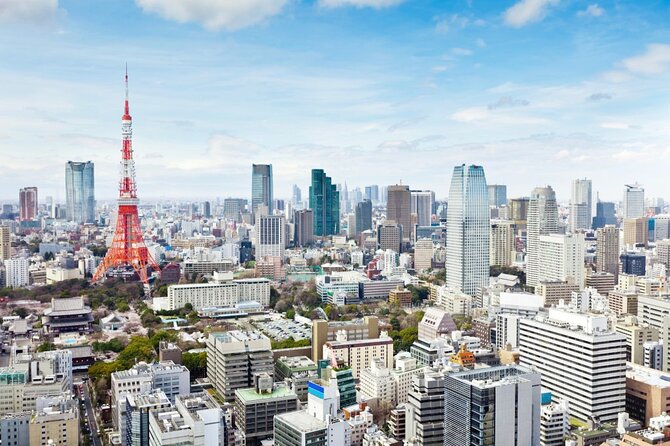
The tour is listed at about 8 hours. In that time, the sweet spot is typically 3 to 4 sites in 6 hours, then adding another couple as the day goes on. Your exact pace depends on how many you choose, where they are, and how long you want to linger at each stop.
Expect the day to be walking heavy. One highlight from guest experiences is step counts like 22,000 steps in a day, and that lines up with the tour being a walking tour with frequent neighborhood moves. If you have mobility limits, you can still do it, since the tour notes that most travelers can participate, and service animals are allowed. But I’d be honest with your guide on day one if knees or energy are an issue, and choose fewer stops if needed.
Timing is also important. A guide who knows Tokyo’s rhythms can help you spend the “good hours” at each location. You’ll often be walking between areas, then using trains, and sometimes squeezing in quick skyline moments, so build in the idea that your schedule is structured, not freeform.
Asakusa and Senso-ji: where traditional Tokyo feels real
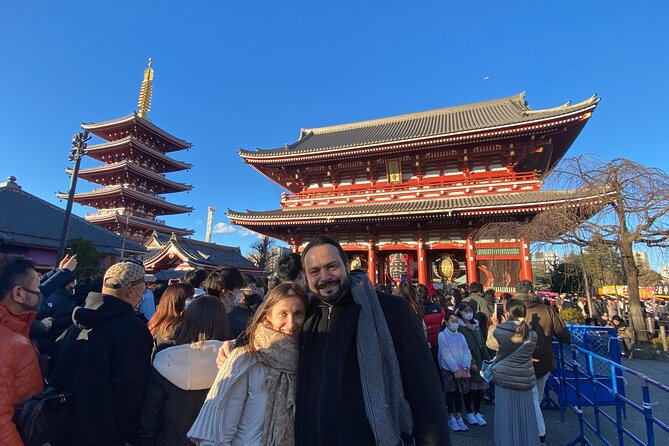
Starting with Asakusa is a smart move. Senso-ji is one of Tokyo’s most colorful and popular Buddhist temples, and it’s the kind of place that instantly tells you what Tokyo’s religious life looks like in everyday form. The tour segment for Senso-ji is short in the outline, but it’s the kind of stop where you can spend time wisely if your guide helps you prioritize what to see.
If you want a classic-first-day feeling, pair Senso-ji with another “old Tokyo” area later, like Nezu or Shibamata. That contrast can be powerful: temple energy early, then more local neighborhood vibes after. Some routes also keep Asakusa as the closer, so your last views are memorable rather than ending on a forgettable transit stop.
A consideration: in this style of walking day, you can’t do everything slowly. If you’re the type who likes long photo sessions at every shrine, you may have to pick fewer total stops.
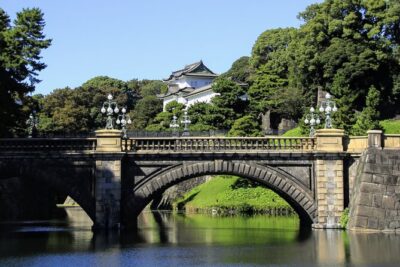
Imperial Palace grounds: big Edo-era energy, no inside access
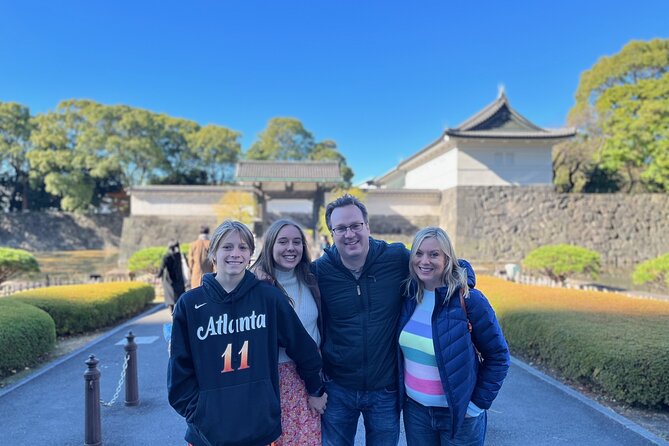
The tour includes time at the Imperial Palace area, and it specifically notes that access to the inside of the Imperial Palace is not included. What you do get is the East Gardens area view from outside access points, described as part of the former Edo Castle site with moats and massive stone walls.
Why this works: the Imperial Palace grounds give you scale. You see the planning behind Tokyo’s historical power center without needing special entry. It’s also a good “breather stop” between louder districts.
Drawback to plan for: if your priority is a full palace interior visit, this tour won’t satisfy that. But if you want atmosphere, history context from your guide, and a calmer walking stretch, it’s a great inclusion.
Shinjuku Gyoen National Garden: your calm reset between districts
Shinjuku Gyoen National Garden is one of Tokyo’s largest and most popular parks, and this is the stop that many people use to avoid sensory overload. The garden segment runs around 35 minutes in the outline, and the guide’s job is to make the space feel more than just “pretty trees and ponds.”
The practical downside: admission is not included for this stop. So you’ll want to budget for entry, and you should check what day-of ticket rules are when you arrive, since gardens can have seasonal handling.
Still, for value, it’s a smart choice because it gives you a change of pace from neon streets and station crowds. If your day feels too intense, choose a garden stop as one of your 4 to 6 picks.
You can also read our reviews of more private tours in Tokyo

Shibuya Crossing and the modern Tokyo hit
Shibuya Crossing is the “you have to see it once” moment. The tour lists it as a free admission stop and frames it as a centerpiece of modern Tokyo. Even if you’ve seen it in videos, being there in person hits differently, especially when your guide gives you context about how this area functions and why it’s so iconic.
A key consideration: this is a quick stop in the outline. If you want a long viewing session, plan for a little flexibility in your route choices. Also, photography can be tricky in a crowded scramble, so having someone point out where to stand and when to cross can save your patience.
Tsukiji Fish Market: short and sweet, not a full-day food festival
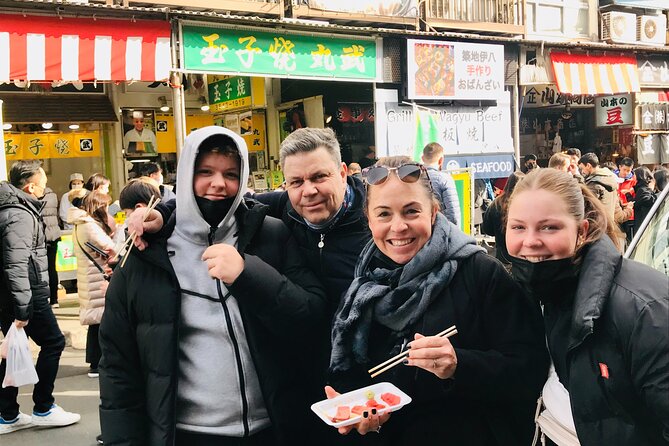
Tsukiji Fish Market is included as a 30-minute stop and described as exploring the old fish market. This is a classic Tokyo option for food-minded travelers, and it’s free for admission in the outline.
What you likely get in 30 minutes: atmosphere, quick tastes if you choose to buy snacks, and a feel for what “Tokyo food culture” looks like. Lunch itself is not included on the tour, so if you want a full sit-down meal or a specific restaurant, you’ll need to plan that outside the tour or discuss it with your guide.
A practical caution: fish markets can be busy and hard to move through without local guidance. If you tend to get flustered in crowds, you’ll feel the value of having a guide here.
Meiji Jingu and Harajuku: shrine peace, then teen culture energy
Meiji Jingu Shrine is included as a short stop and has free admission in the outline. It’s located near Harajuku Station, which makes it easy to connect shrine calm with the surrounding youthful energy.
Then Harajuku area, including Takeshita Street, is listed as another free stop around 30 minutes. Harajuku is described as centered on extreme teenage fashion and culture, so your guide’s job is to help you enjoy the spectacle without turning it into a “walk and get overwhelmed” loop.
Why I like this pairing: it gives you Tokyo’s emotional range in one arc, spiritual and quiet on one side, fashion and fun on the other.
Possible drawback: if your group is not into fashion streets, you might swap Harajuku for another cultural neighborhood stop from the list.
Akihabara: electronics shops with a pop-culture spine
Akihabara is included as a short stop and is described as famous for electronics shops, with modern recognition as a hub for Japanese pop culture. Admission is listed as free.
This works best when you treat Akihabara as a “browse and see” stop rather than expecting a museum-like walk-through. Your guide can help you navigate quickly so you can pick what you want, whether that’s gadgets, anime-related shops, or just the neighborhood vibe.
Gardens with Edo-period roots: Koishikawa, Rikugien, and Hama Rikyu
If you want Tokyo to feel less like a machine and more like a place to breathe, these garden options are the best way to do it. They’re included as optional stops with time blocks around 30 to 35 minutes.
Here’s what you can expect from each:
- Koishikawa Korakuen Garden: described as one of Tokyo’s oldest and best Japanese gardens, built in the early Edo Period. Admission is not included.
- Rikugien Garden: often considered one of Tokyo’s most beautiful landscape gardens, built around 1700 for a Tokugawa shogun. Admission is not included.
- Hama Rikyu Gardens: a central Tokyo garden along Tokyo Bay with seawater ponds that change level with the tides, plus a teahouse. Admission is not included.
The shared value: these gardens slow you down. Your guide can point out what you’re seeing, and you get a reset that pairs well with temples and busy crossings.
The main drawback is cost. Since admissions aren’t included for these gardens, you’ll pay separately, so pick one garden stop if you want to control expenses.
Tokyo National Museum: when you want culture with structure
Tokyo National Museum is included as a cultural stop around 35 minutes. Admission is not included, but this is one of the easiest “serious culture” additions to a first-time day.
This stop helps if you’re the type who likes to understand the art and historical context behind what you’re seeing across Japan. Even a short museum block can turn the rest of your day into a more meaningful experience because your guide can connect stories from the exhibits to temples and shrines elsewhere.
Tokyo Tower, Golden Gai, and other quick culture hits
Some routes also include quick, high-impact “Tokyo icon” moments.
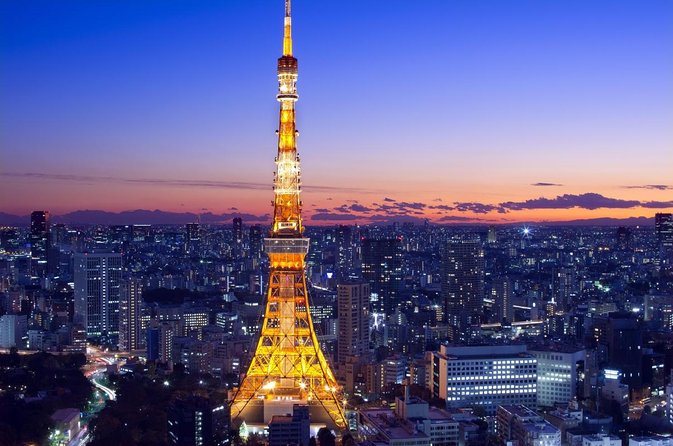
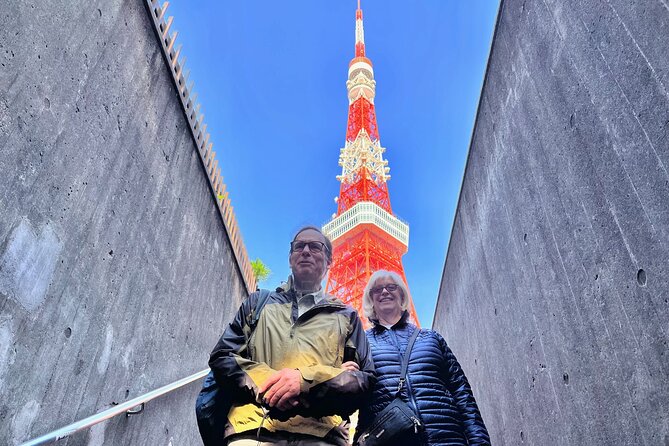
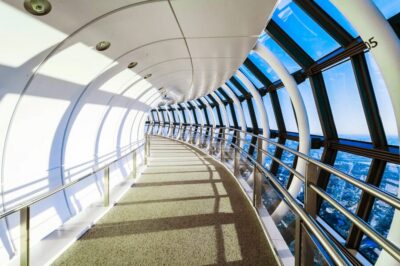
- Tokyo Tower: the outline notes only up to the main deck is included, and the top deck is not included. Admission is not included. Expect this to be a photo and viewpoint add-on, not a full attraction day.
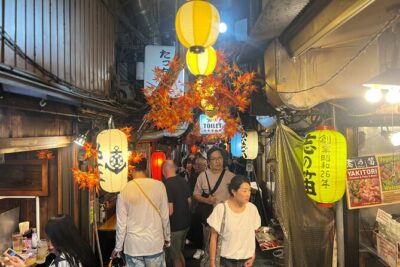
- Shinjuku Golden Gai: listed as a short stop, described as a cluster of small bars and eating places with origins around the 1950s. This is more atmosphere than a long activity.
- Nezu and Shibamata: both are described as older, more traditional neighborhoods, tied to the shitamachi feel. These are included as short segments, which can work well for a “taste of local Tokyo” without sacrificing time.
These micro-stops can be great when your 8 hours are packed and you want variety. The trade-off is you won’t get a deep dive into each place. That’s where choosing fewer stops helps.
Logistics: tickets, transport, and what actually costs extra
This tour is structured around guided walking plus transit, but you should expect extra spending outside what’s priced.
Not included:
- Transportation fees
- Entrance fees (notably some gardens and the museum, plus Tokyo Tower main deck where relevant)
- Lunch
- Other personal expenses
The good news is that many of the big-name sights here are free or have free admission segments in the outline, like Senso-ji, Shibuya Crossing, Meiji Jingu, and Asakusa. So your main extra costs usually come from the “pay to enter” choices like gardens and the museum.
A practical tip: if you want the day to feel seamless, think in categories when choosing your 4 to 6 stops:
- Choose one major paid attraction (a garden or museum), not three.
- Choose one modern icon (Shibuya Crossing or Harajuku).
- Choose one classic cultural anchor (Senso-ji or Meiji Jingu).
- Use the remaining stops for flexible neighborhoods like Akihabara, Golden Gai, Nezu, or Shibamata.
Also, the tour is private and does not combine multiple groups. That helps you keep your own pace, which matters when you hit rain, strong crowds, or just need an extra photo minute.
How to pick your 4 to 6 sites before you meet your guide
This is where you get real value from the customizable concept. If you’re overwhelmed by Tokyo, pick “logic,” not a random list.
Here’s an easy method:
1) Pick your one must-see temple: Senso-ji or Meiji Jingu.
2) Pick your one must-see modern moment: Shibuya Crossing or Harajuku Takeshita Street.
3) Pick your one reset space: Shinjuku Gyoen or one of the garden options like Koishikawa Korakuen or Hama Rikyu.
4) Fill the remaining slots with what matches your interests: electronics in Akihabara, history context at Tokyo National Museum, or neighborhood flavor like Nezu or Shibamata.
If your goal is “I want Tokyo orientation fast,” go heavier on icons plus one garden. If your goal is “Japan culture with less noise,” swap in gardens and the museum.
And be honest about pace. In the feedback, guides like Koba and An are praised for adjusting when needed, such as making recommendations when weather changes or slowing down for comfort.
Guides you might run into, and what they tend to do well
Because this is private, you’ll have a single guide for your group. The style varies person to person, but the feedback pattern is consistent: guides often combine practical navigation with story and photo help.
Some names that show up in guide experiences include:
- Yuri (Julie), praised for deep history and making a meaningful route even after rain
- Kenji, praised for fun, kindness, and accommodating extra stops
- Taka, praised for helping with subway navigation and taking family photos
- Koba and Koji, praised for top Tokyo highlight planning, plus conversation about Japanese culture
- Izumi, praised for patience teaching transit navigation and showing must-see plus off-the-beaten options
- Nori, praised for efficient transfers between locations and historical details
- An, praised for adapting with weather and providing clear cultural explanations
- Tani, praised for family friendly pacing, including kid-friendly fun
That doesn’t mean every guide will do exactly the same things. But it does suggest what you should expect: guide effort, flexibility, and a focus on helping you move through Tokyo with less stress.
Is the $201.51 price good value for Tokyo?
At $201.51 per person for an 8-hour private guide, you’re paying for two things you can’t easily buy on your own:
1) Time saved from figuring out routes, stations, and priorities
2) Story plus context, so you’re not just walking past sights without understanding why they matter
If you’re traveling as a first-timer, Tokyo can cost you time even when you’re organized. A private guide compresses decision-making. You also get a structure where you can choose 4 to 6 stops, which helps avoid the classic trap of squeezing in too many places and feeling rushed everywhere.
If your group has at least two people, this can feel especially reasonable compared to buying individual entry tickets plus paying for time-consuming planning. The tour does not include transportation or many admissions, so you still need a budget for those extras. But the guide portion of the day can be a big leverage point.
Should you book this Tokyo private walking tour?
Book it if you’re:
- A first-time visitor who wants a smooth orientation day
- Someone who would rather spend time with a local guide than researching station-by-station
- Planning to see a mix of old Tokyo temples, modern icons like Shibuya Crossing, and at least one garden or museum
Skip it or shorten your stop list if you:
- Hate walking and want a lighter day
- Care deeply about inside access to the Imperial Palace, because inside access is not included
- Want a full museum or full attraction day at multiple paid sites, because many admissions are not included and the pacing is built for a walking tour day
If you go in with a plan for 4 to 6 stops, wear comfortable shoes, and budget a bit extra for entrances like gardens and the museum, this tour is one of the best ways to get Tokyo under your skin without wasting the first day fighting directions.
FAQ
How long is the Tokyo private tour?
The tour runs about 8 hours.
Is this a private tour or shared with strangers?
It’s private. Only your group participates.
Is hotel pickup included?
Pickup is offered for convenience, and you meet the guide within a designated area on foot.
Does the tour include entrance fees?
Entrance fees are not included. Some stops listed are free, while others like Shinjuku Gyoen and several gardens and the Tokyo National Museum are not included.
What kind of sights can I choose from?
You choose 4 to 6 sites from the provider’s recommended list, which can include Asakusa, the Imperial Palace area, Shinjuku Gyoen, Shibuya Crossing, Tsukiji Fish Market, Meiji Jingu Shrine, Akihabara, multiple gardens, and the Tokyo National Museum.
Are transportation costs included?
No. Transportation fees are not included, and the tour is a walking tour that uses local movement and transit.
More Guided Tours in Tokyo


More Tours in Tokyo





More Tour Reviews in Tokyo


Not for you? Here's more nearby things to do in Tokyo we have reviewed












Tokyo City Tours, side by side.
 ★ 5.01-Day Tokyo Bus TourFrom $12914,250 reviews
 ★ 4.5TOKYO SKYTREE® Admission ticketFrom $1311,192 reviews
 ★ 4.6teamLab Planets TOKYO Digital Art Museum Entry TicketFrom $259,779 reviews
 ★ 4.0Mt Fuji & Hakone Cruise, Drum Show Bullet Train 1 Day from TokyoFrom $1497,413 reviews
 ★ 5.0Shinjuku Food Tour (13 Dishes at 4 Local Eateries)From $866,603 reviews
 ★ 4.4Tokyo Mt Fuji 5th St & Hakone Cruise Bus Tour w/Bullet TrainFrom $1545,024 reviews
 ★ 5.0Flagship 2-Hours Official Street Go-Kart Tour – Tokyo Bay ShopFrom $644,974 reviews
 ★ 4.5From Tokyo: Mount Fuji Full-Day Sightseeing TripFrom $684,970 reviews