
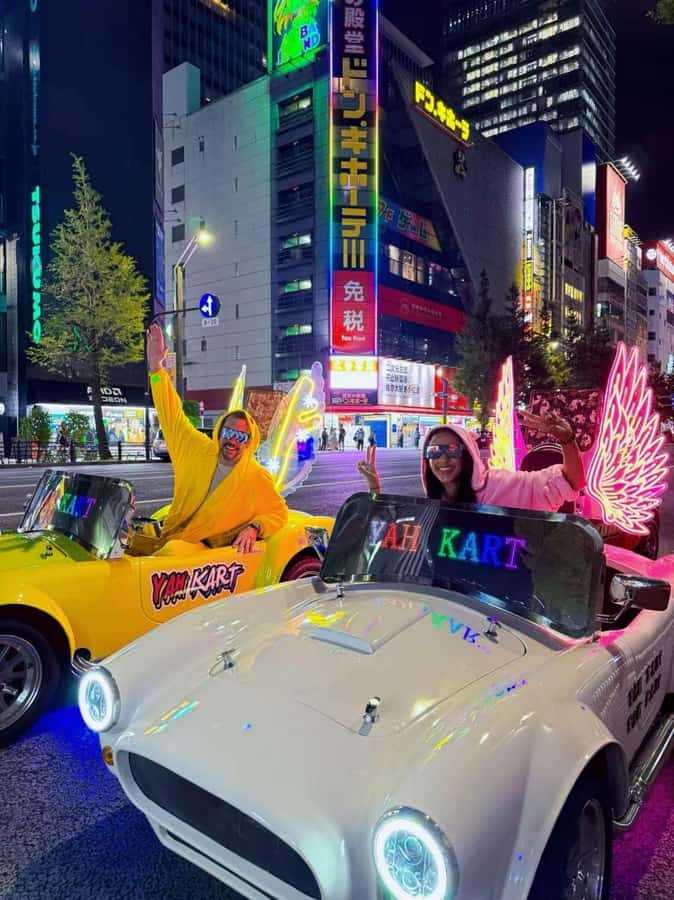
Review · ASAKUSA TOURS
Tokyo: Akihabara/Asakusa Go-Karting Tour (including guide)
Tokyo by go-kart feels illegal, in a good way. I love the mix of Akihabara energy and the approach to Senso-ji Temple from inside your own mini kart, not as a passive spectator. The main drawback is the paperwork reality, you must bring the right International Driver Permit (IDP) or JAF translation, or you cannot join.
You also get that star treatment on real streets, other people notice you and you get frequent photo moments. I especially liked the hands-on guidance from lead driver Ryu, and I like the payoff at the end: a mysterious souvenir gift plus photos and a magnetic photo frame. Just remember, you are driving among traffic, so keep your focus on safety over sightseeing.
What makes this Tokyo go-kart tour tick
- Real-driving feeling: You steer, brake, and take the corners yourself in mini karts on city roads
- Photo-friendly pacing: You get multiple opportunities to stop for photos and sightseeing moments
- Big-name neighborhoods: Akihabara, Ueno, and Asakusa Kaminarimon (near Senso-ji) are part of the route
- End-of-ride keepsakes: Mysterious souvenir gift, photos, and a magnetic photo frame with a custom Japanese stamp
- Guide support: A lead driver like Ryu helps you stay safe and capture good angles
Go-Karting the Real Streets of Tokyo, Akihabara to Asakusa
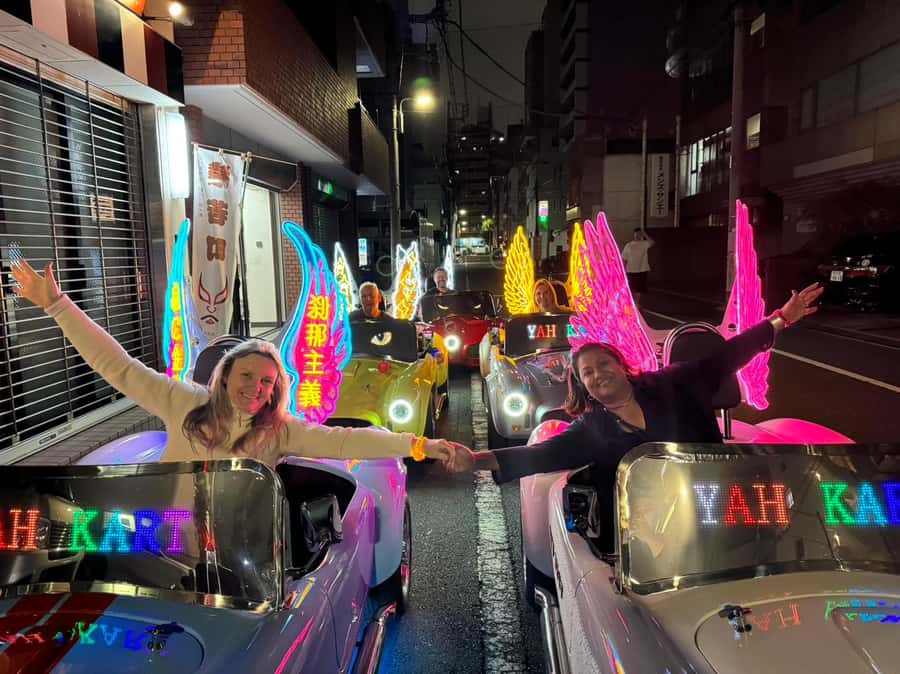
This tour is a fun contradiction. Tokyo is famous for rules, order, and manners, then you show up in a mini kart and get to drive through some of the city’s most recognizable areas. That contrast is exactly the point. Instead of looking at Tokyo from a bus window, you get moving access to the sights.
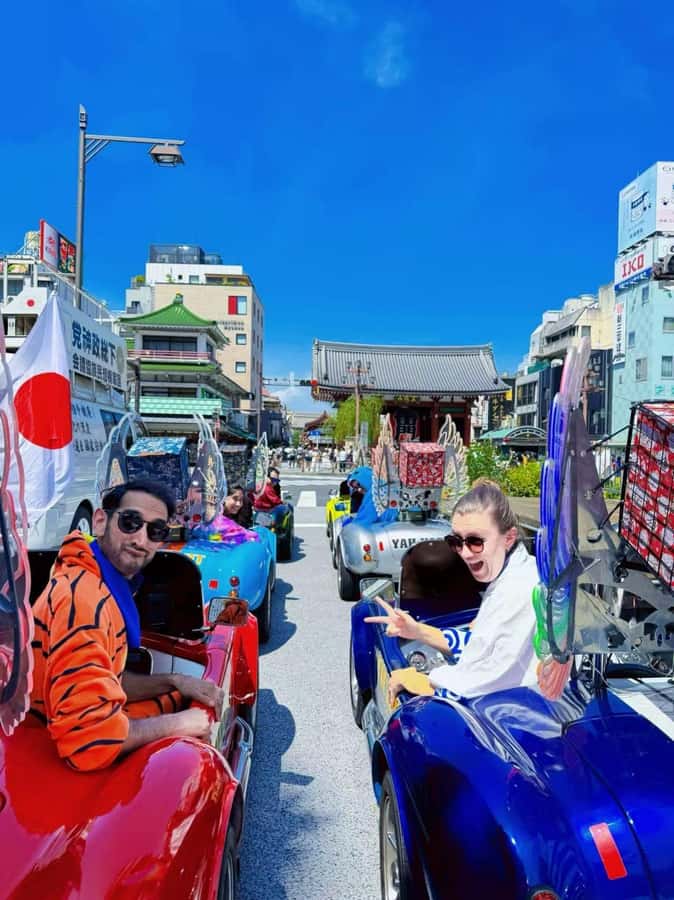
I like the way the route connects modern and traditional Tokyo. You pass through Akihabara, where the city feels loud and electric, then you head toward Asakusa Kaminarimon and the Senso-ji Temple area, where the vibe turns calmer and more classic. From your kart, you also get panoramic views of the skyline and the city flow, which helps everything feel less like checklist tourism.
There is one reality check. This is not a closed-course ride. You are on actual streets, so it demands attention. If you are the type who needs to stop often to photograph and stare, plan to compromise. If you can drive steadily and keep your eyes up, you will love how much Tokyo you can cover while still feeling like an event.
You can also read our reviews of more guided tours in Tokyo
Meeting at YAH KART on the Red Building, Then Getting Road-Ready
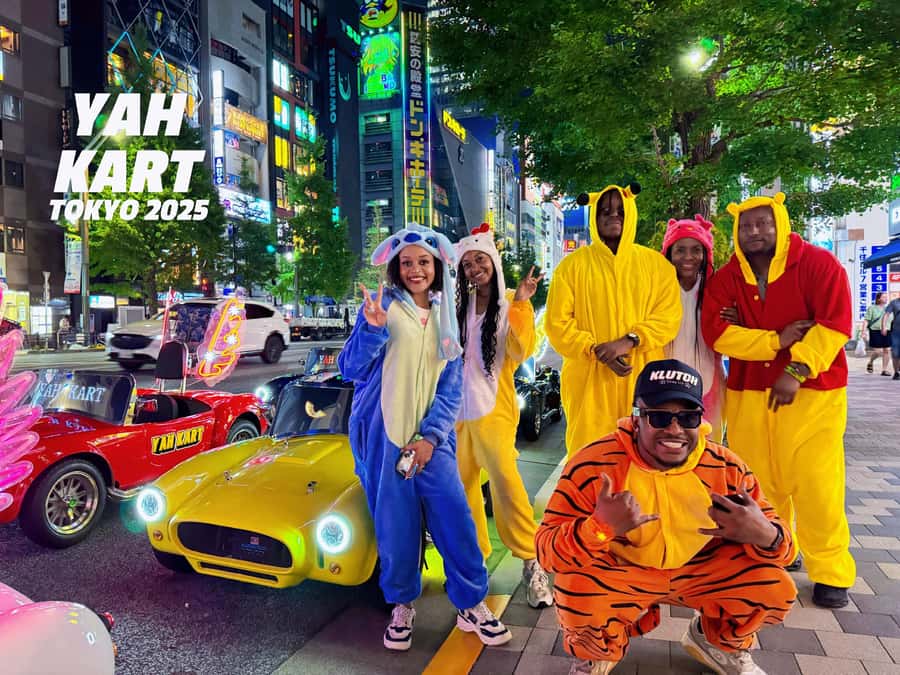
Your tour starts where it says it starts, on the first floor of the red building with a YAH KART sign on the door. The key detail here is that the activity ends back at the meeting point, so you do not need to figure out a drop-off location.
Before you move, you will want to confirm two things. First, you have your physical documents. The tour is strict about ID checks. You must carry your physical IDP (International Driver Permit) and your passport. Second, you should wear comfortable clothes and avoid anything that limits your ability to move your arms and legs.
You will also get a safety rhythm set by the guide team. The reviews highlight that the guides make sure you are safe and help you feel confident, and lead driver Ryu is specifically mentioned as ensuring people have an exciting ride with safety in mind. That matters because go-kart controls are usually simple, but driving in a dense city requires calm habits, not panic.
One more practical note: no drinks in the vehicle. It is easy to plan around, but bring water separately if you need it before or after.
Akihabara and Ueno From the Driver Seat
The best part of driving through central Tokyo is that you experience it in layers. From the kart, you see the storefront energy, the street rhythm, and the way neighborhoods change block by block. This route takes you across Akihabara and Ueno, two areas that feel very different even when you are traveling through them at the same speed.
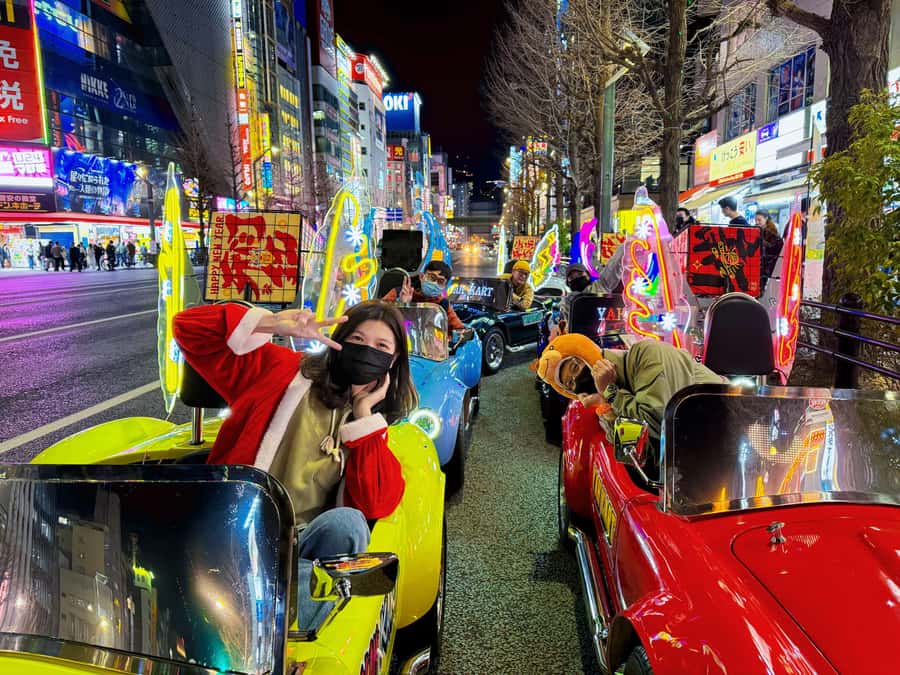
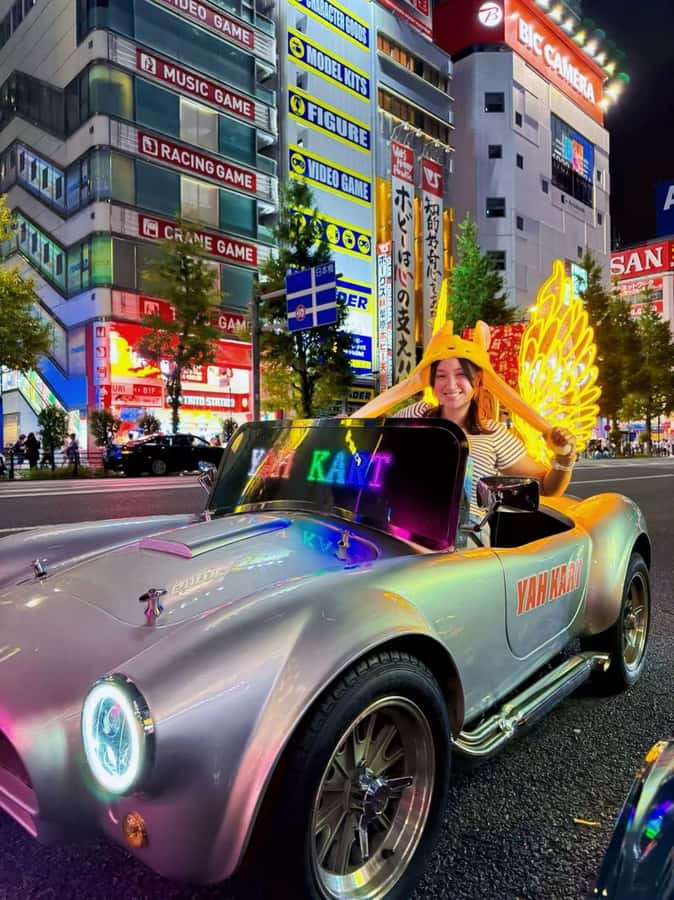
In Akihabara, you are surrounded by the kind of visual chaos that makes Tokyo feel like a video game. You are not just passing by. You are in the traffic stream with a kart that turns you into a moving landmark. That attention is half the fun. You can also take in city views from your driving position, which helps the experience feel less like you are stuck following instructions and more like you are actively exploring.
In Ueno, the feel shifts. You still get that urban momentum, but you get a different texture to the streets. It is a good middle stretch because it breaks up the day. If you are aiming for the most dramatic photo results, consider doing it at night. One of the strongest review takeaways is that night driving gives you more neon lights and more Tokyo glow to work with.
What to watch for in both areas: traffic pacing. You might feel tempted to speed up for photos. The guide will keep the group flowing, so keep your driving steady and let the cameras and phone moments happen when the tour makes them possible.
Asakusa Kaminarimon and Senso-ji Temple, Why the Finish Land Feels Right
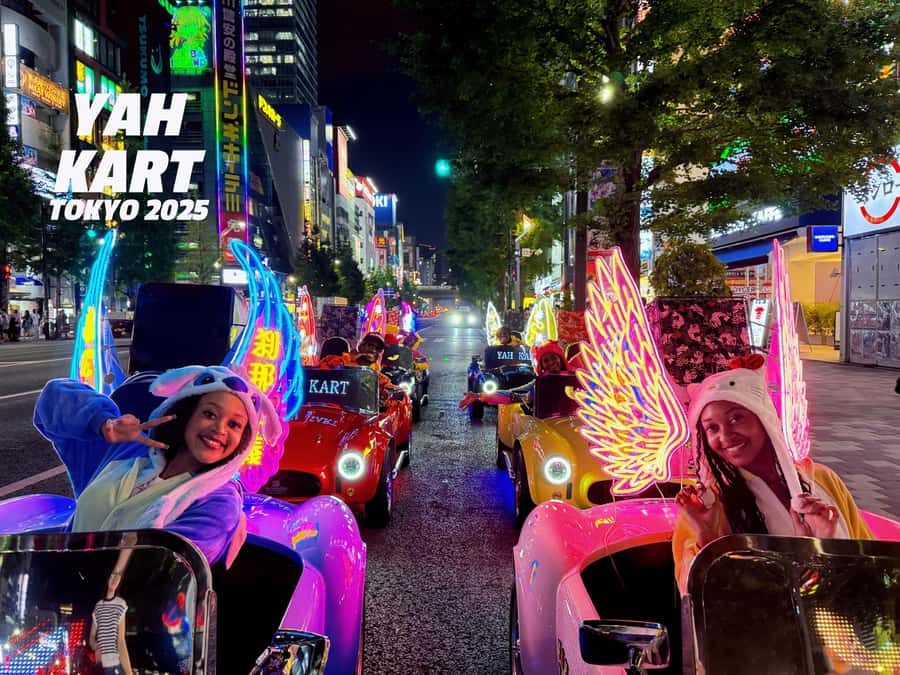
The ride comes together near Asakusa Kaminarimon and the Senso-ji Temple area. This part is special because it transitions you from Tokyo as a tech and neon machine into Tokyo as tradition and street atmosphere.
Kaminarimon is the kind of landmark you recognize instantly, and reaching it by go-kart changes how you experience it. You arrive with momentum, not with a tired shoe shuffle. You can also frame photos more naturally because you have been driving through the city, not just standing at the perimeter.
There is also a calm logic to the ending. The tour mixes high-energy neighborhoods and keeps the attention moving. When you get to a cultural highlight like Senso-ji, the contrast makes it feel more like a payoff than another stop.
One drawback to consider here is crowd behavior around major temple areas. The kart experience is still on streets, so you do not get the same freedom to stop as you would on foot. If your priority is long shrine exploration time, plan to do that separately after the tour. The kart ride is about the journey and the perspective, not about a long standalone temple visit.
The Photos, Magnetic Frame, and the Mysterious Souvenir Gift
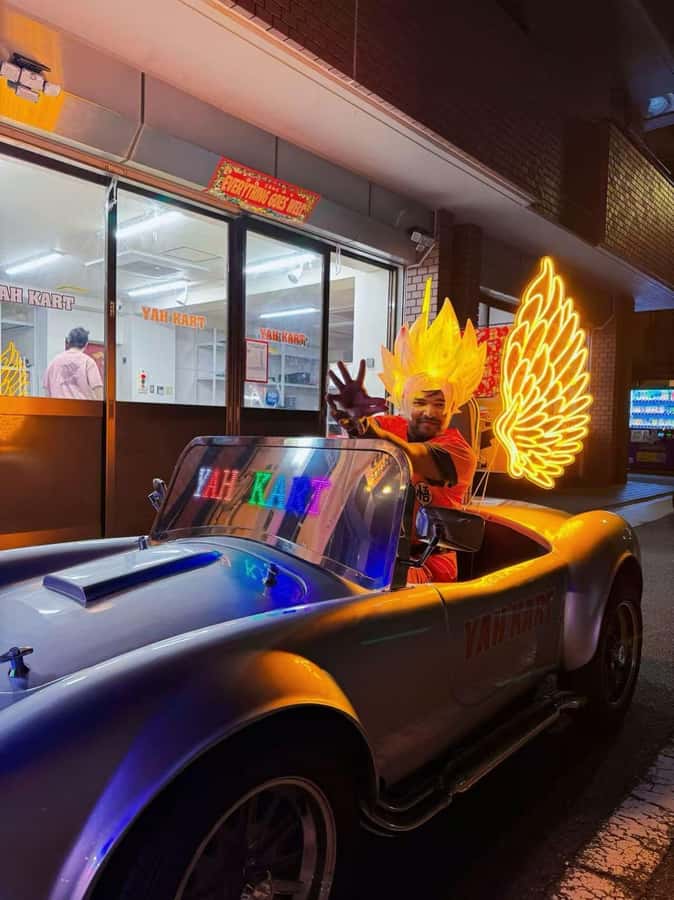
At the end of the ride, you get more than the memories in your camera roll. Included in the package are photos, a magnetic photo frame with a custom Japanese stamp, and a mysterious souvenir gift.
I like this kind of inclusion because it solves two common travel problems. One, you do not have to rely on getting perfect shots alone while you are driving. Two, you leave with a physical reminder you can actually display. A magnetic photo frame is one of those small things that makes sense at home, especially if you travel with souvenirs you can keep rather than stash.
The tour also offers add-ons for people who love gear. You can equip the kart with light-up accessories, and there is an optional 360-degree panoramic camera. The light-up accessories and camera are not included as standard, so if that matters to you, budget for it. If it does not, you can still have a great time with the included photos and gift.
If you are traveling with someone, this is a strong couple activity. It is shared adrenaline, shared landmarks, and shared keepsakes.






Licenses, IDP Rules, and Safety Stuff You Cannot Skip
The biggest “make or break” part of this tour is the driver requirement. The tour requires an International Driving Permit issued in the format of the 1949 Geneva Convention from an authorized association. If you do not confirm this in advance, the tour cannot arrange your participation, and refunds are not available.
There is also a set of country-specific rules tied to language and translation. If your license is from the countries listed (including Switzerland, Germany, France, Taiwan, Belgium, or Monaco), you will need a Japanese translation obtained from the Japan Automobile Federation (JAF), with the physical domestic license and official translation. Licenses from countries not covered by the 1949 Geneva Convention, such as China, Indonesia, Mexico, Qatar, Saudi Arabia, are not permitted.
Two practical reminders that help you avoid stress:
- Bring the physical IDP and physical passport. Digital copies will not solve a document check.
- Follow traffic rules and avoid drinking before driving.
Also, vehicle insurance is not included. That does not mean you will be reckless, but it does mean you should treat this as an activity with responsibility on your side. If you are uncertain about your driving comfort, practice basics before you arrive and choose calm habits in the moment.
Price and Value, Why $71 Can Be a Smart Use of Your Tokyo Time
The price is $71 per person, which is attractive for an experience that includes a guide, on-street driving, and tangible photo keepsakes. The value comes from three places.
First, you get instruction and group management while driving a kart through a real city. That is often what makes go-kart experiences worth it, because you are not figuring out the flow alone. Second, the included items (photos and the magnetic frame) turn the experience into a souvenir package, not just a memory. Third, the route hits Akihabara, Ueno, and Asakusa Kaminarimon, which saves time versus piecing it together yourself.
There are costs you might forget to factor in. You might need to pay for getting the IDP or translation. Optional add-ons like light-up accessories and a 360-degree camera can add to the total. And since insurance is not included, consider how comfortable you are driving in traffic.
Who this tour is best for:
- Adults 18 and up (it is not suitable for children under 18)
- People with the correct license paperwork who want more than sightseeing photos
- Couples and friends who enjoy shared thrills and like having a guided path through a big city
If your travel style is strictly quiet, low-motion, or mostly museum-based, this may feel too active. If you like moving through cities in a hands-on way, it fits Tokyo better than almost anything else on the list.
Should You Book This Akihabara and Asakusa Go-Kart Tour?
Book it if you can tick three boxes: you have the correct IDP or JAF translation, you are comfortable driving with attention on real streets, and you want a Tokyo experience that hands you the wheel instead of handing you a headset tour.
I would pass or reconsider if any of these are true: you are missing the physical documents, you are not confident in traffic driving, or you want a long stop-and-stroll temple visit built into the ride. This tour is about the drive, the route, and the keepsakes, not about extended wandering inside every sight.
If you do book, I suggest aiming for the night slot when possible, based on the way the neon lights make the experience feel more electric. And set your expectation that you will be focused on driving first, photos second. Do that, and you will get exactly what makes this tour so fun, Tokyo from the driver seat, with Ryu-level guidance and a souvenir to prove it.
FAQ
Do I need an International Driver Permit to drive in Japan?
Yes. You need an International Driver Permit (IDP) issued in the 1949 Geneva Convention format, or a Japanese translation from JAF for specific license countries listed in the rules. You must also carry the physical IDP and your passport.
Are all driver’s licenses accepted for this tour?
No. Licenses from countries not covered by the 1949 Geneva Convention, such as China, Indonesia, Mexico, Qatar, Saudi Arabia, are not permitted to drive in Japan for this activity.
Where is the meeting point?
Meet on the first floor of the red building. Look for the YAH KART sign on the door. The tour returns to this same meeting point.
What do I need to bring?
Bring your driver’s license, the physical International Driver Permit (or required domestic license plus official translation), and your passport. Wear comfortable clothes.
Are drinks allowed during the ride?
No. Drinks are not allowed in the vehicle.
What is included in the price?
The included items are the go-kart driving experience, a guide, a mysterious souvenir, photos, and a magnetic photo frame with a custom Japanese stamp.
Is hotel pickup or drop-off included?
No. Hotel pickup and drop-off are not included.
Is a 360-degree camera included?
No. A 360-degree panoramic camera is optional, and it is not included.
Is the tour suitable for children?
No. It is not suitable for children under 18 years.
What languages will the guide speak?
The languages are Japanese, Chinese, and English.
More Guided Tours in Tokyo
More Tours in Tokyo
More Tour Reviews in Tokyo
Not for you? Here's more nearby things to do in Tokyo we have reviewed












Asakusa Tours, side by side.
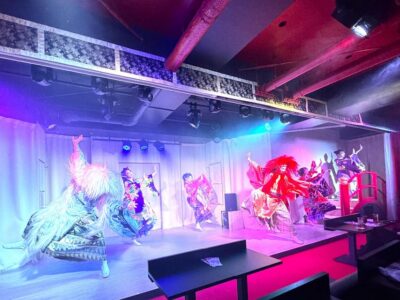 ★ 4.8Japanese Dance Cabaret Theater Asakusa-Kaguwa TicketFrom $492,270 reviews
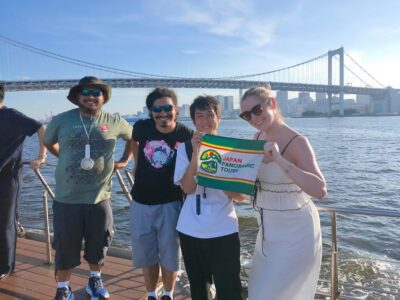 ★ 4.7Meiji Shrine, Asakusa, Skytree Bus Tour and CruiseFrom $1221,986 reviews
 ★ 4.9Roll and Authentic Sushi Making Class in AsakusaFrom $581,957 reviews
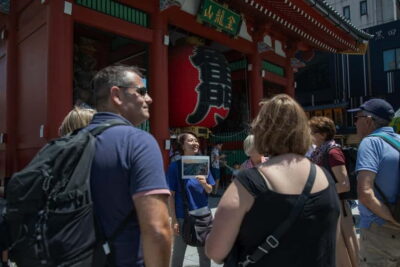 ★ 4.8Asakusa Walking Tour with Sensoji Temple VisitFrom $221,583 reviews
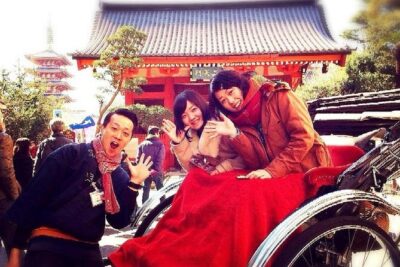 ★ 5.0Tokyo Asakusa Rickshaw TourFrom $421,375 reviews
 ★ 4.5Tokyo Panoramic 1 Day: Meiji Shrine, Asakusa, Odaiba and SKYTREE®From $851,222 reviews
 ★ 5.0Tokyo Go Kart: Asakusa, Skytree, and Akihabara **IDP MUST**From $99988 reviews
 ★ 4.7Asakusa, Skytree & Akhihabara Go-Kart City ExperienceFrom $96761 reviews
This tour also belongs to