
Review · TOKYO CITY TOURS
Tokyo Baseball Experience Tour with Expert English-Speaking Guide
Baseball in Tokyo feels like a ritual. I like that this is a small-group baseball night led by an English-speaking guide, and you practice the crowd chants so you know what to do once the game starts. I also like that your ticket has a real seat choice, S, A, or B, so you are not stuck with a random view. One thing to consider: you do not control the exact timing, since the tour ends when the game begins, and the match can run long.
If you want a deeper feel for how Japanese baseball works, this format helps. You get an audio headset for clearer explanations, plus an intro to baseball in Japan and how it differs from MLB, right before you settle in. Also, the stadium is open-air, so rain can affect whether you actually watch the game.
Key Highlights You Should Care About
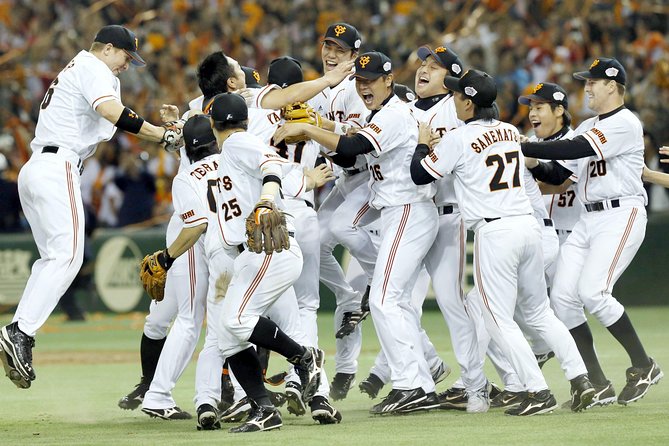
- Chants and anthems practice before first pitch, not after you are already lost.
- English headset support so you can follow the guide’s explanations clearly.
- Real stadium seats included (S, A, or B), with options that match different sightlines.
- Small-group size up to 12, which makes it easier to ask questions.
- A game ticket is included, so this is not just a museum-style baseball talk.
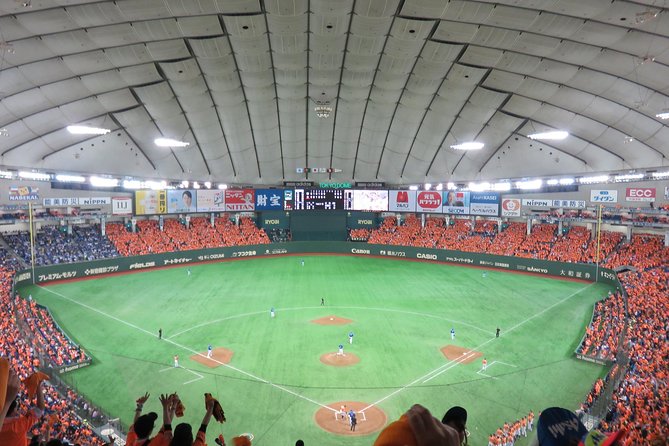
- Meiji Jingu Baseball Stadium location puts you in the middle of a classic Tokyo ballpark scene.
Why Japanese Baseball Feels Different at Meiji Jingu Stadium
Japanese baseball has its own rhythm, and that comes through fast at Meiji Jingu Baseball Stadium. The guide sets the tone with what to listen for and what fans do during key moments, so the game is not just baseball on TV, it is baseball as people actually live it.
The biggest win for me is the way this tour treats the crowd as part of the event. You are not only watching players, you are learning the chants and anthems that fans use to build momentum. Once you know the basics, you can join in instead of standing there silently trying to figure out when everyone else starts chanting.
Another strong point is the explanation of how Japanese baseball differs from MLB. Even if you already know baseball, you will pick up cultural and game-day differences that change how you see the pauses, the pressure, and the fan energy.
You can also read our reviews of more guided tours in Tokyo
A 4-Hour Plan That Centers on First Pitch
The whole outing runs about 4 hours. In practice, the game itself can last around 3 hours, and the tour is designed to end when the match begins, so the lesson portion happens right up front.
Here is how to think about it. You should expect a short pre-game period where you get oriented, learn what to look for, and rehearse the chants. Then you transition into full spectator mode with your included seat ticket.
If you are the kind of person who loves arriving early to soak in every minute, plan for the reality that this is structured around game start. The experience still feels complete, but it is not built like a full day at the ballpark.
Your Seat Choice Matters: S, A, or B at the Ballpark
Your admission includes one set of seats, chosen from S, A, or B based on availability. This is more important than it sounds, because Japanese ballparks can feel different depending on where you sit.
- S Seats: right behind the batter, in the heart of the action. If you like pitch-by-pitch detail, this is usually the most electric spot.
- A Seats: behind first and third base, with a good view of the entire field and the players on the bench. This can be great if you want context, not just one angle.
- B Seats: behind the foul pole, with a good view of the outfielder’s play. If you like defense and movement in the outfield, this view can be satisfying.
Because your ticket is part of the package, you are not spending time figuring out ticket types at the last second. You simply show up, get oriented, and settle in.
One more practical note: the venue is open-air. That can be part of the fun, but it means you should be mentally ready for Tokyo’s mood swings.
Learning the Chants and Anthems So You Can Join In
The tour’s most memorable part is the chant learning. Fans in Japan treat these moments like signals. They build energy, mark momentum swings, and create that togetherness you only feel when you know what you are supposed to say or do.
With this tour, you learn the chants and anthems before the game, then you use that knowledge once you are in your seat area. You are not guessing, you are participating.
If you are even a mild baseball fan, this is the difference between watching and experiencing. And if you are a bigger MLB fan, it is extra rewarding because you can compare the emotion and flow of Japanese fan culture to what you already know from MLB.
English-Speaking Guide + Audio Headsets: What You Hear During the Game
An English-speaking guide runs the experience, and you get audio headsets so you can hear explanations clearly. That matters a lot in a stadium, where noise usually makes listening hard.
The guide covers the history and context of baseball in Japan, plus what is different versus MLB. You get the translations and the meaning behind the game-day behavior, so your brain has something to latch onto while the action is happening.
Since the group is small, the guide can also tailor pacing so you are not overwhelmed. You are learning enough to feel connected, but not so much that you miss the game.






The Stadium Stuff: Food Is On You, Snacks Are Easy
Food is not provided. That is simple, but it means you should plan your own stadium snacks and drinks.
Good news: the stands sell snacks, drinks, and merchandise. So you can grab something when you arrive, or during a break in action if the flow of the game allows it.
I recommend you keep your expectations practical. This is a baseball ticket experience with cultural context, not a catered meal tour. If you arrive hungry, buy something at the stands and settle in.
Getting There Without a Stress Spiral
Transportation to and from the stadium is not included. The meeting point is Meiji Jingu Baseball Stadium, 3-1 Kasumigaokamachi, Shinjuku City, Tokyo 160-0013, Japan, and the area is near public transportation.
That is helpful because you can plan your transit like a local. Still, give yourself a buffer.
The tour asks you to arrive at least 10 minutes early at the meeting location. Since this is a group tour, being late can mean you start without you, and you will need to meet the group at the next location. You will be given the guide’s phone number so you can call if needed.
If you are trying to make this low-stress, I suggest treating it like any timed event in Tokyo: get there early, use transit, and do not wait until the last minute.
Also, it is a mobile ticket. Bring your phone with battery and any ticket confirmation you received.
Rain Rules, Open-Air Stadium Reality, and What It Means for Your Plans
Because the stadium is open-air, weather is a key factor.
- If there is heavy rain, the match will be canceled and you receive a full refund.
- If there is light rain, the match proceeds as scheduled.
- If the match is ongoing and rain starts unexpectedly, there is no refund provided.
So the practical takeaway is this: dress for changing conditions, and be mentally ready for the game to go forward even if it is not perfectly dry outside.
This is the kind of tour where your best strategy is flexibility. If you are the type who wants guaranteed comfort, a game-day experience always carries some weather variability.
Price and Value: What $98 Actually Buys You
At $98, you are paying for more than a ticket. Your package includes:
- An English-speaking guide
- A baseball seat ticket in S, A, or B
- Audio headsets
- Service fee and tax
- A small-group format with a maximum of 12 travelers
That is where the value comes from. A baseball game on its own can be a straightforward ticket purchase. What you are buying here is translation, context, and fan participation skills, the chants and anthems that make the stands feel alive to you.
If you already love baseball and you want to understand why Japanese fans respond the way they do, this can feel like good value. You are not just paying to watch, you are paying to be able to join in.
The main trade-off is timing and structure. The tour ends when the game begins, so it is not designed to give you maximum pre-game time. If you want to arrive very early to explore the ballpark atmosphere for a long stretch, you may wish you had more lead time.
Who Should Book This Tokyo Baseball Experience
This tour fits best if you:
- Speak English and want an English-speaking guide instead of figuring things out alone
- Love baseball and want the Japan-specific fan culture side
- Are curious about how Japanese baseball differs from MLB
- Prefer small group experiences, not crowded tours
It also works for families in the sense that there is no age requirement listed, but children must be accompanied by an adult. Most people can participate.
If you are only interested in watching the game and you already understand Japanese baseball chants and stadium culture, the guide value might feel less necessary. But if you want to understand the emotional engine of the stands, the tour is built for that.
Should You Book This Tokyo Baseball Experience Tour?
Yes, if your goal is to connect with Japanese baseball culture, not just sit in a seat and hope you figure it out. The chant practice, the audio headsets, and the chance to join the crowd make this more than a simple ticket.
I would skip or reconsider if:
- You strongly need food and drinks included
- You get frustrated by schedule constraints, since the tour ends when the game starts
- Weather worries you, since it is open-air and the refund rules depend on rain level
If you are a baseball fan visiting Tokyo, this is one of the most direct ways to experience how Japan turns a game into a shared event. Come ready to chant, listen, and watch closely, and you will get far more out of those three hours than you might expect.
FAQ
How long is the Tokyo Baseball Experience Tour?
It runs about 4 hours. The game can last around 3 hours, and the tour ends when the game commences.
Where does the tour meet?
The start location is Meiji Jingu Baseball Stadium, 3-1 Kasumigaokamachi, Shinjuku City, Tokyo 160-0013, Japan. The tour ends back at the meeting point.
Is food included?
No. Food is not provided, but snacks, drinks, and merchandise are available to purchase at the stadium stands.
Are tickets included?
Yes. Admission to a game is included, and your seat ticket is included as part of the tour.
What seat types are included (S, A, or B)?
Your ticket is for S, A, or B seats depending on availability:
S: right behind the batter
A: behind first and third base
B: behind the foul pole with a good view of outfielder play
How many people are in the group?
This is a join-in group experience with a maximum of 12 guests.
Do I need to arrive early?
Yes. Please arrive at least 10 minutes before the designated meet-up time. If you are late, the tour may begin without you.
Is an English-speaking guide provided?
Yes. The tour includes an English-speaking tour guide, plus audio headsets.
What about rain at the stadium?
Meiji Jingu Stadium is open-air. Heavy rain cancels the match with a full refund. Light rain usually means the match proceeds. If rain starts unexpectedly while the match is ongoing, no refund is provided.
Can I cancel and get a refund?
The experience is stated as non-refundable and cannot be changed for any reason. A standard cancellation policy is also provided with cancellation fees depending on how many days before the event you cancel.
More Guided Tours in Tokyo

More Tours in Tokyo

More Tour Reviews in Tokyo
Not for you? Here's more nearby things to do in Tokyo we have reviewed












Tokyo City Tours, side by side.
 ★ 5.01-Day Tokyo Bus TourFrom $12914,250 reviews
 ★ 4.5TOKYO SKYTREE® Admission ticketFrom $1311,192 reviews
 ★ 4.6teamLab Planets TOKYO Digital Art Museum Entry TicketFrom $259,779 reviews
 ★ 4.0Mt Fuji & Hakone Cruise, Drum Show Bullet Train 1 Day from TokyoFrom $1497,413 reviews
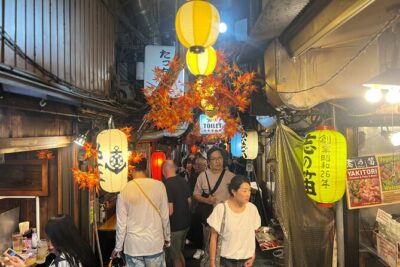 ★ 5.0Shinjuku Food Tour (13 Dishes at 4 Local Eateries)From $866,603 reviews
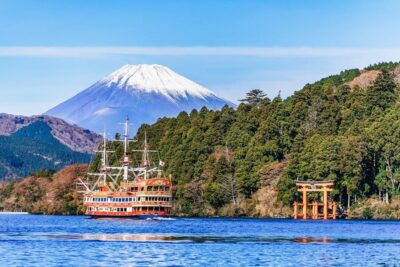 ★ 4.4Tokyo Mt Fuji 5th St & Hakone Cruise Bus Tour w/Bullet TrainFrom $1545,024 reviews
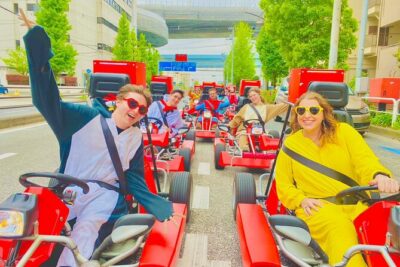 ★ 5.0Flagship 2-Hours Official Street Go-Kart Tour – Tokyo Bay ShopFrom $644,974 reviews
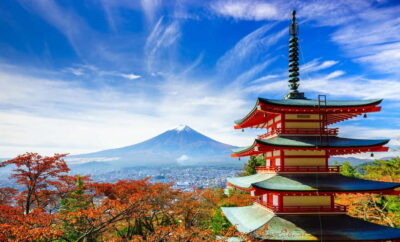 ★ 4.5From Tokyo: Mount Fuji Full-Day Sightseeing TripFrom $684,970 reviews