
Review · MOUNT FUJI TOURS
Tokyo Day Tour in Mt. Fuji, Lake Ashi Cruise and Owakudani Cable
One long day, three chances to see Fuji. This Hakone and Mount Fuji day trip strings together Hakone Shrine, a Lake Ashi cruise, and the Hakone Ropeway with tickets included, so you spend less time figuring things out and more time looking out the window.
I like how the day is built around great photo angles, especially with the torii gate view over Lake Ashi and the volcanic scenery around Owakudani.
You also get a very practical setup for a big day. Pickup and drop-off from central Tokyo keeps commute stress lower, and guides can explain things in English, Japanese, and Chinese, with people like Jake, Jack, Kousei, Tom, Peter, and Andrew specifically mentioned for clear pacing and helpful guidance.
That matters because timing in Japan can be unforgiving when you are traveling far from the city.
The main consideration is that Mount Fuji visibility depends on weather, and the whole schedule is a full push outside Tokyo. Mount Fuji visibility can be great in clear weather, or frustrating if clouds roll in, and traffic can make the day feel rushed by the afternoon.
If you are counting on one perfect Fuji panorama at one stop, plan your mindset for a range of outcomes.
Key Things You’ll Notice on This Tour
- Hakone Ropeway ticket included: you skip an extra ticket line and save time on a tight day.
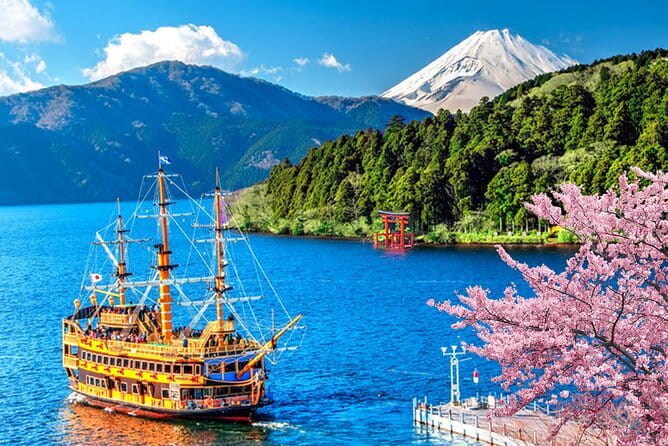
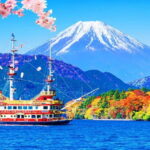
- Lake Ashi pirate ship cruise at Togendai: torii gate views from the water are a big part of the appeal.
- Owakudani sulfur views plus black eggs: you get the volcanic vibe without needing to plan separate transportation.
- Five Lakes area stop at Yamanakako (Swan Lake): quick scenic pause with classic Fuji reflection photo potential.
- Oshino Hakkai ponds to end the day: a calm, pretty finale compared to the steam and sulfur earlier.
- A max group size of 45: large enough for value, small enough that the guide can still keep everyone together.
Why This Hakone and Mount Fuji Day Trip Works From Tokyo
This is a smart choice when you have limited time in Tokyo and want the “greatest hits” around Hakone and Mount Fuji. You pack in multiple viewpoints, a volcanic stop, and two iconic photo areas tied to Mount Fuji’s water and reflections.
The big value is that it is built to reduce decision fatigue. Between the pickup and drop-off, and the included Hakone Ropeway ticket, you are spending your energy on the scenery, not on route planning.
You can also read our reviews of more boat tours in Tokyo



Getting From Central Tokyo: Pickup, Comfort, and How the Day Feels
You start with pickup and drop-off at a designated point, and you travel by air-conditioned vehicle. For a day that lasts about 10 hours, that comfort matters, especially if you are sensitive to long bus rides.
It is also worth knowing how the day can move. Weekend and holiday traffic in Japan can delay the return time past 8 p.m., and visit times at attractions may be shortened, adjusted, or canceled. That is not a sign of poor planning, it is just how outer Tokyo area logistics work on busy days.
A practical tip: bring snacks and water for the gaps. Even when stops are timed well, the day can still feel long, and you do not want to be stuck hungry during transit.
Hakone Shrine and the Lake Ashi Torii: Your First Big Fuji Moment
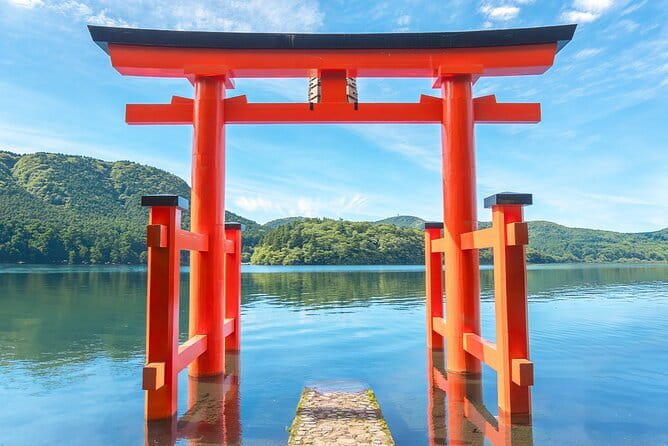
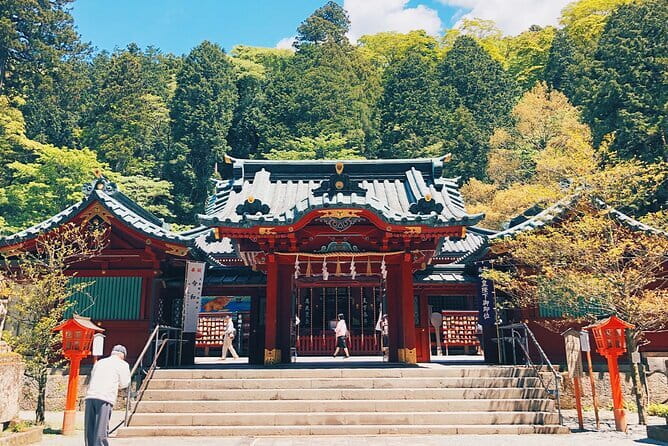
The day begins at Hakone Shrine, where you can take in views tied to Lake Ashi and the famous torii gate angle. This stop is short, about 50 minutes, so you will want to move efficiently once you arrive.
Why I like this first stop: it sets the theme early. You get the traditional, scenic Hakone atmosphere right away, and you are already thinking about the water and the mountain before you go farther into the ropeway and volcanic zone.
What to watch: you may want to get your photos quickly. If the group arrives early and the light is right, it is a good time to capture steady compositions before the day grows busy.
The Togendai Cruise on Lake Ashi: See the Torii From the Water
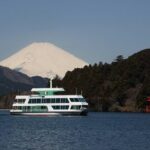
Next comes Togendai Port and the Hakone pirate ship cruise. The cruise runs about 25 minutes and it is where the torii gate becomes a “from the water” experience instead of a shoreline photo.
A key detail for planning: the cruise ticket is not included in the tour price. It costs $12.00 per person. So when you budget, treat this as part of the day but as an add-on you will pay during the experience.
Why the cruise is worth it: even with limited time, the water viewpoint gives you a different Mount Fuji perspective than the shrine area. It is also a good reset in the middle of a packed day, a chance to sit and let the scenery change.
Hakone Ropeway to Owakudani: Included Tickets and the Volcanic View Build-Up
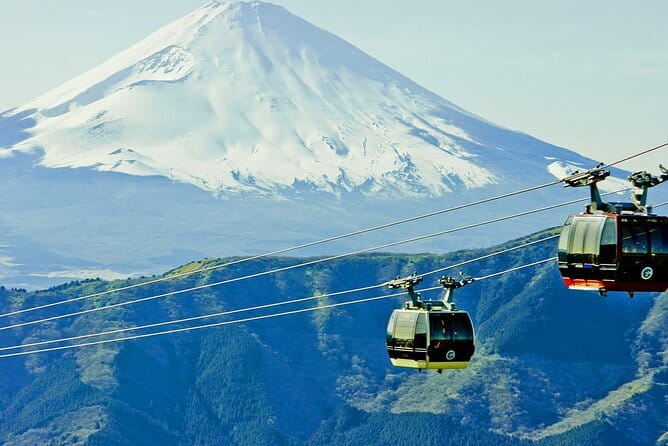
After the cruise, you head to Togendai Station General Information Center for the Hakone Ropeway ride. This is one of the most time-saving elements because the ropeway ticket is included.
The ropeway segment is roughly 30 minutes, and it is designed to put you above the steam and the volcanic terrain. You get a thrilling vantage over the Owakudani valley, with Mount Fuji views possible when weather cooperates.
One realism check: visibility is not guaranteed. The tour explicitly notes that weather can be unpredictable and that Mount Fuji views cannot be promised. I treat the ropeway as the main “volcano view insurance,” even if Fuji is shy that day.




Owakudani Valley: Sulfur Vents, Steam, and Black Eggs
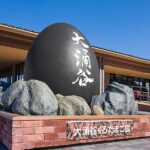
Owakudani Valley is famous for its active volcanic scenery and the practice of boiling black eggs in sulfuric water. You get about 50 minutes here.
This stop is not just scenic. It is also one of the few places in the day where the environment feels truly “alive,” steam venting, steam drifting, and the air doing its own thing near the ground. If you like nature in a raw state, this is the portion that makes the day feel more than just sightseeing.
About the black eggs: sampling them is part of what makes Owakudani memorable, and it fits the tour theme without needing extra planning. If you have a sensitive nose, go in expecting strong sulfur smells, and keep your route moving so you do not linger too long in the thickest areas.
Yamanakako Swan Lake: A Quick Break in the Five Lakes Area
Then you move to Lake Yamanaka, also known as Swan Lake, in the Five Lakes of Mount Fuji region. This stop is about 20 minutes and is mostly about the view.
If you catch clear weather, you might get that classic Fuji-and-water composition. If it is overcast, the location still works as a scenic pause and a photo break after the volcanic intensity of Owakudani.
One downside to consider: 20 minutes can feel short, especially if the group wants photos, the area is crowded, or the shoreline is busy. Plan to do your walking and photo framing quickly. I find it helps to decide where you want your shot before you start moving.
Oshino Hakkai: The Calmer Finale With Fuji-Fed Ponds
You wrap up at Oshino Hakkai, a village area known for eight crystal-clear ponds fed by Mount Fuji snowmelt. The stop is about 40 minutes, and it serves as a nice change of pace from steam and sulfur.
Why this ending works well: it is visually different. The ponds bring you back to calm water reflections, and the village vibe feels more human-scaled than some of the larger Hakone viewing spots.
Even if Mount Fuji is partly hidden, Oshino Hakkai still lands well. You get water, stone, and the classic “Fuji water source” story in a setting that feels like you can breathe a little more.
Price and Value: What Your $67.39 Actually Buys
At $67.39 per person, this tour is priced like a high-efficiency day trip rather than a slow, bundled private tour. The value comes from the structure.
Here’s what you get in the included set:
- air-conditioned vehicle
- driver and guide who can speak English, Japanese, and Chinese
- Hakone Ropeway ticket included
- pickup and drop-off from designated points
You do not get lunch included, and the Lake Ashi pirate ship cruise is an extra $12.00 per person. So your real “all-in day budget” is closer to the base price plus the cruise plus whatever you choose to eat.
I think this is still good value if your priority is maximizing key Hakone and Mount Fuji viewpoints with less planning. It is also a reasonable choice if you want the guide to keep the timing tight and to point you toward better photo stops.
What to Bring: Cash, Shoes, Snacks, and Weather Reality
Some areas around the route do not accept credit cards, so I suggest taking cash. You may also want some extra cash for small purchases, snacks, or egg-related treats at the volcanic stops.
Comfort matters more than you might think. Reviews often point out that there is a moderate amount of walking, and the day can be busy and cold. Comfy shoes are a must, not a maybe.
For the mental side, prepare for weather. Mount Fuji visibility can change fast, especially over a day with multiple outdoor stops. If Fuji appears, you want to be ready to photograph quickly. If Fuji does not, you still should treat the ropeway and Owakudani as the reason you are here.
How the Guides Make or Break a Long Day
This tour is only as smooth as the guide’s timing and pacing. The best experiences in the feedback are linked to guides who keep the group moving, explain what to expect at each stop, and help people find good viewing angles.
You might see names like Jake, Kousei, Jack, Tom, Peter, Andrew, and Sato attached to strong experiences. The pattern is consistent: people appreciate guides who give clear instructions, adjust pace so everyone gets their share, and help with photos.
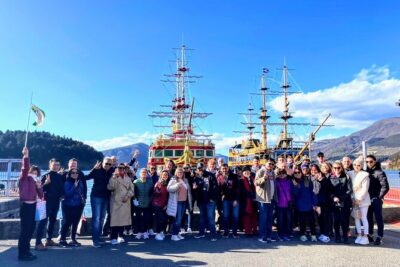
If you are traveling solo or you hate confusion at meeting points, this part matters. A guide holding a yellow flag with the Gogoday Travel name at the meeting spot is part of how you identify the right group, and you’ll get the guide’s contact number and the vehicle license plate by email the night before.
A Few Practical Worries to Take Seriously
No tour is perfect, and a couple issues show up as “watch outs.”
First, commuting from Tokyo can be slow. Traffic can push the day late and shorten some attraction time windows. If you have evening plans right after the tour, you may want to keep them flexible.
Second, food timing is tight. Lunch is not included, and when a lunch stop is involved, you should expect limited time at that meal stop. If you are picky, bring a backup plan like a snack, or consider a bento if it is available to purchase near key areas.
Third, your fellow group experience can vary. One set of feedback mentioned an issue with bus seat odors. That is not the norm you can control, but if you are sensitive to smells, it is smart to have a small refresher item and be prepared for the reality of a shared vehicle.
Who This Tour Suits Best (And Who Might Want Something Else)
This tour is ideal if you want a guided, efficient day that hits major Hakone and Mount Fuji-related stops without transferring on your own. It suits first-time visitors and anyone who prefers structure over route planning.
It also works well if you like “type of place” variety in one day: shrine and torii views, a lake cruise, volcanic steam and black eggs, then water ponds and reflections.
It might be less ideal if:
- you want a long, slow visit at just one or two sites
- you need Mount Fuji guaranteed views, not possible weather-dependent views
- you have very tight scheduling that cannot flex due to traffic
Should You Book This Tokyo to Hakone, Ropeway, Lake Ashi, Owakudani, Yamanakako, and Oshino Hakkai Tour?
I’d book it if your goal is simple: get a lot of iconic Hakone and Mount Fuji scenery in one day, with the Hakone Ropeway ticket already handled. The included ropeway plus guided pickup/drop-off is where your time savings show up.
If you do book, do it with two minds. First, expect Mount Fuji might show up in flashes, not always from every stop. Second, treat the day as a full itinerary that rewards planning, shoes, and cash.
For most people, it is a strong value way to see the big areas around Fuji without wrestling with logistics for a full day outside Tokyo.
More Boat Tours & Cruises in Tokyo

More Tours in Tokyo

More Tour Reviews in Tokyo
Not for you? Here's more nearby things to do in Tokyo we have reviewed












Mount Fuji Tours, side by side.
 ★ 5.0Mt Fuji and Hakone 1-Day Bus Tour Return by Bullet TrainFrom $16326,383 reviews
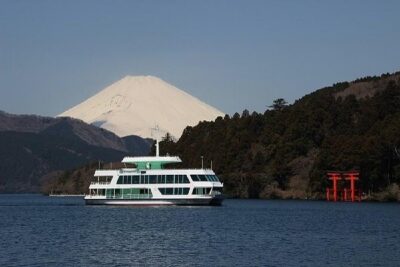 ★ 4.0Mt Fuji & Hakone Cruise, Drum Show Bullet Train 1 Day from TokyoFrom $1497,413 reviews
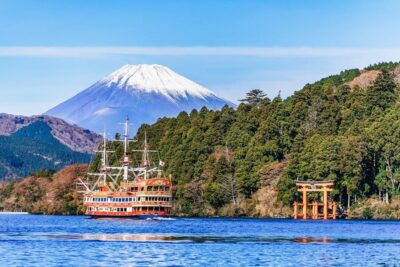 ★ 4.4Tokyo Mt Fuji 5th St & Hakone Cruise Bus Tour w/Bullet TrainFrom $1545,024 reviews
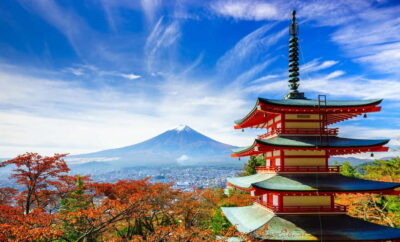 ★ 4.5From Tokyo: Mount Fuji Full-Day Sightseeing TripFrom $684,970 reviews
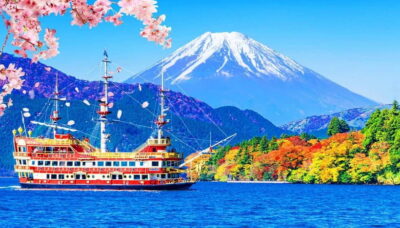 ★ 4.7Mt. Fuji Tour, Hakone Ropeway, Owakudani, Lake AshiFrom $544,002 reviews
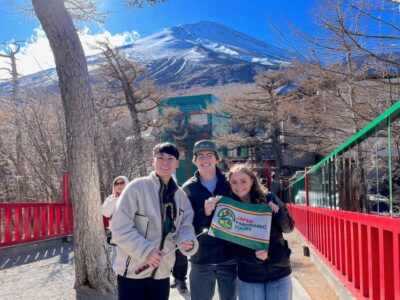 ★ 4.2Mt. Fuji 5th Station & Hakone Cruise 1-Day Bus TourFrom $1292,381 reviews
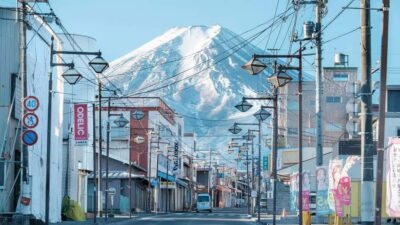 ★ 4.7Mt Fuji Top 5 Spots Day Tour: Arakurayama Park,Oshino HakkaiFrom $532,066 reviews
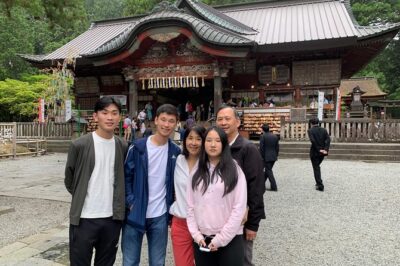 ★ 5.0Private Tour to Mt. Fuji and Hakone (Fully Licenced Operator)From $4971,910 reviews
This tour also belongs to