
Review · IMPERIAL PALACE TOURS
Tokyo: Imperial Palace East Gardens and Tokyo Station Tour
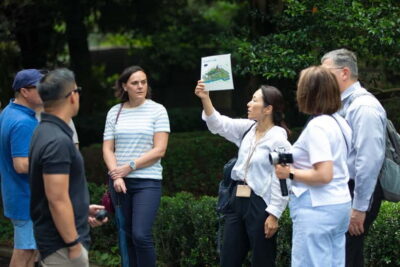
Tokyo can be quiet and loud in the same block, and this walk captures both. I love having Yuki explain what you’re seeing with clear, funny stories, and I love the way the Imperial Palace East Gardens set you up for the Edo-to-modern Tokyo story.
One thing to plan for: you’re doing a moderate amount of walking, so comfortable shoes matter, and you cannot bring a big backpack. If the weather turns, bring hat, sunscreen, and water like you mean it.
Key things to know before you go
- Guide-led Edo storytelling: Yuki’s explanations make it easier to picture the area 400 years ago, not just read about it.
- East Gardens entry is included: the tour covers access to the Imperial Palace East Gardens, where you can enjoy the moats and gardens.
- Nijubashi Bridge views: you get scenic viewpoints tied to the old castle layout.
- Marunouchi modern architecture stop: you walk into the city’s office-and-art district right after the palace grounds.
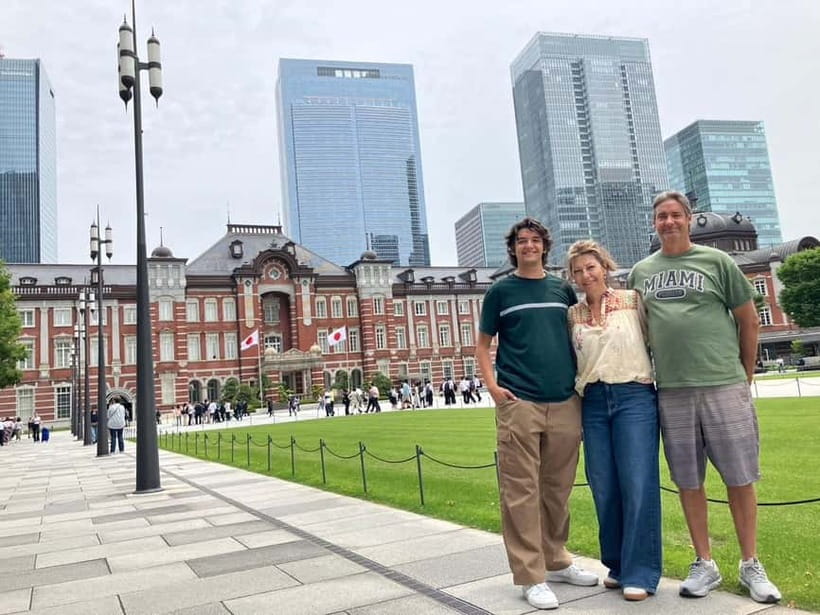
- Finish at restored Tokyo Station: you end at the iconic red-brick station exterior, a strong visual payoff.
- Designed for multiple languages: the guide can work in English plus other listed languages.
A short walk with a big time jump
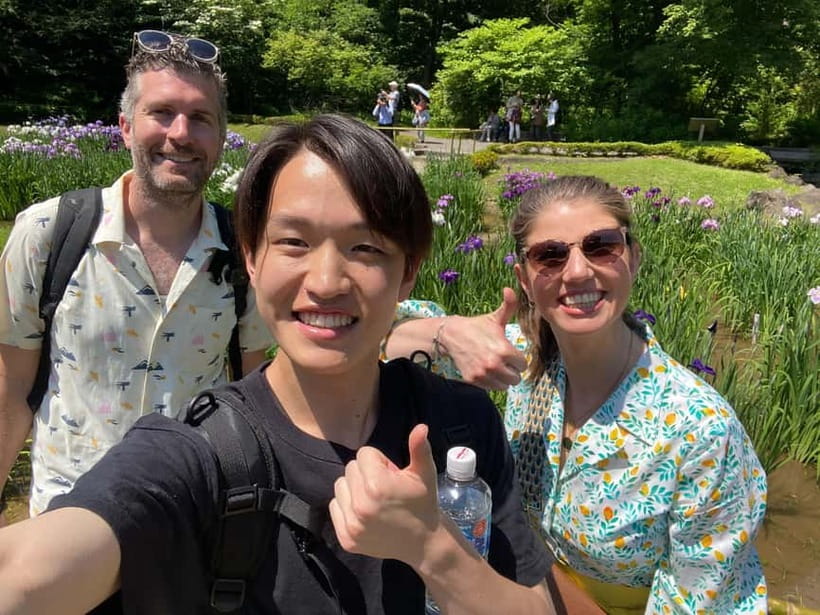
This tour is built like a time machine with legs. You start near the Imperial Palace East Gardens, then move from the shogunate-era feel of moats and gardens into the imperial story, and finally into Marunouchi, where modern architecture and art sit right next to history.
What makes it work is the pacing. You’re not trying to cram every landmark in Tokyo. Instead, you get focused stops tied to specific places, like gates, guardhouses, and garden sections. That means you start to see patterns: how water, walls, and viewpoints mattered, and how the same space can feel totally different depending on the era you’re imagining.
You can also read our reviews of more tours and experiences in Tokyo.



Where the tour begins, and why that matters
You meet at a Starbucks Coffee near the Imperial Palace area, specifically the shop at 皇居外苑 和田倉噴水公園店. That location is practical because it puts you right on the edge of the grounds you’ll explore. You’re not spending your first part of the tour hunting for the start point, and you can get oriented fast.
From there, you’ll walk into the Imperial Palace East Gardens area with a guide who frames what you see. That framing is important, because Tokyo can look “same-y” to new eyes. A good guide helps you connect the dots between a bridge view, a gate name, and what role the place played in the past.
Ninomaru Garden, the calm gear-shift
A first named stop is Ninomaru Garden. Even if you’ve seen photos online, this is the kind of garden where you’ll appreciate it more in person, because you experience it as part of a larger castle-and-palace system.
The guide’s role here is key. You’ll get context for why the garden is positioned where it is, and how it relates to the surrounding grounds. When you understand that, the garden stops being just a pretty space and becomes a piece of the overall layout.
A small practical tip: gardens and palace grounds can involve a mix of shaded and open areas. Keep your hat and water handy early, not only later.
Entering the Imperial Palace East Gardens like a story
The heart of the tour is the Imperial Palace East Gardens portion, guided for about 30 minutes. This is where you’ll spend real time with the kind of details that make Japanese history feel tangible instead of abstract.
You’ll explore areas that connect to Edo Castle and the shogunate period. You’ll also get stop-and-explain moments that put names to scenes, so you’re not just walking and guessing.
Here are the specific elements you can expect to encounter during this part:
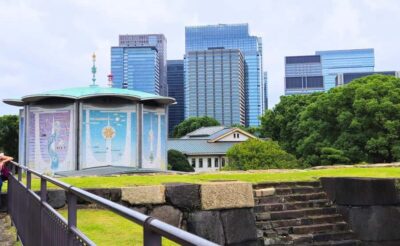
- Moats and garden viewpoints that echo the older defensive layout
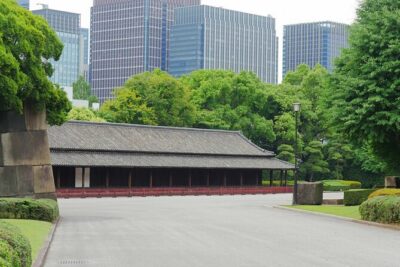
- Key named points like the Ote-mon Gate and Hyakunin Bansho Guardhouse
- Ninomaru Garden connections as you move between spaces
The overall feel is serene. Still, expect rules and steady walking. This is not a sit-down museum visit, so bring your attention and your legs.
Nijubashi Bridge viewpoints: where the old plan shows up
One of the tour highlights is the scenic view of Nijubashi. This is not just a nice photo spot. You’ll get it explained in terms of how the space worked when it was part of the castle environment.
Once you learn why a bridge viewpoint mattered, you start noticing how water, stone, and sightlines fit together. In Tokyo, where so much is newer or redesigned, that connection to the older layout feels surprisingly vivid.
If you’re the type who likes architecture and urban design, you’ll enjoy this. If you care more about stories than structures, the guide still makes the viewpoint part of the narrative so it lands either way.



Edo Castle ruins, watchtowers, and the scale model trick
A standout value in this tour is that it doesn’t assume you know what Edo Castle looked like. Instead, you get guided context that helps you build a mental picture.
You’ll learn about Edo Castle ruins and see references tied to structures like the Fujimi-yagura watchtower. Then there’s a particularly helpful element: viewing the Edo Castle main keep scale model. This is the kind of stop that saves you from frustration.
Without something like a scale model, people often stare at grounds and wonder what used to be there. With it, your brain has a reference point, so the names you hear start to “stick.”
If you like history that feels physical, this section is worth it.
Honmaru area and Kokyo Gaien National Garden pacing
As the tour continues, you’ll walk through the Honmaru area and Kokyo Gaien National Garden. This is where the scenery transitions from tightly historical points to broader garden-and-green space within the imperial grounds.
Honmaru is the kind of place you’ll appreciate more because you’ve already heard how the area functioned. By the time you reach Kokyo Gaien, you’re not only looking at plants and paths. You’re reading the space as a designed environment created for specific purposes.
Drawback to keep in mind: since it’s still walking on-site, if you’re sensitive to crowds or sun, plan your timing with weather in mind. The tour is relatively short at 150 minutes total, but palace grounds can still feel longer under strong heat.
Marunouchi on foot: modern architecture meets memory
After the Imperial Palace East Gardens portion, you shift into Marunouchi. This is one of Tokyo’s most recognizable districts, and the tour uses it well. You’re not just walking through office blocks. You’re moving from the castle-and-imperial setting into the modern architecture and art that now occupy the city’s center.
The guide’s narration continues here, so you keep the historical thread going while you notice the present-day shapes. That contrast is the point. You can see how Tokyo grows, and how old space and new city planning can sit side by side.
A practical note: Marunouchi walking can be more exposed than garden paths. Keep your hat and sunscreen close for this part.
Tokyo Station exterior at the end: a visual finish
You finish at Tokyo Station. And importantly, it’s not just “arrive at a station and call it a day.” You’ll get to appreciate the beautifully restored exterior, including the red-brick look that’s become part of Tokyo’s visual identity.
This ending works for two reasons. First, it’s easy to connect the day’s story to a real landmark. Second, it gives you a place to stand still for a moment, grab photos, and mentally close the loop on what you just learned.
If you’re continuing your day by train, you’ll also be glad you end where you can move on quickly.
Price and value: why $38 can feel fair here
The price is $38 per person for about 150 minutes. That breaks down to roughly two and a half hours, and you get more than a simple stroll.
Here’s what’s driving the value:
- A live guide with historical context, including the kind of explanations that make details easier to remember
- Access included for the Imperial Palace East Gardens, where there is no admission fee required for this tour
- Multiple named stops, not just general sightseeing
- A satisfying end point at Tokyo Station, a major transportation hub and a high-recognition sight
You’re not paying for “sit and watch.” You’re paying for guided walking plus context at key points like gates, guardhouses, garden areas, and viewpoint stops.
Who this tour fits best
This is a great match if you:
- Like history, but want it translated into what you can see, not just read
- Enjoy architecture and urban form, especially the old plan-versus-new city feeling
- Prefer a short, focused walking experience rather than a long day
It’s also helpful if it’s your first time in the Imperial Palace area. A guide can prevent the “I’m walking around but I don’t know what I’m looking at” problem.
If you need zero walking or you hate standing in outdoor viewpoints, you might find this challenging. But if you can handle a moderate walk and want a strong story payoff, it’s a smart use of time.
Small rules and what to bring so the day stays smooth
The tour asks you to come prepared. You should bring:
- Comfortable shoes
- A hat
- Camera
- Sunscreen
- Water
- Weather-appropriate clothing
And be aware of the restrictions:
- No smoking
- No flash photography
- No backpacks
That last point can matter if you usually travel with a larger bag. If you want a practical setup, keep essentials light and only bring what you can carry comfortably during walking and stop points.
Should you book Tokyo: Imperial Palace East Gardens and Tokyo Station?
I’d book it if you want a tight, well-narrated walk that connects imperial and shogunate-era space to the modern Tokyo you’ll actually use every day. The combination of East Gardens access and guided context at named locations is the kind of value that makes a short tour feel worth your time.
Skip it or consider an alternative if you hate outdoor walking in changing weather, or if you rely on a backpack for daily essentials. Also, if you already know every Edo Castle detail and only care about one specific sight, you might prefer a more targeted tour.
If you want history with built-in viewpoints and a memorable finish at restored Tokyo Station, this one is a solid pick.
FAQ
How long is the Tokyo Imperial Palace East Gardens and Tokyo Station tour?
The tour duration is 150 minutes.
Where does the tour start?
The tour starts at スターバックス コーヒー 皇居外苑 和田倉噴水公園店.
Where does the tour finish?
The tour finishes at 東京駅 (Tokyo Station).
How much does it cost?
The price is $38 per person.
Is entry to the Imperial Palace East Gardens included?
Yes, entry to the Imperial Palace East Gardens is included, and no admission fee is required for this tour.
What will I see during the tour?
You’ll visit key landmarks and areas such as Ote-mon Gate, Hyakunin Bansho Guardhouse, Ninomaru Garden, Edo Castle ruins, Fujimi-yagura watchtower, an Edo Castle main keep scale model, the Honmaru area, Kokyo Gaien National Garden, Marunouchi district, and the exterior of Tokyo Station.
What languages are available for the live guide?
The live tour guide is listed as English, Japanese, Spanish, Chinese, and French.
What should I bring for the walk?
Bring comfortable shoes, a hat, a camera, sunscreen, water, and weather-appropriate clothing.
What items are not allowed?
Smoking is not allowed. Flash photography is not allowed. Backpacks are not allowed.
Is the tour wheelchair accessible?
Yes, the tour is wheelchair accessible.
What is the cancellation policy?
Free cancellation is available up to 24 hours in advance for a full refund.
More Tours in Tokyo


More Tour Reviews in Tokyo
Not for you? Here's more nearby things to do in Tokyo we have reviewed












Imperial Palace Tours, side by side.
 ★ 5.0Imperial Palace and Shogun Historical Walking TourFrom $222,251 reviews
 ★ 4.9Imperial Palace Japanese History Walking TourFrom $32987 reviews
 ★ 4.9Imperial Palace and Shogun Walking TourFrom $16935 reviews
 ★ 5.0Imperial Palace East Garden and Edo Castle Walking Tour in TokyoFrom $25510 reviews
 ★ 4.8Imperial Palace East Gardens Walking TourFrom $19353 reviews
 ★ 4.5Imperial Palace, Sensō-ji Temple, & Tokyo Tower TourFrom $40339 reviews
 ★ 5.0Tokyo Castle, Imperial Palace, Shogun & Garden Walking TourFrom $31211 reviews
 ★ 4.7Edo Castle & East Garden of the Imperial Palace TourFrom $42112 reviews
This tour also belongs to