
Review · MOUNT FUJI TOURS
Tokyo: Mount Fuji Private Tour with Scenic Lunch Experience
Fuji in a private van feels like a reset button. This 10-hour trip is built around scenic, photogenic stops plus a lunch that comes with real views, not just a convenient meal. Guides such as Ali, Sarfy, and Rana also tend to keep the day calm, with patience and help taking pictures at the best angles.
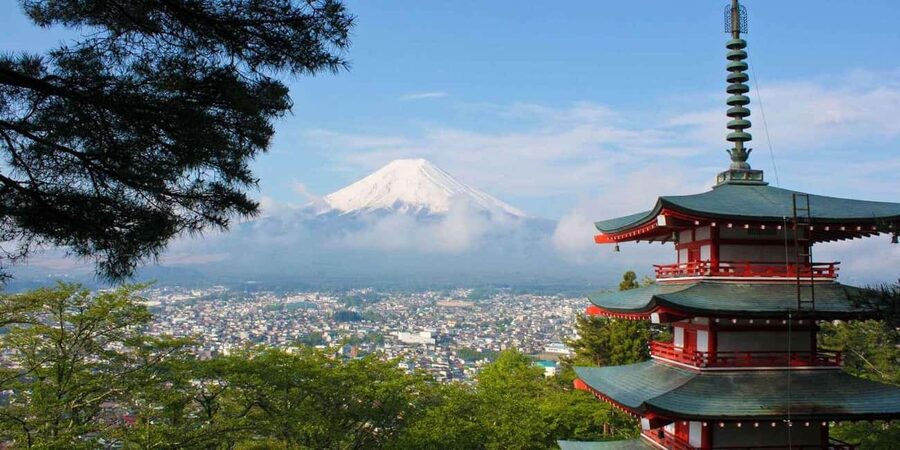
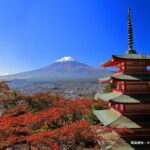
I especially like the mix of famous icons and quieter places. You get top scenery like the Chureito Pagoda and Mount Fuji 5th Station, then you slow down at spots that feel more like local life, including Iyashi no Sato Healing Village and shrine grounds most group tours rush past.
The one thing to plan around is that Fuji visibility depends on weather and time of day. If clouds roll in, the day still stays worthwhile, but your clearest views will be less predictable.
Key things that make this tour worth your time
- A private, English-speaking guide who can adjust the plan to your interests
- Fuji-view countryside lunch at a hidden restaurant or family-run farmhouse setting
- Iyashi no Sato Healing Village with artisan workshops in restored thatched-roof buildings
- Arakura Fuji Sengen Shrine and Pagoda plus the classic Chureito Pagoda viewpoint
- Saiko Lake and Bat Cave for nature walks in a lush forest setting
- A longer loop that adds Hakone and Lake Ashi, plus hot spring time
A private Fuji day that actually feels flexible
This is the kind of Mount Fuji outing that works because it is private. You are not stuck in a crowded schedule where you sprint from one stop to the next and hope you catch the view in time. Instead, you ride in a car or van with Wi-Fi and bottled water, and you can build your day around what you care about most: photos, temples, nature, shopping breaks, or just time to breathe.
That flexibility matters on a Fuji day for one simple reason: the weather can change fast. If the sky looks promising, your guide can lean into viewpoints. If conditions are rough, you can spend more time where you still get culture and atmosphere. This tour also includes photography assistance, meaning your guide helps you frame shots and pick the best moment at each stop, rather than leaving you to figure it out while everyone else crowds in.
If you are coming with young kids, older relatives, or a mixed group, the private format becomes even more valuable. You can shorten steps or swap a stop if energy is running low. One review even highlighted how an itinerary choice helped a family avoid options that would have been harder with grandparents and little kids.
You can also read our reviews of more private tours in Tokyo
From Tokyo to Fuji, the ride sets the tone
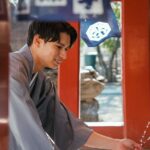
Pickup runs from the Tokyo 23 wards, and the van ride is about 2 hours to get you into Fuji’s countryside atmosphere. This is enough time to settle in, check what you want to photograph, and ask your guide any questions before you arrive at the first scenic areas.
Because the transport is private, you do not lose time waiting for a bus load of strangers. The guide can also route around traffic when needed, and several reviews praised flexibility when timing shifted. It also helps that the vehicle setup includes practical comforts like Wi-Fi and bottled water, so you are not starting the day hungry or scrambling for supplies.
Wear your walking shoes. Even on a trip that looks mostly scenic on a map, you will deal with steps and uneven surfaces. At at least one of the pagoda viewpoints, plan for stairs, and bring cash for small purchases if you want to try street-level goodies.
Mt. Fuji 5th Station: the iconic altitude moment
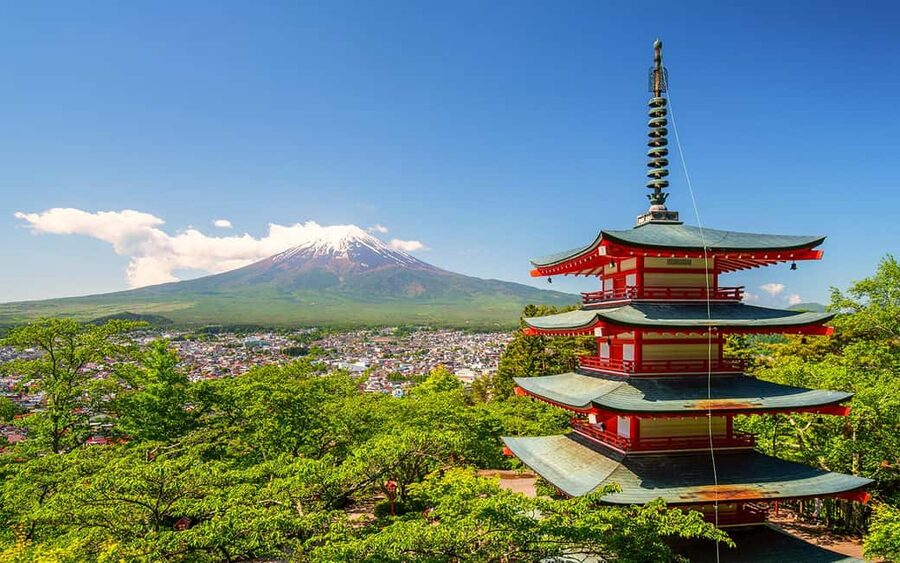
A first highlight is the Mount Fuji 5th Station, with a photo stop and a visit time of about 1 hour. This is one of the best ways to feel how high Fuji sits above the world around it. Even if you do not hike, the viewpoints and station atmosphere give you a sense of scale that you cannot get from ground-level spots in the city.
What I like about this stop is that it anchors the day. Everything else is scenery and culture, but the 5th Station gives you the main event, right away. If the sky cooperates, you can walk around, take wide-angle shots, and enjoy the station’s energy, including souvenir shops and the chance to see shrine elements in the Fuji context.
What to watch for: weather. At elevation, conditions can feel cooler and more changeable than Tokyo. Bring light layers, and be ready for wind. If clouds block the view, do not treat it as a failure. You still get the mountain atmosphere and a strong starting point for the rest of the loop.
Chureito Pagoda and Arakura Fuji Sengen Shrine: viewpoint payoff
You get multiple famous viewpoints, and the pacing helps you enjoy them. The Chureito Pagoda is scheduled as a photo stop and visit of about 1 hour. It is popular for a reason, but popularity means stairs and crowds can happen. One review called out that it involves about 400 stairs, so pace yourself and save energy for good photos.
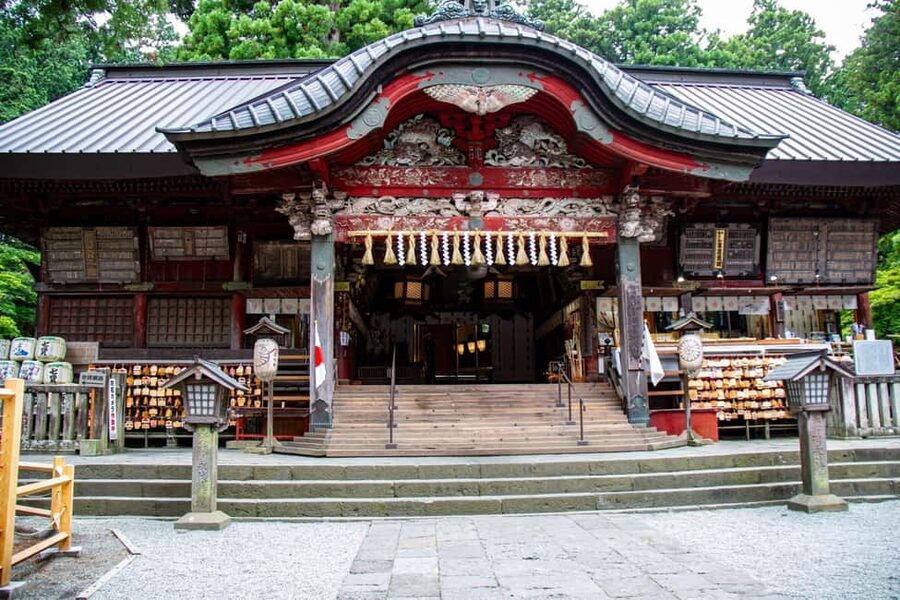
Another major stop is the Arakura Fuji Sengen Shrine and Pagoda, described as a breathtaking viewpoint that often gets missed by big group tours. This is where the day gets scenic in a deeper way, because shrines tend to create a calmer rhythm than purely photo-based stops. You are not just looking, you are walking a sacred path toward a view.
The best strategy here is simple: do not rush your first photo. Take one quick wide shot, then pause. Wait for a slightly different angle, or reposition for a cleaner line of sight. With a private guide, you can ask for a moment when the light looks right, rather than letting the tour stampede sweep you along.
Iyashi no Sato Healing Village: crafts, quiet, and Fuji in the distance
One of the strongest “why this tour” features is Iyashi no Sato Healing Village. It is a restored thatched-roof hamlet with artisan workshops, and it is designed for slower wandering. Instead of being a checklist stop, it feels like you are stepping into an older rhythm.
The biggest win is the combination of atmosphere and views. This place is known for Fuji scenery in the background, so you can take photos that feel less like tourist postcards and more like lived-in countryside. Watch for workshop moments too. Even if you do not buy anything, the craft process helps the village feel real.
Practical note: this is a cultural stop, so be respectful in village and workshop areas. Wear comfortable shoes because paths can be uneven, and some areas may have stairs. Also, you might find it easiest to choose one or two things to focus on. For example, watch how artisans demonstrate, then take a longer loop for the best photo angles.
More Tokyo tours and experiences for the shortlist



Lake Kawaguchi, Saiko Lake, and Bat Cave: the day turns natural
After shrine and pagoda viewpoints, the tour shifts into nature mode, and you get it in two different styles.
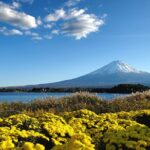
First up is Lake Kawaguchi for a photo stop and visit of about 1 hour. This is one of the classic Fuji-lake settings, and it is a strong place to reset your eyes after temples and stairs. If the mountain is visible, you get that iconic layered look: water in front, Fuji in the distance.
Next is Saiko Lake and Bat Cave, also with about 1 hour for photo stop and visit. The key difference here is the feel. Saiko Lake and the cave area sit inside a lush forest setting, so you get shade, quieter paths, and a more adventurous vibe. You are not only looking at scenery, you are walking through it.
How to enjoy this part: keep your pace gentle and your camera accessible. Forest light changes fast, and the most photogenic moments can happen when you stop for a minute. If you want more nature time, the private and flexible nature of the itinerary helps you slow down here without sacrificing the rest of the day.
Oshino Hakkai and Kitaguchi Hongu Fuji Sengen Shrine: Fuji devotion close to the ground
This tour includes two layers of Fuji spirituality.
Oshino Hakkai is a stop for photo and visit, and it is known for pond-like water features and walkable areas where you can browse and stroll. One review described it as nice for walking and shopping, though it can be crowded. That is exactly why the private format helps. You can step away from the densest lanes when you need a calmer moment.
Then you visit the Kitaguchi-hongu Fuji Sengen Shrine, with a break and photo stop plus a visit time listed at about 30 (the schedule shows 30 as a unit for the stop). This shrine sits at the base of Mount Fuji and gives you a grounding perspective on why Fuji matters culturally, not just visually. Even if you know little about shrine rituals, the setting itself communicates reverence through layout, trees, and traditional structures.
Shoes are another practical point. As with many shrines and temples, some entries may require removing shoes. Plan for that, and keep your socks in good shape.
Scenic lunch with Fuji views: the meal that makes the whole day feel worth it
You get a countryside lunch that is specifically designed around views. The tour describes a hidden restaurant with Mount Fuji scenery, or a family-run farmhouse eatery with seasonal Japanese dishes and garden views. Either way, this lunch stop is not just about eating. It is about pausing.
Why that matters: Fuji days can feel like a sprint. By placing a restful meal mid-route, you give yourself time to digest, hydrate, and let the day settle. Then you return to sightseeing with fresher energy for later stops like Yamanakako, hot spring time, and the Hakone loop.
A practical tip from experience on this kind of route: bring some cash. Not all countryside shops accept credit cards, and some small purchases may be cash only.
If you are picky about dietary needs, ask your guide ahead of time what the lunch options tend to include. The tour is flexible, but the lunch itself is part of the package, so you need to align expectations before you arrive.
Yamanakako, hot spring time, and the Hakone and Lake Ashi loop
The itinerary keeps going after Fuji highlights, and that is where many people end up feeling surprised in a good way.
You stop at Yamanakako for about 1 hour with photo time and a visit. This area often pairs calm lake scenery with relaxed walking. One traveler even mentioned enjoying a moment around swans and fish before moving on.
Then comes hot spring time. The tour includes a guided component plus free time of about 2 hours. This is a big deal because it gives you a real decompression window. After temple steps, lake walks, and long looking, your body gets a chance to reset.
Finally, you add Hakone and Lake Ashi for photo stops and visits (each listed at about 1 hour). Lake Ashi brings different scenery than Fuji lakes. It feels more like a dramatic volcanic-region water setting, which helps your day feel like more than a single-theme day. The hot spring plus Hakone add-on also makes the value stronger for people who want a full day without having to plan a second outing on another date.
Guide quality, stairs, and weather: the real deciding factors
This tour is rated strongly for a reason: private guiding and pacing can turn a long day into something you actually enjoy.
Several reviews praised guides like Ali, Sarfy, and Rana for being friendly, patient, and helpful with photos. One review specifically highlighted a guide who changed the schedule to fit the group’s needs, which is exactly what private flexibility is for. Another praised Fuji visibility and clear-sky timing, tied to the guide’s weather-season recommendations.
The drawback to keep in mind is that English clarity can vary by guide. One review mentioned the guide’s English felt difficult to follow, and that experience cut into the enjoyment. If communication is vital to you, be ready to explain your must-see priorities early, and do not be shy about asking the guide to slow down or repeat key details.
Also plan for physical realities. Some spots involve stairs, and pagoda visits can be strenuous. You do not need to power through. You can take breaks, and your private guide can help you pick manageable routes for your group.
Value and price: $330 per group is the math that matters
The price is $330 per group for up to 6 people, and the total duration is about 10 hours. That can sound high until you do the per-person calculation.
If you fill all 6 seats, you are paying about $55 per person. Even if you are a smaller group, you still get the major costs bundled: hotel pickup and drop-off, the private vehicle with Wi-Fi and bottled water, parking fees, tolls, and fuel. This is where a private Fuji day can beat piecing things together with trains and taxis, especially when you want multiple stops plus a hot spring window.
What you are paying for is more than transport. You are paying for route logic, timing help, and photography support. That tends to show up in how smoothly your day runs, and those are the things that are hard to recreate on your own in a single long stretch.
What to pack for a Fuji day that includes shrines and a hot spring
You do not need heavy gear, but you do need the right basics.
- Comfortable walking shoes for steps and uneven paths
- Light layers, since weather shifts are common around Fuji and lakes
- Cash for countryside shops and any small purchases
- Plan for some shrines requiring shoe removal
- If you want to buy small items at viewpoint areas, be ready with yen
If you are visiting in winter, pack something warmer. If summer, use light layers but bring a way to handle wind at higher elevation viewpoints.
Also, remember that this tour runs year-round, rain or shine. In severe weather, the itinerary may adjust. That flexibility is the practical safety net that lets you still get a meaningful day even when conditions are not perfect.
Should you book this Mount Fuji private tour?
Book it if you want a private, Fuji-focused day that blends the classics with quieter, more atmospheric stops, and you like the idea of a Fuji-view lunch plus hot spring and Hakone as a bonus loop. It is a strong pick for families, couples who want calmer pacing, and anyone who hates rigid schedules.
Skip or consider another option if you know you cannot handle crowds or stairs, or if you are extremely sensitive to weather-driven visibility. Also, if your primary goal is strictly the single most scenic mountain view above all else, you should go in with realistic expectations.
If you want a day that feels planned but not stiff, this is the kind of Tokyo-to-Fuji trip that makes sense.
FAQ
How long is the Tokyo to Mount Fuji private tour?
It lasts 10 hours.
What is the price and group size?
The price is $330 per group, and the private group is up to 6 people.
Where does pickup happen?
Pickup is available from hotels and accommodations in Tokyo 23 wards.
Is there a guide, and what languages are offered?
Yes. You get a live private English-speaking guide, with English and Japanese offered.
Which major sites are included?
Included stops are Iyashi no Sato, Arakura Fuji Sengen Shrine and Pagoda, Saiko Lake and Bat Cave, and Kitaguchi Hongu Fuji Sengen Shrine. The day also includes major scenic stops connected to the Fuji and Hakone loop.
Is hotel pickup and drop-off included?
Yes. Hotel pickup and drop-off in Tokyo are included.
What about lunch during the tour?
You get a scenic countryside lunch at a hidden restaurant or family-run farmhouse eatery, with Mount Fuji views included as part of the experience.
Does the van include any comforts?
The private vehicle includes Wi-Fi and bottled water.
Is the tour wheelchair accessible?
The tour is listed as wheelchair accessible, but not all locations may be accessible. Contact in advance for special arrangements.
Is alcohol allowed?
No. Alcohol and drugs are not allowed during the tour.
More Private Tours in Tokyo
More Tours in Tokyo

More Tour Reviews in Tokyo

Not for you? Here's more nearby things to do in Tokyo we have reviewed



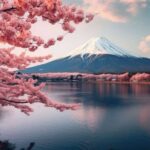
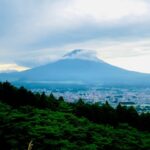

Mount Fuji Tours, side by side.
 ★ 5.0Mt Fuji and Hakone 1-Day Bus Tour Return by Bullet TrainFrom $16326,383 reviews
 ★ 4.0Mt Fuji & Hakone Cruise, Drum Show Bullet Train 1 Day from TokyoFrom $1497,413 reviews
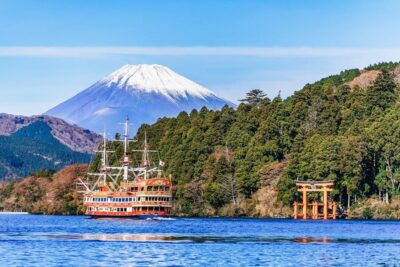 ★ 4.4Tokyo Mt Fuji 5th St & Hakone Cruise Bus Tour w/Bullet TrainFrom $1545,024 reviews
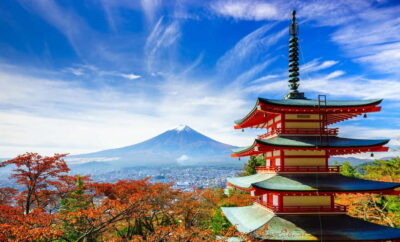 ★ 4.5From Tokyo: Mount Fuji Full-Day Sightseeing TripFrom $684,970 reviews
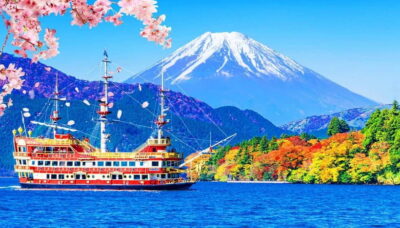 ★ 4.7Mt. Fuji Tour, Hakone Ropeway, Owakudani, Lake AshiFrom $544,002 reviews
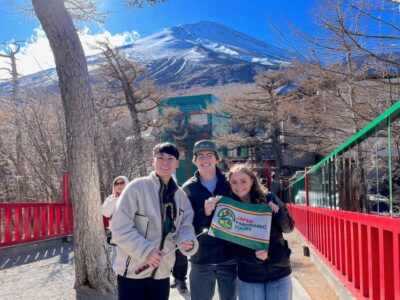 ★ 4.2Mt. Fuji 5th Station & Hakone Cruise 1-Day Bus TourFrom $1292,381 reviews
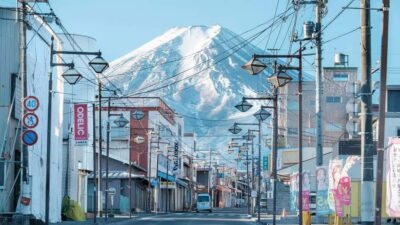 ★ 4.7Mt Fuji Top 5 Spots Day Tour: Arakurayama Park,Oshino HakkaiFrom $532,066 reviews
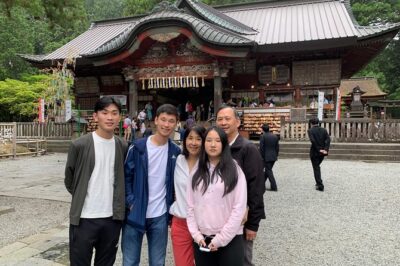 ★ 5.0Private Tour to Mt. Fuji and Hakone (Fully Licenced Operator)From $4971,910 reviews
This tour also belongs to