
Review · TOKYO CITY TOURS
Tokyo Off the Beaten Path 6hr Private Tour with Licensed Guide
Tokyo feels bigger when you skip the main sights.
This private 6-hour day is built for local neighborhoods and a custom 3 to 4 stop plan, with your licensed guide meeting you near your hotel so you can start without fuss. I especially like the way it mixes Edo-era atmosphere, quiet streets, and temple or museum stops that most one-day itineraries miss. The one thing to watch is that you will likely pay extra for transport and entrance tickets depending on which places you pick.
You get a true private experience, not a crowded group shuffle.
Still, it is a walking-focused format, and some stops are timed tightly at around 15 minutes, so plan to speak up if you want slower pacing or more time at one site.
Key Highlights You Can Actually Use
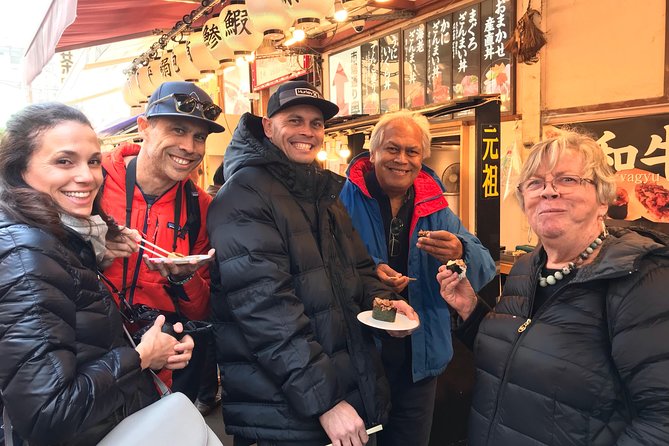
Private, licensed English-speaking guidance
You get a guide who can steer you through neighborhoods, not just point at landmarks.
Pick 3 to 4 sites from a strong mix
Great if you want Yanesen calm, Shibamata old-school charm, or the Asakusa tools and temple area.
Meet up near your hotel, then move as a unit
Your start is designed to be easy, and your guide handles the logistics between stops.
Most sights are free entry, a few are not included
Museums and some gardens or art stops may have entrance fees, so budget for that.
A practical day to learn the city rhythm
In past guide-led experiences with names like Michio, Kris, Tatsu, and Hideki, the consistent theme is clear subway tips and route planning.
What This Tour Is Like on a Real Tokyo Day
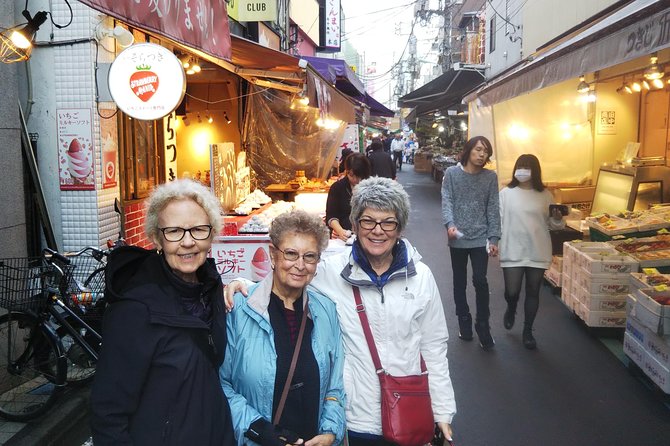
This tour is for people who want Tokyo without the postcard-only loop. Instead of racing through the same big names, you choose a handful of stops and let your guide connect them through local streets, small neighborhood rhythms, and the kind of side alleys that make Tokyo feel lived-in.
I like that it is private. You are not negotiating your way through a group plan. Your guide can adjust your order if you want more walking, more photos, or a calmer pace at a shrine or cemetery.
The tradeoff is time. At a typical stop, you are there for around 15 minutes, so you need to pick carefully. If you choose a lot of “must-see” places that each deserve 45 minutes, you will feel rushed. The fix is simple: select fewer stops, and ask your guide for extra time at the one place you care about most.
You can also read our reviews of more guided tours in Tokyo
Choosing Your 3 to 4 Stops Without Wasting Time
The biggest decision here is not which temple sounds coolest. It is grouping your picks by geography. Tokyo’s neighborhoods are compact in local terms, but crossing the city can eat hours, especially when you also want time to pause and look around.
A smart approach looks like this:
- Yanesen-focused day: Nezu, Nezu Shrine, Yanaka Ginza Shopping Street, Yanaka Cemetery, and Sendagi all sit in the “old downtown” area.
- Shibamata-focused day: Shibamata, Taishakuten-sando, then Shibamata Taishakuten is a clean mini-route that fits together naturally.
- Fukagawa and garden day: Tomioka Hachimangu, Kiyosumi Teien, and one museum option like Fukagawa Edo Museum can be a good pairing.
- Asakusa add-ons: Asakusa, Kappabashi (kitchenware street), Nishisando, and optionally an amusement stop near Sensoji can all stack well.
If you want one itinerary that covers the “old Tokyo” vibe in one go, I like the combination of Yanaka and Nezu for atmosphere, then Shibamata for a more old-school temple neighborhood and street food energy. For a more daytime-and-art mix, go with Tomioka Hachimangu plus Kiyosumi Teien and add one museum stop.
Also, pay attention to what is free versus not included. Many stops are admission ticket free, but a few places can add cost, like SCAI The Bathhouse, Fukagawa Edo Museum, Kiyosumi Teien, Basho Memorial Museum, and Asakusa Hanayashiki.
Nezu and Yanesen: Old Downtown Feel at Nezu, Yanaka, and Sendagi
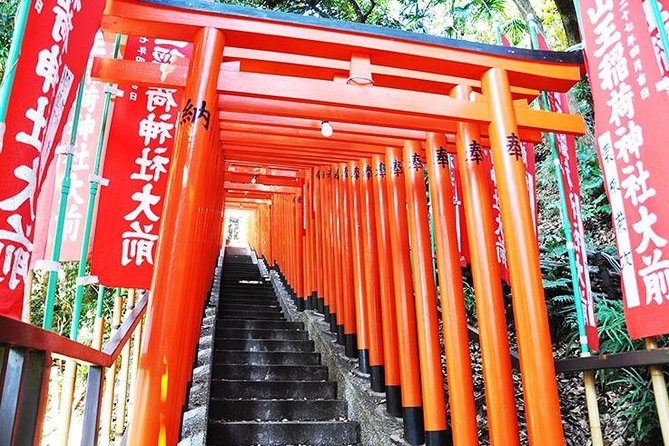
If you like Tokyo that feels slower and older, Yanesen is your sweet spot. This tour starts you in that zone with Nezu, Nezu Shrine, then circles through Yanaka and Sendagi, all known for surviving with their traditional streetscape intact.
Stop 1: Nezu
Nezu sits inside the broader shitamachi, Tokyo’s older downtown identity. The main win here is vibe, not a single monument. You get a chance to walk side streets and feel how this part of Tokyo avoided the worst of world wars and major disasters, so the neighborhood still carries last-century charm.
A short note for your photos: look for shop signs, narrow lanes, and small everyday details. Even if you only have 15 minutes, your guide can point out the stuff you would otherwise walk past.
Stop 2: Nezu Shrine
Nezu Shrine dates from 1706, and the architecture is the reason to come. It features contrasting vermilion and gold lacquered buildings in the gongen-zukuri style. Even in a quick stop, you can see how Edo-era design tried to make shrines feel grand and ceremonial, while still blending into neighborhood life.
If you want one “wow” moment without waiting in a long line, this is a good pick.
You can also read our reviews of more private tours in Tokyo
Stop 3: Yanaka Ginza Shopping Street
Yanaka Ginza is a calm shopping street. It is a great place to slow down, because you are moving through a neighborhood where everyday purchases and snack stops matter. The goal is to see the kind of small businesses and traditional street energy that disappear when you only visit central districts.
If your schedule allows, buy a small snack or drink and actually stand for a minute. It helps you shift from “tour mode” to “Tokyo mode.”
Stop 4: SCAI The Bathhouse (Former Bathhouse)
This is the oddball art stop in the best way. The building is over 200 years old and used to be a bathhouse. Today it hosts contemporary Japanese artists, and the info you get points to artists such as Tatsuo Miyajima.
Just know the timing and cost reality: admission is not included here. If contemporary art inside an old structure is your thing, it is a smart add-on. If not, swap it for extra time in Yanaka or a quieter alley stop with your guide.
Stop 5: Yanaka Cemetery
This cemetery is one of Tokyo’s largest and also among the most scenic. Even if you are not usually a cemetery person, it is a good Tokyo learning stop. You see how the culture handles reverence, pathways, and landscape, and the atmosphere is often calmer than you expect.
The practical move: wear comfortable shoes. You may walk paths that feel longer than the 15-minute slot implies.
Stop 6: Sendagi
Sendagi is another slice of Yanesen. It is often paired with Yanaka and Nezu under the Yanesen umbrella, and the appeal is continuity. You are seeing how the neighborhood survived events like the Great Kanto Earthquake and world wars, so the “old Tokyo” feel is not just set dressing.
If your guide has pacing, this is a great place to ask a question about what you are seeing: street layout, neighborhood history, or how people live in older districts.
Shibamata: Taishakuten-sando Street Food to Temple Wood Carvings
Shibamata is on the eastern end of Tokyo near the Edogawa River, which acts like a natural border with Chiba Prefecture. It has an old-school charm, and the tour’s structure makes it easy to feel that change as you move from streets to temple grounds.
Stop 7: Shibamata
This is the neighborhood introduction. You get to feel the area’s pace and old-town character. If you want Tokyo away from the flashier zones, Shibamata delivers.
The best advice: treat Shibamata like a neighborhood you are visiting, not a checklist you are completing. Let your guide lead you onto side streets.
Stop 8: Taishakuten-sando
This short 200-meter road is filled with street food stalls and small shops. The style matters here. Many storefronts keep a traditional character, including wooden signboards that look like they belong to another era.
If you are hungry, this is the moment to snack. It is also where the tour feels most “Tokyo in motion,” because you see everyday commerce close up.
Stop 9: Shibamata Taishakuten (Taishakuten Daikyoji Temple)
This is the main temple stop. It is a Nichiren temple with an impressive Nitenmon Gate and a gallery of wood carvings. Those carvings depict the lotus sutra and were made between 1922 and 1934, which is a detail your guide can help you connect to the temple’s artistic story.
If you only pick one stop for cultural weight in Shibamata, make it this one.
Fukagawa and Kiyosumi: Canal-Adjacent Old Tokyo and Edo-Era Connections
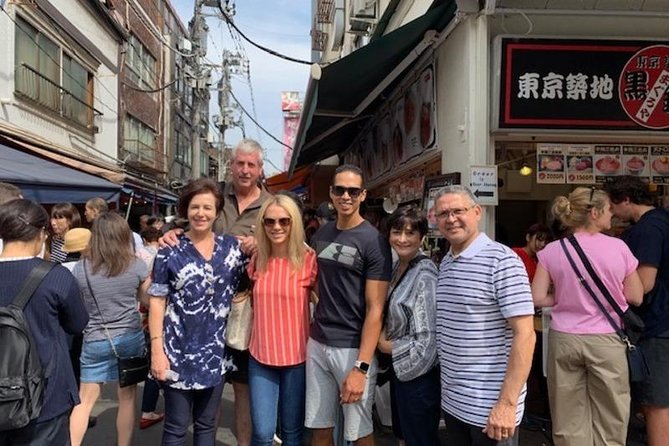
Fukagawa and Kiyosumi sit in the “old Tokyo lives on” category too, but in a different way than Yanesen. Here you get a mix of museum replicas, temple stops, gardens, and a sumo connection that feels oddly fun.
Stop 10: Fukagawa Edo Museum (Replica Village)
Fukagawa Edo Museum recreates an Edo-period village, covering late Edo life (1603-1868). The presence of a canal and a fire watchtower makes it feel like a place where you can picture daily routines.
Admission is not included, so treat this as your paid choice if you want an indoor deepening. If you hate museums, keep this slot as a swap for outdoor time.
Stop 11: Fukagawa Fudodo
Fukagawa Fudō-dō is described as a bit of a mishmash temple, so it is not built purely for your eyes. But the wood carvings on the main building are worth the stop, and your guide can put the temple in context with its place in the Chisan group within the Shingon school of Buddhism.
This is a good choice if you like learning how Buddhism shapes Japanese art and architecture.
Stop 12: Tomioka Hachimangu
This shrine links directly to sumo. It is described as the birthplace of sumo wrestling tournaments. It is also home to one of Tokyo’s largest Shinto festivals, though the current shrine building dates to 1956 after wartime bombing.
If you like sports history and cultural history together, this is a standout.
Stop 13: Kiyosumi Teien (Garden)
Kiyosumi Teien is a garden with Edo roots and connections to Kinokuniya Bunzaemon (1669-1734), a merchant who dealt in citrus, lumber, and salmon. A garden like this can be a slow reset after temple and museum energy, even if you have only 15 minutes.
Admission is not included here, so decide if the garden calm is worth the extra cost for you.
Stop 14: Basho Memorial Museum (Longer stop)
Basho Memorial Museum is longer in the plan, about an hour. Matsuo Bashō is the famous Edo-period poet, and this is linked to Fukagawa as a place where he wrote masterpieces and as a starting point for travel.
This is one of the few stops where you can actually settle in. If you love literature, pick this as one of your top 3 to 4.
Asakusa and Kappabashi: Sensoji Neighborhood Energy Plus the Kitchen Tools Street
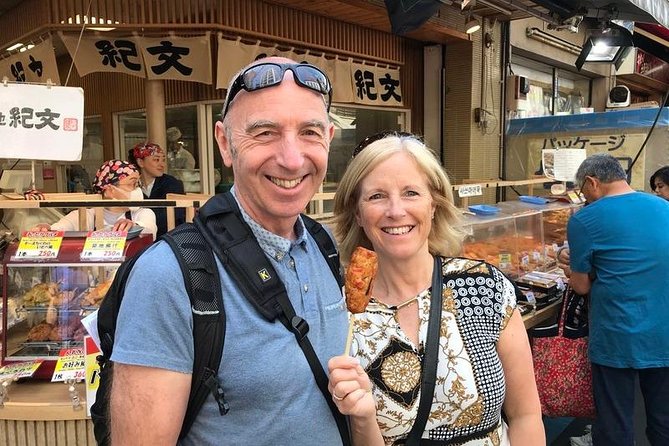
Asakusa is a classic Tokyo area, but this tour’s value is how it pairs it with very practical side streets and specialty neighborhoods. It is also flexible, so your guide can adjust within your chosen stops.
Stop 15: Asakusa
This is the general Asakusa introduction. The tour description focuses on exploring efficiently in one day, which matters if you want to cover ground without feeling like you are sprinting from landmark to landmark.
Stop 16: Kappabashi Street (Kitchen Supplies)
Kappabashi is known for quality kitchen supplies at fair prices. Think Japanese knives, chopsticks, dishes, and all the small kitchen gear you cannot easily find at home. This is a great “take Tokyo back with you” stop.
If you have limited luggage, your guide can help you decide what is worth buying. If you are just browsing, it is still a fun street because the product variety is genuinely specific.
Stop 17: Asakusa Hanayashiki (Old Amusement Park)
Hanayashiki was founded in 1853 and is one of Japan’s oldest amusement parks. It sits near Sensoji Temple and includes about 25 attractions.
Admission is not included, and your time here depends on how much you want the amusement park feel versus temple and shopping streets. If you are traveling with kids or you like classic amusement nostalgia, it is a memorable add-on.
Stop 18: Asakusa Nishisando
Nishisando is a covered shopping street you can reach by turning left when facing Sensoji. It is described as looking like something you would imagine from older Tokyo, which makes it an easy photo and walk segment.
This is also a practical place to find a snack or a small souvenir without crossing too much traffic.
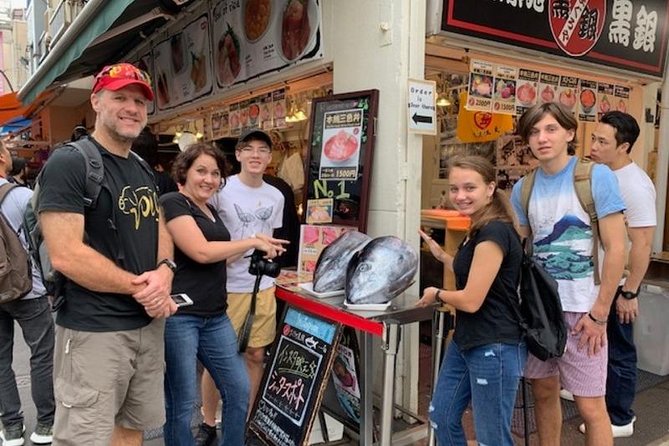
Stop 19: Tsukiji Fish Market
Tsukiji shows up as a stop you can use to get a strong Tokyo food snapshot. The tour notes it as a way to explore efficiently and includes that meeting at your hotel then moving anywhere you want. Admission is listed as free in the stop notes.
Reality check: depending on when you go, you may not see the full “market action” the way people expect from old videos. Still, it is a strong neighborhood to walk through with your guide.
Gotokuji Temple: Maneki-neko Origins and a Short, Sweet Stop
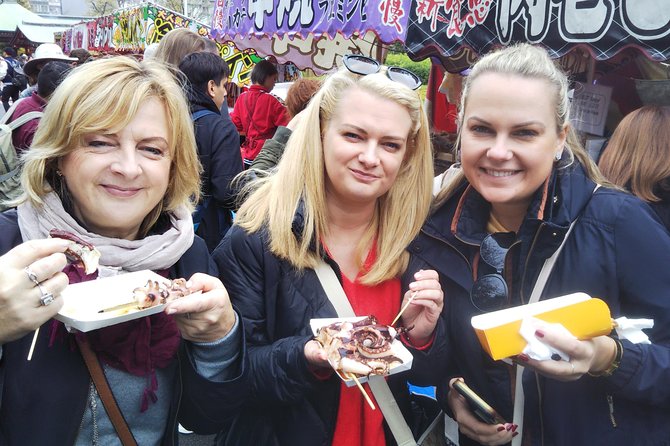
Not every off-the-beaten-path tour includes a stop that connects pop culture to sacred space. Gotokuji does. The temple in Setagaya ward is said to be the birthplace of the maneki-neko, the luck-inviting cat figurine.
This is a great “small stop with meaning” when you want a break from long walking or you want a memorable Tokyo story you can tell later. It is also only about 10 minutes in the plan, so it can fit into a 3 to 4 site selection without swallowing your day.
Price and Logistics: What You Get for $155.22, and What Costs Extra
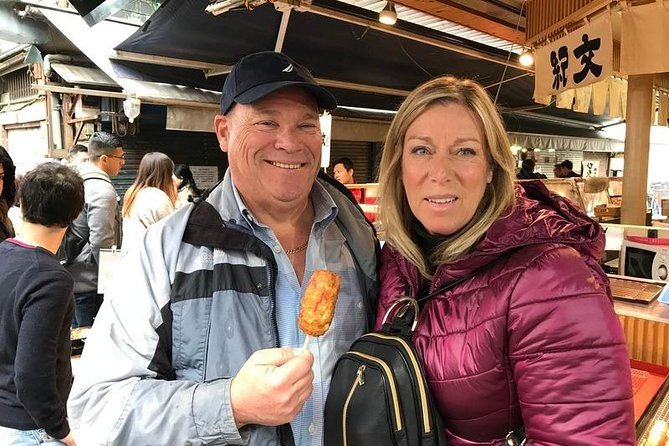
At $155.22 per person for a roughly 6-hour private tour, you are paying for guidance, route planning, and a focused set of stops. That is the value. Tokyo can be complex to navigate, and a licensed guide helps you spend your time on the places that matter to your interests.
Here is what is likely not included. Transportation fees are not included, and entrance fees are only covered for sights listed under what to expect. Lunch and other personal expenses are not included either. A private vehicle is not included, and you will usually travel by taxi or public transport organized by your guide if you choose that option at extra expense.
Also, it is a walking tour, and pickup is on foot. Your guide meets you within a designated area and makes it easy to start from near your hotel.
One more pacing point. Several guides in this company-style approach get praised for planning subway routes and giving helpful cultural tips. Still, if you are the type who needs lots of time to read signs and wander, choose fewer stops or tell your guide you want a slower rhythm. A 15-minute stop can feel like a quick look if you are hoping for a long, unhurried visit.
Tips to Make This Tour Feel Like Your Tokyo
Bring comfortable shoes and water. This format is about walking between neighborhood blocks, not sitting in a car for most of the time.
Pick your “must linger” stop first. Options with longer time include the Basho Memorial Museum, which is listed at about an hour. If you care about art or architecture, choose a museum or shrine that matches your taste, then pick 1 to 2 supporting stops around it.
Ask your guide how they plan to handle your pace. The best outcomes happen when you tell them what you want, whether it is more time for photos, a lunch break, or a faster route to fit in one more neighborhood street.
If you are worried about crowds or closures, it helps to stay flexible. Guides with strong organization can adjust plans if something is unexpectedly closed, so you still see the neighborhood story instead of standing around.
Should You Book This Tokyo Off-the-Beaten-Path Private Tour?
Book it if you want a private Tokyo day with neighborhood focus and you like the idea of choosing 3 to 4 sites that fit your interests. It is a great match for first-timers who want guidance on how to move, and also for repeat visitors who are tired of the same central highlights.
Skip it if you want a bus-and-museum style itinerary with lots of seated time, or if you prefer fully independent planning with no walking commitments. Also skip it if you dislike paying extra for entrances and transit, because some of the most interesting choices in the stop list are marked as not included.
If you want a Tokyo day that feels like real neighborhoods, not a highlight montage, this one is a strong bet.
FAQ
How long is the Tokyo Off the Beaten Path private tour?
It runs for approximately 6 hours.
Is this tour private?
Yes. It is a private tour/activity, and only your group participates.
Can I customize the itinerary?
Yes. You choose three or four sites from the list of stops.
Where does the guide meet you?
Your guide meets you at your hotel for ease, with pickup described as on foot within a designated area.
Are entrance fees included?
Entrance fees are not included in general. Some stops list admission tickets as free, while others are marked as not included.
What transportation is used during the tour?
You travel by taxi or public transport organized by your guide, and transportation fees are extra. The tour is walking-focused.
Can I cancel for a full refund?
Yes. You can cancel up to 24 hours in advance of the experience for a full refund.
More Guided Tours in Tokyo

More Tours in Tokyo


More Tour Reviews in Tokyo

Not for you? Here's more nearby things to do in Tokyo we have reviewed


Tokyo City Tours, side by side.
 ★ 5.01-Day Tokyo Bus TourFrom $12914,250 reviews
 ★ 4.5TOKYO SKYTREE® Admission ticketFrom $1311,192 reviews
 ★ 4.6teamLab Planets TOKYO Digital Art Museum Entry TicketFrom $259,779 reviews
 ★ 4.0Mt Fuji & Hakone Cruise, Drum Show Bullet Train 1 Day from TokyoFrom $1497,413 reviews
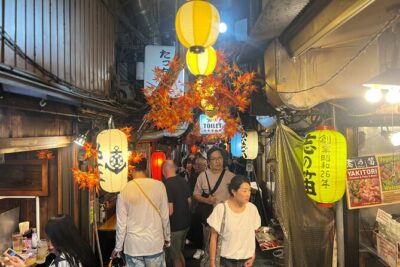 ★ 5.0Shinjuku Food Tour (13 Dishes at 4 Local Eateries)From $866,603 reviews
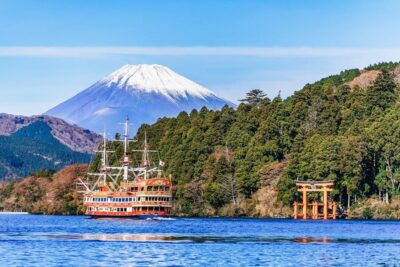 ★ 4.4Tokyo Mt Fuji 5th St & Hakone Cruise Bus Tour w/Bullet TrainFrom $1545,024 reviews
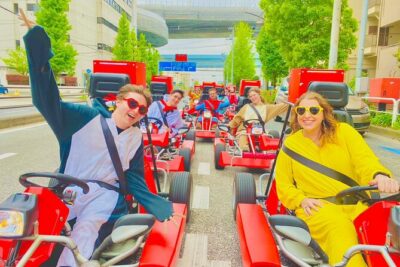 ★ 5.0Flagship 2-Hours Official Street Go-Kart Tour – Tokyo Bay ShopFrom $644,974 reviews
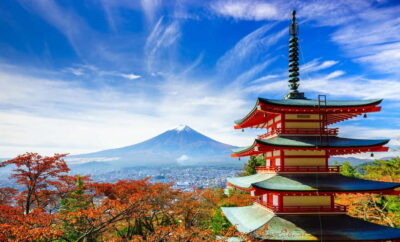 ★ 4.5From Tokyo: Mount Fuji Full-Day Sightseeing TripFrom $684,970 reviews