
Review · TOKYO CITY TOURS
Tokyo Private Tour to Learn History and Shinto
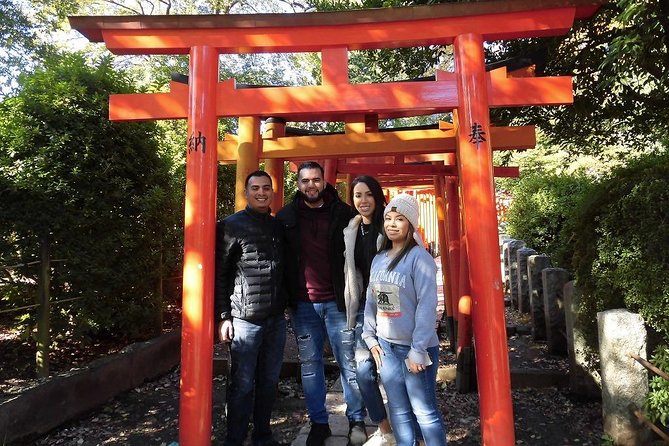
Nezu Shrine’s torii tunnel hits fast. This private Tokyo tour pairs Senbon Torii color on the Nezu grounds with a chance to spot a traditional Japanese wedding procession at Meiji Jingu, all explained by an English-speaking guide who keeps the stories clear. I like that it’s friendly for both kids and adults, so the day stays fun even when the history gets a bit deep.
One thing to plan for: admission fees are not included for you. Nezu Shrine and Senso-ji list admission ticket not included, so you’ll want a little cash or card ready to cover those entry costs.
Key points to know before you go
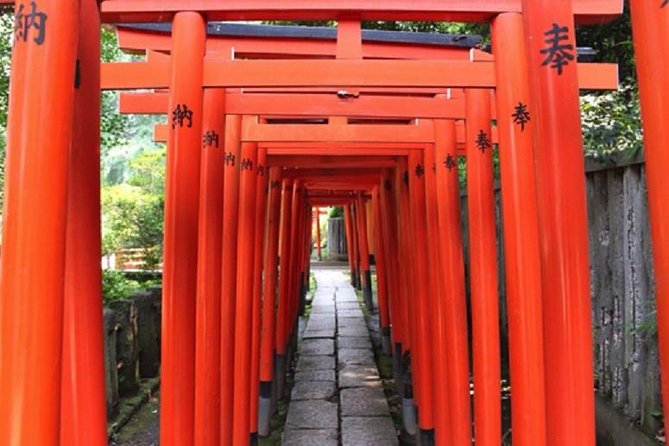
- Senbon Torii at Nezu: walk the bright red torii gate tunnel where Shinto space feels instantly visual
- Meiji Jingu wedding procession: your guide helps you seek a traditional procession at a major shrine built in 1920
- English guides with practical city help: guides like Yoshinori, Yoshi, and Kono are known for clear explanations and handy directions
- Subway route planning, but you pay fares: public transport for your guide is included, your rides are not
- Classic Asakusa pairing: Senso-ji and Asakusa Shrine in the same half-day rhythm, with Edo-era and Buddhist landmarks side by side
A day of torii gates and temple gates, on your own schedule
This is the kind of Tokyo day that feels simple on paper, then turns surprisingly meaningful as you walk. You’ll move through some of the city’s best-known religious sites, but the value comes from how the tour connects the dots: design, symbolism, and the human stories behind Shinto shrines and major temple grounds.
Since it’s private, you can set your own pace a bit. If your group wants more time at a sculpture, a prayer area, or a photo spot, you’re not stuck in a crowd shuffle. And because it’s built around public transportation plus walking, you get a realistic sense of how Tokyo flows, not a car-only version of the city.
You can also read our reviews of more private tours in Tokyo
What you’re really paying for: a guide who makes Shinto make sense
The listing price is $123.57 per person for an approximately 6-hour private tour. That sounds high until you look at what’s included: an English-speaking professional guide, hotel pickup, and transit support using public transportation for the guide. The big takeaway is that you’re buying interpretation.
Without a guide, Tokyo’s shrines can feel like beautiful scenery you pass through. With a guide, you get the why behind what you’re seeing. This tour specifically highlights Japanese design, symbolic artwork, and delicate sculptures, which is exactly the stuff that’s easy to miss when you’re just rushing for the next famous landmark.
The reviews you’ll read about this tour tend to line up on one theme: the guides add real-world usefulness. Names that pop up include Yoshinori, Yoshi, and Kono. You’ll hear about directions after the tour, plus help navigating the train system so you can keep moving confidently when the guided portion ends.
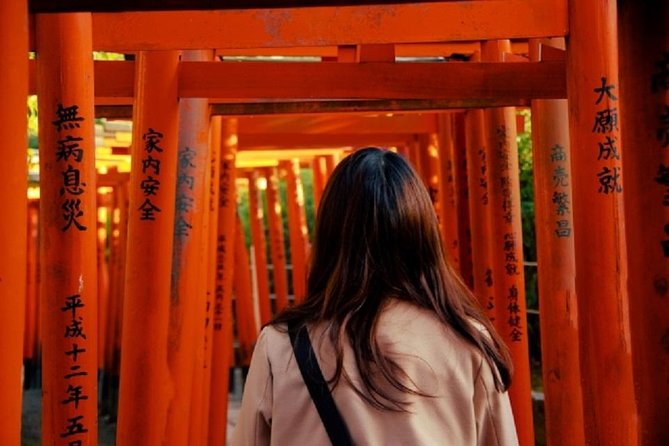
Nezu Shrine’s Senbon Torii: walking the red gate tunnel
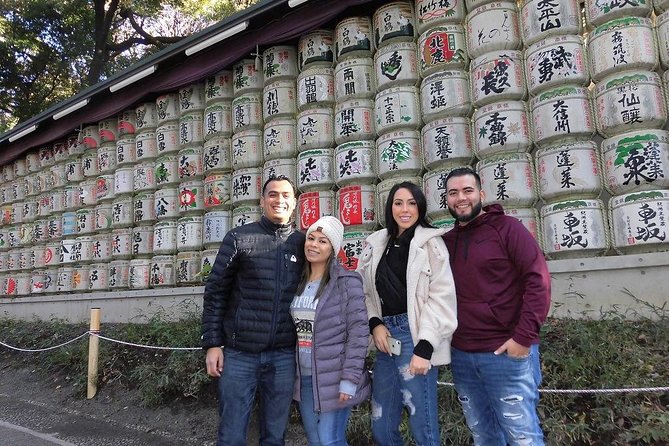
Nezu Shrine is where the day starts turning visual and memorable. The spotlight here is the bright red torii gate tunnel at Senbon Torii. Even if you’ve seen torii gates in photos, this is the version that hits in person because you experience it with your body, step by step.
Nezu Shrine is also described as having a history of 1900, and seven buildings on the site are designated as important cultural properties by the country. That matters because it signals this isn’t just a pretty entrance. It’s a place with longstanding cultural weight, and the tour helps you connect the symbolism you see with the role it plays in Shinto worship.
Timing note: plan for about one hour at Nezu. Admission ticket is listed as not included, so factor that cost into your day budget. If you care about details like design motifs and the way sacred spaces are arranged, this stop is your best bet to slow down and really look.
Practical tip from the guide style on this tour: ask questions as you walk. The best moments at shrines often happen when you’re standing still long enough to see what you would otherwise scroll past.
Senso-ji Temple in Asakusa: pagoda views and an old gate feel
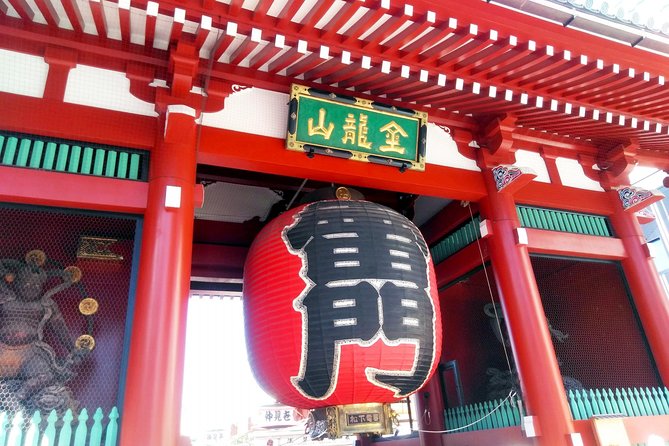
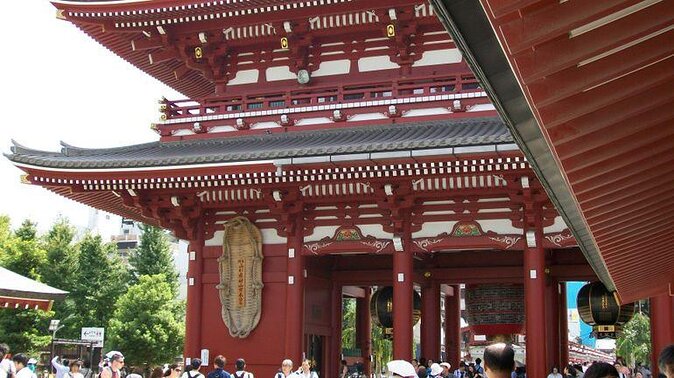
Next comes Senso-ji Temple, one of Japan’s most popular temple attractions. The grounds are famous for historical structures, including a five-story pagoda and the Hozo-mon Gate, also called the Treasure-House Gate. You’ll feel the contrast here: fewer torii visuals, more Buddhist temple architecture and a different energy in the space.
This stop is listed at about one hour. Admission ticket is not included for you, so again, keep that in mind. The time limit is short enough that you’ll want to be clear about what you want to focus on. If you’re into architecture, look for the main gate area and the pagoda sightlines. If you’re more into the human rhythm of the place, spend a bit of time observing how people move through the temple grounds.
This stop is also where a guide earns their fee in a more subtle way. A lot of Senso-ji is about flow and orientation. When you have someone who can point out what you’re looking at and where to go next, you spend less time guessing and more time seeing.
If you’re traveling with kids, Senso-ji often works well because it’s visually varied. You get structures, signs, open space, and lots of little moments that keep a younger attention span from checking out.
Asakusa Shrine: Edo-era connections and the Sanjya Festival link
After Senso-ji, you’ll visit Asakusa Shrine for another one hour of walking and looking. This one is described as a Shinto shrine with a shrine of the beautiful Edo period of time. It’s also called Sanjya Gongen, and the Sanjya Festival in May is noted as one of Edo’s three major festivals.
Even if you’re not there in May, the tour framing helps you understand why this shrine is tied to the city’s older cultural identity. Edo-era references are often hard to grasp from modern streets, so having someone translate what you’re seeing into a historical context makes the stop feel less random.
Asakusa Shrine lists admission as free in the tour details, which is a nice relief after the ticket-not-included items earlier. That can matter for value. You can put more of your day budget toward food, transit, or a museum later, instead of stacking paid entries.
If your group likes cultural continuity, this stop gives you that. You’re seeing a Shinto location that connects to festival identity, and the name Sanjya Gongen gives the day a thread you can carry forward when you reach the next shrine.
You can also read our reviews of more historical tours in Tokyo


Meiji Jingu’s wedding procession opportunity: big shrine, clear symbolism
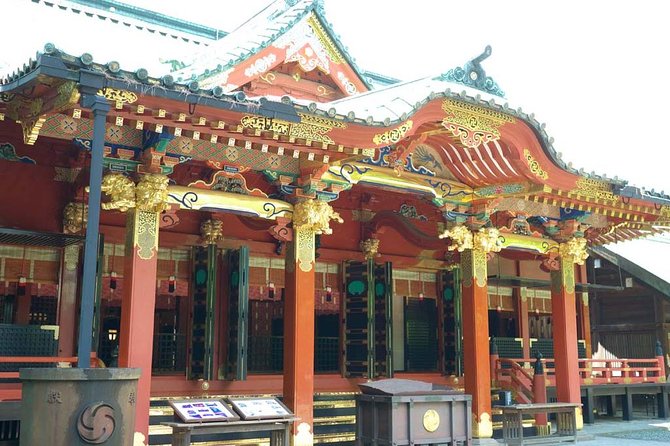
Meiji Jingu is a standout on this itinerary. The shrine, built in 1920, is described as enshrining Emperor Meiji and Empress. This is also a shrine where many worshipers and foreign tourists visit throughout the year, so you get a sense of both everyday ritual and major public attention.
This stop is scheduled for about one hour, and admission is listed as free. That makes it a strong end-of-tour choice because it keeps the last hour from turning into a money-check moment.
The tour’s highlight here is the traditional Japanese wedding procession that you seek at Meiji Jingu. A procession isn’t something you can guarantee on a clock, but the tour approach is practical: your guide helps you look for it in the right rhythm of the shrine visit. If you love ceremony details, this can be one of the most “Tokyo in real life” moments of the day.
The tour also calls out Japanese design, symbolic artwork, and delicate sculptures. Meiji Jingu is a place where design symbolism is part of the experience, not just decoration. When you have an explanation in your ear, you can connect patterns and motifs to meaning instead of treating them as background.
Subway and walking reality: you’ll move a lot, so travel smart
This is a public transportation tour, using the subway to move between sites, with your guide included in that transit. Here’s the key nuance for your budget and comfort: the tour includes public transportation to/from for the guide, but it lists public transportation to/from customers as not included.
So you should plan on paying your own subway fares. The good news is your guide is there for routing and storytelling, and that’s where the private format shines. If you’re trying to figure out Tokyo train logic, your guide’s advice can save time and stress.
The guide impact described in the feedback is very practical. Names like Yoshi come up with help for navigating the train system, and Yoshinori is described as giving directions for things to do after the tour. That means the value is not locked inside shrine walls. You get help you can use immediately after, when you still need to get home or continue your sightseeing.
Wear shoes you can walk in comfortably. Even with a private pace, you’ll spend a good amount of time moving on foot across shrine and temple grounds. Bring a water bottle. Keep a light layer ready, since shrine visits can mean you’re out in open air longer than you expect.
Hotel pickup and the “start clean” advantage
A small thing, but it matters: pickup is offered from your hotel, and you meet the guide in the hotel lobby. That removes one of the biggest hassles of a multi-stop day. Instead of wasting time finding a meeting point while juggling trains, you start with one clear handoff.
For families, this can be a real win. Kids handle transitions better when you simplify the beginning of the day. For adults, it just reduces friction so you can enjoy the stops without stress.
If you like to travel with less planning, this tour is built for you. Also, it’s private, so your group isn’t dealing with a rotating mix of strangers and schedules.
Price and value: does $123.57 make sense for this lineup?
At $123.57 per person for about 6 hours, the math comes down to what’s bundled and how well the guide adds value. You’re not just paying for famous names like Nezu, Senso-ji, Asakusa Shrine, and Meiji Jingu. You’re paying for an English-speaking professional guide plus hotel pickup plus the structure of a multi-site Shinto and temple day.
Here’s how I’d judge the value for your money:
- If you want interpretation, the tour is worth it. The stops are iconic, but the tour emphasis on symbolism, design, and delicate sculptures suggests you’ll get more out of the experience than a self-guided stroll.
- If you plan to ride around anyway, having pickup and routing can reduce wasted time. That matters in Tokyo, where short distances still add up when you factor in transfers.
- If you’re on a tight budget, the not-included admissions are the main cost surprise. Nezu and Senso-ji list admission tickets not included, and customers’ public transport is also not included. You’ll still get free admission at Asakusa Shrine and Meiji Jingu, but budget for those ticketed stops.
Also consider demand. This tour is typically booked about 29 days in advance. That’s a hint you should lock in dates sooner rather than later, especially if you want a specific day of the week.
Who this tour fits best, and who might want a different plan
This tour is described as great for both kids and adults, and that lines up with the itinerary. You have visual red torii structure at Nezu, famous temple architecture at Senso-ji, a shrine tied to Edo and festival identity at Asakusa, and a major shrine experience at Meiji Jingu with a chance to seek a wedding procession.
Book it if:
- You want Shinto and temple context, not just photos
- You like private touring where your questions get answered
- You want help navigating the subway, and you want directions for after the tour too
You might choose something else if:
- You’re determined to self-guide and don’t need help with symbolism
- You prefer fewer stops and more time per place
- You have a very strict budget for admissions and transit
If your main goal is fastest sightseeing, a self-guided route can be cheaper. If your goal is understanding, this private structure is a strong fit.
Should you book this Tokyo Private Tour to Learn History and Shinto?
I think you should book this tour if you want Tokyo’s shrines and temples with a translator for meaning. The combination of Nezu’s red Senbon Torii tunnel, Senso-ji’s five-story pagoda and Hozo-mon Gate, Asakusa’s Sanjya connections, and Meiji Jingu’s built-in symbolism and wedding procession opportunity is a solid set for one day.
The decision hinges on your expectations about costs. Admissions for you are not included, and you’ll pay subway fares for yourself. If you’re okay with that, you’ll likely feel like the guide pays off quickly in clarity and navigation, especially if you’ve ever felt lost in Tokyo train transfers.
Also, choose this tour when the weather is good. The experience notes that it requires good weather, and if it’s canceled due to poor weather, you’ll be offered a different date or a full refund. That’s not a small detail, since shrine and temple time is easier when you’re not fighting rain.
If you’re craving an authentic, structured Shinto day that feels more than just Instagram stops, this is a smart call.
FAQ
What is the duration of the Tokyo private history and Shinto tour?
The tour is approximately 6 hours.
Is this a private tour?
Yes. It is a private tour/activity, and only your group will participate.
Which locations are included in the itinerary?
The tour includes Nezu Shrine, Senso-ji Temple, Asakusa Shrine, and Meiji Jingu Shrine.
Is hotel pickup included?
Yes. Pickup is offered from your hotel, with meeting in the hotel lobby.
Are admission tickets included?
No. Admission fees for customers are not included. Nezu Shrine and Senso-ji list admission tickets not included. Asakusa Shrine and Meiji Jingu Shrine are listed as free in the tour details.
Do I pay for subway or public transport during the tour?
Public transportation for customers to/from is not included. Public transportation for the guides to/from is included.
How far in advance should I book?
On average, this tour is booked 29 days in advance.
When will I receive confirmation after booking?
Confirmation is received at the time of booking unless you book within 2 days of travel. In that case, confirmation is received within 48 hours, subject to availability.
What happens if the weather is bad?
This experience requires good weather. If it is canceled due to poor weather, you will be offered a different date or a full refund.
Is free cancellation available?
Yes. Free cancellation is available. You can cancel up to 24 hours in advance for a full refund.
More Private Tours in Tokyo

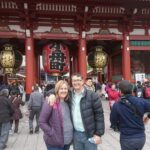
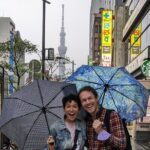
More Tours in Tokyo





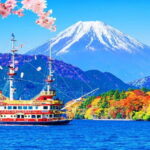
More Tour Reviews in Tokyo


Not for you? Here's more nearby things to do in Tokyo we have reviewed












Tokyo City Tours, side by side.
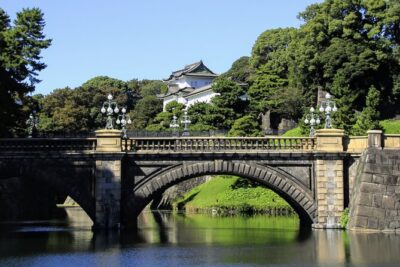 ★ 5.01-Day Tokyo Bus TourFrom $12914,250 reviews
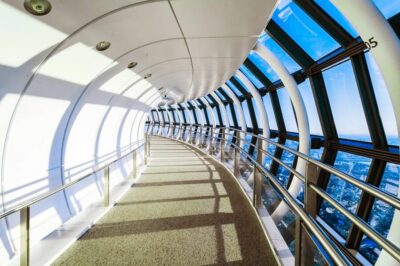 ★ 4.5TOKYO SKYTREE® Admission ticketFrom $1311,192 reviews
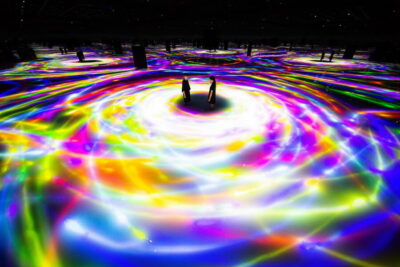 ★ 4.6teamLab Planets TOKYO Digital Art Museum Entry TicketFrom $259,779 reviews
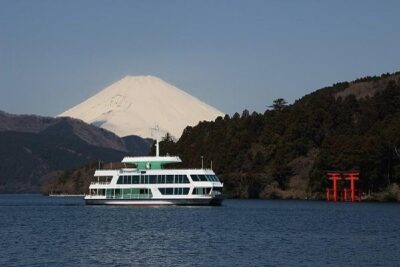 ★ 4.0Mt Fuji & Hakone Cruise, Drum Show Bullet Train 1 Day from TokyoFrom $1497,413 reviews
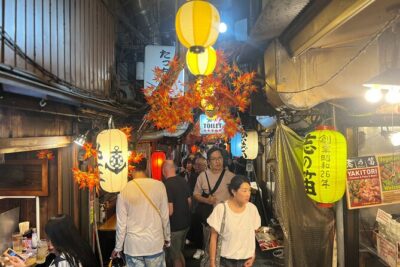 ★ 5.0Shinjuku Food Tour (13 Dishes at 4 Local Eateries)From $866,603 reviews
 ★ 4.4Tokyo Mt Fuji 5th St & Hakone Cruise Bus Tour w/Bullet TrainFrom $1545,024 reviews
 ★ 5.0Flagship 2-Hours Official Street Go-Kart Tour – Tokyo Bay ShopFrom $644,974 reviews
 ★ 4.5From Tokyo: Mount Fuji Full-Day Sightseeing TripFrom $684,970 reviews
This tour also belongs to