
Review · TOKYO FOOD TOURS
Tokyo: Ramen Tasting Tour with 6 Mini Bowls of Ramen
Six ramen bowls, three neighborhoods, one lesson.
This tour is a smart way to taste Tokyo ramen diversity without committing to one bowl and hoping it hits. You get six mini bowls (about 1/4 size) from 11 to 12 choices, and you also walk through real neighborhoods, not just a restaurant loop. I also like the human touch, since guides like Sahori, Bunga, Makayla, and Daisy bring energy and clear English.
My second big plus is the guided ramen education. You’ll get colorful slides and handouts that explain where ramen comes from, the major regional styles, and how different broths and noodles change the experience. If you ask questions, you get real answers, not canned lines.
One consideration: the walking adds up. Expect about 3 kilometers (1.86 miles) in roughly 3 hours, and the broths include chicken, pork, and fish, so it is not for vegans or vegetarians unless you book the separate vegan/vegetarian ramen tour.
Key things I’d circle on your Tokyo ramen checklist
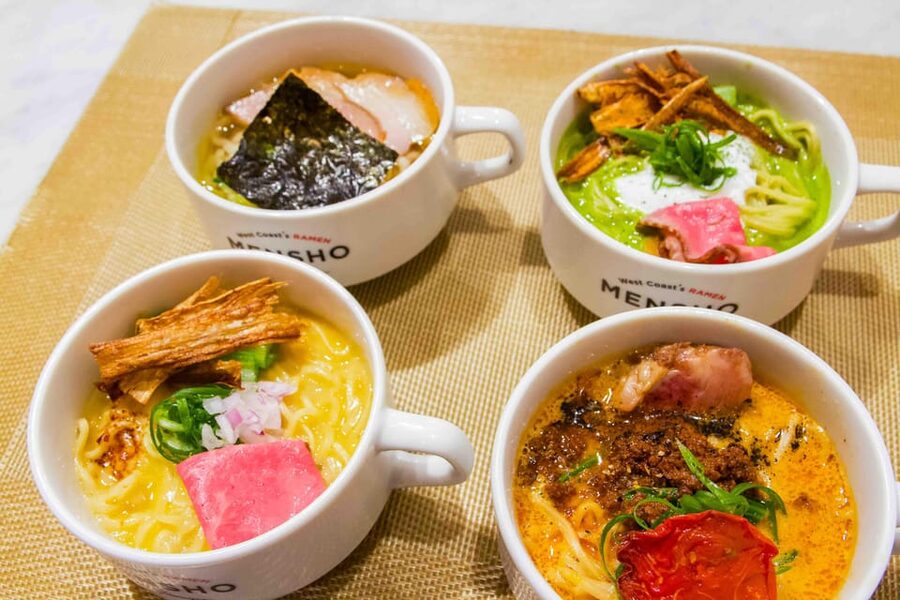
- Six mini bowls from 11 to 12 options so you can compare styles side by side
- Three ramen shops with distinct approaches, not the same flavor profile repeated
- Shibuya, Shinjuku, or Ueno neighborhood walking as part of the food plan
- English-speaking live guide who can explain ramen origins and preparation
- Small group size (max 8) which makes questions easier
- Mini bowls are tour-only, so you cannot easily recreate the exact lineup yourself
Why six mini bowls beat one big bowl in Tokyo
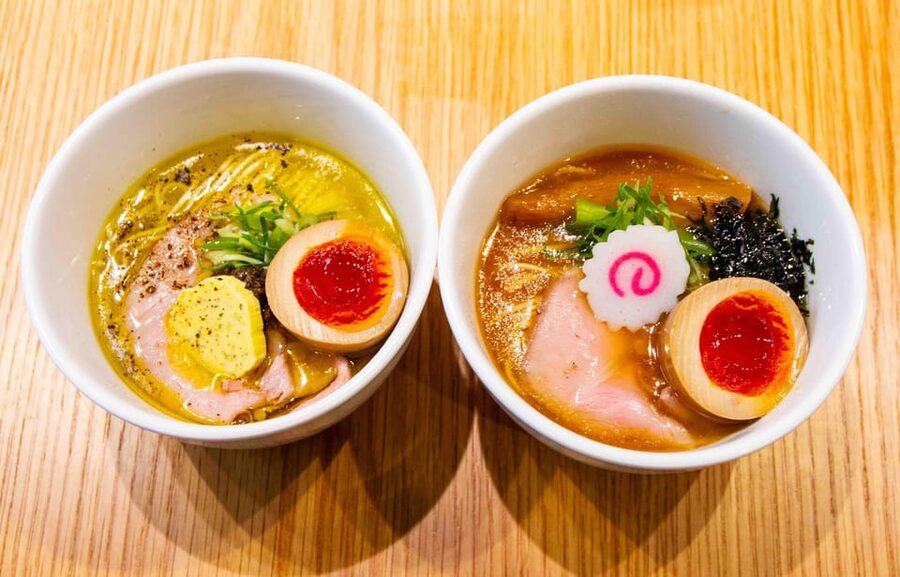
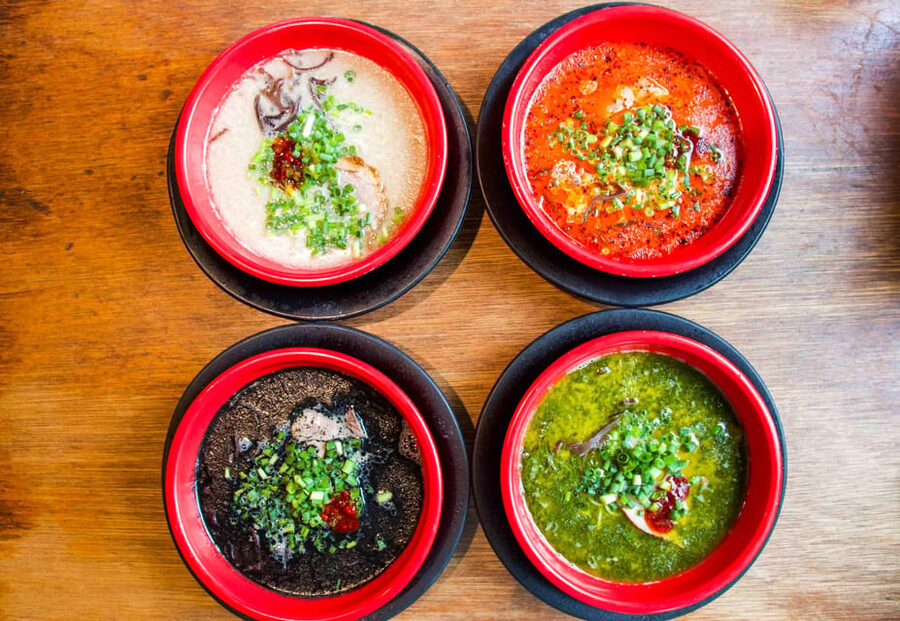
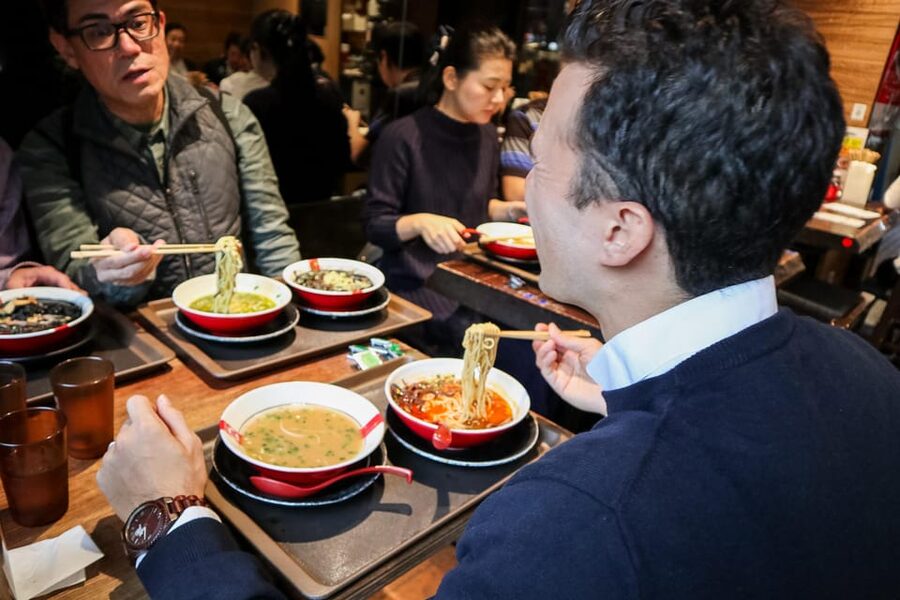
Tokyo ramen can feel endless. One shop is great, but it is only one slice of the bigger story. The genius here is the mini-bowl format. You are not stuffed early and you are not stuck with one disappointment. Instead, you can sample six different bowls and actually learn what you like, from broth type to toppings and noodle texture.
Those mini bowls are roughly 1/4 the size of a full order. That matters because ramen is usually a big, hot, satisfying meal. With smaller portions, you can slow down between stops, notice differences, and still end the tour comfortable instead of regretting lunch.
I also like the control element. You pick your six ramen from a set of 11 to 12. That means you can chase specific styles you have heard about, or you can go adventurous knowing you will still get classics mixed in.
You can also read our reviews of more food & drink experiences in Tokyo

Shibuya start, Ebisu or Shinjuku finish, and how the neighborhoods change the mood
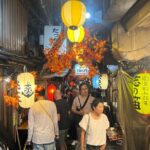
The tour usually starts in Shibuya and ends in Ebisu or Shinjuku, depending on the day. That is a useful setup because it gives you a contrast in Tokyo energy. Shibuya feels like you are moving through a loud, fast city movie. Ebisu is calmer and more local-feeling, while Shinjuku can feel like its own ecosystem once you are walking the streets after dark.
You also visit three distinct Tokyo neighborhoods. That sounds like a travel-bonus line, but it actually affects your meal. When you walk a few blocks, you notice the tiny ramen houses, storefronts, and sidewalk rhythm. It feels less like eating at a destination and more like being part of Tokyo’s daily food life.
The walking reality
This is a food tour with legs. Plan on about 3 kilometers of walking over 3 hours. If you like to snack on the move, you are fine. If you hate walking at all costs, you may feel rushed between bowls.
What you might eat: the three routes and the three-shop structure
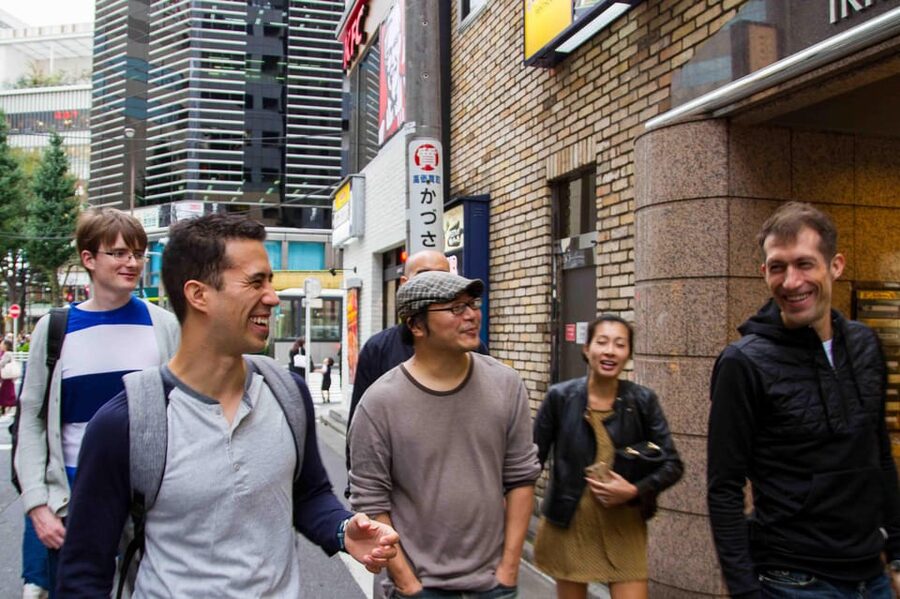
You will hit three ramen shops, and each stop follows a theme based on the route. The tour routes are Shibuya, Shinjuku, and Ueno. Your exact shops and ramen styles depend on the day, but the lineup patterns are consistent enough that you can picture the experience.
One important note for your expectations: all broths mix chicken, pork, and fish, even when the marketing emphasizes one ingredient. That also explains why this tour is not for vegans or vegetarians.
Shibuya route: classic meets fusion and curry
On the Shibuya route, the three stops typically look like this:
- Shop 1: Classic Hokkaido ramen
Think regional comfort and a distinct vibe compared with Tokyo-style bowls.
- Shop 2: Fusion tonkotsu (pork bone) ramen
You get the creamy, deep tonkotsu world, but with a twist that keeps it from feeling repetitive.
- Shop 3: Savory curry ramen
Curry brings warmth and thickness, and it is a fun palate reset after richer broths.
This route is for you if you want variety that still feels grounded in Japanese ramen traditions.





Shinjuku route: Tokyo classics, rich chicken paitan, then luxurious chicken or fish
The Shinjuku route usually runs:
- Shop 1: Classic Tokyo ramen
- Shop 2: Modern tori paitan (rich chicken ramen)
- Shop 3: Luxurious chicken or fish ramen
If you like the idea of comparing broths that lean into either poultry richness or the clean savor of fish, this route fits. It also tends to feel slightly more “modern Tokyo” in its range of flavors.
Ueno route: Kyushu comfort, dipping tsukemen, then modern Tokyo
The Ueno route generally includes:
- Shop 1: Classic Kyushu ramen
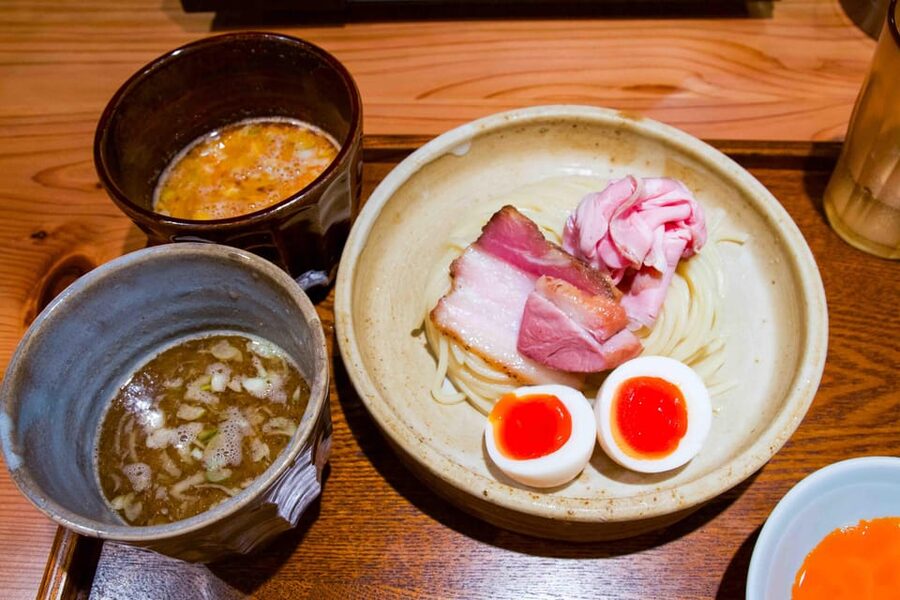
- Shop 2: Contemporary tsukemen (dipping)
- Shop 3: Modern Tokyo ramen
This route is a great choice if you want at least one structural change, because tsukemen is different. Instead of broth and noodles in the same bowl, you dip noodles into a separate sauce. It teaches you how ramen style can change how you eat, not just what it tastes like.
How the tour helps you learn ramen fast, without turning it into homework
One thing I genuinely like is how the education is delivered while you are eating. You are not sent off on a food quiz with no context. Guides use slides and handouts to explain the ramen story, then connect it directly to what is on your table.
You’ll cover:
- Ramen origins and how it evolved
- Major types of ramen broths
- How preparation choices change taste and texture
Some guides use visual tools on tablets, which makes it easier to remember. And the best part is you can ask questions. More than one guide was praised for answering patiently and keeping the vibe friendly, not lecture-like.
You will also leave with a better sense of what the phrases on menus actually mean. For example, once you understand why tonkotsu tastes the way it does, or what “paitan” implies about richness, you stop reading ramen options like random buzzwords.
The mini-bowl strategy: how to eat 6 bowls without losing your mind
Yes, it is a lot of food. But the mini-bowl setup is what makes it workable. Here is how to make it feel smooth instead of chaotic:
- Arrive hungry, not starving. If you skip a normal lunch, you’ll likely feel better by stop three. If you do not, you can still manage, but you might slow down more than you want.
- Use the walk time. Moving between shops helps. It also prevents the “sit down, eat everything, and then struggle” problem.
- Take it as comparison. Try to notice what changes between bowls: broth density, noodle chew, and how toppings balance salt and fat.
One practical tip from the way this tour is structured: the mini bowls are meant to be different at each stop. So you are tasting a sequence of styles, not trying to power through one theme.
Price and value: is $122 a fair deal for 3 hours of ramen?
At $122 per person for a 3-hour tour, it is not the cheapest way to eat in Tokyo. The value comes from combining four things that are hard to assemble on your own:
- Six mini bowls across three shops
- A beverage included
- An English-speaking live guide who explains what you are eating
- Small group size capped at 8, which makes the experience feel personal
If you tried to DIY this, you would likely spend something similar once you add up multiple ramen meals plus the time it takes to find and evaluate places. The tour also saves you the work of planning a “variety path” through neighborhoods while still getting real local-style stops.
Some people do call it pricey. I get that. Still, if your goal is to learn ramen styles quickly and eat a smart range of bowls in a short window, the price starts to look more reasonable.
Guide matters: what makes this tour feel worth it
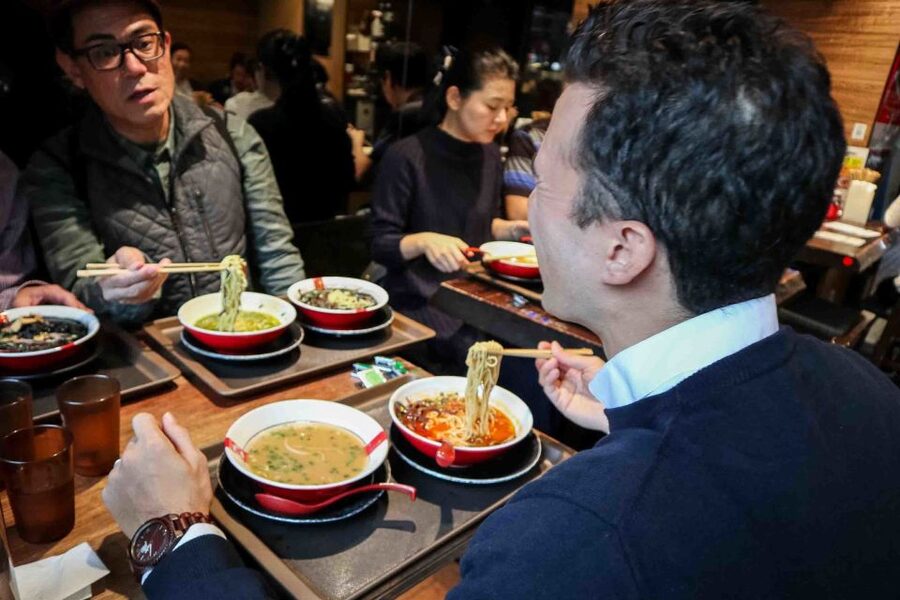
This type of tour rises or falls on the guide, and this one generally has strong feedback on guide quality. You will see names like Sahori, Bunga, Makayla, and Daisy pop up repeatedly, and the common thread is enthusiasm plus clear explanations.
A few standout patterns you can expect:
- Guides bring real passion for ramen, not just polite tourism talk
- English tends to be clear and easy to follow
- You can ask questions and get answers tied to the bowl in front of you
- Some guides use visual aids that help you connect history to taste
One extra plus: if you like prep, Bunga is also associated with the Bungalogic on YouTube world. It can be a nice way to get mental ready for how Japanese ramen differs from what you might be used to back home.
Who should book this, and who should skip it
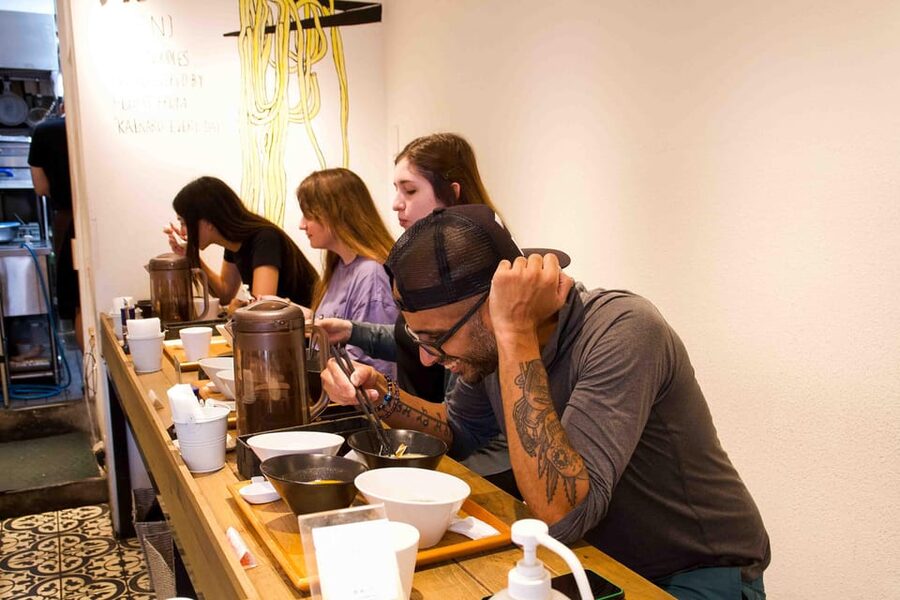
Book this if:
- You love ramen and want to learn the differences fast
- You want a guided variety tasting without planning three separate reservations
- You like walking Tokyo neighborhoods as part of dinner plans
- You want a small-group evening with lots of Q and A
Skip or reconsider if:
- You have low fitness and do not want about 3 kilometers of walking in 3 hours
- You need vegan or vegetarian options, because the broths include chicken, pork, and fish on this specific tour
If you fall into the dietary gap, there is a separate vegan/vegetarian ramen tasting tour. That is worth choosing so you are not stuck compromising.
Quick practical tips before you go
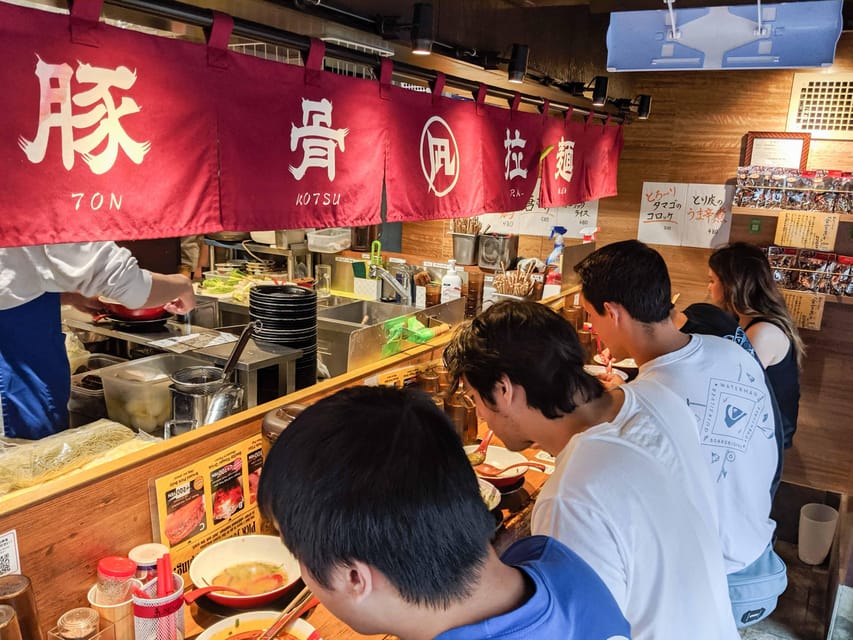
A few small things can make your evening smoother.
- Wear comfortable shoes. This is a walking tour first, ramen tour second.
- Go earlier in your trip if you can. Learning ramen styles before you start ordering on your own helps you pick places with confidence later.
- Plan to be hungry, then settle in. Six bowls sounds intense, but the mini-bowl size helps if you do not overeat beforehand.
- Ask your guide what to compare. For example, you can ask what to look for in noodle texture or broth richness so you leave with takeaways, not just full stomachs.
Should you book this Tokyo ramen tasting tour?
I think this is a strong choice if you want ramen knowledge and variety in one efficient evening. The format is built for learning, not just eating: six mini bowls, three shops, and an English guide who connects ramen history and preparation to what you taste.
If you are short on time and you want to experience multiple ramen styles without hopping the train all day, it is a smart use of a 3-hour window. Just come ready for walking, and double-check your dietary needs because the standard broths contain chicken, pork, and fish.
If that sounds like your kind of Tokyo night, book it. If walking and food volume are dealbreakers, you may prefer a single-stop ramen plan instead.
FAQ
How many ramen bowls do I get on this tour?
You get 6 mini bowls of ramen, and you choose them from a selection of 11 to 12 options.
How long is the tour?
The tour lasts 3 hours.
How many ramen shops do you visit?
You visit 3 ramen shops.
Is food included in the price?
Yes. The tour includes the 6 mini bowls of ramen and 1 beverage.
How much walking is involved?
The tour involves a good amount of walking, about 3 kilometers (1.86 miles), and it is not recommended for people with low fitness.
What kind of dietary restrictions should I know about?
All ramen broths on this tour contain chicken, pork, and fish. For vegans or vegetarians, you need the separate vegan/vegetarian ramen tasting tour.
What language is the tour guide?
The tour guide is English-speaking, and the group is kept small (limited to 8 participants).
More Food & Drink Experiences in Tokyo


More Tours in Tokyo


More Tour Reviews in Tokyo
Not for you? Here's more nearby things to do in Tokyo we have reviewed










Tokyo Food Tours, side by side.
 ★ 5.0Shinjuku Food Tour (13 Dishes at 4 Local Eateries)From $866,603 reviews
 ★ 5.0Tokyo Bar Hopping Tour in Shinjuku (All-You-Can-Drink + Dinner)From $1063,587 reviews
 ★ 4.9Shinjuku Food Tour (15 Dishes and 4 Eateries)From $852,033 reviews
 ★ 5.0Best of Shinjuku: Izakaya Food Tour (4 Stops, 14+ Tastings)From $921,863 reviews
 ★ 5.0Shibuya Meltdown Nightlife Tour: All-You-Can-Drink Bar HoppingFrom $1061,058 reviews
 ★ 5.0Eat and Drink Like a Local: Tokyo Ueno Food Tour-Taverns&RamenFrom $95957 reviews
 ★ 5.0Ramen & Gyoza Cooking Class in Tokyo with Local Supermarket VisitFrom $122823 reviews
 ★ 5.0Shibuya Food Tour (13 dishes and 4 Eateries)From $77770 reviews
This tour also belongs to