
Review · TOKYO CITY TOURS
Tokyo Shopping Street Hopping Private Tour with Government Licensed Guide
Tokyo shopping feels easier when someone knows the shortcuts. This private tour strings together some of Tokyo’s most famous and most everyday shopping streets, so you get the modern style and the old neighborhoods in one walkable day. I especially like having a government-licensed guide who can explain what you’re seeing and help you shop with context, not just a checklist. The one thing to consider is that it’s a walking format with multiple areas chosen from a menu, so you’ll want good shoes and realistic expectations for how much you can browse at each stop.
This tour is built for flexibility. You pick your interests from a set list, and you can choose morning start times, so the day doesn’t have to fight your other plans like temples or transit-heavy sightseeing. Since it’s private, your guide can steer the route toward your group’s preferences, including where to slow down and where to move on.
At about six hours, it’s a strong half-day option if you want shopping, snacks, and street atmosphere without getting tangled in train transfers. Just note that transportation costs and lunch are not included, so you’ll still do a bit of your own planning for getting between areas (your guide helps you navigate, but you’re not paying for private rides).
Key Points You’ll Care About
- Government-licensed guide who focuses on Japanese culture and history, not just directions
- Hotel pickup on foot to help you get started without the usual Tokyo navigation stress
- Morning start-time options so you can match your energy level and your day plan
- Private tour for just your group, with customizable 3 to 4 stops from the available street list
- Snacks and shopping street variety, from market alleys to youth fashion lanes to electronics districts
- Mobile ticket for an easier check-in rhythm
Tokyo Shotengai Hopping: What Makes This Day Work
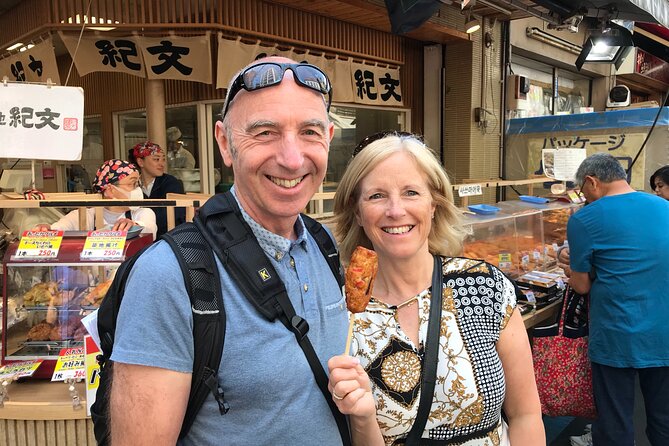
Tokyo has a special way of doing “shopping.” It’s not only malls and big stores. A lot of the personality lives in shotengai, the shopping streets where people grab snacks, run errands, and spend time. That’s why this tour is such a practical way to experience Tokyo: you’re not just shopping, you’re watching daily life move.
I like that this isn’t an all-or-nothing, single-neighborhood day. You can choose from very different vibes, like busy market energy near Ueno and Ueno-adjacent areas, older Shitamachi-style atmosphere, youth fashion zones around Harajuku and Shibuya, and then the pop-culture and gadget magnetism of Akihabara. If you want a Tokyo day that feels like Tokyo, not like a museum sprint, this hits the sweet spot.
The main trade-off is time and comfort. Each chosen stop is about 30 minutes, so you’ll have to shop smart. Think of this as “see, understand, and buy a few good things,” not “complete browsing of every stall.”
You can also read our reviews of more guided tours in Tokyo

Price and Value: What You’re Really Paying For
At $154.37 per person for roughly 6 hours, the value depends on your travel style. If you’re going to spend that time anyway wandering streets, a private guide can be the difference between random roaming and a plan that makes sense. You’re paying for three things: a route built around your interests, help understanding what you’re seeing, and smoother navigation.
Also, the tour includes some money-saving and time-saving elements. Pickup is offered to help you start from your hotel area, and the guide is licensed. Admission is free for the stops listed in the tour plan, so your budget is less likely to get knocked sideways by ticket costs. On the other hand, transportation fees and lunch are not included, so factor in subway or walking costs between neighborhoods, plus whatever food you want to try.
If you’re traveling as a small group, this can be a “high efficiency per hour” option because the guide is actively shaping your day. If you’re only looking to browse one or two streets slowly, you might compare against self-guided options. But if you want structure and a guide who can talk through culture, this price starts to feel fair.
Pickup, Walking Pace, and Start Times That Save Your Day
This is a walking tour, and the tour description makes it clear that pickup is included to help you avoid getting lost. Importantly, it’s described as pickup on foot, which means you’re not waiting around for a van and then fighting logistics right away. You meet up with the guide on foot within a designated area in Tokyo.
You’ll also get options for morning start times, which matters more than it sounds. Start too late and shopping streets get more crowded, and your browsing time shrinks. Start earlier and you get that “shops are open, people are moving” feeling with fewer decision-time headaches.
Do plan on being on your feet. The tour is built around multiple neighborhoods, and even when each stop is only about 30 minutes, the walk between points can add up. If you’re sensitive to long walking days, use the customization feature to pick stops that match your comfort level.
Custom Itinerary: How You Build Your Own Tokyo Street Mix
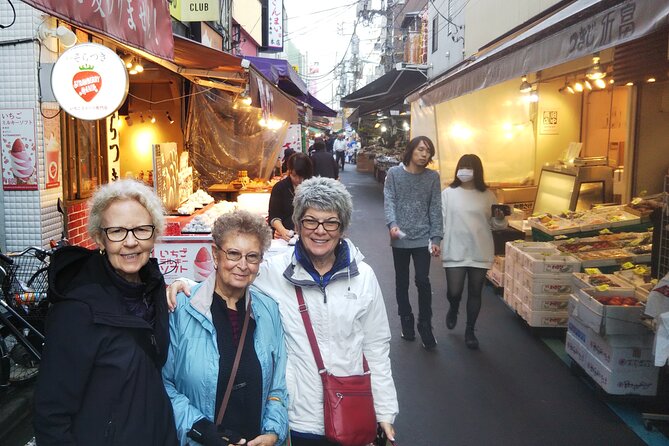
One of the best features here is that you choose from a list of possible attractions, and you select roughly 3 to 4 sites for the day. Your guide sets you up at the beginning with options, then tailors the itinerary to your group.
That approach matters because “shopping streets” in Tokyo aren’t all interchangeable. Ameyoko has market energy. Yanaka Ginza leans older and calmer. Cat Street and Takeshita Street skew youth fashion. Akihabara is electronics plus pop culture. If you pick all of them without thinking, you may end up sprinting. If you pick based on what you want to buy and what you want to feel, it becomes a satisfying mix.
The feedback from guides like Izumi and Hiro points to this tailoring being more than a gimmick. They start by explaining options, and then adjust based on what your group actually wants to see. That’s especially helpful if you have different shopping priorities within the same family or group.
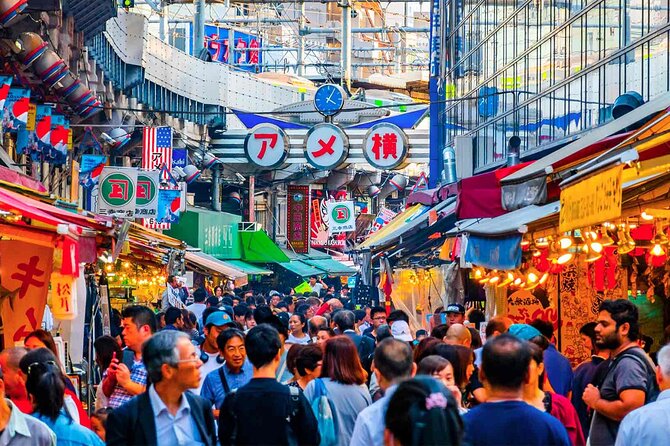
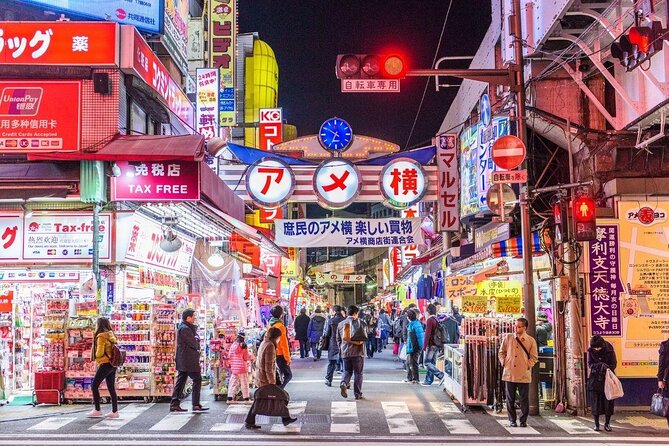
Stop 1: Ameyoko Shopping Street Near Ueno (Market Energy and Cheap Thrills)
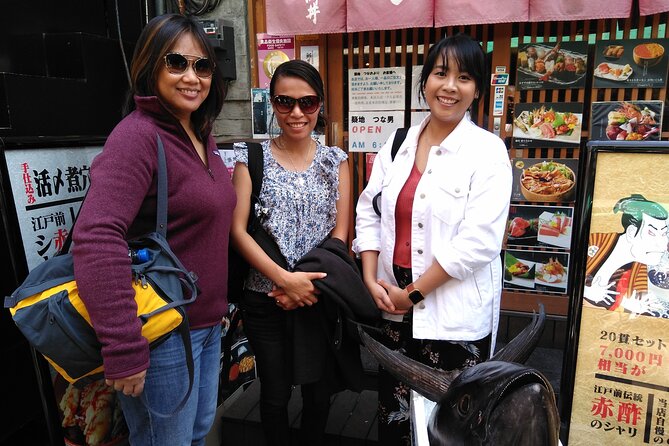
Ameyoko (アメ横), also called Ameyokocho, is a busy shopping street along the tracks of the Yamanote Line area, between Okachimachi and Ueno Stations. It’s famous for market-style browsing, and the name comes from Ameya Yokocho, a candy-store alley.
Why it’s worth your first stop: you get high-energy Tokyo fast. It’s the kind of place where you can look at everyday items, snacks, and small goods without needing a formal shopping plan. If you like street markets, this is a great place to “turn on” your shopping instincts.
What to watch for: crowd flow. Because it sits in a very central transport corridor, you’ll likely share the walkway with lots of foot traffic. Set expectations for moving at a steady pace, and pick one or two categories you want, like snacks or small gifts, so you don’t spend all your momentum here.
You can also read our reviews of more private tours in Tokyo

Stop 2: Kappabashi Street (Kappabashi Dōgugai) for Kitchen Tools and Restaurant Supplies
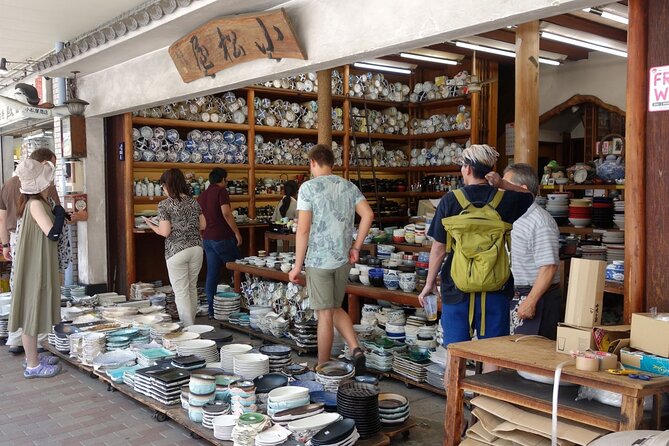
Kappabashi Street (かっぱ橋道具街) sits between Ueno and Asakusa and is lined with dozens of stores selling items needed by restaurant operators. Think kitchen tools, supplies, and the kind of goods you don’t always find in regular souvenir shops.
This stop is ideal if you like practical gifts: restaurant-style utensils, specialty kitchen items, or fun items you can bring home even if you don’t want another bag of random knickknacks. It also works well as a mid-day “shop smarter” break, because you can shop with purpose.
A practical consideration: since this is a specialist shopping street, you might not get the same “browse anything” feeling as a general market. If you’re shopping for clothing or trend items, your time here may feel narrower. If you want useful Japan-made items, it’s a strong choice.
Stop 3: Yanaka Ginza (Old Town Shitamachi Feel Without the Theme-park Vibe)
Yanaka Ginza is known for its well-preserved old-town Shitamachi atmosphere. It’s a shopping street that feels like you’re walking through a quieter Tokyo side, where the streets don’t feel designed for tourists first.
Why I like this stop: it adds contrast. After market and gadget-heavy areas, you get a slower, more nostalgic pace. It’s a good choice if you want shopping that comes with atmosphere, not just product variety.
Time limit reality check: at about 30 minutes, you can browse and pick up a souvenir or two, but don’t plan on deep research. Use your guide to identify which small streets or shops fit your tastes quickly, then decide.
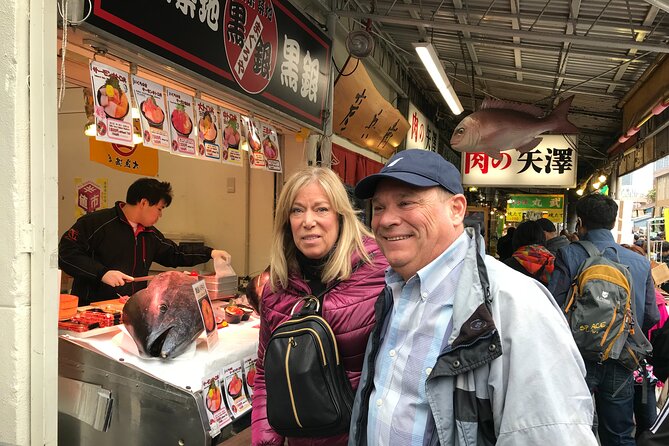
Stop 4: Tsukiji Fish Market Area (Fast Access to One of Tokyo’s Big Names)
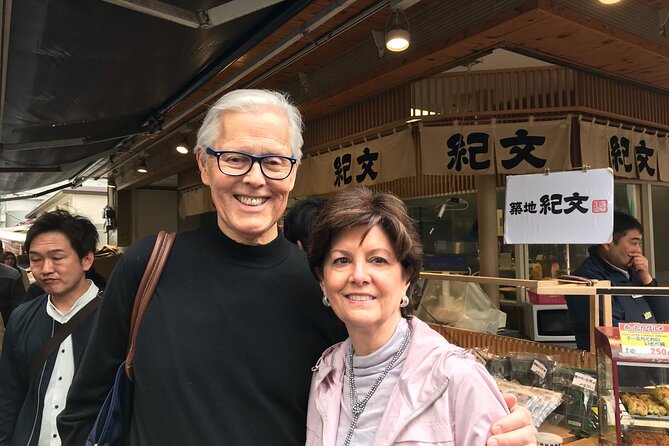
Tsukiji Fish Market is one of Tokyo’s most recognized food areas. In the tour flow, it’s included as a stop where you explore Tokyo more efficiently in one day.
What makes this stop practical in a half-day tour: it’s famous enough that you don’t need to “hunt for it” with maps and guesswork. Your guide helps you get there within the day plan, and you can focus on what you want to see without wasting time.
What to consider: this stop can be busy. If you want photos, go with a mindset of quick decision-making: where you want to stand, what you want to capture, and how quickly you can move. Also, admission is listed as free for the tour stop, but you’ll still spend on food if you decide to eat there, since lunch isn’t included.
Stop 5: Shibuya Cat Street (Youth Fashion Alley Between Harajuku and Shibuya)
Cat Street is the nickname for a mostly pedestrianized alley running between Harajuku and Shibuya. It’s dedicated to hip youth fashion, and it’s known for that stylish “hangout street” energy.
This is a stop that’s great if you want a more modern Tokyo vibe. You’re moving through a zone built around trend, casual shopping, and street-style browsing. Even if you’re not buying fashion, it’s fun to see the range of brands and styles up close.
Time-saving tip: since you only have about 30 minutes here, focus on the stores that match your style rather than trying to do everything. Let your guide help you point out what’s worth a look for your interests.
Stop 6: Takeshita Street (Takeshita-dori in Harajuku, Snacks and Wacky Culture)
Takeshita Street (Takeshita-dori) in Harajuku is where Japan’s youth culture comes out to play. The area is pedestrian, and you can find the kind of quick snacks that make shopping feel like an experience, not a chore. The tour notes items like Calbee chips, candy floss, and crepes.
Why this stop works: it’s not just clothing. It’s also a sensory shopping street, full of snack stands and fun impulse buys. If your group has different interests, this is often the stop where everyone finds something, including souvenirs and easy treats.
The drawback to plan for: it’s one of those streets where the crowd can slow you down. Bring a little patience and choose what you want first, then snack second.
Stop 7: Shibamata (Old-School Neighborhood Charm Near the Edogawa River)
Shibamata is an eastern Tokyo neighborhood near the Edogawa River, which forms a natural border between Tokyo and Chiba Prefecture. The tour description highlights that it keeps old-school charm.
This stop is a nice palate cleanser. After fashion streets and market streets, Shibamata gives you a more residential, traditional feel. It’s a good choice if you want shopping that feels connected to local life rather than only trends.
Because the stop is about 30 minutes, treat it like a taste. You’re aiming to walk, browse a bit, and soak up the neighborhood mood, not to do a full “spend all day here” exploration.
Stop 8: Akihabara (Electronics Shops and Pop Culture Central)
Akihabara (秋葉原), also called Akiba, is famous for electronics shops and has become a recognized center of Japanese pop culture. If you have any interest in gadgets, collectibles, games, or fandom merchandise, this is the stop most people want on a first Tokyo shopping street day.
Why it’s so efficient with a guide: you can quickly sort through the huge number of options and find stores that match what you’re actually looking for. Without help, it’s easy to wander too long in the wrong direction.
Time consideration: Akihabara can swallow a whole afternoon by itself. With only about 30 minutes, pick a target category, like figures, accessories, electronics, or something else specific, and use the guide to help you get to the right shops fast.
What Makes the Guides Matter (Beyond Directions)
A big reason this tour gets strong reviews is the way guides handle your choices. In one highlight, Izumi started by laying out several options at the beginning, then tailored the route to what the family wanted. Another guide, Sam, showed strong communication and made sure the group got what they needed, with English described as very good.
There’s also a practical theme: guides help with navigation and translation in shops. One review mentions help navigating the subway system and translating when needed. That’s not just convenience. It means you can ask questions, understand what you’re buying, and avoid the “I guess I’ll just get this because I can point at it” feeling.
If your group includes teenagers or anyone picky about lunch and pacing, that tailoring gets even more important. One review specifically praised a guide for finding a lunch spot with many options, including for a picky eater.
Shopping Street Strategy: How to Get More Than Souvenirs
If you want this day to feel like a win, shop with a plan. Here’s how I’d do it.
First, decide what “success” looks like. Is it gifts, snacks, kitchen tools, trend items, anime or gaming goods, or just the satisfaction of knowing you explored the right neighborhoods? Once you pick one or two priorities, every stop becomes easier.
Second, use the guide to pick the best order. Since each stop is about 30 minutes, the order affects your stress level. Busy areas like Ameyoko and fashion streets can feel overwhelming if you hit them at the end of the day. Pick a pace that matches your energy.
Third, bring a shopping posture. Comfortable shoes matter. Also bring a way to carry items, since shopping streets are exactly where you’ll end up with bags and impulse purchases.
Is This Tour Right for You?
This works best if you want a guided, efficient way to experience Tokyo’s everyday shopping streets with real context. Choose it if you like street markets, neighborhood vibes, and shopping that’s connected to culture. It’s also a smart option if you want help navigating, especially if language is a barrier.
It may not be the best fit if you want a slow, deep shopping day in just one area. With multiple stops chosen from the list, you’ll have shorter time blocks. Think “smart sampling,” not “everything in one neighborhood.”
Should You Book This Private Shopping Street Tour?
Yes, you should book if you value a government-licensed guide, a flexible morning start, and a route built around your interests. The price makes sense for a private half-day when you factor in pickup support on foot, a guided plan through major street areas, and time saved on navigation.
I’d skip it only if your ideal Tokyo day is one neighborhood at a relaxed pace, or if you’re not comfortable with a walking-based format. If you want variety, structure, and the confidence to shop without getting lost, this is a strong choice.
FAQ
How long is the Tokyo shopping street hopping private tour?
It runs for about 6 hours.
What does the tour cost?
The price is listed as $154.37 per person.
Is pickup included?
Pickup is offered. The tour is described as avoiding getting lost with included pickup from your hotel in Tokyo, and it is a walking format.
Is this a group tour or private tour?
This is a private tour. Only your group will participate.
Can I customize which shopping streets we visit?
Yes. The itinerary is customizable, and you choose roughly 3 to 4 sites from the available list.
What kind of guide do I get?
You get a licensed local English speaking guide.
Is lunch included?
No. Lunch is not included.
Are transportation fees included?
No. Transportation fees are not included, and private transportation is also not included.
Is admission required for the stops?
Admission is listed as free for the stops included in the tour plan.
What if I need to cancel?
Free cancellation is available. You can cancel up to 24 hours in advance for a full refund. If you cancel less than 24 hours before the start time, the amount paid is not refunded.
Is this tour mostly walking?
Yes, it is a walking tour. Pickup is on foot, and you will be moving through the shopping streets.
More Guided Tours in Tokyo


More Tours in Tokyo




More Tour Reviews in Tokyo


Not for you? Here's more nearby things to do in Tokyo we have reviewed







Tokyo City Tours, side by side.
 ★ 5.01-Day Tokyo Bus TourFrom $12914,250 reviews
 ★ 4.5TOKYO SKYTREE® Admission ticketFrom $1311,192 reviews
 ★ 4.6teamLab Planets TOKYO Digital Art Museum Entry TicketFrom $259,779 reviews
 ★ 4.0Mt Fuji & Hakone Cruise, Drum Show Bullet Train 1 Day from TokyoFrom $1497,413 reviews
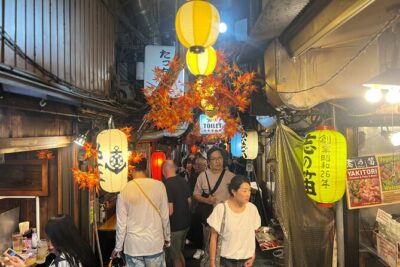 ★ 5.0Shinjuku Food Tour (13 Dishes at 4 Local Eateries)From $866,603 reviews
 ★ 4.4Tokyo Mt Fuji 5th St & Hakone Cruise Bus Tour w/Bullet TrainFrom $1545,024 reviews
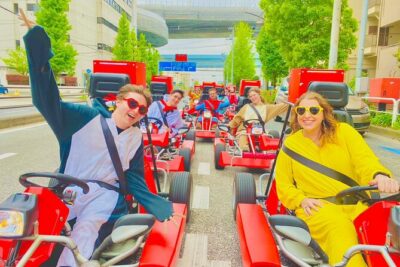 ★ 5.0Flagship 2-Hours Official Street Go-Kart Tour – Tokyo Bay ShopFrom $644,974 reviews
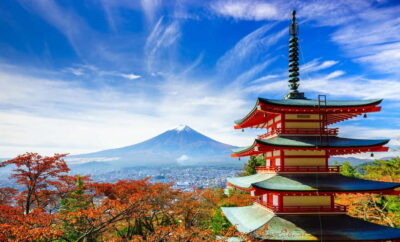 ★ 4.5From Tokyo: Mount Fuji Full-Day Sightseeing TripFrom $684,970 reviews
This tour also belongs to