
Review · TOKYO SUMO EXPERIENCES
Tokyo Sumo Morning Practice: Viewing & Exclusive Interaction
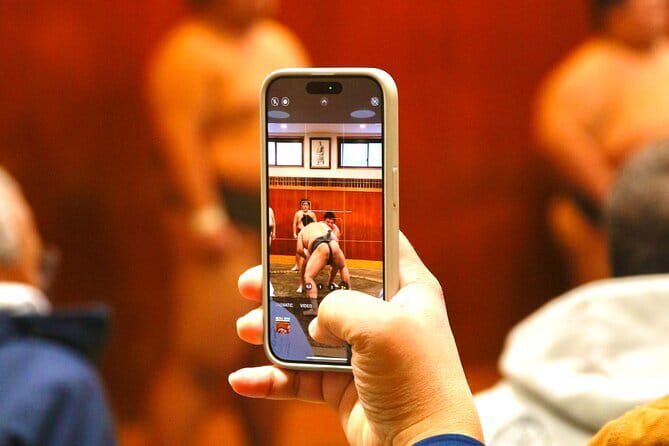
Dawn sumo feels like backstage Japan. I love the close-up training and the official Banzuke you receive as a souvenir, and the one real consideration is the early-morning start plus the rules about staying quiet and no flash.
This tour is built for comfort, too, with zabuton cushions up front or stools at the back so you can choose what works for your body. Best of all is the exclusive interaction after practice, where your guide helps you ask wrestlers about life, training, and mindset.
Key Things You’ll Notice on This Tokyo Sumo Morning Practice Tour
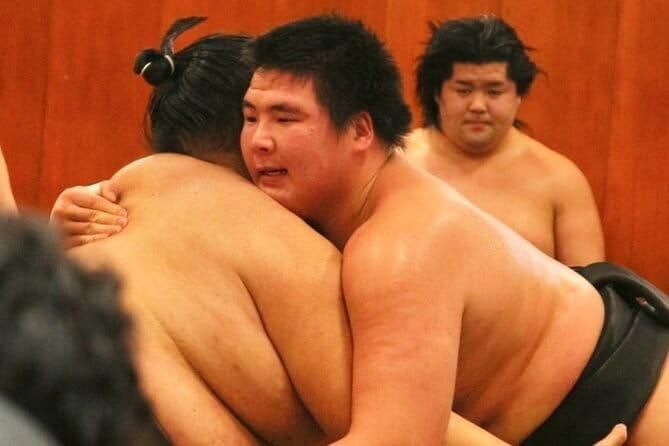
- A real stable visit, not a staged show, with professional training in an active setting
- Flexible seating: zabuton floor cushions in front, stools farther back
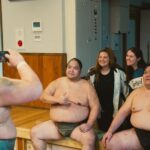
- Wrestler interaction: guided Q&A plus commemorative photos directly with active wrestlers
- Official souvenir: you leave with an authentic Banzuke ranking sheet in a special folder
- Final Q&A at the park to answer your sumo questions before you head off for sightseeing
Where This Starts, and Why the Location Matters (Narihira Park, Sumida)
Tokyo sumo starts early, and that is exactly why this tour feels different from anything you see later in the day. You begin near the multipurpose restroom at Narihira Park, where your English-speaking guide checks your name and sets the tone with key manners and viewing rules.
This part matters because sumo is not just physical. It is highly ritualized, and that can be confusing if you arrive cold. Your guide helps you get your bearings fast, so you know when to watch, when to stay quiet, and what your photos should respect.
One more practical note: transportation to the meeting point is not included. Plan to get yourself there on your own, then you can relax once the tour starts.
More Tokyo tours and experiences for the shortlist
Walking Into the Stable, Seating Rules, and the Etiquette That Counts
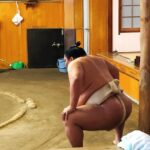
After introductions at the park, the group takes a short walk to an active sumo stable. This is where the tour delivers its main value: you are close enough to feel the intensity of morning training, but you are also guided on how to behave in a place that treats practice as serious work.
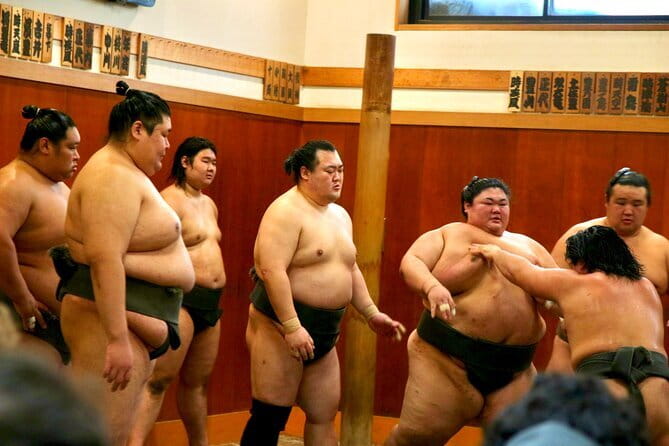
Inside, you get a real choice for comfort. You can sit on traditional zabuton cushions in the front row for the closest view, or use the stools available at the back if you do not want to sit on the floor. I like that setup because sumo practice can be intense to watch, and you should not be fighting your legs the whole time.
You also get clear do’s and don’ts. Food is not allowed, and flash photography is not allowed. Video and audio recording are also prohibited, which keeps the moment respectful and focused on training, not content creation.
Watching Warm-Ups and Practice, What You’re Actually Seeing
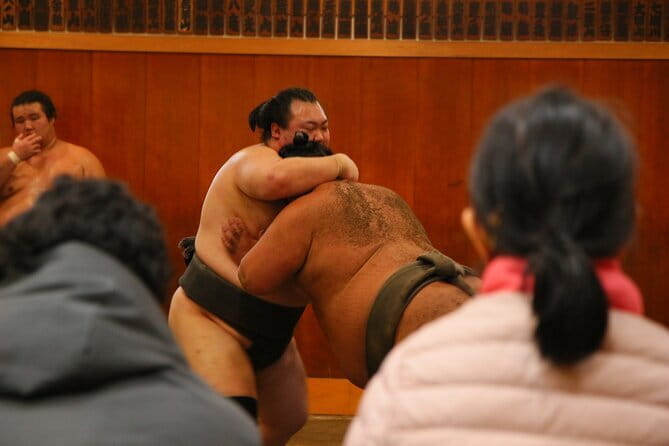
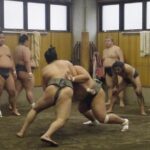
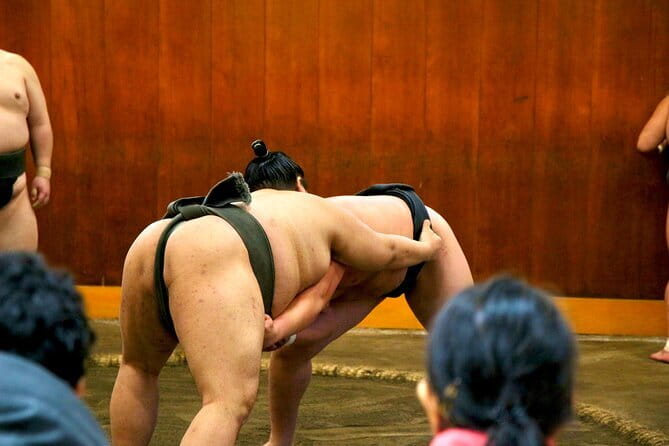
This is a live training session, so the rhythm is different than a performance. You are there for warm-ups and practice, with the kind of intensity that makes you understand why sumo wrestlers train so relentlessly.
You will notice the bodies, the speed, and the repetition of technique. Even if you do not know every term, you can pick up the structure: they prepare, they practice key movements, and they sharpen timing. And because you are in an active stable, you get the sense of routine, not showmanship.
During the Grand Sumo Tournament period (about two weeks in Jan, May, and Sept), practice starts 30 minutes earlier, and your viewing time is about 1 hour. If you are traveling in tournament season, keep that in mind when you plan breakfast or nearby sightseeing.
One gentle reality check: this is a quiet space with strict rules. You are there to watch and learn, not to snack, talk loudly, or treat it like a casual photo stop.
The Part That Makes It Worth It, Wrestlers Q&A and Photos Up Close
The biggest reason people love this tour is the exclusive interaction. After practice, your guide sets up time for you to directly talk with active wrestlers and take commemorative photos together.
This is not a vague meet-and-greet where you get a quick wave. Your guide helps translate questions so you can ask about what daily life looks like, how training works, and what the wrestlers think about mindset and goals. If you like learning how athletes actually live, this is the section that delivers.
You can see how much this matters in the way the guides are described in feedback. Names like Haru, Sana, Momo, Sarah, and Ryoko show up for being friendly and professional, with a clear ability to explain sumo traditions in a way that makes sense. That guidance matters because wrestlers can answer a lot, but only if your questions are shaped right.
A fun detail you might encounter, based on past experiences, is that some sessions include additional interaction like a chance for certain participants to try something basic in the ring area with professionals. It is not guaranteed in your provided details, so treat it as a possible bonus, not a promise.
Photo-wise, you are allowed to take pictures, just stay quiet during practice and follow the seating and flash rules. That means your photos will feel more like documentation than disruption.
The Banzuke Souvenir and the Park Closing Session
After the stable visit, you head back to Narihira Park for a special closing. This is where you receive an official Banzuke ranking sheet, presented in a specially designed souvenir folder.
If you care about authenticity, the Banzuke matters. It is a real piece tied to the sport’s structure, not a generic picture souvenir. It also gives you something tangible to remember what you just saw, especially if you plan to catch a tournament game later.
Instead of rushing off to a meal, you get a longer Q&A time at the park. Your guide stays and handles questions about sumo traditions, plus practical tips that can help with the rest of your day in Tokyo. The tour wraps up around 11:00 AM, which is early enough to still enjoy a full morning of sightseeing afterward.






Timing, Tournament Days, and How to Plan the Rest of Your Morning
This is a 3-hour experience, and it is designed around the early training window. You start at Narihira Park, move to the stable, and then return to the park for the closing and souvenirs.
You also want to plan around the rules. Since food is not allowed during the tour, eat beforehand if you need breakfast. If you wait until after, you will have time after the tour ends around 11:00 AM to find something nearby and slow down.
If you are visiting in tournament season, practice begins earlier and your viewing window may be shorter, about one hour. That can change the pace, but your guide will still walk you through what to notice, and you will still get the interaction, souvenir, and Q&A time.
One more planning detail: the tour includes stable visit access and guidance, but transportation is not included. Factor that into your schedule so you are not rushing to reach the meeting point.
Price and Value, What $93 Actually Buys You
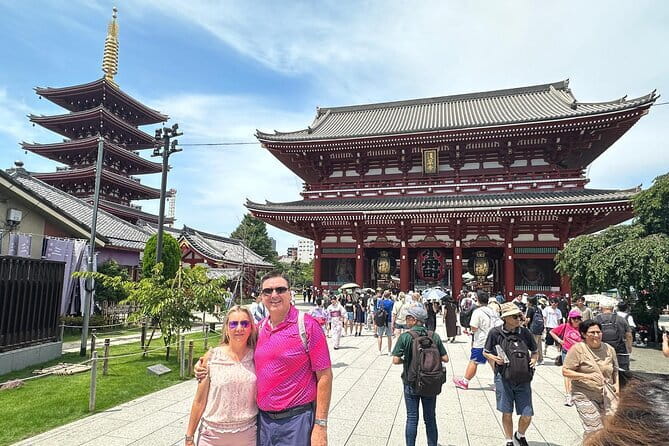
At $93 per person, this tour is not a bargain-bin activity. It is a premium, early-morning experience. So the question is value, not just cost.
Here is what you get for that price:
- Access to an active sumo stable session, where close viewing is typically hard for regular visitors
- An English-speaking guide who explains the sport’s rituals and etiquette so you understand what you are seeing
- Time for exclusive interaction with active wrestlers, including Q&A and photos
- An official Banzuke ranking sheet souvenir in a special folder
- A final deep Q&A at the park to answer questions you still have after practice
When a tour pays for access and then adds real interaction, that is where the value comes from. This is not priced like a casual sightseeing stop. It is priced like a limited-access cultural morning with a souvenir and translation support.
If you love sports, culture, and the human side of discipline, this price can feel fair. If you only want a quick spectacle, there may be cheaper options, but they usually do not include the same level of direct conversation and stable-level access.
Who Should Book This Tokyo Sumo Morning Practice, and Who Might Skip It
This tour is a strong fit if you:
- Want authentic access to active training rather than a staged show
- Like asking questions and understanding what you are watching
- Are comfortable sitting on floor cushions or using stools
- Prefer a cultural morning that ends around 11:00 AM so you can keep exploring
It is not the best fit if you:
- Do not want to follow strict rules about quiet behavior and no flash
- Need food during the activity (food is not allowed)
- Are traveling with kids under 6 years (not suitable)
Also, if you are very sensitive to early starts, plan your night before. Tokyo can run late, and this kind of morning benefits from a good sleep.
Practical Checklist Before You Go (So the Rules Don’t Surprise You)
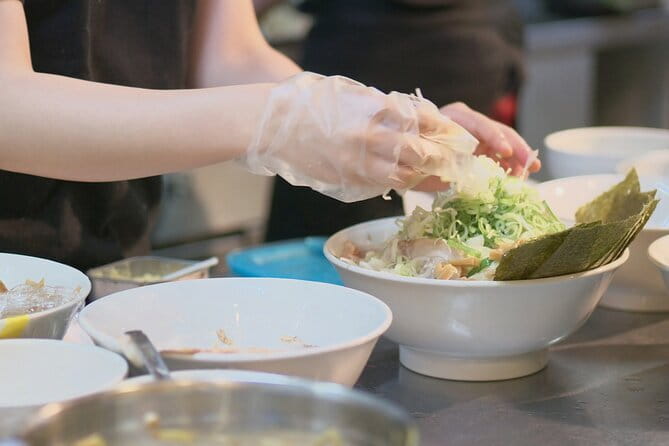
The rules here are straightforward, but they matter. Here’s what I would prepare so nothing disrupts the experience:
- Dress for a cool early morning, since practice happens before the day really warms up
- Bring your camera, but remember no flash and no video or audio recording
- Keep your phone on silent and stick to quiet during the practice portion
- Skip food during the tour since food is not allowed
- Double-check that you can comfortably sit on zabuton cushions or use the provided stools
If you want great photos, arrive mentally ready for motion and low-light conditions. You cannot rely on flash, so good timing matters more than gear.
Should You Book This Tour or Choose Another Sumo Option?
Book it if you want the sumo morning experience for what it really is, training with rituals, close viewing, and a real chance to talk with active wrestlers. The official Banzuke and the guided Q&A at the end are not add-ons. They are part of why this tour feels complete.
Skip it if you want a lazy start, or if you only care about photos with zero instruction and zero rules. This tour is designed for respectful viewing and learning.
If you have even a mild curiosity about how sumo works beyond match day, this is one of the most direct ways to understand the sport in a short window of time.
FAQ
Where does the tour meet?
Meet near the multipurpose restroom at Narihira Park. Your guide checks your name there and explains important manners and rules.
How long is the Tokyo sumo morning practice tour?
The tour lasts about 3 hours.
Is transportation included to the meeting point?
No. Transportation to Narihira Park is not included.
What is included in the price?
The price includes the sumo stable visit fee, guidance by an English-speaking guide, and a special souvenir.
What souvenirs do I receive?
You receive an official Banzuke ranking sheet in a souvenir folder.
Can I take photos and videos?
Photography is allowed, but flash photography is not allowed. Video recording and audio recording are not allowed.
Is food allowed during the tour?
No, food is not allowed.
Does the schedule change during the Grand Sumo Tournament?
Yes. During tournament periods (about two weeks in Jan, May, and Sept), practice starts 30 minutes earlier, and viewing time is about 1 hour.
Is this tour suitable for children?
Children under 6 years are not suitable for the tour.
More Morning in Tokyo
More Tour Reviews in Tokyo
Not for you? Here's more nearby things to do in Tokyo we have reviewed












Tokyo Sumo Experiences, side by side.
 ★ 4.8Sumo Show and Dining ExperienceFrom $792,742 reviews
 ★ 5.0the SUMO showFrom $891,960 reviews
 ★ 5.0Tokyo Shinjuku Sumo Show & Experience with PhotoFrom $791,750 reviews
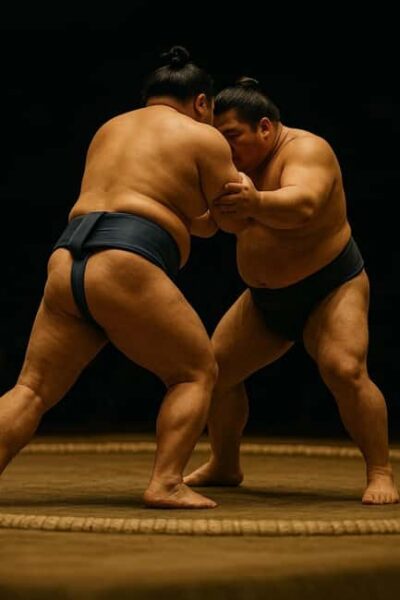 ★ 4.8Sumo Show and Experience in ShinjukuFrom $691,001 reviews
 ★ 4.7Luxury Sumo Show Experience & Japanese cuisine & DrinkFrom $103577 reviews
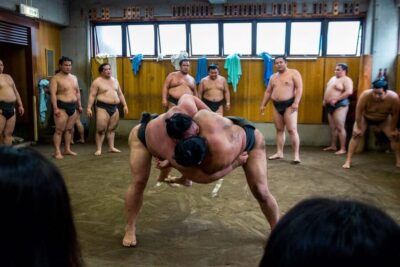 ★ 4.8Sumo Morning Practice Viewing TourFrom $81570 reviews
 ★ 4.8Tokyo Sumo Experience: Chanko & Mochi with a Former ProFrom $103567 reviews
 ★ 5.0Ultimate Sumo Tournament: Tokyo, Osaka, Nagoya, FukuokaFrom $184468 reviews
This tour also belongs to