
Review · MOUNT FUJI TOURS
Tokyo To Mount Fuji Private English Guided Day Tour
Mount Fuji is easier with a private plan. You get hotel pickup, an air-conditioned ride, and a route built around your day instead of a rigid bus schedule. The big payoff is close-up Fuji views from classic stops like Subaru Line 5th Station, plus the Fuji Five Lakes area when the sky cooperates.
I especially like the hotel pickup and the no-stress logistics, so you spend the day looking at Fuji, not figuring out trains. You also get an English-speaking driver/guide who can help you move through each stop at a human pace. One possible drawback: during certain times, road access to the higher Mt Fuji areas can be restricted for private cars, which can change what you can reach by car.
Key points that help you decide fast
- Private, up to 6 people: great value if you’re traveling as a small group with friends or family.
- Hotel pickup and drop-off: no meeting-place scramble, just meet your driver.
- English-speaking driver/guide: useful for navigating time, options, and questions on the go.
- Fuji-focused stops: Subaru Line 5th Station, Lake Kawaguchiko, Oshino Hakkai, and more.
- Some admission fees not included: you’ll pay for Mt Fuji 5th Station and a couple optional paid sites.
A private Tokyo to Fuji day: why it feels less stressful
A day trip to Mount Fuji can turn into a logistics puzzle fast. Trains change, buses fill up, and the most popular viewpoints come with strict timing. This tour cuts through that. You start with pickup in Tokyo and ride in a private, air-conditioned vehicle, which matters in summer heat or winter chill.
The route is also described as flexible and shaped around your preferences. That flexibility is what makes a private day tour work better than a one-size-fits-all itinerary. You can give input on where you want to spend time, and you do not have to trade your comfort for someone else’s timeline.
The other practical win is that it’s English-friendly. You get an English-speaking driver/guide, not just a driver who hands you a list. When you’re trying to decide what to do at Lake Kawaguchiko, how long to linger at the shrines, or what to prioritize if weather turns, that human guidance helps.
Tokyo pickup and getting there comfortably in an air-conditioned vehicle
This is built around comfort from the start. You’re picked up (you send your pickup address in special requirements), and the tour includes pickup and drop-off. Even though the written start point is Tokyo Station, the day is designed around getting you from your hotel to the Fuji region without a transfer circus.
Riding private also helps because the Fuji area is not one single spot. Your day naturally hops between viewpoints, lakes, and viewpoints-with-a-side-of-museums, and that’s when being in a car is a win. The tour includes highway tolls, gas, and an air-conditioned vehicle, so you’re not constantly wondering what’s included or what needs a separate payment.
One small detail to keep in mind: the tour runs about 10 hours. That’s plenty for multiple stops, but it’s still a full day. If you want slow, lingering pacing at every location, you’ll need to pick your priorities. Think of this as a curated day with breathing room, not a relaxing resort day.
You can also read our reviews of more guided tours in Tokyo
Stop 1, Mt Fuji Subaru Line 5th Station, the close-view target
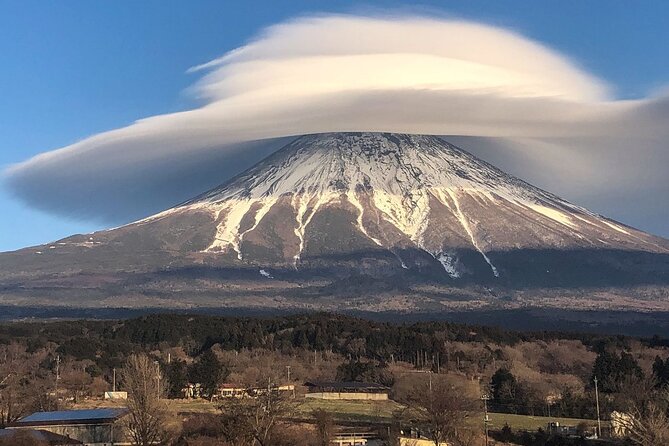
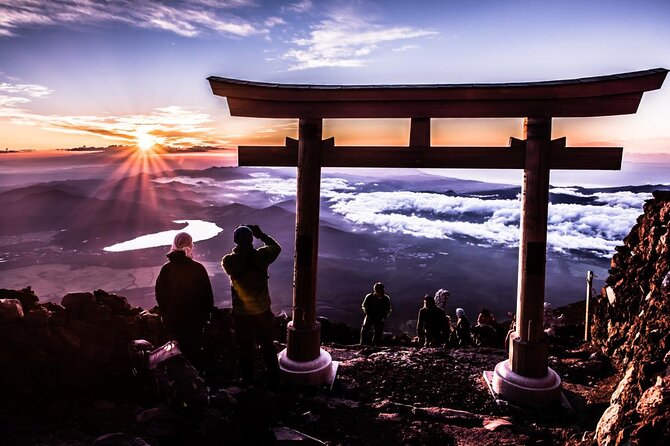
The day’s first big Fuji moment is Mt Fuji Subaru Line 5th Station, at roughly 2,300 meters above sea level. This is a classic spot because you get a close view of the mountain when visibility is good. The description is blunt for a reason: you’ll have the best shot when it is not rainy and the weather is clear.
Plan for souvenir time here. There are lots of shops and small stalls near the station, and climbers often treat this stop as a key staging point. You get about 1 hour at this stop, and the entrance ticket is not included.
Practical reality check: even with a great guide, mountain weather can change quickly. If clouds roll in, the time can feel shorter, so use that hour smartly. I’d treat it as a photo, stroll, and quick orientation window, then be ready to pivot if the view isn’t perfect.
Also, remember this is the main place where road access can sometimes be affected by seasonal rules. One of the few detailed feedback points tied to a disappointment was that car access can be limited at certain times of year. If you’re booking with strong expectations about reaching the exact higher-access spots, it’s smart to hold a flexible mindset and be prepared for an alternative approach if access restrictions apply.
Lake Kawaguchiko: the Fuji Five Lakes area, with optional fun
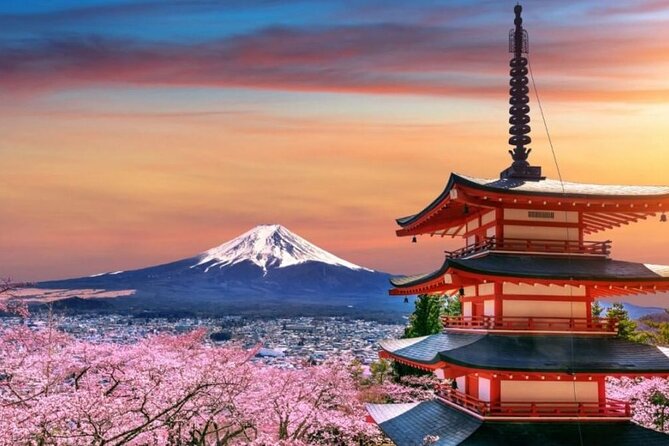
Next up is Lake Kawaguchiko, often called a gateway to the Fuji Five Lakes region. This is one of the best places to get that postcard Fuji reflection effect, and it has a lot of options beyond just standing and looking.
You get about 1 hour here, and admission is listed as free. That’s helpful because you can decide how you want to spend the time:
- You might browse the lakeside and aim for the clearest Fuji views.
- If you want an activity, the area is known for things like a ship cruise and a ropeway/cable car to Kachi Kachi Mountain, depending on what’s operating and what fits your timing.
This is also a good stop for a reality check on the day’s weather. If Fuji is visible clearly from here, your later viewpoints are more likely to deliver too. If the clouds are thick, focus on the calmer parts of the experience, like lakeside walks and photographing the mountain from different angles rather than chasing one exact view.
Oshino Hakkai: eight ponds that show how snowmelt feeds the area
Then you’ll head to Oshino Hakkai, known as the Eight Seas of Oshino. This stop is compact in time, but it’s meaningful. The ponds are part of the Fuji Five Lakes area, and the water feeding the ponds comes from snowmelt from Mount Fuji.
The description also notes that the area was once the site of a former sixth lake that dried out centuries ago. So you’re not just seeing a pretty scene, you’re seeing a natural system that has shaped the region long before modern tourism.
You get about 1 hour, and admission is free. The best way to enjoy this stop is to slow down for a few minutes and watch the water and surroundings as you move between viewpoints. It’s one of those places where the best photos often come from simple angles taken after you’ve walked a bit.
One caution: because it’s a popular Fuji add-on, it can be busy. With a private day, you’re not stuck shoulder-to-shoulder for the whole route, but it still helps to pick a time-of-day stance. If you can, take your photos early in the hour and then use the second half for strolling and soaking in the calm.
Kitaguchi Hongu Fuji Sengen Jinja and Oishi Park: culture plus payoff views
After Oshino Hakkai, the tour adds a shrine stop: Kitaguchi Hongu Fuji Sengen Jinja. This shrine is said to have started around 100 A.D., connected to a visit by Prince Yamato Takeru-no Mikoto while traveling toward Kai Province from Hakone. It’s a quick 30-minute stop and admission is free.
This is a nice breather. In a Fuji day that mixes lakes, viewpoints, and shopping, a shrine stop adds texture. You also get a moment where you’re not just chasing the tallest mountain view, you’re experiencing the local spiritual geography that surrounds it.
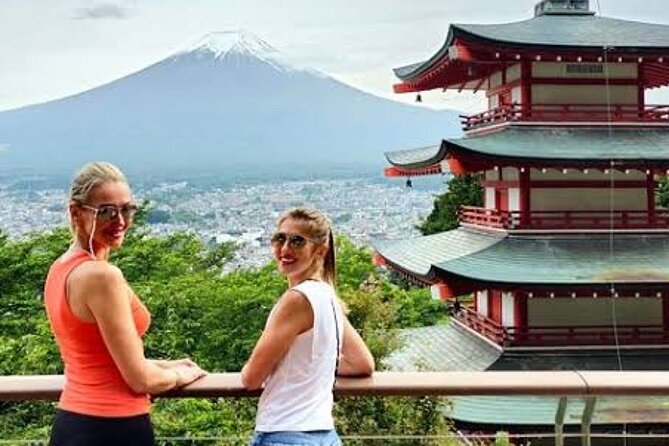
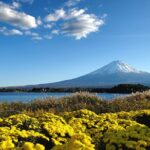
From there, the day moves to Oishi Park on the north shore of Lake Kawaguchiko. This one is basically a views-and-walks stop. It’s described as offering a superb view of the lake and Mt. Fuji at once, and the lakeside promenade has flowers that bloom depending on the season. You’ll get about 1 hour, and admission is free.
If you care about photography, Oishi Park is often where the “turn your head left, then right” payoff happens. You can take a few minutes to find a viewpoint that matches the light and then keep moving along the promenade so your photos change naturally.
You can also read our reviews of more private tours in Tokyo
Arakurayama Sengen Park: a short stair hike with a city and Fuji view
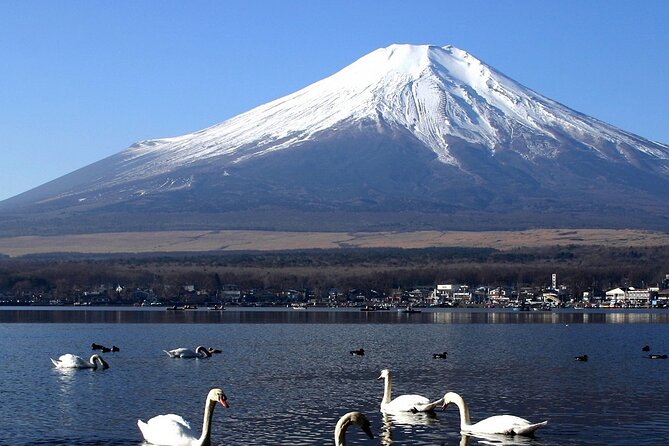
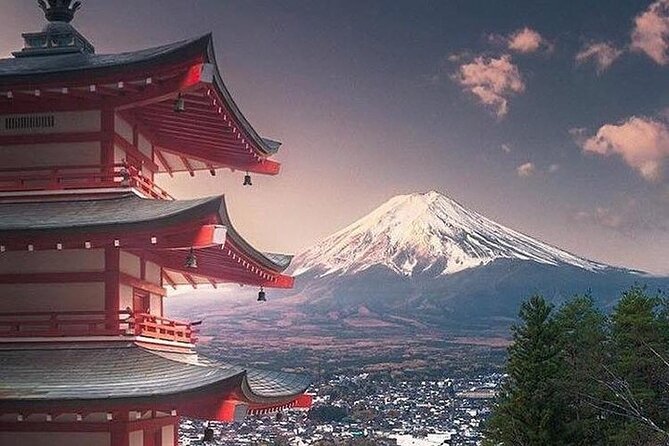
Next comes Arakurayama Sengen Park. This is a viewpoint that involves a short uphill climb. The park starts at the base of Mt. Arakurayama and rises toward an observation deck after about 398 steps. Once you get up, you look out over Fujiyoshida City with Mt. Fuji in the view.
You get about 30 minutes, and admission is free.
This is the stop I’d prioritize if you want something a little more active. It’s not a full hike, but it’s definitely not flat. Wear shoes you’re comfortable walking in, and if you’re sensitive to stairs, go a bit slower and pace yourself. The top payoff is worth it because you’re getting a different angle than the lake stops.
If the weather is cloudy, the steps still make sense because you’re climbing toward an observation point. But if rain starts, this is the kind of stop where you might want to shorten your time at the top to avoid getting stuck in slippery conditions.
Gotemba Premium Outlets: shopping time near Mt Fuji
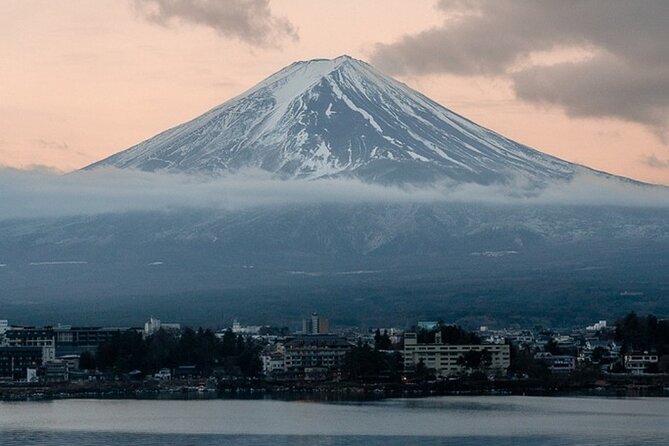
After the Fuji viewpoints, the day adds Gotemba Premium Outlets. This is a break from “nature only” and gives you an easy option for buying gifts, snacks, or just using your hands for something besides photography.
It’s about 1 hour and admission is free. The outlet mall has over 200 stores and it opened on July 13, 2000.
Is it essential? Not for everyone. But for many people, it’s a practical stop. You’re in Japan for a limited number of days, and outlet time can be a low-effort way to pick up branded items or souvenirs without hunting through Tokyo neighborhoods.
If you’re traveling with someone who doesn’t care about viewpoints, this store stop is a useful compromise. If you only care about maximizing Fuji time, you might find this hour better spent elsewhere. The good news is that because the route is described as flexible, you may be able to discuss adjustments to how you spend your day.
Saiko Iyashi no Sato Nemba: a traditional village setting with an outdoor feel
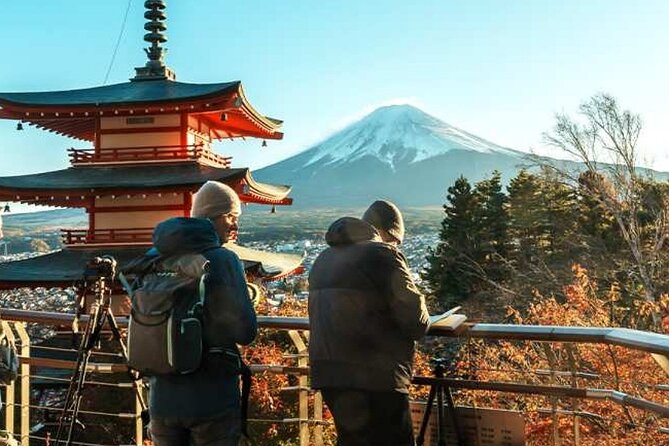
The final named stop is Saiko Iyashi no Sato Nemba on the western shores of Lake Saiko. This is described as standing on the site of a former farming village that was destroyed by a landslide during a typhoon in 1966. Forty years later, the village was rebuilt in a way that preserves the area’s old farming-village character.
You get about 1 hour, and admission is not included.
This stop can be a good way to end the day because it shifts you from “viewpoint mode” to “story mode.” Even if you’re not into museums, the setting helps you understand how people lived around Fuji, not just how tourists take pictures of it.
That said, if your priority is purely Mount Fuji spotting, this is the stop most likely to feel optional. Choose how much you want to lean into cultural context versus chasing the day’s last clear view of the mountain.
Price and value: $411 per group, up to 6, and what that buys you
The price is $411 per group (up to 6 people) for about 10 hours. That structure matters. If you split it:
- With 6 people, it can work out to roughly $69 per person.
- With 4 people, it can feel more like $100 per person.
For a private day with hotel pickup, highway tolls, gas, and an English-speaking driver/guide, that’s often the kind of pricing where it makes sense to travel with a group. Two people can still find it worth it, especially if you hate the hassle of mixing transit and timed buses. But the best value is naturally when you can fill more seats.
Also keep in mind what’s not included. Mt Fuji 5th Station admission and some other entry fees are not included, and food and drinks are on you. That’s not a dealbreaker. It just means you should budget for a couple of small purchases during the day, especially if you want to eat without rushing.
One more real-world note: the tour is described as being booked on average 72 days in advance. If your dates are tied to a specific travel window when Fuji viewpoints are likely to be clear, booking earlier gives you more options.
Who this tour fits best, and who might want a different plan
This is a strong match if you want:
- A private, English-friendly day without train changes or bus lines.
- Multiple classic Fuji Five Lakes stops in one go.
- A group size up to 6 where you can split the per-group cost.
- A flexible approach where you can shape your time based on weather and your interests.
It may be less perfect if you are:
- Traveling solo with a tight budget and no interest in a private car experience.
- Expecting that the car will always reach every higher-access Mt Fuji point in every season. Road access can be restricted at times, and you may need to accept adjustments.
Practical tips to make the day work smoothly
Fuji days run on weather and timing. Here are the choices that usually matter most.
Think in layers and comfort, not just style. At higher elevations like Mt Fuji 5th Station, conditions can feel different from Tokyo. Wear shoes that handle steps and uneven ground.
Bring a plan for meals. Food and drinks are not included. You’ll likely want a simple plan for lunch and snacks so you don’t end up hunting during the busiest moments at lakes and parks.
Prioritize your photo goal early. If Mt Fuji is visible, take advantage of it at the first couple of viewpoint-heavy stops. If it’s cloudy, pivot to shorter walks and indoor or low-pressure stops like shrines and village settings.
Ask your guide what’s realistic for the day. A private driver/guide can help you decide what to emphasize if conditions shift.
Should you book this Tokyo to Mount Fuji private day tour?
Book it if you want a stress-free, private day that hits the classic Fuji sights, with hotel pickup and an English-speaking guide handling the driving and logistics. It’s especially worth it when you have 3 to 6 people, because the per-person value improves fast.
Skip it or approach with flexibility if your trip depends on reaching specific higher-access areas by car no matter the season. Road access rules can change what’s possible, so treat the day as a Fuji region sampler, not a guaranteed exact path to the top of the mountain.
If you’re coming to Japan for the Fuji story and you’d rather spend your energy on views, walks, and a few special stops, this is a solid way to get it done in one day.
More Guided Tours in Tokyo
More Tours in Tokyo





More Tour Reviews in Tokyo


Not for you? Here's more nearby things to do in Tokyo we have reviewed












Mount Fuji Tours, side by side.
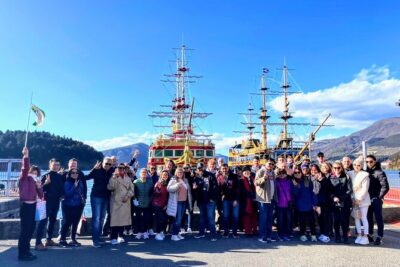 ★ 5.0Mt Fuji and Hakone 1-Day Bus Tour Return by Bullet TrainFrom $16326,383 reviews
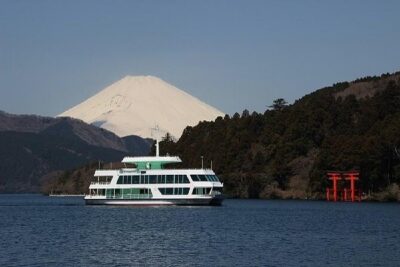 ★ 4.0Mt Fuji & Hakone Cruise, Drum Show Bullet Train 1 Day from TokyoFrom $1497,413 reviews
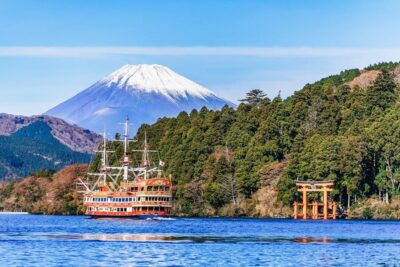 ★ 4.4Tokyo Mt Fuji 5th St & Hakone Cruise Bus Tour w/Bullet TrainFrom $1545,024 reviews
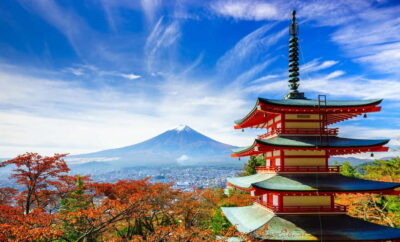 ★ 4.5From Tokyo: Mount Fuji Full-Day Sightseeing TripFrom $684,970 reviews
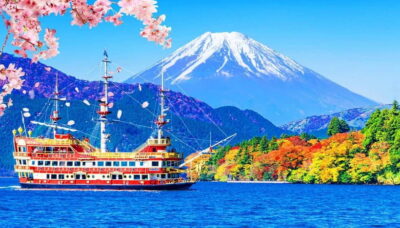 ★ 4.7Mt. Fuji Tour, Hakone Ropeway, Owakudani, Lake AshiFrom $544,002 reviews
 ★ 4.2Mt. Fuji 5th Station & Hakone Cruise 1-Day Bus TourFrom $1292,381 reviews
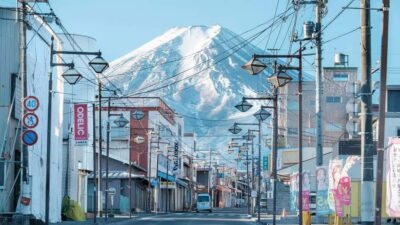 ★ 4.7Mt Fuji Top 5 Spots Day Tour: Arakurayama Park,Oshino HakkaiFrom $532,066 reviews
 ★ 5.0Private Tour to Mt. Fuji and Hakone (Fully Licenced Operator)From $4971,910 reviews