
Review · TOKYO CITY TOURS
Tokyo: Tokyo Private Day Tour With Guide
Tokyo can be a blur, fast. This private day tour strings together the city’s biggest contrasts, from temple incense and imperial gardens to Skytree views, Harajuku oddities, and the Shibuya scramble, all with an English-speaking guide like Moon or Imran.
I especially like the way the day is paced. You get enough time at Tsukiji Outer Market to actually eat and wander, then you switch gears to calmer spaces like the Imperial Palace East Gardens and Meiji Jingu, instead of doing nonstop street-hopping.
One drawback to plan for: it is a lot of ground in 10 hours, including pickup and drop-off. If you are hoping for deep, slow study at each stop, you may want to customize or cut one neighborhood to give yourself breathing room.
Key things that make this Tokyo day feel worth it
- Private and adjustable: you can shift the order or add small interests, instead of being stuck on a fixed bus-tour script.
- Comfort beats subway chaos: an air-conditioned vehicle, WiFi onboard, and bottled water keep the day from feeling like punishment.
- A smart mix of Tokyo types: seafood market vibes, sacred stops, youth culture, and neon crossings, all in one run.
- Skytree as a real reset: the skyline stop helps you understand where everything sits before you tackle the shopping streets.
- Guide names you’ll see often: Moon and Imran come up again and again for friendly, patient guiding and smooth communication.
- Lunch is on you: admission and meals are not included, so budgeting matters if you want premium bites at each neighborhood.
Why this private Tokyo day tour works better than DIY
Tokyo is easy to get around, but hard to get right in one day. You can totally DIY it, but you spend energy on maps, station changes, and figuring out which line gets you closest to the exact entrance you want. This tour trades that stress for a smooth, private route and a guide who helps you understand what you are looking at while you are looking at it.
The other big win is balance. The stops are designed to move between moods. You start with food and busy market streets, switch to quiet imperial and shrine grounds, then end with the modern neon energy of Harajuku and Shibuya. That pattern helps your brain keep up, and it makes the day feel like Tokyo instead of a checklist.
The final practical advantage is flexibility. In practice, the guide style is what matters: people describe pacing that does not feel rushed, guides who help with practical questions, and the ability to adjust based on your group. If you have kids, older relatives, or a mobility issue, that kind of pacing can be the difference between a memorable day and a tiring one.
You can also read our reviews of more guided tours in Tokyo
Setting off right: pickup, comfort, and the 10-hour reality
This is a 10-hour experience that includes hotel pickup and drop-off. You will meet your driver in the hotel lobby about 5 minutes before the scheduled time, and the driver contacts you before arrival. The company also notes that traffic can cause delays of up to 30 minutes on highways, so I treat the start as flexible, not rigid.
On board, you get an air-conditioned vehicle plus WiFi and bottled water. That sounds small, but it matters in Tokyo heat and humidity. You will be grateful for cold air during market hours and comfortable seating when you are going from temple to tower to shopping streets.
As for group size, the price is per group up to 5 people. That matters for value. If you are traveling as a family or a small friend group, you spread the cost across people and can end up paying less than you might expect for a full-day car plus a guide.
Tsukiji Outer Market: the morning you actually want for food
Your day kicks off at Tsukiji Outer Market, the lively outer area where you can eat and snack your way through seafood and produce. The emphasis here is not on a formal sit-down meal. It is on tasting street food and grabbing quick bites that help you understand why Tokyo is obsessed with fresh ingredients.
I like that the stop is timed at about 1 hour. That is enough time to get a few things, watch the action, and still not feel trapped in a single lane. If you want to sample classics, you will likely find items like grilled seafood skewers and tamagoyaki. Some groups also mention oysters at Tsukiji, which is exactly the kind of Tokyo moment that is hard to replicate on your own without knowing where to go first.
Practical tip: bring some cash. Even if you can pay with cards in many places, market snack culture often favors quick purchases, and you will want options.
Imperial Palace East Gardens: a calm, green contrast
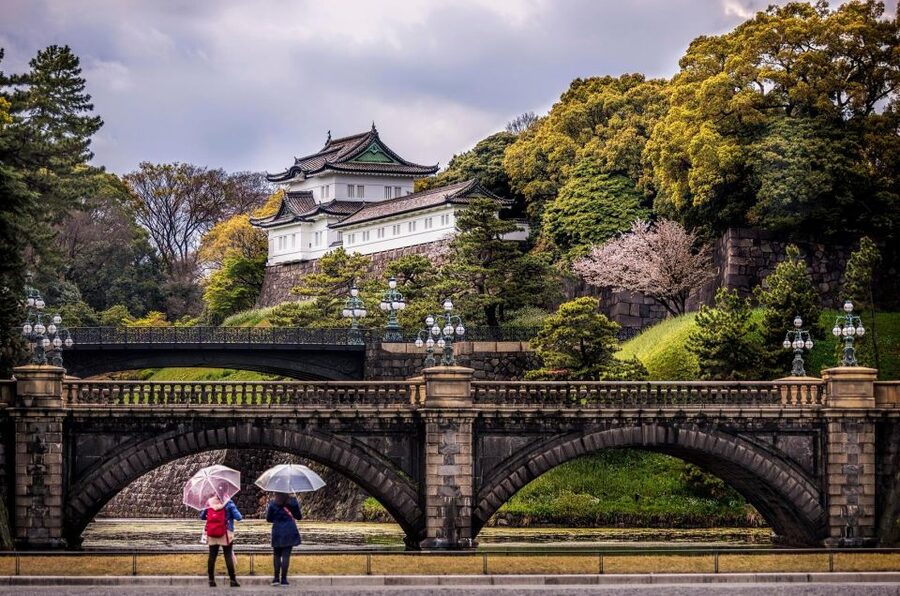
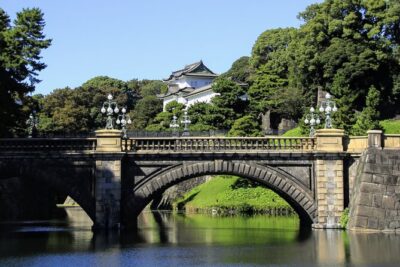
Next comes the Imperial Palace East Gardens, a breather from the city rush. This is the kind of place where your photos look better because you can slow down for a minute. Expect seasonal flowers, old stone walls, and peaceful moats. There are ruins of Edo Castle in the area too, plus scenic palace views you cannot really get from a road-side bus window.
Why this stop works in the middle of a packed day: after the market’s loud energy, you get a softer rhythm. It gives you a reset before you go back into crowds at Asakusa and later into youth culture at Harajuku.
Your guide will also help with what to notice. Even if you do not speak Japanese, you can usually get a lot more meaning out of the grounds when someone points out the story behind what you are seeing.
Asakusa and Senso-ji: incense, lanterns, and Nakamise Street snacks
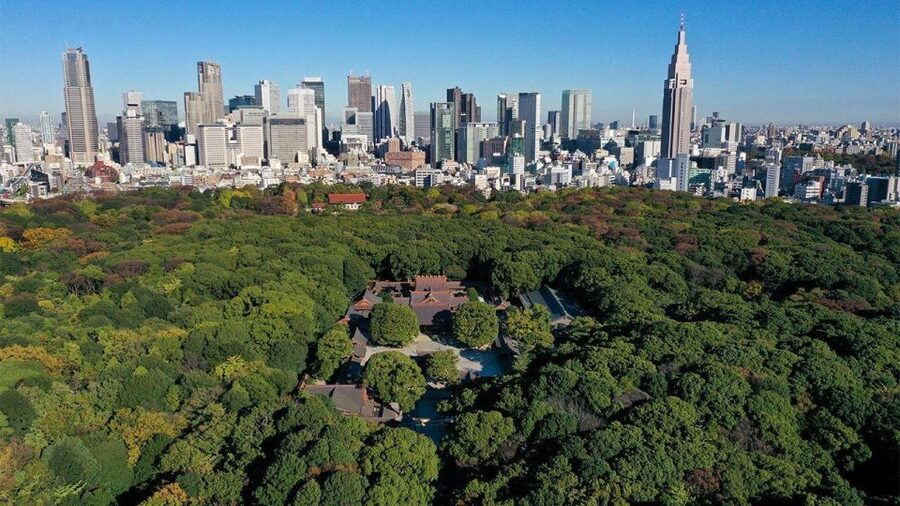
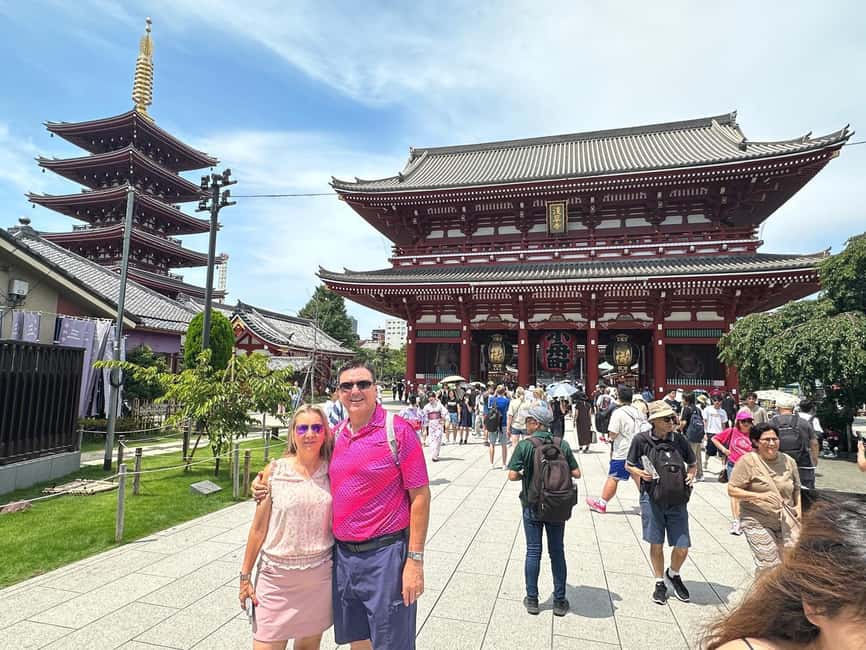
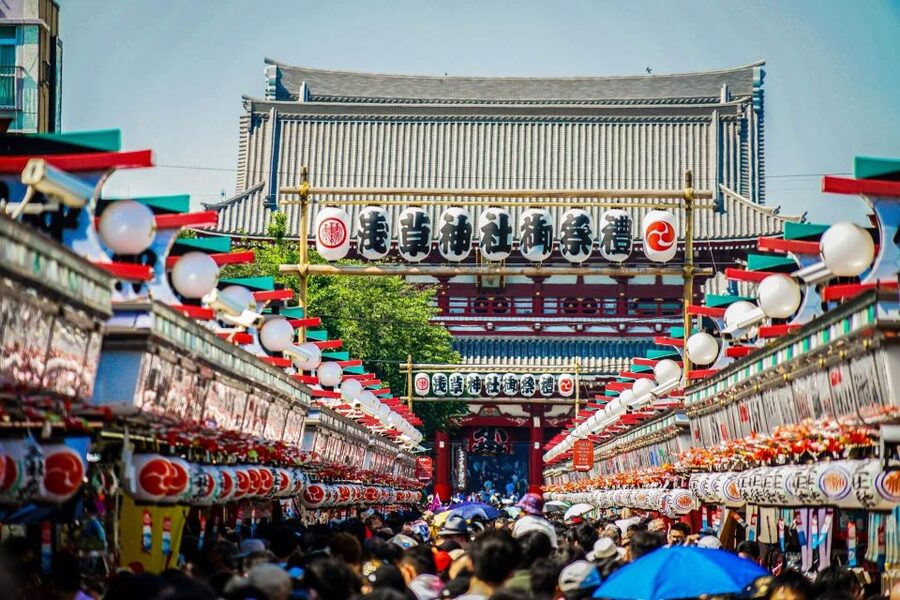
Asakusa is where Tokyo’s old-school spiritual side becomes vivid. You visit Senso-ji Temple, enter through the Kaminarimon Gate with its iconic red lantern, and then wander Nakamise Street for snacks and souvenirs.
What I like here is the rhythm. You can do the sacred part, then take a slow lap down Nakamise for small bites and gift browsing. It is easy to get a little lost in the best way, because every few steps has something worth looking at, from incense rituals to street-level theater.
The stop is about 1 hour, including photos and free time. That is enough for the core temple experience plus a lunch or snack break if you plan it well. If you want lunch, this tour mentions lunch options near the Senso-ji area, so you can match your meal plan to what you are already doing.
If your group includes kids, you will likely find this area keeps attention naturally, because there is so much sensory action.
You can also read our reviews of more private tours in Tokyo
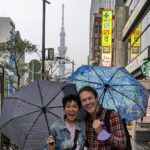
Tokyo Skytree: your best shot at understanding the city layout
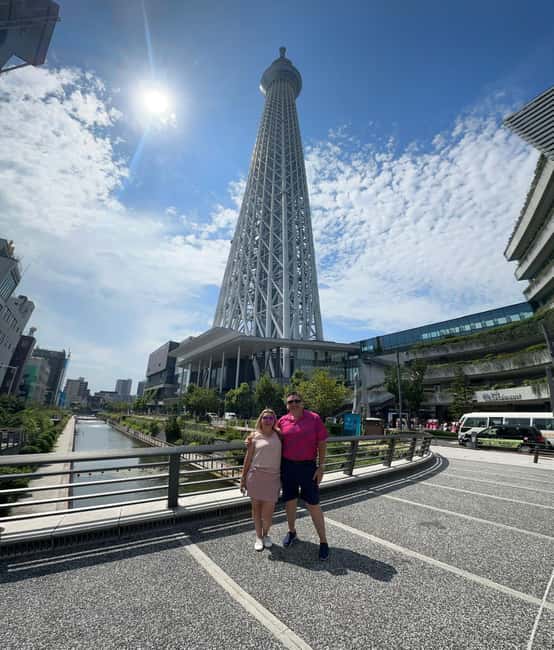
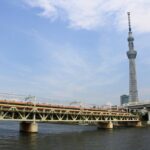
After Asakusa, you go to Tokyo Skytree. This is not just a tower stop. It is a viewpoint that helps you make sense of Tokyo’s sprawl and how far neighborhoods really stretch.
Skytree is 634 meters, and the observation decks offer a panorama that can include Mount Fuji on clear days. The complex also has shopping and dining, so even if you do not spend all your time on the viewing level, you are not stuck waiting around.
Important practical note: entry to Skytree is not included. So if you care about going up, plan for tickets and bring cash if you are booking or buying anything on-site.
The stop is about 1 hour, with a photo stop plus time to visit and enjoy the views. I like this timing because it gives you a “wow” moment without turning the day into a queue marathon.
Meiji Jingu Shrine: a forest pause you will feel in your lungs
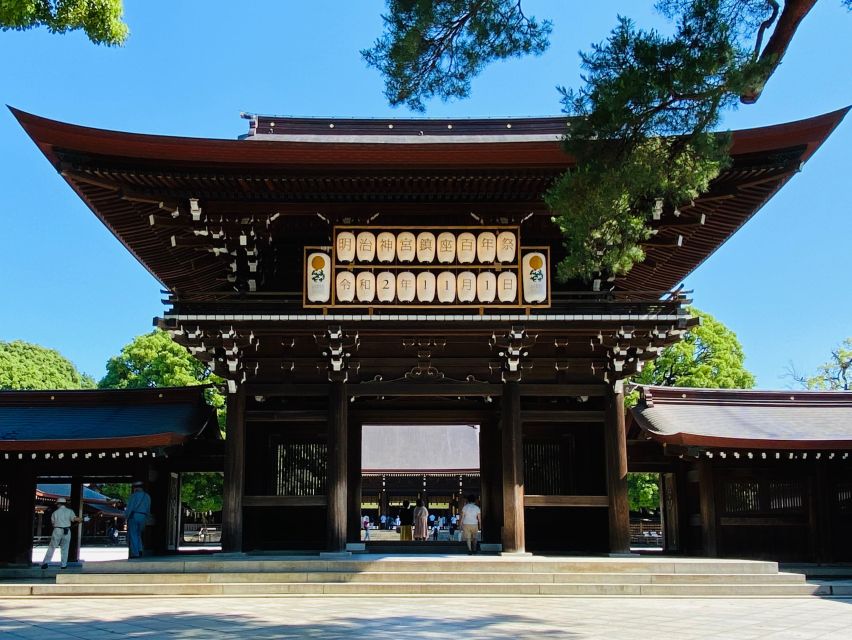
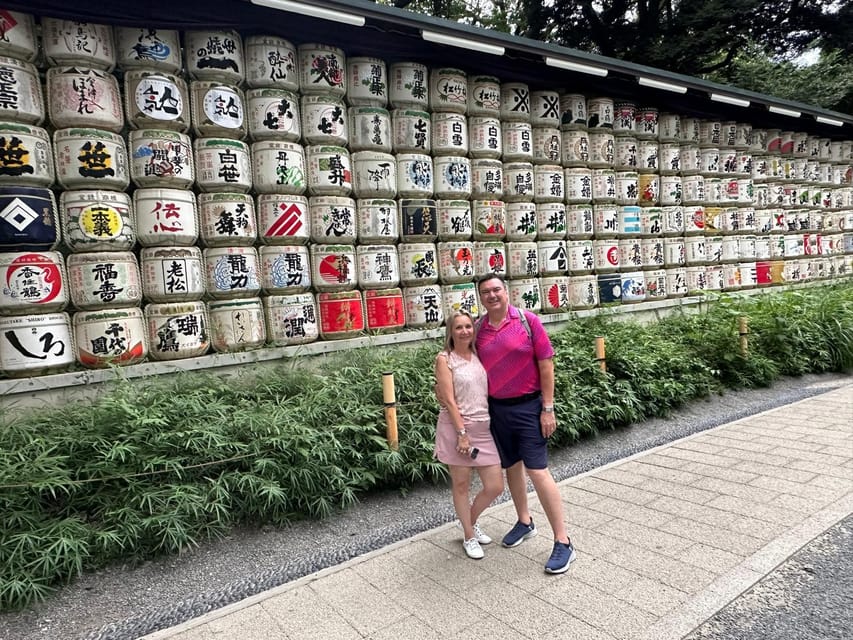
Then it is over to Meiji Jingu Shrine, dedicated to Emperor Meiji and Empress Shōken. The setting is a lush forest, and it changes the soundscape instantly. One minute you are in city motion, the next you are under trees and walking through the torii gates toward the shrine grounds.
This is a great counterweight to the louder neighborhoods later. If you have been photographing neon at night or scrolling city videos, this daytime forest walk will make Tokyo feel real and human again.
You get about 1 hour here, with time for photos and a visit. Even if you do not know the ritual details, the atmosphere carries. And with an English-speaking guide, you usually pick up the why behind common things you notice, like the layout and traditional practices.
Harajuku Takeshita Street: youth culture, crepes, and playful distractions
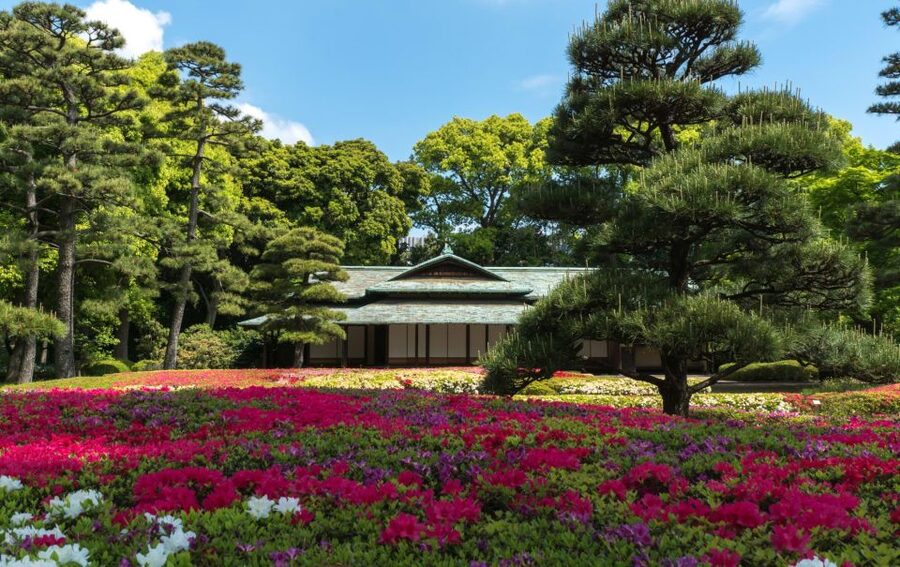
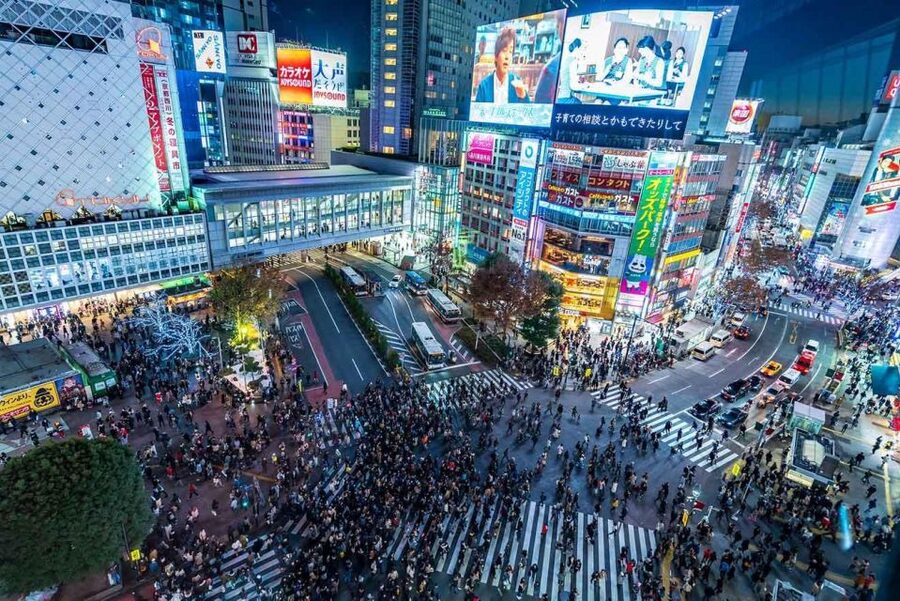
If Imperial and Meiji feel like Tokyo’s quiet breath, Harajuku Takeshita Street is its playful shout. This is youth culture in full color, with quirky shops and fast-moving energy.
Expect it to be crowded, but fun. The street is famous for fashion experiments and pop-culture browsing, and popular snacks like crepes often show up in everyone’s day plans. There are also stories about themed pet cafés in the Harajuku area, including places where you might see animals like cats, dogs, or even hedgehogs.
Your time here is about 1 hour, which is long enough to sample one or two things, buy a small souvenir, and people-watch without feeling trapped in a loop.
A smart move: tell your guide what you want from this stop. If you want shopping, ask where the better-sized stores are. If you want food, ask what sells out fastest. That is how you avoid losing time to decision fatigue.
Shibuya Crossing: neon chaos, short and sweet
Next is Shibuya Crossing, the famous pedestrian scramble under neon billboards. This is where Tokyo looks like a movie set, and it is also where it helps to have a guide who knows the right nearby vantage points for photos.
Your stop is about 30 minutes, so do it with intention. I treat this like a signature moment, not a hangout. Watch the crossing, grab your photos, then move on before it becomes a standstill of waiting for the next cycle.
After this, you are ready for something that feels different again: electronics and anime culture in Akihabara.
Akihabara Electric Town: tech shopping and pop-culture wander time
Finally, you hit Akihabara Electric Town. This is the area for electronics, anime and manga stores, and the sort of pop-culture atmosphere that is hard to describe until you see it.
Some guides can also steer you toward the right “style” of shopping depending on your interests. For example, there are cases where groups requested anime, arcades, claw machines, and gacha shops, and the day was adjusted accordingly. That is a big reason a private guide can beat a fixed tour schedule.
Your time here is about 1 hour, including photos, shopping, and walking. It is a good chunk for browsing, especially if you already know what you want and you are not trying to compare everything across every storefront.
Price and logistics: what you are paying for, and who gets the best value
At $709 per group up to 5, you are buying a day that combines private transportation, a guide, and a structured route. If you split it across 5 people, the per-person cost drops a lot compared to booking separate taxis plus multiple paid attractions.
But here’s the truth: if you are traveling solo or as a couple, this price might feel steep unless you really value having a guide plus door-to-door convenience. For families, small groups, or first-time visitors, it usually feels more justified because the guide helps you avoid wasted time and makes the day smoother.
Also, this matters for budgeting: lunch and Skytree admission are not included. The tour lists lunch at areas near Senso-ji, Skytree’s Solamachi area, or around Takeshita Street. So you have flexibility, but you still need a plan to spend money each day.
Who this Tokyo private day tour suits best
This is the kind of tour I recommend for people who want the highlights without doing logistics homework.
You will likely enjoy it if:
- it is your first full day in Tokyo and you want a clear sense of the city in one shot
- you are traveling with kids, older relatives, or mixed ages
- you do not want to spend your vacation time hopping between stations and figuring out entrances
- you care about a mix of spiritual stops and pop-culture neighborhoods, not just temples or just shopping
It is also a solid choice if you hate the feeling of being rushed. Many people mention a pacing that leaves space to wander and snack, not just photo-stop sprinting.
A few practical tips so your day feels easy
Tokyo is weather-dependent, and your footwear will decide how good the day feels. Wear comfortable shoes, and dress for heat or rain.
Bring cash, especially for street food, small shops, and Skytree-related spending if you choose to go up. The tour also notes you cannot smoke in the vehicle or bring alcohol and drugs, so keep that in mind for a smooth experience.
If you have special interests, say them early. The tour framework allows customization, and guides have handled requests like additional anime and arcade time, or schedule tweaks based on family needs and mobility.
Should you book this Tokyo private day tour?
I think you should book it if you want a stress-light way to see Tokyo’s major contrasts in one day, and you value a guide who helps you make sense of what you are seeing while staying flexible with your pace.
I would pause before booking if you want long museum time, slow neighborhood wandering, or a very specific theme that does not match the mix of Tsukiji, Imperial Gardens, Asakusa, Skytree, Meiji Jingu, Harajuku, Shibuya, and Akihabara. In that case, you might prefer a shorter tour or a tighter theme.
FAQ
What is included in the Tokyo private day tour price?
It includes an air-conditioned vehicle, WiFi onboard, bottled water, parking fees, fuel surcharge, private transportation, and passenger insurance.
Is the Tokyo Skytree ticket included?
No. Entry/admission to Tokyo Skytree is not included.
Is lunch included?
Lunch is not included. The tour notes lunch options around areas like Senso-ji, the 6th floor of Solamachi Tower (near Tokyo Skytree), or Takeshita Street.
Where is pickup available?
Pickup is included for locations within Tokyo’s 23 wards. Pickup outside the 23 wards is extra, and pickup is not available from airports or cruise terminals.
How long is the tour?
The total duration is 10 hours, which includes hotel pickup and drop-off.
What language is the driver?
The driver is English-speaking.
What should I bring and what restrictions apply?
Bring comfortable shoes, comfortable clothes, and cash. Smoking in the vehicle is not allowed, and alcohol and drugs are not allowed.
More Guided Tours in Tokyo
More Tours in Tokyo
More Tour Reviews in Tokyo
Not for you? Here's more nearby things to do in Tokyo we have reviewed



Tokyo City Tours, side by side.
 ★ 5.01-Day Tokyo Bus TourFrom $12914,250 reviews
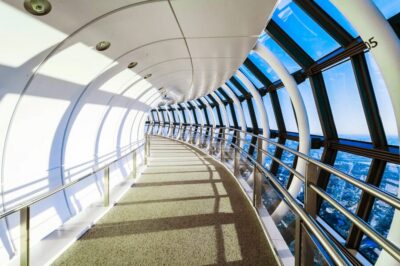 ★ 4.5TOKYO SKYTREE® Admission ticketFrom $1311,192 reviews
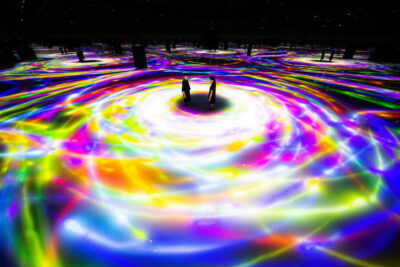 ★ 4.6teamLab Planets TOKYO Digital Art Museum Entry TicketFrom $259,779 reviews
 ★ 4.0Mt Fuji & Hakone Cruise, Drum Show Bullet Train 1 Day from TokyoFrom $1497,413 reviews
 ★ 5.0Shinjuku Food Tour (13 Dishes at 4 Local Eateries)From $866,603 reviews
 ★ 4.4Tokyo Mt Fuji 5th St & Hakone Cruise Bus Tour w/Bullet TrainFrom $1545,024 reviews
 ★ 5.0Flagship 2-Hours Official Street Go-Kart Tour – Tokyo Bay ShopFrom $644,974 reviews
 ★ 4.5From Tokyo: Mount Fuji Full-Day Sightseeing TripFrom $684,970 reviews