
Review · TOKYO CITY TOURS
Tokyo VIP Guided Private Car Tour with Optional Airport Transfer
Tokyo can wear your legs out.
This private guided car tour is built for efficiency, starting whenever you choose in the morning and moving you door-to-door with an English-friendly guide. I love how it mixes huge landmarks like the Skytree and Shibuya Sky with classic culture stops like Senso-ji and shrine areas, then gives you a menu of 4 to 6 sites so you are not trapped in a too-packed checklist. The only real drawback to plan for is that many of the best viewpoints and attractions charge separate admission, so your total day budget depends on what you pick.
What I really like, though, is how much control you keep. You tell the guide what you care about, and the route is designed so you can shift time toward photos, shopping, food, or a longer pause for gardens. The guides who earn the strongest praise tend to do the same two things well: they adjust the pace for your group and they handle traffic so you spend less time guessing which train to take.
My one consideration: because Tokyo traffic and weather can change fast, the schedule can shift, and the operator notes the tour may not be fully refundable if specific spots are not fully visible due to conditions. So if you have only one strict must-see (like a timed ticket), plan to buy it early and keep a little flexibility.
Key highlights that make this tour work in real life
- Private door-to-door transport in an air-conditioned minivan, with pickup and drop-off
- Choose 4 to 6 stops from a longer list, so you avoid getting rushed through everything
- Iconic Tokyo views with optional add-ons like Skytree and Shibuya Sky (admission separate)
- Culture plus modern Tokyo in the same day, from Senso-ji to gardens to pop-culture areas
- Guides who adapt to families and mixed interests, including big groups up to 8
- teamLab Planets is included as a possible stop, with advance online tickets required
Why a private car day makes sense for Tokyo
Tokyo is one of the easiest cities in the world to get around, and one of the hardest cities to do without thinking. Trains are great, but time adds up fast: transfers, walking, stairs, and the occasional wrong platform sprint. With this tour, you trade all that effort for one simple thing: you ride with a guide in a private vehicle and hop between areas on your schedule.
What you get is a day that feels like a personal itinerary, not a moving line. The pickup timing is flexible within morning hours, and you can also add an airport pickup or drop-off upgrade if your plans require it. That matters if you land with jet lag or you are trying to time your last day before a flight.
The minivan detail is also underrated. The tour includes bottled water per person and even has a DVD player in the vehicle, which sounds small until you have kids or grandparents and you need a few calmer minutes between stops.
You can also read our reviews of more guided tours in Tokyo
Price and value: what $1,122.88 per group really buys
The listed price is $1,122.88 per group, up to 8 people, for about 8 hours. That can sound high until you do the math like you would in Tokyo: a private car plus a guide plus door-to-door logistics is hard to replicate on your own without spending hours coordinating everything.
If you fill the group, the rough per-person cost drops a lot. If you are only two people, it will feel more like a premium splurge. Either way, you are paying for saved time and fewer stress points.
One reason this tour can be good value is that it includes real work for the guide. You are not just being walked from place to place. The guide helps you understand what you are looking at, and they also shape the itinerary so you can spend more time at the stops that fit your interests. In past days, the best-rated guides were praised for exactly that: listening first, then building a route that works for real family needs, mobility limits, and photo goals.
Also, remember what is not included. Admission fees are extra for places like Tokyo Skytree, Shibuya Sky, Rikugien Garden, and teamLab Planets. Food is also on you, and lunch is not included. In other words, the tour price covers the logistics and guiding, and you budget separately for ticketed attractions.
Picking your 4 to 6 stops: how to avoid a rushed day
The itinerary is long, but you should treat it like a menu. The operator notes that the itinerary shown is a list and you should select around 4 to 6 sites. That is the sweet spot for an 8-hour private car day in Tokyo.
Here is a simple way I would choose:
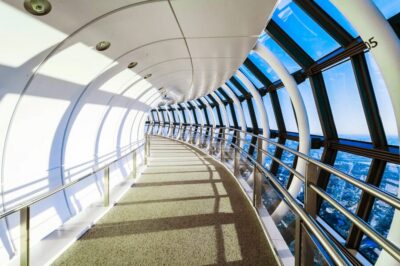
- Pick one or two viewpoints if you want skyline photos (Skytree and Shibuya Sky are both on the list).
- Pick one deep culture stop (Senso-ji is a free temple visit, with time to explore).
- Pick one garden or calm break (Hama Rikyu or Rikugien style gardens).
- Pick one modern pop-culture zone (Akihabara and other youth-focused areas appear on the broader route).
- Leave one slot for flexibility, because shops, weather, and crowd timing will always change your plans.
If you try to cram every stop into a day, you will spend more time waiting in lines or stuck in traffic than you planned. The whole point of a private tour is to slow down at the places that matter to you.
Morning icons: intersection views, Hachiko, Skytree, and a major shrine
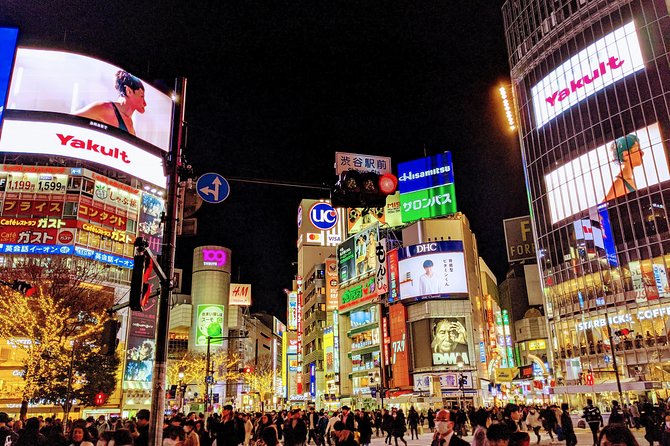
Most Tokyo first days start with the big hits, and this route does that early. The tour begins with a world-famous intersection area for classic Tokyo street energy and photos, then moves to the statue of Hachiko. That pair is a smart combo, because Hachiko is a focal point and the intersection area sets the stage for how Tokyo feels at street level.
From there, you have optional direction toward Tokyo Skytree. The stop includes time to see it and take photos, and you can also go up the observation deck. Expect the visit time to vary widely, from 45 minutes to 2 hours, and remember admission is extra. If you are traveling with kids, or you want photos without standing in lines, you can treat the deck as optional and focus on the exterior views.
Next comes the “most visited shrine” style stop, typically a major shrine visit with time to walk and observe. Visits here are usually 45 minutes to 1 hour. These spots are popular for a reason, but the tradeoff is crowds, especially in peak seasons. If you are sensitive to crowds, aim for a calmer pace and plan to spend less time shopping at the shrine streets and more time understanding the main grounds.
Senso-ji and old-town Tokyo: the temple stop that anchors the day
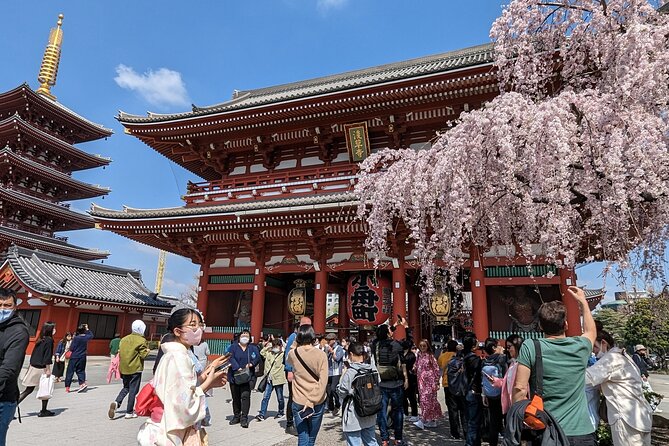
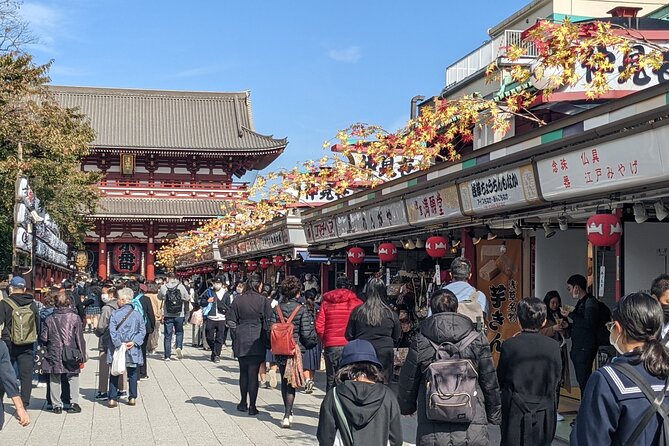
Senso-ji Temple is one of those places that can swallow time in the best way. The tour gives you about 60 minutes, and the key advantage is that you are arriving with a guide who can help you navigate what matters without you having to guess.
Since the temple itself is free to enter (as listed), you can spend your budget on food snacks and souvenirs without worrying about ticket costs here. It is also a great cultural reset after the city-photo stops, because you get a different rhythm: slower walking, traditional architecture, and the smell of street food if you choose to linger.
One possible drawback is that this area is famous, so it can be crowded. Your best move is to use the time wisely: take a few anchor photos, then wander the lanes and decide where you want to stop. With a private guide and vehicle waiting nearby, you have more freedom to move when the crowd flow changes.
You can also read our reviews of more private tours in Tokyo

Fashion-and-people-watching time: souvenirs, shopping streets, and the Emperor area
A big part of why this tour gets strong ratings is that it does not force you into only one kind of Tokyo. After Senso-ji, the broader route includes:
- time for Japanese souvenirs and general shopping
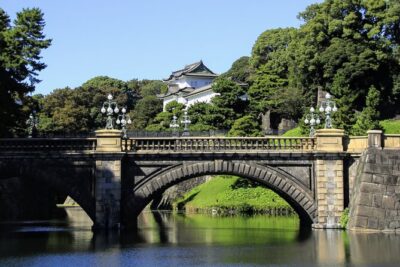
- the residence of the Emperor of Japan area as a stop
- a stroll through old town Tokyo and another older temple area
These stops are good if you want Tokyo that feels lived-in, not only photographed landmarks. The guide can help you choose what to prioritize, including whether you want extra time for photos and shopping during the fashion-focused areas.
For me, the practical value here is pacing. When you mix shopping streets with shrine and garden stops, your brain does not feel like it is stuck in one mode all day. You get variety without losing time to planning.
Tsukiji outer market and classic food energy
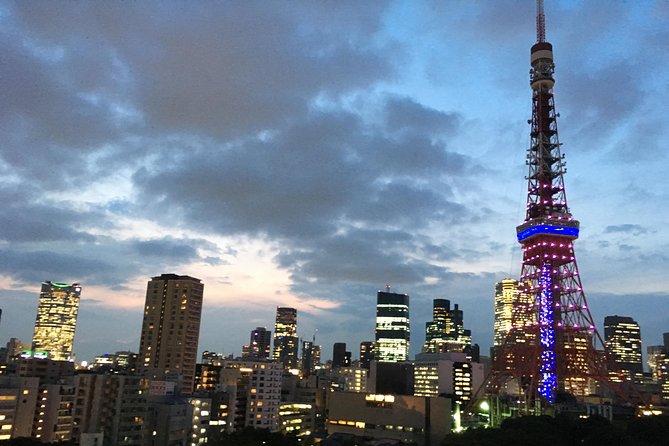
The tour includes Tsukiji Jogai Market, described as the outer market with street food and sushi restaurants. The listed time is usually 30 minutes to 1 hour, and admission is free.
This is a spot where you should be honest about your travel style. If you love eating on the move, this can be one of the best moments of the day. If you are not a big street-food person, you can still get value by using it as a short cultural stop: sample something small, buy a souvenir, and keep the pace moving.
Food is not included, so you will pay for what you choose. But since the tour is private, your guide can help you pick a plan that matches your diet needs, and the operator notes vegetarian options are available if you advise them in advance.
Gardens and gardens again: Hama Rikyu and Rikugien style calm
Tokyo has plenty of skyviews, but it also needs quiet breaks. This tour includes Hama Rikyu Gardens, usually 45 minutes to 1 hour. Admission is not included, and it can be a great contrast to the rest of the day’s crowds.
You also have Rikugien Garden on the list, usually 30 minutes, with admission separate. Another garden stop appears as well, tied to Edo Castle ruins as a garden today.
The garden value is not only beauty. It is also a reset for your feet. Even if you keep your walking comfortable, gardens tend to make the day feel less frantic. With private transport, you can shift from city noise to a calmer pace without losing your whole itinerary.
Big-city government views: Tokyo Metropolitan Government Buildings
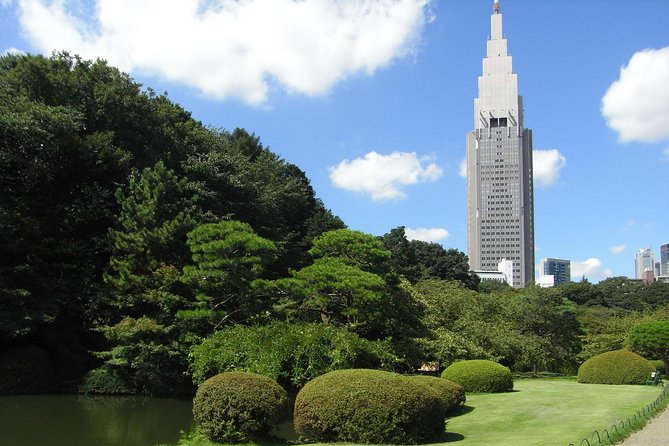
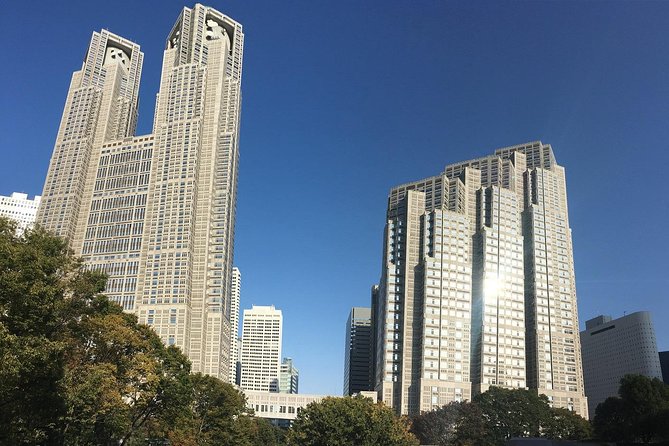
One of my favorite “low effort, high payoff” views in Tokyo is the viewpoint at the Tokyo Metropolitan Government Buildings. The tour includes this with about 30 minutes and admission free.
This kind of stop is useful because it gives you skyline photos without forcing you to buy every ticketed deck. It also gives a chance to cool down in a more controlled space, which matters in summer.
If you are trying to budget admission costs, keep this stop in your final 4 to 6. It gives you a proper Tokyo panorama and balances out paid observatory expenses.
Shinjuku Gyoen National Garden: the flexible nature break
Shinjuku Gyoen National Garden is listed with about 45 minutes to 1 hour, admission free as listed. It is a mix of Japanese and Western garden styles, and it is especially strong for seasonal flowers.
What you will like about a garden stop like this is choice. You can do a short loop for the highlights, or you can wander a bit longer if your group wants a slower day. Because the tour is private, you can adjust on the spot.
Potential drawback: the garden experience is weather-dependent. If it rains hard, you might shorten the visit and move on. The operator notes the schedule can change due to weather or traffic conditions.
Odaiba pop culture and seaside shopping: Gundam, Liberty, and rooftop-style views
Later in the day, the route includes an artificial island area with shopping at Aquacity, Venus Fort, and Divercity. It also includes big pop-culture stops that are fun even if you do not follow anime religiously.
Key named items:
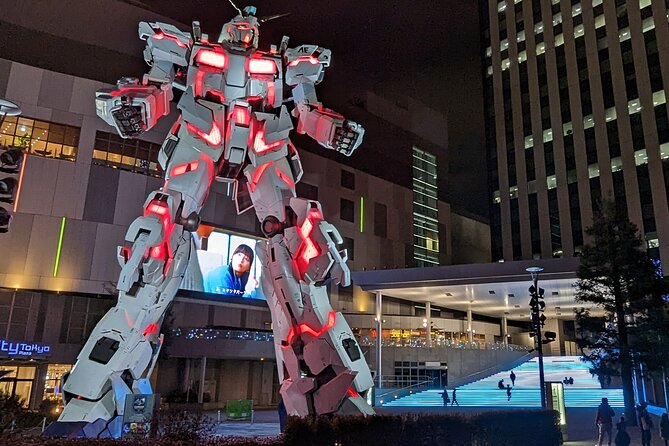
- Unicorn Gundam Statue, with light-up show every hour
- Statue of Liberty, installed in 2000 as a friendship symbol between Japan and France
Admission is listed as free for those stops. That means you can keep your ticket costs more controlled while still getting modern Tokyo energy and photo ops.
If you travel with kids or teens, this is one of the easier segments to get everyone excited. Even adults who do not do cosplay often like seeing the size and staging of the Gundam statue.
Ueno and the museum-shopping-sumo cluster: culture plus gadgets
As the day moves toward central/northern areas, the route brings in several very different experiences close together:
- Ueno Toshogu Botanen, a subsidiary shrine known for its peony garden, with admission not included
- time in an area for anime, manga, figurines, games, electronic devices, plus a maid cafe option if you want photos or shopping
- open air market in Ueno for photos and shopping if you choose
- sumo stadium, followed by the Sumo Museum (admission free as listed)
- Tokyo National Museum, usually 1 to 2 hours, with admission not included
This cluster works because you can build your own mix. If you want museums, you can linger. If you want shopping and character goods, you can focus there. If you want sports culture, the sumo stops anchor it.
In practical terms, Ueno also helps with variety. You can walk a little, then hop into the minivan for a short transfer rather than crossing Tokyo using public transport.
Shinjuku nights and Kabukicho street energy: Omoide Yokocho and Godzilla Road
The broader route includes the Shinjuku area described as the sleepless town made famous through Lost in Translation. It also includes:
- Omoide Yokocho, good-memory alley, a foodie stop where you might want photos and food
- Godzilla Road, the main street of Kabukicho, with a photo-shopping vibe
Food here is the whole point, so plan your spending accordingly. Since food is not included, I treat this as a budget-controlled splurge: pick one or two items, take photos, then decide if you want to move on or stay longer.
This segment is great for adults who like street scenes and neon energy. It may be less ideal if your group prefers early nights or quieter neighborhoods, but even then, a short walk can be worthwhile.
teamLab Planets for a modern finale: buy tickets in advance
teamLab Planets TOKYO is included as Stop 16. The key detail is that you must purchase tickets online in advance and admission is not included.
The listed visit time is usually 1 to 1.5 hours, but the tour schedule includes a short transfer time on the day. That makes it best when you already know your ticket timing or you can match it to your guide’s plan.
This is the kind of stop where timing really matters. If you are going to spend money on one ticketed attraction during the day, this is often the one that feels the most different from everything else Tokyo offers.
Who this tour suits best
This private car format is a strong fit for:
- First-time visitors who want to see a lot without learning transit maps
- Families with kids, because the day can be paced and stops can be adjusted
- Groups mixing ages and mobility levels, since the guide can plan for walking limits and you are not stranded
- Anyone who wants photo-heavy stops but also wants culture without chaos
In the praise from past days, guides were singled out for adapting to families, keeping everyone comfortable, and handling tough logistics like heavy traffic. Drivers also earned a lot of credit for calm driving and “we still got there” momentum.
Should you book the Tokyo VIP private car tour?
I would book it if you want a Tokyo day where you:
- want control over timing and stop count
- plan to prioritize either viewpoints, temples, gardens, or pop culture, not all of them
- value comfort over squeezing in public transport legs
- are willing to budget separately for tickets and food
I would think twice if your travel style is ultra-light on admissions. Many of the best stops here have add-on fees, including Skytree, Shibuya Sky, Rikugien, and teamLab Planets. If you are trying to keep the whole day budget-only around free sights, you can still build a good route, but you will likely need to swap paid viewpoints for admission-free alternatives like the Tokyo Metropolitan Government Buildings.
If you do book, do one smart thing before you go: pick your 4 to 6 must-do stops. Your guide can work miracles with logistics once your priorities are clear, and you’ll leave Tokyo with fewer regrets and more good photos.
FAQ
What is the group size for this tour?
The price is per group, up to 8 people.
How long is the tour?
The duration is listed as about 8 hours.
Is hotel pickup and drop-off included?
Yes. Hotel pickup and drop-off are included.
Can I add airport pickup or drop-off?
Yes, airport pickup or drop-off can be added as an optional upgrade.
Are attraction admission tickets included in the price?
No. Many sites have separate admission fees, including Tokyo Skytree, Shibuya Sky, Rikugien Garden, and teamLab Planets.
Do I need to pre-book tickets for teamLab Planets TOKYO?
Yes. The tour information says you must purchase online advance tickets for teamLab Planets TOKYO.
Are food and lunch included?
No. Food and drinks, including lunch, are not included. Vegetarian options are available if you advise the operator in advance.
More Guided Tours in Tokyo
More Tours in Tokyo





More Tour Reviews in Tokyo


Not for you? Here's more nearby things to do in Tokyo we have reviewed












Tokyo City Tours, side by side.
 ★ 5.01-Day Tokyo Bus TourFrom $12914,250 reviews
 ★ 4.5TOKYO SKYTREE® Admission ticketFrom $1311,192 reviews
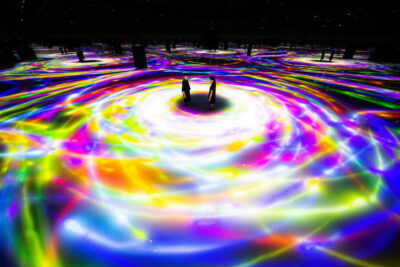 ★ 4.6teamLab Planets TOKYO Digital Art Museum Entry TicketFrom $259,779 reviews
 ★ 4.0Mt Fuji & Hakone Cruise, Drum Show Bullet Train 1 Day from TokyoFrom $1497,413 reviews
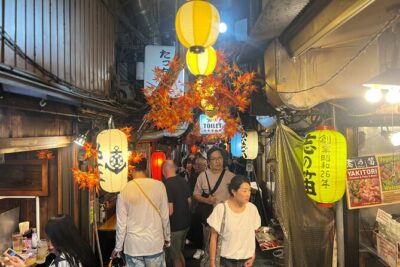 ★ 5.0Shinjuku Food Tour (13 Dishes at 4 Local Eateries)From $866,603 reviews
 ★ 4.4Tokyo Mt Fuji 5th St & Hakone Cruise Bus Tour w/Bullet TrainFrom $1545,024 reviews
 ★ 5.0Flagship 2-Hours Official Street Go-Kart Tour – Tokyo Bay ShopFrom $644,974 reviews
 ★ 4.5From Tokyo: Mount Fuji Full-Day Sightseeing TripFrom $684,970 reviews
This tour also belongs to