
Review · IMPERIAL PALACE TOURS
Tokyo’s Imperial Palace & Nihonbashi Tour
Tokyo has a way of surprising you. Here you get Imperial Palace grounds plus hands-on traditional crafts, all in one half-day. Then you finish in historic Nihonbashi, where old shopfronts still feel like part of everyday Tokyo.
I especially liked the way this tour pairs quiet palace greenery with very practical food and craft stops. The included tasting stops are easy wins, like the dashi soup stock sample and the sake set at the end.
One thing to plan for: there is a lot of walking, and weather can change the exact pacing, so wear real shoes and bring rain gear.
Key things to know before you go
- Imperial Palace focus on the East Gardens, not a full interior palace visit
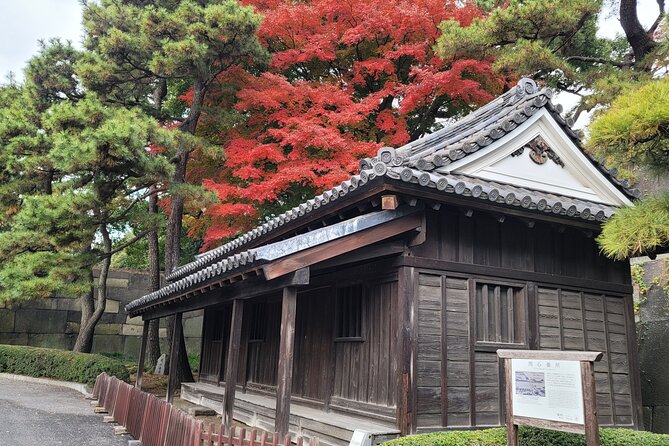
- Otemon Gate and Edo Castle ruins make the history feel concrete
- Nihonbashi is your “makers district”, with long-running specialty shops
- Tasting stops are built in, including dashi and a sake set
- Washi experience is the highlight for craft fans, with time to learn and make a sheet
- Small-group size tops out at 28, which usually keeps the tour moving
Imperial Palace East Gardens meets historic Nihonbashi in one smart loop
This is a great format for first-timers who want more than one box checked. You start with Tokyo’s most iconic landmark area, then you shift into a neighborhood that has been a trading and shipping hub for centuries. The payoff is that the day feels connected, not like you’re hopping between unrelated sights.
The tour runs about 4 hours, with either a morning or afternoon option. That flexibility matters in Tokyo, where crowds, train schedules, and heat can make or break a half-day. The route also makes sense: after the palace grounds, you move a short distance to Nihonbashi, so you spend more time with the stops and less time stuck in transit.
Price-wise, at $101.72 per person, you’re paying for a licensed guide-interpreter, plus entry into the East Gardens, and included tastings. In plain terms: you are not just buying a walk. You’re buying interpretation, timing, and access to a string of shops that you might not notice on your own.
You can also read our reviews of more tours and experiences in Tokyo.


Starting at Tokyo Station: easy to find, easy to transition
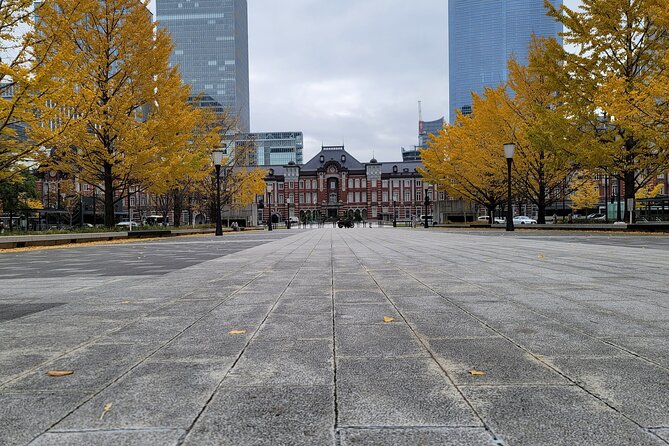
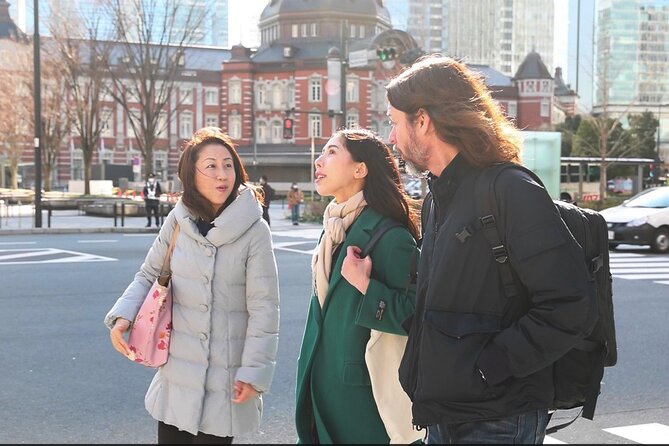
You begin at Tokyo Station, in the Marunouchi area (1 Chome-9). That is a big advantage. Tokyo Station is one of the most connected transit nodes in the city, so getting there is usually straightforward no matter where you’re staying.
The tour ends in Nihonbashi, near Nihombashi Station and Mitsukoshimae Station. That matters because you are not stuck returning the way you came. If you want to keep exploring after the tour, Nihonbashi is a natural place to wander.
The tour uses a mobile ticket, which is convenient for Tokyo. It also keeps you from having to manage paper vouchers while you’re moving between subway stations and shop entrances.
Ginkgo-lined walk and the East Gardens: what to expect at the Imperial Palace
Your tour kicks off on a ginkgo tree-lined avenue toward the Imperial Palace. Even if you’re not a “history person,” this part sets the tone. It feels like you stepped out of the city noise and into a carefully maintained space, with lots of greenery and room to pause.
From there, you walk through the vast grounds. The description notes cherry and pine trees, which is a nice seasonal touch. If you time your visit around the right months, the gardens can be extra photogenic. If you do not, it still works because the grounds are intentionally designed for strolling.
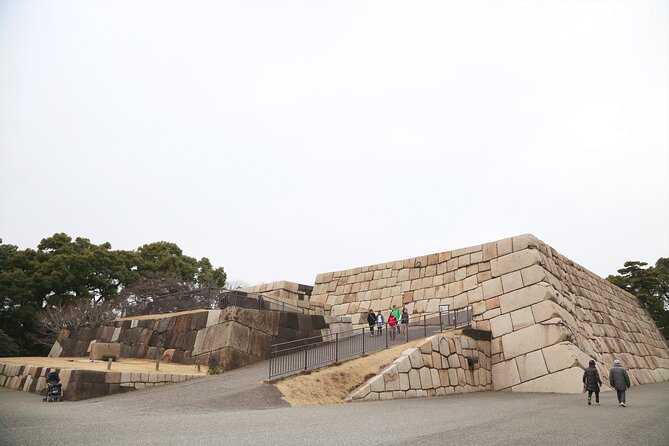
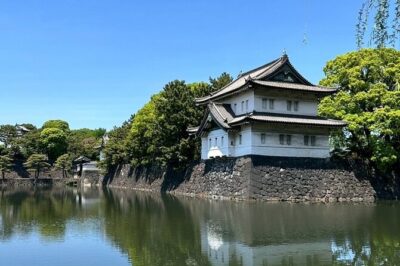
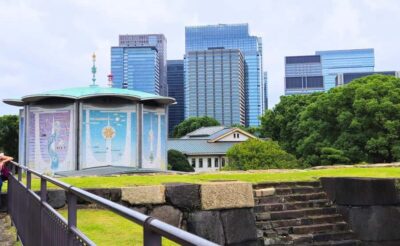
Then comes the core experience: the East Gardens of the Imperial Palace. You enter through Otemon Gate, and you spend about an hour exploring the area that reflects Edo-era history, including ruins tied to Edo Castle. This is where a guide adds real value. You get help connecting what you see on the paths and stonework to the bigger story of shogun-era Tokyo.
Practical tip: plan on standing and walking more than you would in a typical “museum tour.” The grounds are beautiful, but they are not made for minimal walking.
Otemon Gate and Edo Castle ruins: why a guide matters here
Otemon Gate is more than a dramatic entrance. It acts like a historical marker. When you know what Edo Castle represented and how the Tokugawa shoguns shaped the city, the garden becomes easier to read.
This is also one of the stops where you may see different interpretations depending on your guide and the group pace. In positive moments, guides like Mari, Michi, Toyo, Eriko, and Yoshi were singled out for explaining what you’re looking at and adjusting the flow when conditions change.
That last part is important. Some people reported rain or hot weather affecting the pace, and at least one guide handled it by helping the group enjoy the tour even if they had to skip part of it. Translation: if the weather is rough, a good guide can protect your time and keep you from feeling like you’re just trudging from one stop to the next.
Nihonbashi: Tokyo’s older highway town, now built for wandering
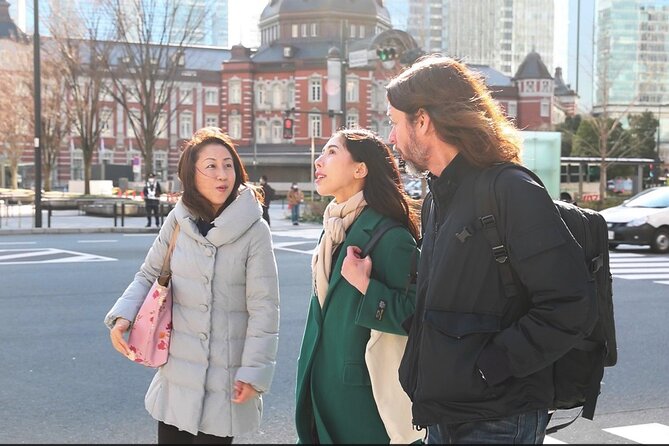
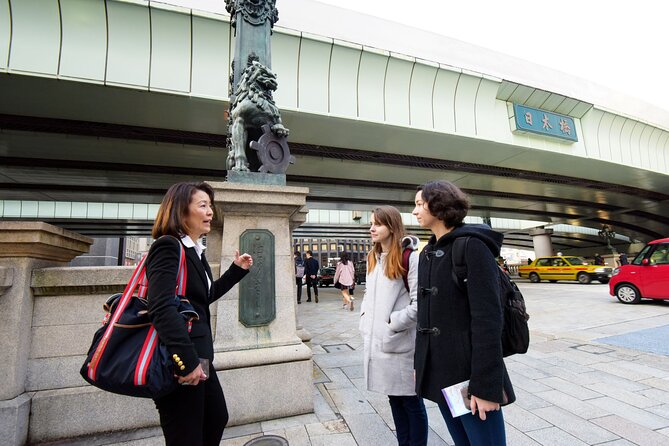
After the palace, the tour moves to Nihonbashi, a major commercial district and a historic starting point for Japan’s national highway network dating back to the early seventeenth century. That’s a mouthful, but the meaning is simple: this was a place where movement, trade, and supplies passed through for a long time.
What I like about this stop is the atmosphere. Nihonbashi is not a theme park. It’s a place where you can still shop in shops that have operated for hundreds of years. Even when a shop sells modern-looking products, the craftsmanship culture is real.
The tour keeps you oriented: you do not just get dropped into a mall-like zone. You get the context for what you are seeing, which helps you decide what is worth a closer look when the tour ends.
Dashi and nori: simple tastes, deeply Tokyo cooking logic
The tour includes a stop at Ninben dashi store. Dashi is traditional Japanese soup stock, a basic building block in many dishes, from hotpots to noodle soups. You are not just told what it is. The tour includes a sample of dashi soup stock, so you can taste the flavor profile rather than guessing.
Next is Yamamoto Noriten Honten, a nori seaweed producer founded in 1849. One reason this works as a tour stop is that nori is one of those everyday ingredients that most people use but rarely understand up close. You can see varieties and even watch staff roast seaweed, which turns “seaweed packet” into something you actually connect to craft and process.
If you care about food culture, this pair makes sense. Dashi is the liquid foundation, and nori is a key dry ingredient. Together they show you two sides of Japanese cooking without needing a full meal or formal restaurant reservation.
Kiya Nihombashi knives: heritage tools and what to look for
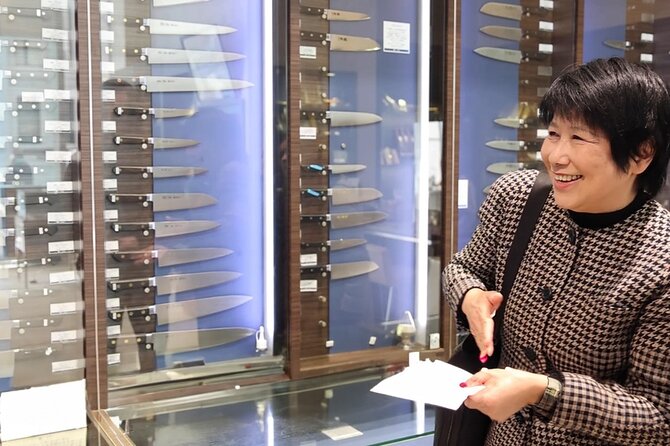
From food, the tour shifts into tools at Kiya Nihombashi Main Branch, a knife store founded in 1792. The promise here is variety and access to specialty goods: the store carries hundreds of utensils, including traditional Japanese knives and more modern European styles.
I like knife shops on tours because they force you to slow down. You can look at blade shapes, learn what different styles are meant for, and appreciate why this is not just souvenir shopping. Even if you do not buy anything, it’s a chance to see a side of Japan where attention to material and function is the point.
One caution: a knife store can be tempting if you have strong “collect artisan things” energy. If you have suitcase space or a strict budget, set a limit before you walk in.
Ozu Washi Japanese paper: the hands-on craft stop
This is the stop many people remember. At Ozu Washi, you learn about Japanese paper types and stationery, and the itinerary says you will make a sheet of washi. Expect about an hour here.
Washi is one of the best “culture without a lecture” crafts because you can understand it with your hands. Paper sounds simple until you see the different materials and feel how the process changes the final product.
A small word of caution: one account noted that hands-on washi-making can be limited when certain options are full or require pre-booking. Since your exact experience depends on how the store runs that day, keep expectations flexible. If washi-making is a top priority for you, it’s worth being ready for the possibility that you may get the learning portion even if specific making slots are crowded.
Either way, this stop is still valuable. You leave with better context for Japanese stationery, gifts, and how “design” can be tied directly to material science and labor.
Toyama Prefecture antenna shop: a calm finish with regional products
The tour ends with the Toyama Prefecture Antenna Shop. This is described as a store where you’ll find items from Toyama, a coastal prefecture on the Sea of Japan.
It’s a nice way to close a walking and tasting-heavy route. Instead of pushing into another intense activity, you get a lower-stress shopping and browsing stop where you can pick up something small that’s tied to a specific place.
The tour includes admission into this stop, though it does not promise a full food experience here. Think of it as a soft landing before you head back into the wider Tokyo day.
Price, walking, and weather: the practical reality check
At about $101.72 per person for 4 hours, you are paying for three things at once:
- A guide-interpreter to connect what you see
- Palace East Gardens entry
- Included tastings (dashi and a sake set), plus structured time in specialty shops
That’s good value if you like guided context and would otherwise spend money on individual admissions and tastings. It’s less ideal if you prefer total freedom and hate group timing.
Walking is the biggest consideration. The pace can feel brisk if you are not used to Tokyo distances. Several people noted long walking time, especially when rain hit. Another complaint was about time spent moving between subway stations rather than enjoying the sights.
Here’s my advice: plan to move efficiently and pack for weather. Bring an umbrella you trust, because rain can be sudden. Wear shoes with grip, since you may be stepping through covered station areas, narrow shop fronts, and garden paths.
Guide quality is the difference between okay and memorable
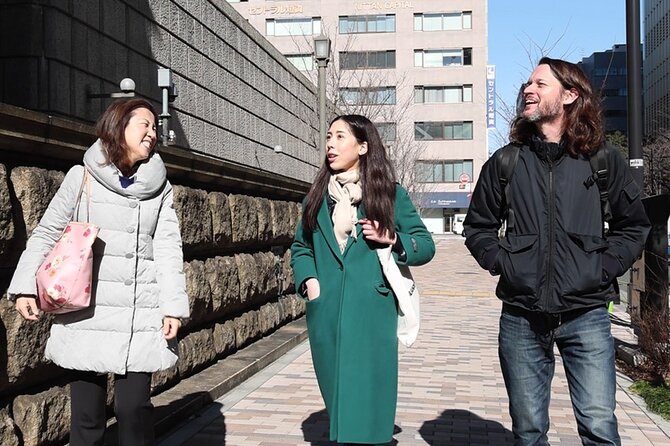
This is one of those tours where the guide can make a huge swing in your experience. The highest scores came with praise for guides’ English level, historical explanations, and problem-solving in bad weather.
Names that stood out include Joseph_S’s featured guide, plus Mari, Michi, Yoshi, Tombi, Yuji, Toyo, Eriko, Saiyo, and guides listed as Yama-san, Kudo-San, and Andy Watanabe. The pattern is consistent: when the guide is strong, the whole day becomes clearer and more enjoyable.
That said, you should also know this can go wrong. At least one account described a guide who barely spoke English and who missed portions of the tour without explanation. Another mentioned the tour description felt misleading because it emphasized Imperial Palace in a way that led to different expectations.
So I’d approach it this way: read the title, but expect the day to be primarily about the East Gardens and the grounds access, plus Nihonbashi specialty shops. If you want interior palace rooms, this is likely not the right expectation set.
Who should book this Imperial Palace and Nihonbashi tour?
This tour is a strong fit if you want:
- A first-time Tokyo day that includes both a landmark and a neighborhood
- Specialty food and craft stops, not just photos from outside
- Included tastings, so you’re not guessing what to try
- A guide who can translate what you’re seeing, especially in the East Gardens
It may be less ideal if:
- You have low tolerance for walking, even on a “half-day” schedule
- You’re very picky about exact stop timing in bad weather
- You expect a full interior palace tour, because this focuses on grounds and the East Gardens area
Should you book this Tokyo Imperial Palace and Nihonbashi tour?
Yes, if you want a well-structured day that blends Imperial Palace East Gardens with historic Nihonbashi makers, and you enjoy small tastings that make Japanese ingredients click. The included guide help, dashi sample, and sake set make it feel like you’re getting value beyond just sightseeing.
Book it with one clear expectation: you’re touring the gardens and learning through crafts and shopping, not doing a dramatic interior palace visit. Bring rain gear, wear good shoes, and you’ll be set for a memorable Tokyo half-day.
FAQ
How long is the Tokyo Imperial Palace & Nihonbashi tour?
It runs about 4 hours.
Where does the tour start and end?
It starts at Tokyo Station (1 Chome-9 Marunouchi, Chiyoda City) and ends in the Nihonbashi area (near Nihombashi Station and Mitsukoshimae Station).
How much does the tour cost?
The price is $101.72 per person.
What is included in the price?
Included are a nationally accredited tour guide-interpreter, entrance into the East Gardens of the Imperial Palace, a sample of dashi soup stock, and a Japanese sake set.
Is transportation included?
Transportation to the meeting point is not included.
Is the tour offered in the morning and afternoon?
Yes, you can choose a morning or afternoon tour to fit your schedule.
How big are the groups?
The tour has a maximum of 28 travelers.
Is the ticket digital?
The tour features a mobile ticket.
Does the tour run in any weather?
It requires good weather. If canceled due to poor weather, you’ll be offered a different date or a full refund.
What happens if you cancel close to the tour date?
Free cancellation is available up to 24 hours before the experience start time for a full refund.
More Tours in Tokyo


More Tour Reviews in Tokyo
Not for you? Here's more nearby things to do in Tokyo we have reviewed







Imperial Palace Tours, side by side.
 ★ 5.0Imperial Palace and Shogun Historical Walking TourFrom $222,251 reviews
 ★ 4.9Imperial Palace Japanese History Walking TourFrom $32987 reviews
 ★ 4.9Imperial Palace and Shogun Walking TourFrom $16935 reviews
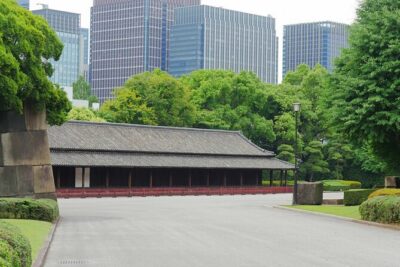 ★ 5.0Imperial Palace East Garden and Edo Castle Walking Tour in TokyoFrom $25510 reviews
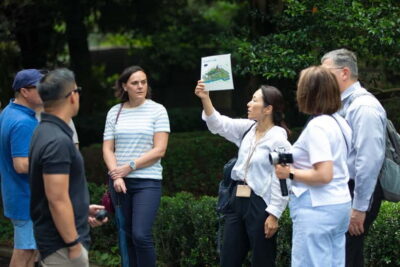 ★ 4.8Imperial Palace East Gardens Walking TourFrom $19353 reviews
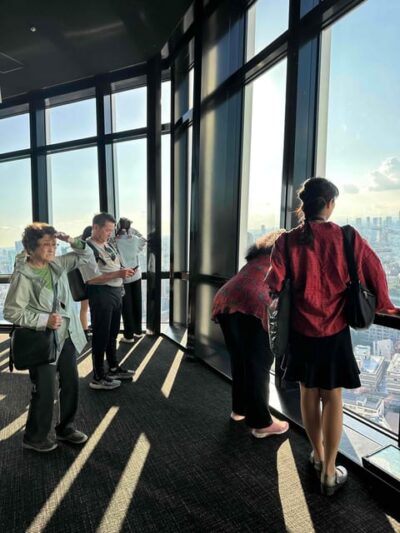 ★ 4.5Imperial Palace, Sensō-ji Temple, & Tokyo Tower TourFrom $40339 reviews
 ★ 5.0Tokyo Castle, Imperial Palace, Shogun & Garden Walking TourFrom $31211 reviews
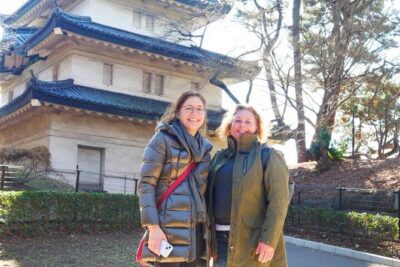 ★ 4.7Edo Castle & East Garden of the Imperial Palace TourFrom $42112 reviews
This tour also belongs to