
Review · SHINJUKU TOURS
Wagyu & Sake Pairing in Shinjuku – Steak, Shabu-Shabu & More
One great bite can turn into a full evening lesson. This Shinjuku wagyu and sake pairing adds flavor nerd detail to a fun meal, with English help and Japanese menu support that makes ordering easier all over Tokyo. I especially liked the sake styles paired to each cut, and the way the experience makes wagyu grades and preparation feel understandable. The main drawback to weigh is the tight in-restaurant feel, so you may feel a bit close to your group.
You start with an aperitif and a short, friendly talk on sake and wagyu, including how regions and brewing styles change the taste. Then the meal rolls out as a full-course sequence, not just a single steak plate, so you eat more than you would with a random group dinner. If you want extra drinks beyond the sake pairings (like beer), plan on paying more.
Finally, this is built for first-timers and food-focused travelers: small group size (max 8), mobile ticket, and help deciphering Japanese menus. Just remember dietary options are limited for vegan, vegetarian, and gluten free, so reach out ahead of time.
Key points before you go
- Japanese menu decoding support: You get help reading what’s on the table, so you’re not stuck guessing.
- Craft sake matched to each wagyu dish: Different sake styles show up throughout the course, not all at once.
- Regional wagyu variety: You’ll taste multiple cuts sourced from across Japan, so you learn what changes.
- Sake tutorials you can use later: You get takeaway tips for buying and ordering sake after the tour.
- Tight, small dining room: Great for atmosphere, but it can feel cramped for 6 to 8 people.
- Sake-first value: The experience is priced like a serious tasting, and it includes the full course.
Wagyu and sake in Shinjuku, why this format works
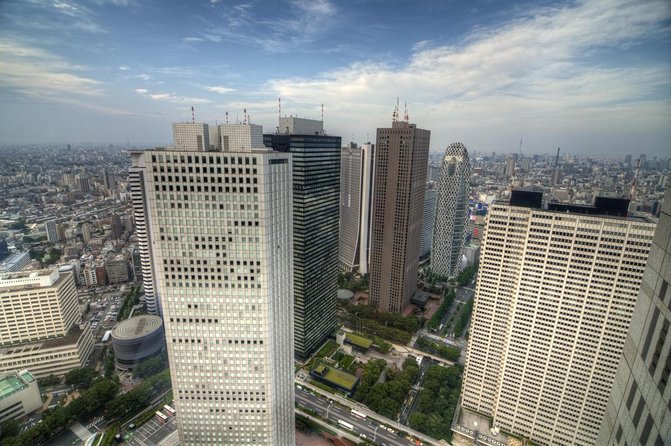
Shinjuku is perfect for this kind of food night. You get the energy of Tokyo without needing a whole day to plan it. And the restaurant setting matters. A guided tasting is the difference between eating a fancy dinner and actually understanding what you tasted.
This experience is built around two ideas that make it feel worth it. First, you taste many wagyu preparations instead of one “big moment” steak. Second, you taste sake with intent. The pairings are not random pours. Each course is meant to show a different sake character, which changes how you perceive fat, sweetness, umami, and texture.
If you like food that comes with context, you will enjoy the lesson side. If you only want to eat quietly, you might find the explanations a little chatty, but they are clearly meant to help you enjoy the meal more.
You can also read our reviews of more food & drink experiences in Tokyo


The meeting point and pre-dinner aperitif vibe
You meet at Ushinobi Shinjuku in the NSK Building area of Hyakuninchō, Shinjuku. The start time is 6:00 pm, and the experience runs about 3 hours. You get a mobile ticket, which is handy on a first night when you do not want to hunt for paper.
The early moments are low pressure. The team welcomes you into their own restaurant space with a Japanese drink as an aperitif. Then you begin the pairing education right away. You’ll talk about the background and relevance of sake and wagyu, plus how regional differences show up in flavor.
This part is practical. Sake can feel confusing if you have only seen a few bottles at a shop. A short introduction helps you focus on what to notice as the courses come.
Learning wagyu basics without turning it into a lecture
Wagyu is famous, but the real magic is in the details. During this meal, you get a clear view of what separates wagyu from other beef. They also explain the meat grading system in a way that connects to what you taste, not just what you read on a label.
A big plus for me is that wagyu grading is not treated like trivia. The lessons tie to texture and richness, then you get served cuts that show those differences. That means you can actually connect the theory to the food.
You also get to try traditional and authentic preparation styles, plus some more modern takes. That variety is smart because wagyu can taste similar if everything is cooked the same way. Here, the course design helps you notice how heat, sauce style, and method change the outcome.
The wagyu full-course menu, course by course
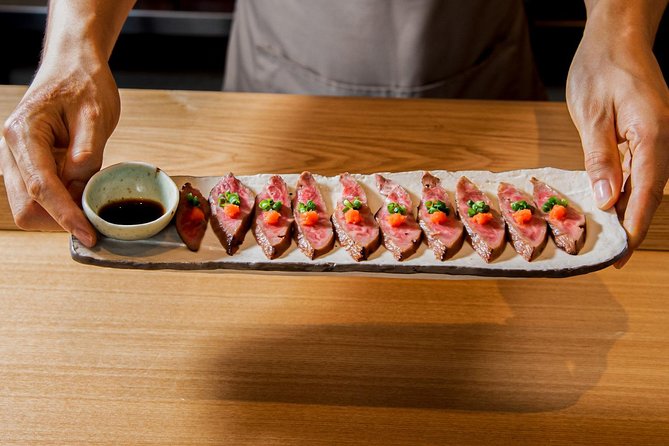
This is not a single dish tasting. It’s a full course that keeps the palate moving. An example menu includes:
Appetizers and starter bites
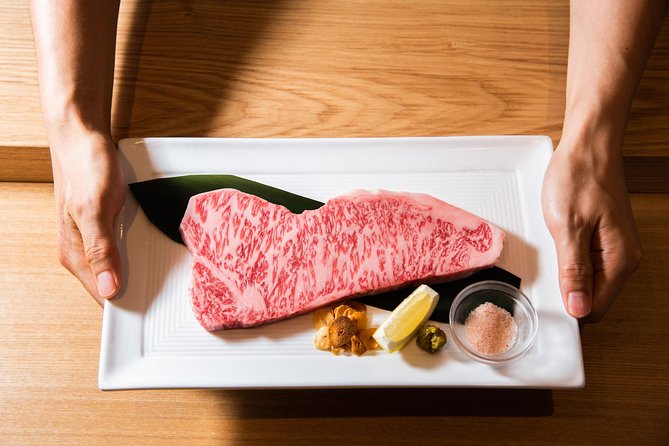
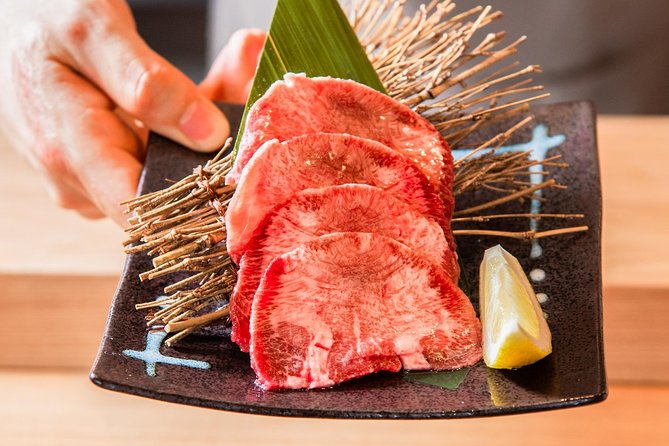
You start with two kinds of appetizers, setting the stage for what’s coming. Then you get early wagyu with fun textures, like grilled wagyu beef tongue. It pairs with an original sake cocktail, which helps you understand pairing logic from the first real course.
Tataki and warm sake
Next comes wagyu chuck flap tataki, served with a warm sake pairing. Warm sake can feel surprising if you usually drink it chilled. In a tasting like this, the contrast matters because warmth changes how aromas lift off the food.
Salad break
A seasonal salad appears mid-course. It’s not just filler. Think of it as a palate reset so the richer cuts do not overwhelm you.
Steak moment with nigori
Then the menu hits a core highlight: wagyu sirloin steak, paired with nigori. Nigori is the cloudy style, and it tends to feel more rounded and soft on the tongue. That works well with steak richness because it can smooth the edges without masking flavor.
Hotpot and unpasteurized sake
After that, you move into a hearty, comfort-style course: wagyu chuck hotpot paired with unpasteurized sake. Unpasteurized sake is a big part of why the tasting feels special, because it can taste fresher, a bit more lively, and different from the clearer styles people often expect.
Udon to finish the savory arc
Finally, you get wagyu dashi udon. This matters because udon is a different eating rhythm than steak. It also pulls the flavors together. The dashi base helps you notice beef umami in a more subtle, broth-friendly way.
Dessert with sake
The dessert is sake with a surprise. Even if dessert is not your usual sake interest, this kind of ending is meant to show that sake is not only for sipping with meat. It can work in sweet territory too, depending on how it’s used.
Across the meal, the pairings are the point. They also include original cocktail ideas made specifically for wagyu pairings, so you are not just drinking “whatever goes with steak.”
Craft sake pairings, why each style changes the steak
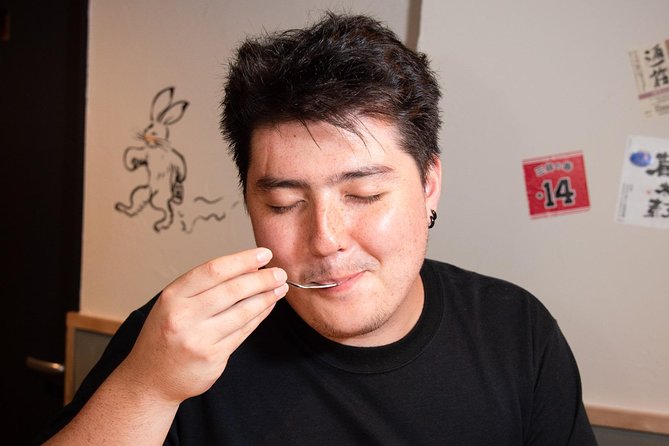
Sake pairing can either be gimmicky or genuinely helpful. This experience aims for helpful.
You will likely taste several sake styles across the course, and they are served in different ways. That includes things like aged and fermented sake experiences, along with warm pours and cloudy nigori. You also get at least one unpasteurized pairing, which tends to feel different in aroma and mouthfeel.
What should you actually notice? Here are the cues you can use during the meal:
- If a sake tastes sharper or drier, it can cut through fat and make the beef feel less heavy.
- If it tastes softer or cloudier, it can make the steak feel rounder and more cohesive.
- Temperature matters. Warm sake can bring out aroma, while chilled sake can feel cleaner and more refreshing.
This is the kind of pairing education that turns into a skill. After a night like this, you’ll have a mental map for ordering sake in Japan, not just a checklist of words.
You can also read our reviews of more drinking tours in Tokyo


Small group energy and the host factor
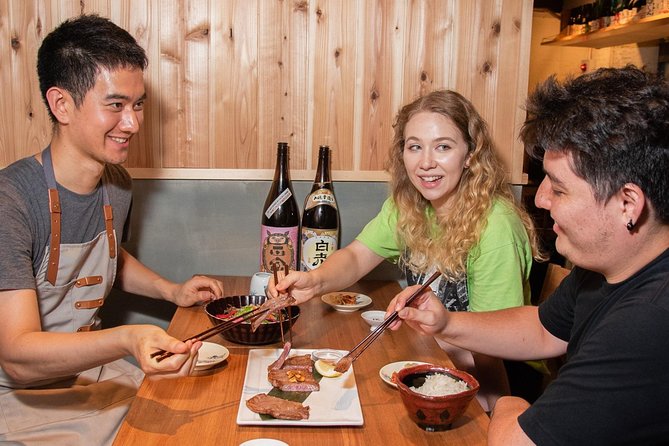
One reason this tour gets high marks is the small group size, max 8. That means you are not shouting over a loud room while trying to read menus.
The vibe is guided but not stiff. Many hosts are comfortable leading the discussion in English, with names like Chi, Tadashi, Joe, Andrea, and Miyuki showing up in the guide lineup you might encounter. (Even if your guide is someone else, the important part is the style: conversational, food-focused, and built to keep you engaged.)
The explanations also connect to real decisions you’ll make later. For example, the guide can give you hints on what to look for when you buy sake for your own nights out. That is a big deal in Tokyo, where menus can look like a puzzle if you are not sure where to start.
Menu help you can use the same week
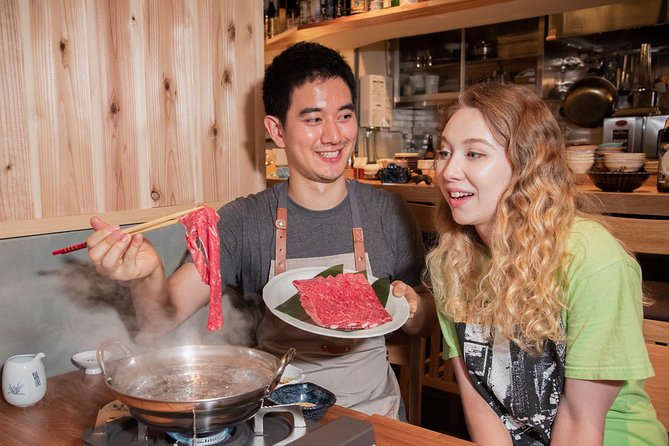
This tour includes help deciphering menus in Japanese. That sounds small, but it’s actually high value.
After you’ve been through wagyu and sake talk, Japanese menu terms start to click. You learn what types of sake styles are, how to think about pairing, and what wording might signal richness, dryness, or serving style.
You also leave with tailored foodie tips for the rest of your trip. These can help you order confidently at izakaya spots, casual yokocho bars, or dedicated dining rooms where menus are all Japanese.
If you are visiting Japan for the first time and you want your food nights to feel intentional, this is one of the best ways to get that confidence fast.
Price and value, what you are really paying for
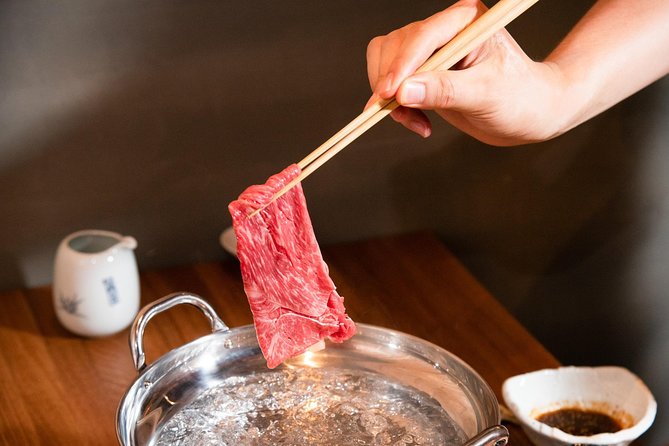
At $148.65 per person, this is not a cheap dinner. But it’s priced like a tasting, not like a single restaurant meal.
Here’s what makes it feel like value:
- Full course meal included, not just a couple bites.
- Multiple wagyu preparations and cuts, not a one-and-done steak.
- Multiple sake pairings across the meal, including special styles like unpasteurized and nigori.
- Small group pacing, so you get real guidance and time to ask questions.
If your goal is to try steak and sake in Tokyo, this tour saves you time and guesswork. It also prevents the common mistake of ordering the safest steak and the most generic sake without understanding why the pairing works.
The main financial downside is also the easiest to handle: additional drinks besides the sake pairings (like beer) are not included. If you are a heavy drinker, budget for extra.
The one real drawback to plan around
The biggest consideration is space. The dining area can be very small, and you may feel packed in with your group. That’s part of the intimacy, but it is not the same as a wide, comfortable dining room.
Also, if you have dietary restrictions, you need to be organized. Vegan, vegetarian, and gluten free options are limited, and you need to message them at least a week before the tour date. Last-minute changes might not be possible.
If you have no restrictions and you want sake and wagyu, this should feel smooth.
Is it worth booking if you are not a sake person?
If you have never liked sake, this tour can still be a good starting point. That’s because you taste multiple styles, including ones served warm and one that is unpasteurized. Different styles can land differently with your palate.
Also, the meal is built around wagyu, so even if sake is not your thing, you still get a lot of excellent beef and variety. And since the pairings are explained with the goal of helping you notice differences, the experience can convert a skeptical beginner into a curious drinker.
Who this tour fits best
This is a strong match if you:
- Want a first-timer introduction to both wagyu and sake
- Like guided eating where someone helps you understand what you’re tasting
- Prefer a small group format, max 8, with time for discussion
- Want practical takeaways for ordering sake later
You might look elsewhere if you:
- Need guaranteed vegan or gluten free options
- Do not like tight restaurants
- Only want a quick, casual meal with no education portion
Should you book the wagyu and sake pairing in Shinjuku?
If you want a Tokyo night that feels both delicious and useful, I’d book it. The combination of a full wagyu course, multiple sake styles, and real menu-decoding help is the reason this experience stands out. The small group size keeps it personal, and the course pacing gives you enough variety to actually learn something.
Just go in with two expectations set. One, you’ll likely drink more sake than a normal dinner, because the pairings are the structure of the meal. Two, the restaurant space is small, so pick this for food fun, not for privacy.
If those fit your style, this is the kind of guided meal you’ll still be thinking about later, long after your last bottle is finished.
FAQ
How long is the wagyu and sake pairing experience?
It lasts about 3 hours.
What time does the tour start, and where do I meet?
The start time is 6:00 pm. You meet at Ushinobi Shinjuku, NSK Building, 201, 1-chōme-22-1 Hyakuninchō, Shinjuku City, Tokyo 169-0073, Japan.
Is a mobile ticket provided?
Yes, this activity uses a mobile ticket.
What is included in the price?
The price includes a full course meal.
Are drinks other than sake included?
No. Additional drinks other than the sake pairings, such as beer, are not included.
Can the guide help with Japanese menus?
Yes. The experience includes help deciphering menus in Japanese.
What about food restrictions or allergies?
You should message about any food restrictions at least a week before the tour date. Vegan, vegetarian, and gluten free options are limited, and last-minute requests may not be accommodated.
How many people are in the group?
There is a maximum of 8 travelers.
What is the cancellation policy for a full refund?
Free cancellation is available. You must cancel up to 24 hours in advance of the experience start time for a full refund.
More Drinking Tours in Tokyo

More Food & Drink Experiences in Tokyo

More Tour Reviews in Tokyo





Not for you? Here's more nearby things to do in Tokyo we have reviewed












Shinjuku Tours, side by side.
 ★ 5.0Shinjuku Food Tour (13 Dishes at 4 Local Eateries)From $866,603 reviews
 ★ 5.0Tokyo Bar Hopping Tour in Shinjuku (All-You-Can-Drink + Dinner)From $1063,587 reviews
 ★ 4.9Shinjuku Food Tour (15 Dishes and 4 Eateries)From $852,033 reviews
 ★ 5.0Best of Shinjuku: Izakaya Food Tour (4 Stops, 14+ Tastings)From $921,863 reviews
 ★ 4.9Shinjuku Local Bar and Izakaya Guided Walking TourFrom $341,794 reviews
 ★ 5.0Tokyo Shinjuku Chopsticks Making ClassFrom $201,763 reviews
 ★ 5.0Tokyo Shinjuku Sumo Show & Experience with PhotoFrom $791,750 reviews
 ★ 5.0Tokyo Night Foodie Tour in Shinjuku – Seasonal Sushi, Wagyu BeefFrom $1111,161 reviews
This tour also belongs to