

Review · AKIHABARA TOURS
100% PRIVATE Anime, Manga, Game & Pop Culture Tour in Akihabara
Tokyo can feel overwhelming. This tour turns it into a plan.
I love the private format, where you can ask your guide anything and actually get tailored answers, not canned pointers. I also like the customizable feel of the route, so you can steer toward the genres, series, and collectibles you care about. The big promise here is time saved, since your guide can prebook experiences so you don’t burn your energy waiting in lines.
There’s one main consideration: the maid cafe stop is part of the schedule, but you’ll still need to pay for your own food and drinks there, since that part isn’t included.
Quick hits from this Akihabara tour
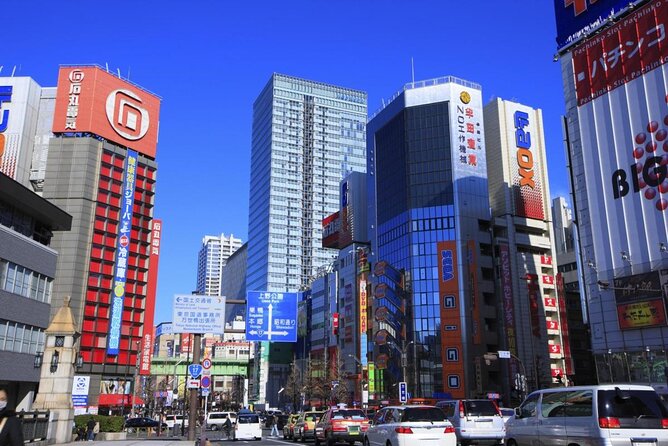
- Ask anything, then get a route built around your tastes instead of a generic checklist
- Prebooked stops help you keep momentum in Akihabara’s crowded lanes
- Free admission for several key stores, so most of your spending is optional souvenirs
- Mandarake Complex and ONODEN are targeted for anime, manga, toys, and retro game browsing
- Maidreamin is a cultural stop, but budget separately for what you order
- Taito Station Print Club adds a fun, customizable photo keepsake beyond shopping
Why This Akihabara Tour Feels Different Than a Usual Walk
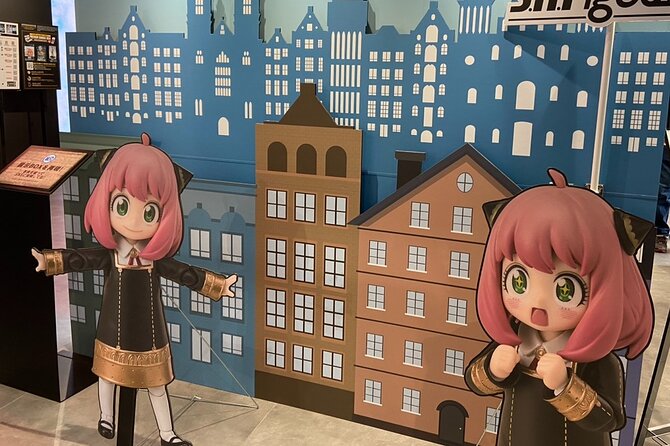
Akihabara is famous, but that doesn’t mean it’s easy. Store signs overlap. Crowds move fast. And if you’re not sure what to look for, you can end up drifting past the good stuff. This tour keeps things focused without making it feel strict. You get a guide who understands the categories, the shopping rhythm, and the little “how do I find this?” questions that matter when you want limited items, retro hardware, or specific kinds of manga.
What I like best is that you’re not stuck doing the same photos everyone else does. This tour is built around your interests, from the games you played to the art style you want to study. Plus, the guide also shares recommendations for the rest of your trip, which is handy when you want a smooth day after Akihabara instead of scrambling.
One more practical win: it’s designed as a half-day block, about 3 hours, so it’s short enough to fit cleanly into an itinerary, but long enough to hit multiple store types and still take a breath.
You can also read our reviews of more private tours in Tokyo

Price and Logistics: When $99 Makes Sense
At $99 per person for roughly 3 hours, you’re paying for three things: (1) an English-speaking guide, (2) a private setup just for your group, and (3) someone handling the experience flow, including prebooked elements so you don’t waste time. If you’ve ever tried to plan an Akihabara day on your own, you’ll know how much energy that takes.
Also, several major stops have free admission tickets, including ONODEN and Mandarake Complex, plus the Gachapon Hall and the Taito Station stop listed on this itinerary. The only “likely extra spend” you should plan for is the maid cafe, since food and drinks aren’t included, and of course merchandise purchases are always optional.
Transportation to the meeting point is not included, so you’ll want to factor in how you’re getting there. The good news is the meeting spot is by Akihabara Station (1-chome Sotokanda, Chiyoda City), which is convenient for rail access.
If you’re traveling with kids, friends, or a mixed group of anime fans and casual shoppers, a private guide can also cut down on stress. You can keep everyone moving while still tailoring the day.
Meeting at Akihabara Station, Then Letting the Guide Set the Pace
You start and end back near the Akihabara Station area. That matters more than it sounds. In Tokyo, a “quick change” often means extra train hops and a longer walk than you expect. Staying anchored around the station zone keeps your day efficient.
Because this is 100% private, the tour works like a conversation plus a shopping route. You can ask your questions in real time, and the guide can slow down or move faster depending on what you’re aiming for. That’s especially important in Akihabara, where one street-level detour can turn into a 20-minute wander if you don’t have a plan.
You’ll also get a mobile ticket, which is useful in Tokyo since you don’t need to juggle paper tickets. And the tour is designed for most travelers to participate, so unless you have a strong reason you can’t handle basic walking through shops, this is a straightforward way to experience the area.
Stop 1: ONODEN Fourth Floor for Anime Merch You Can Actually Browse
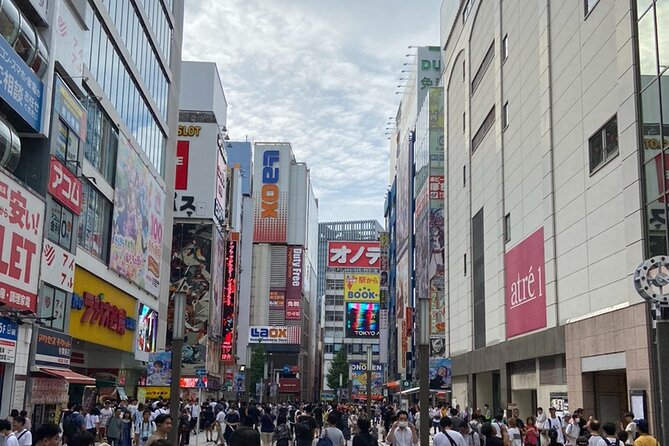
ONODEN starts off looking like a typical electronics store. Then you head up to the fourth floor, and the vibe shifts hard into anime merchandise territory. This is the kind of place where browsing is the point, but only if you know what to look for. A guide helps you avoid the “I walked through it all, but I still don’t know what’s good” problem.
Even with 45 minutes, you won’t hit everything in Akihabara. So having ONODEN early is smart. You get a sense of what’s available right now, how merchandise is arranged, and what kinds of items tend to show up in that store’s ecosystem.
What’s great here is the feeling of discovery without chaos. You’re not trying to decode product labels while dodging crowds. You can focus on series, character goods, and what might be worth buying now versus later.
A small drawback: if you’re the type who loves deep research on rare items, 45 minutes can feel short. In that case, you’ll treat this stop as a “set your direction” moment, then spend more at later stores that fit your specific obsession.
Stop 2: Mandarake Complex for Manga, Toys, and Collector-Style Hunting
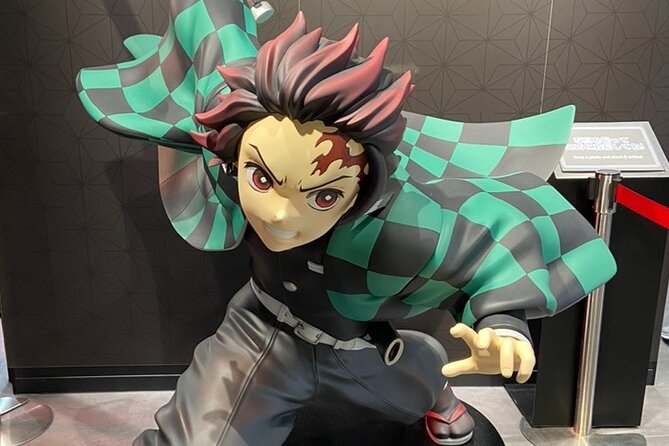
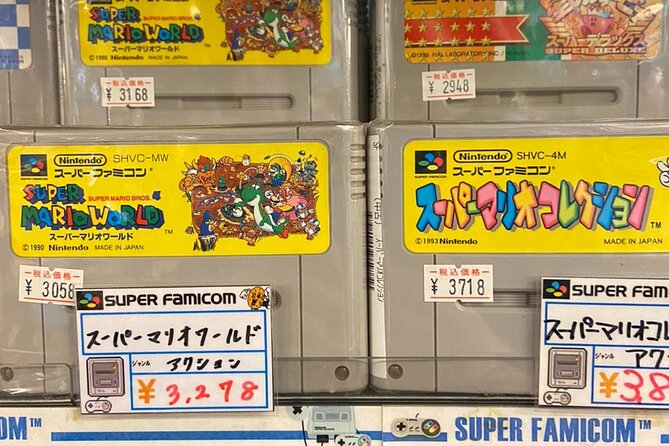
Mandarake Complex is the stop for when you want Akihabara in full collector mode. It’s a multi-story building with lots of shops under one roof, covering manga, comics, anime-related items, toys, hobby goods, dolls, CDs and DVDs, cosplay items, doujinshi, and even game-related merchandise.
You get 45 minutes here, which is the right window for skimming categories, checking condition, and comparing prices without turning it into an all-day scavenger hunt. A good guide can help you understand what “type” of item is likely to be in each area. That’s huge if you’re hoping to find something specific like a certain manga format, a particular art-related item, or retro gaming goods.
Mandarake is also where you learn the rhythm of buying in Akihabara. You’re not just paying for an item, you’re paying for context: what’s in stock, what’s popular, and what’s priced like a casual purchase versus a collector-grade find. If you’re coming to Akihabara to bring home souvenirs that feel meaningful rather than random, this is one of the best places on the route.
One consideration: Mandarake’s range can be overwhelming. If you go in without a target, you can burn time on browsing. The value of a private tour is that you can tell your guide what you want, then let them point your time toward the right sections.






Stop 3: Maidreamin Akihabara for Maid Cafe Culture, Not Just a Photo
Next comes a different kind of Akihabara experience: Maidreamin Akihabara Head Store, a maid cafe stop. This is where you get a taste of Japan’s pop-culture hospitality style: staff in maid outfits, entertainment elements, and a themed cafe environment that’s designed around interaction, not only food.
You’ll have 50 minutes, and the itinerary notes that admission is not included. Food and drink are not included either, so you should budget for what you order. If you’re sensitive to spending at themed venues, this is the one part of the day to plan around.
Why this stop is still worth it: a maid cafe isn’t just a gimmick. It’s a cultural artifact of Akihabara’s scene, and it can be a fun break between shopping-heavy stops. You also get a chance to ask questions about what you’re seeing, like how the atmosphere works and what the etiquette tends to be.
A practical tip for your day: treat it like a “pop-culture intermission.” If you eat in a normal cafe elsewhere, you might not fully get why people come to themed spaces. If you do want that experience, set aside a little extra money so you can relax and enjoy it.
Stop 4: Akihabara Gachapon Hall for Quick, Low-Stress Souvenir Fun
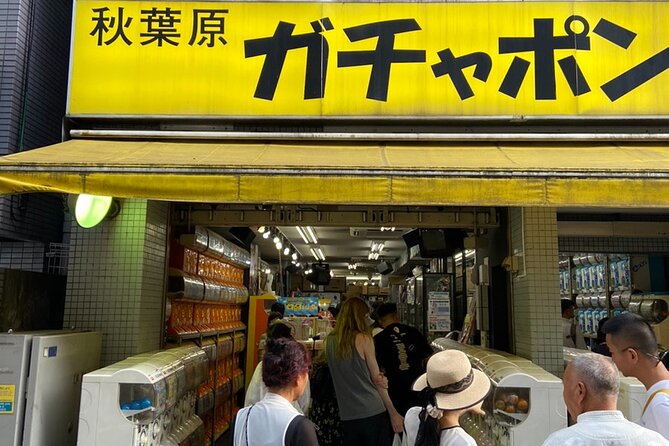
Then it’s time for something lighter: Akihabara Gachapon Hall. If you’ve never tried Gachapon, this is where you should. These capsule toy machines are everywhere in Japan, but the fun here is choice. You get 20 minutes and free admission, and the itinerary encourages you to take your time picking one you actually like.
This is a clever stop because it gives you a “small win” option. Instead of committing to a bigger purchase on a store shelf, you can bring home a small collectible that fits your mood and budget. And because it’s quick, it’s also a nice way to reset after bigger browsing stops like Mandarake.
The potential drawback is also simple: the time window is short. If you’re the kind of person who wants to compare every single machine in the hall, 20 minutes might feel tight. Still, with a private guide, you can ask what machines tend to be popular for your interests so you don’t waste the whole session making decisions.
Stop 5: Taito Station Akihabara and the Print Club Photo Keepsake
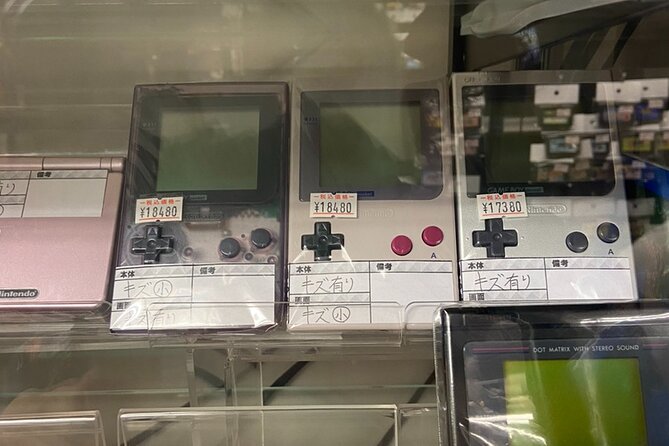
The final stop is the kind of souvenir that doesn’t take up shelf space. At Taito Station Akihabara, you’ll use a photo booth called Print Club. The idea is simple and fun: you take a photo, then you add stamps and decorations so it looks more adorable and stylized.
You’ll get 20 minutes here, and the itinerary lists admission as free. That’s a great deal, because it means the “cost” is mostly your personal preference for how you decorate the final image.
Why I think this stop matters: not every Akihabara memory should be a bag of merchandise. This gives you something shareable and personal, like a mini keepsake from your day. It’s also a nice change of pace if you’re starting to feel shopping fatigue. You’re doing something playful, not hunting.
If you love creating content, this is the kind of activity that translates well into photos without needing a perfect place or angle.
Shopping Strategy: How to Use a Private Guide Without Losing Your Wallet
This tour is perfect for souvenir buyers, but you still need a plan. Akihabara can tempt you into impulse purchases that feel cool in the moment and annoying later. The private guide format helps here because you can ask what tends to be worth it.
Here’s how I’d handle it:
- Tell your guide what you collect, like manga, retro games, specific series goods, cards, or cosplay items.
- Ask what’s best to buy at each stop. Some places are naturally stronger for certain categories.
- Buy one “big” item where you know you’ll find it, then use the smaller stops like Gachapon for mood-based extras.
The itinerary also calls out limited edition cards as a possible highlight to look for, which fits the Mandarake and specialty shopping vibe. Since merchandise purchases are not included, you’re in full control of your spend. That freedom is part of the value.
Also, remember that this is a short route. If you want to maximize value, don’t treat every stop as equal time. Prioritize what matters most to your interests, then let the rest be exploration.
Guides, Q and A, and Why the Feedback Stands Out
The most praised aspect here is the guide themselves. People highlight that guides like Yuya, Yui, and Outa can answer questions with confidence, explain context, and provide translations when needed. That matters in Akihabara, where signage and product details can be hard to parse if you are not fluent.
The other strong theme is usefulness beyond the stores. Guides also offer recommendations for the rest of your trip, which turns the tour from a single activity into a smoother overall Tokyo plan. That’s a real quality-of-life upgrade.
You’ll also notice how the tour aims to avoid the typical “shopping parade” feeling. It’s designed as a conversation plus preplanned stops, not a rigid conveyor belt. Still, one balanced note from real-world experience is that sometimes a private shopping-style tour can end up feeling like you stayed in a smaller area longer than expected if your group’s tastes concentrate the day. So keep an open mind, and if you have a tight list of stores you want, ask early so the guide can shape time around it.
Who This Tour Suits Best (And Who Might Want Something Else)
This is a strong match if you:
- Love anime, manga, or games and want a day that feels made for your exact interests
- Want a guide for translation and context, especially for manga art, series history, or collector-style items
- Prefer a private format so you can ask questions without feeling rushed
- Want both shopping stops and an activity, like the Print Club photo booth, that creates an easy keepsake
It may not be the best match if you:
- Prefer total independence and don’t want to plan your day with a guide
- Are only looking for a few specific stores and you already know exactly what you want to buy
- Have a strict budget and you don’t want to pay for anything at the maid cafe
For most people, though, this hits a sweet spot: you get structured time, targeted stops, and room to customize.
Should You Book This 100% Private Akihabara Tour?
If your goal is a fun, efficient Akihabara day focused on anime, manga, and games, this booking is an easy yes. The pricing makes sense because the guide work and prebooked stops save you time, and multiple key stops have free admission tickets. You control the spending since merchandise and maid cafe food and drinks are the optional extras.
Book it if you want your Akihabara day to feel like you’re talking to someone who actually understands the categories. The standout value is the Q and A style and the ability to customize your experience. At an average rating of 4.9 and 93% recommending, it’s also a pretty safe bet that the guide experience will be strong.
If you’re traveling on the tightest budget possible, or you strongly dislike the idea of themed cafes, you could still enjoy most of the stops, but you should be clear going in about the maid cafe cost and how you’ll handle souvenirs.
Either way, come with at least a few series, games, or collectible types in mind. Then let the guide turn that list into a route that feels personal.
FAQ
How long is the Akihabara anime, manga, game, and pop culture tour?
It runs for about 3 hours.
Is this tour private?
Yes. It is a private tour, and only your group participates.
What is included in the price?
An English speaking guide and a customizable experience are included. You also receive a mobile ticket.
What is not included?
Transportation fee to the meeting points, food and drink at the maid cafe, and merchandise purchases are not included.
Which stops are part of the itinerary?
The tour includes ONODEN, Mandarake Complex, Maidreamin Akihabara Head Store, Akihabara Gachapon Hall, and Taito Station Akihabara (Print Club photo booth).
Is admission free for all stops?
Admission tickets are listed as free for ONODEN, Mandarake Complex, Akihabara Gachapon Hall, and Taito Station Akihabara. The maid cafe stop lists admission as not included.
Where does the tour start and end?
It starts at Akihabara Station (1 Chome Sotokanda, Chiyoda City, Tokyo) and ends back at the meeting point.
Can I cancel for a full refund?
Yes. You can cancel for free up to 24 hours in advance for a full refund.
How far in advance do people typically book this tour?
On average, it is booked about 57 days in advance.
More Private Tours in Tokyo

More Tours in Tokyo


More Tour Reviews in Tokyo
Not for you? Here's more nearby things to do in Tokyo we have reviewed












Akihabara Tours, side by side.
 ★ 5.0Official Street Go-Kart Tour – AkihabaraFrom $611,578 reviews
 ★ 5.0Tokyo Go Kart: Asakusa, Skytree, and Akihabara **IDP MUST**From $99988 reviews
 ★ 5.0Akihabara Anime & Game Adventure Walking Tour (Group or Private)From $90404 reviews
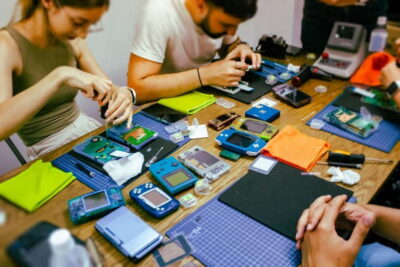 ★ 5.0Gameboy Mod Workshop at AkihabaraFrom $360253 reviews
 ★ 5.0Akihabara Tailor-made Private Tour for Anime FansFrom $132142 reviews
 ★ 5.0Original Street Kart Experience from AkihabaraFrom $51111 reviews
 ★ 5.0Ramen Making from Scratch +Akihabara Tour –Tokyo Cooking ClassFrom $123107 reviews
 ★ 5.0Tokyo’s Must-Sees: 5-hour Tsukiji, Akihabara & Asakusa TourFrom $10188 reviews
This tour also belongs to