
Carving chopsticks in Shinjuku feels weirdly calming. In a small workshop on the 10th floor of the Shinjuku West Building, you shape wood into something you will actually use, guided step by step in English. I like that it is beginner friendly, with a calm pace that turns a busy area like Shinjuku into a quiet craft moment.
What I love most is the hands-on result. With patient instructors such as Masa, Koji, Yuki, and Mimi, you get practical coaching with traditional tools and techniques, plus time to ask questions without feeling rushed. One caution: the class price includes two wood choices, but add-ons can show up, especially if you want different wood types or extra engraving.
Key things that make this Tokyo chopstick class special
- You take home your own pair, wrapped and ready to use or gift
- Traditional tools, real technique, not just a quick craft demo
- English support that stays clear, with instructors known for patience like Shu, Koji, and Mimi
- Wood choice affects difficulty, so pick what fits your comfort level
- A small room for carving, with a limited number of seats and working tables
- Optional personalization may cost extra, such as engraving add-ons
Why this Shinjuku chopstick class is a great use of your time
Tokyo has a way of filling your calendar fast. This is one hour that slows you down. You are not sightseeing your way through the day. You are making something with your hands, piece by piece, until you have a functional set of chopsticks you shaped yourself.
I also like that it is not performative. The goal is simple and satisfying: carve, smooth, finish, then wrap. You learn a little about why chopsticks matter in Japan, which makes the souvenir feel more meaningful than a random trinket from a storefront.
If you have never carved anything before, you will still be fine. The workshop is designed for beginners, and many instructors are praised for staying calm when a piece of wood does not cooperate.
More Tokyo tours and experiences for the shortlist


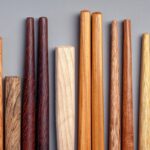
Finding the workshop: 10th floor in Shinjuku West Building
Start by getting the logistics right, because Shinjuku is busy and the workshop is not on street level. Meet at the 10th floor of the Shinjuku West Building. Use the elevator. The building is close to the post office and is also known for being near 617 Bar.
If you like having a backup plan, the coordinates are 35.6959774, 139.6984349. Having that written down helps if you are walking with Google Maps.
A small perk: the experience includes skipping the ticket line. That means you can focus on settling in and starting the craft.
The workshop flow: what happens during your 60 minutes
This is a one-hour class, so the pace stays efficient. You will spend your time carving and finishing, not waiting around.
Here is the flow you can expect, in the order that makes sense inside a short workshop session:
Step 1: Choose your wood and get set up
You pick from the included wood options. The class lists two types of wood included. People do note that the wood you choose can change how easy the carving feels, so take the recommendation from the staff seriously if you are new to this.
Once you have your piece, you sit at your station. The setup is built for making. You are not working on a stage, and you are not competing for attention.
Step 2: Carve the chopsticks using traditional tools
This is the core of the class. You carve your chopsticks using traditional and authentic tools and Japanese techniques. You will shape the wood into chopstick form, guided by the instructor.
A big theme from many instructors is patient, hands-on correction. When someone struggles, staff step in quickly, often suggesting how to adjust your grip and pressure so you do not lose your shape.






Step 3: Smooth and finish so they look and feel right
After the carving comes finishing. The class includes smoothing and finishing steps so your chopsticks are not just roughly shaped. This is where the experience feels calming, because you shift from heavy shaping to careful refinement.
In a short session, the instructors keep you moving, but they also slow down when you need it. That balance is why the class works even if you have never done anything like this before.
Step 4: Personal touches, optional engraving, and wrapping
Most people leave with a pair that already feels personal because it is uniquely yours. You can personalize how you like during the process, and the chopsticks come wrapped in a special way so they are easy to take home or gift.
Optional engraving can add more personality. Reviews mention engraving as an add-on (often 2000 JPY), so treat it like a nice bonus rather than something guaranteed to be included in the base price.
Wood choice: how to pick without making it harder than it needs to be
The class includes a choice of wood, with two types included in the ticket. That sounds simple, but carving difficulty can vary.
Here is the practical way to think about it:
- If you want a smoother experience, choose what the instructor suggests for beginners.
- If you feel confident with handwork and want a stronger challenge, choose the wood option that matches that.
One review notes you might struggle depending on the type of wood, so do not treat wood choice like a purely aesthetic decision. It affects how the carving feels while you are doing it, and you want the hour to feel fun, not frustrating.
Also note that some instructors mention wood upgrades can cost extra if you want a higher qualified option. If budget is tight, stick with what comes with your ticket.
The cultural meaning you learn, without turning it into a lecture
A good craft class explains the point behind the craft. This one includes a cultural element: you learn the cultural meaning of chopsticks in Japan and why the tools and techniques matter.
You do not need to be a Japan-history expert. The class keeps it practical, and the lesson clicks because you are literally shaping a daily-use object while you hear the context.
This is one reason the souvenir sticks. You are not just buying something that looks Japanese. You are making an object that has a real place at Japanese tables.
Instructors and the small-room vibe that keeps it friendly
Tokyo workshops can range from crowded and rushed to genuinely relaxed. This one tends to feel small and focused.
One account describes a small room with a limited number of working tables and seats. That matters because you get help when you need it, and you are not stuck waiting your turn.
Instructors get repeat praise for being supportive and encouraging. Names that pop up often include Masa, Koji, Shu, Yuki, Mimi, and others. If you want a specific kind of vibe, this class generally leans toward patient coaching with clear instructions in English.
If you are traveling solo, that friendly coaching also helps. You are working near other people in the same activity, so it is easy to chat lightly, but you still have your own carving station and your own output.
Take-home value: your chopsticks are the whole point
At the end, you leave with your handmade chopsticks. They come in special wrapping, which makes them feel like a real take-home craft, not just a souvenir you assemble later.
This matters for two reasons:
- The value is not only the time, it is the object you create in that time.
- The story is built in. You can say, I made these in Shinjuku, and you will actually use them.
Many people also add photos during the process. Some staff are described as taking pictures for participants, which is a nice touch if you want a memory that does not rely on asking a stranger for help.
Price and value: why $12 can feel like more than it is
The price listed is $12 per person for a one-hour class. For Tokyo, that is on the affordable side, especially because you leave with a finished pair of functional chopsticks.
What you get for the money:
- A guided workshop
- Traditional tools and authentic technique
- Choice of two wood types included
- English-speaking staff
- Your own chopsticks to take home, wrapped
Potential “value tradeoffs” to keep in mind:
- Engraving and upgraded materials may cost extra.
- Wood selection can affect how quickly your chopsticks turn out the way you want.
Still, the core experience is hands-on and outcome-driven. You do not spend the hour watching. You make.
Who should book this class, and who might not love it
This is a strong fit if you want a break from queues and subway transfers. It works especially well for:
- Families looking for an activity that is creative and hands-on
- Friends who want a shared story, not another group photo stop
- Solo travelers who want to meet people in a relaxed way and still go at their own pace
- Anyone who enjoys making things, even if you start with zero experience
You might want to think twice if you dislike crafts that require patience, or if you are the type who gets stressed when tools and materials behave unpredictably. Even then, the instructor support is a real plus, and many beginners finish with chopsticks they feel proud of.
Practical tips to get the best hour
A few no-drama tips can help your session go smoothly:
- Choose your wood thoughtfully if you are new. Ask what the instructor recommends for beginners.
- If you want engraving, budget for it since it is commonly described as an add-on.
- Be ready for an activity that is physical and hands-on. Your chopsticks improve with your attention during the shaping and smoothing stages.
- Ask for help early if something feels off. Instructors are praised for stepping in and guiding people back on track.
Should you book this Tokyo chopstick making class?
Book it if you want a calm, creative hour in Shinjuku that ends with something you can hold, use, and gift. The class is beginner friendly, the guidance is in English, and instructors like Masa, Koji, Shu, Yuki, and Mimi are repeatedly praised for patience and clear help. For the money, $12 feels fair because you leave with a real handcrafted result.
Skip or reconsider if you know you will not enjoy handwork, or if you only want low-cost extras with no add-ons. The base includes two wood choices, but upgrades and engraving can add cost.
If you are looking for one activity that feels distinctly Tokyo without being complicated, this chopstick workshop is a solid choice.
FAQ
Where is the meeting point for the Tokyo chopstick making class?
Meet at the 10th floor of the Shinjuku West Building. You should come up using the elevator. The building with 617 Bar is close to the post office, and the coordinates are 35.6959774, 139.6984349.
How long does the class last?
The duration is 1 hour.
What is the price per person?
The price is $12 per person.
Is the class instruction available in English?
Yes. The staff and instructor provide English instruction.
What’s included in the price?
You get the chopstick making workshop, English-speaking staff, a chance to make your own chopsticks, choice of wood (two types included), and use of traditional and authentic tools.
Can I take my chopsticks home?
Yes. You carve your own chopsticks and take them home. They are provided with special wrapping.
Are there different wood types I can choose from?
Yes. The class includes a choice of wood, with two types included in the ticket price.
Is engraving included?
Engraving is not listed as included in the standard package, but engraving is available as an extra add-on (some reviews mention a cost such as 2000 JPY).
Is this activity beginner friendly?
Yes. It is designed to be beginner friendly and calming, and it includes English guidance throughout.
Is there free cancellation?
Yes. You can cancel up to 24 hours in advance for a full refund.
Is reserve and pay later available?
Yes. You can reserve now and pay later, keeping your plans flexible.
More Workshops & Classes in Tokyo

More Tour Reviews in Tokyo
Not for you? Here's more nearby things to do in Tokyo we have reviewed












Shinjuku Tours, side by side.
 ★ 5.0Shinjuku Food Tour (13 Dishes at 4 Local Eateries)From $866,603 reviews
 ★ 5.0Tokyo Bar Hopping Tour in Shinjuku (All-You-Can-Drink + Dinner)From $1063,587 reviews
 ★ 4.9Shinjuku Food Tour (15 Dishes and 4 Eateries)From $852,033 reviews
 ★ 5.0Best of Shinjuku: Izakaya Food Tour (4 Stops, 14+ Tastings)From $921,863 reviews
 ★ 4.9Shinjuku Local Bar and Izakaya Guided Walking TourFrom $341,794 reviews
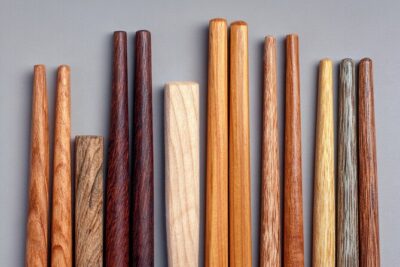 ★ 5.0Tokyo Shinjuku Chopsticks Making ClassFrom $201,763 reviews
 ★ 5.0Tokyo Shinjuku Sumo Show & Experience with PhotoFrom $791,750 reviews
 ★ 5.0Tokyo Night Foodie Tour in Shinjuku – Seasonal Sushi, Wagyu BeefFrom $1111,161 reviews
This tour also belongs to