
Review · WORKSHOPS
Chopstick Making Workshop in Ginza
Carving chopsticks is oddly satisfying. In the heart of Ginza, this hands-on workshop turns a simple souvenir into a real skill, where you pick your wood first, then shape and finish your own pair using classic tools.
I especially liked two parts: choosing from 24 wood types (with upgrades if you want a harder or fancier grain) and getting plenty of help in plain English when my technique got shaky.
One thing to consider, though: you will use real arm strength. The planning step takes pressure, and the smoother you want the result, the more time you will spend sanding.
Key Things I’d Actually Remember
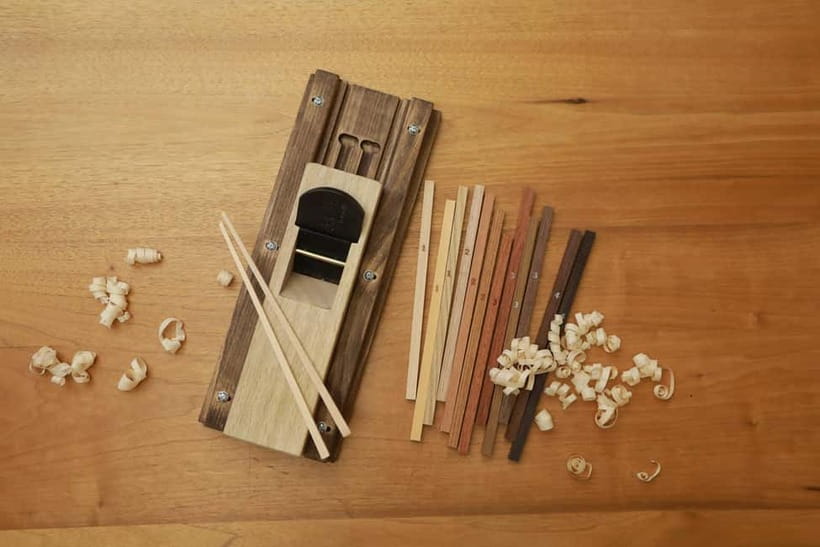
- 24 wood choices plus two lengths, so you can tailor your chopsticks to taste and difficulty level
- Plane first, sand second, which is the fastest path to that crisp, even shape
- Oil finish you can feel, not just something that looks nice
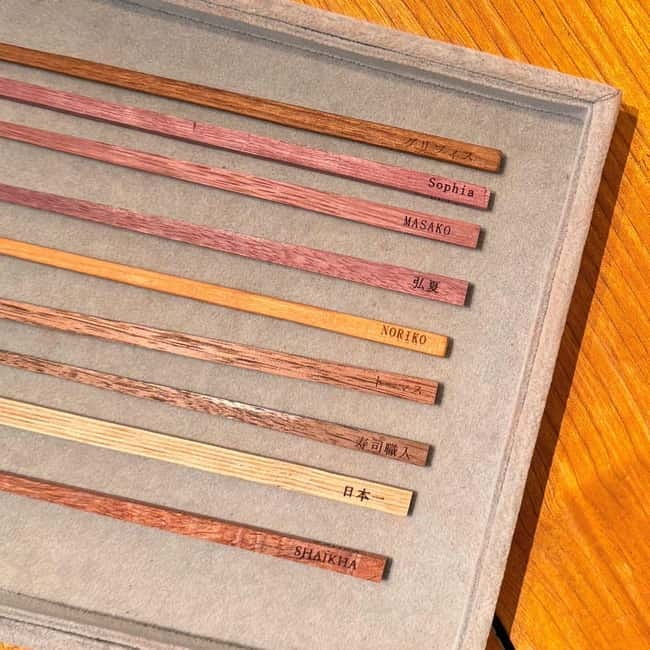
- Optional laser engraving for names or phrases in Japanese or your native language
- You take the chopsticks home the same day, so the payoff is immediate
Chopstick Making in Ginza, right in the Tokyo shopping core
This workshop sits in central Ginza, so it works well even if you are already doing the big-brand streets and department store loops. The setting is practical, focused on woodworking, not a showroom where you watch someone else do the work.
What makes it appealing is the mix of precision and simplicity. You are making something you will use, and you control key choices like wood type, length, and whether you add engraving. That turns it from a quick photo stop into a small project with a clear start, middle, and finish.
More Tokyo tours and experiences for the shortlist


Picking from 24 woods and two lengths, and why it matters
Your first real decision is the wood. You choose from 24 types of wood and two lengths, then you start the shaping process. If you want the process to feel easy and forgiving, go with a wood that is easier to plane and sand. If you want a challenge, pick a harder or more unusual option.
Cost-wise, not all woods are the same. Five types are included with the basic price, and the remaining 19 higher-grade woods come with additional charges. A lot of people upgrade because the grain looks better and the final feel can be more special, but the pricing can creep up if you are not paying attention at the start.
From what I learned, olives and other trickier grains can be harder to work with. That does not mean you should skip them, it just means you should expect a bit more effort at the planning and smoothing stages, and you may want to slow down to avoid frustration.
The 1-hour flow, from planning to sanding to oil
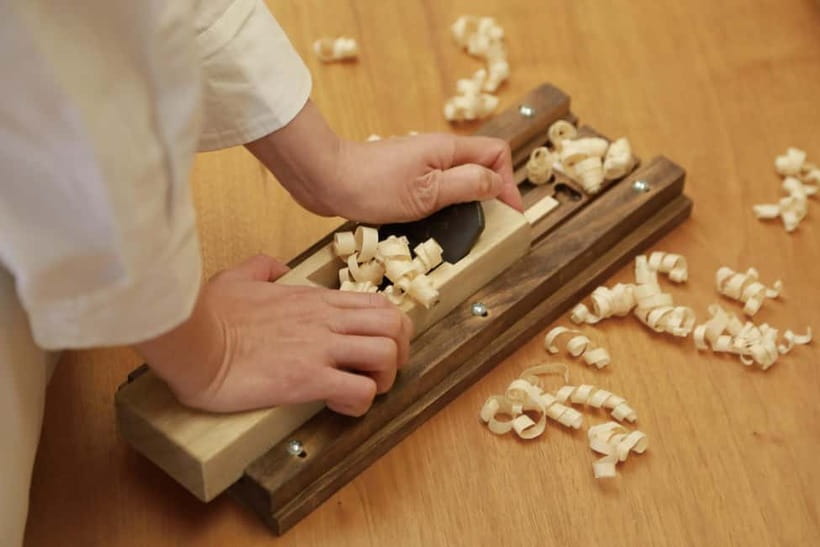
The class is built around a clear sequence. You place your selected chopsticks on a stand, then you plane them with a tool that takes steady pressure. That is the part that feels most like actual shop work, and it is also the step where good coaching helps the most.
Next comes smoothing. You use sandpaper to refine the corners and tips until they feel comfortable in your hand. This is where your preference matters. If you like a sharper edge, you can stop earlier. If you want that polished, slick feel, plan on spending more time sanding.
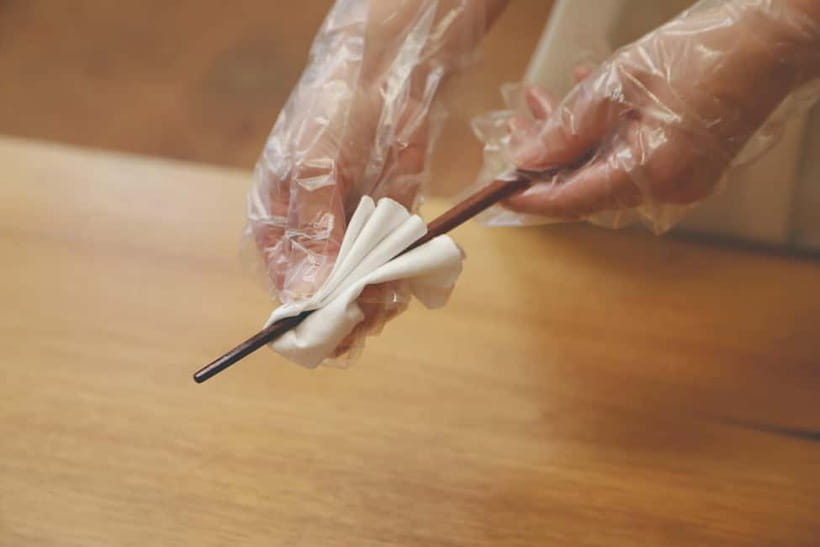
Then you apply oil for the finish. This coating step is small, but it changes how the wood looks and how pleasant the chopsticks feel. And the best part for planning your day is that you take the finished chopsticks home on the same day. No waiting for shipping, no holding your breath for a final pickup that never comes.
Using tools the right way, and not getting stuck
This is not a pottery class where everything is prepped for you. You are learning to use a plane correctly, and it takes effort. Several guides are there to help, and when you are working through different stages at once, they keep checking in so you are not left guessing.
I liked that the instruction feels step-by-step. Names like Tina and Waka come up for their patience and hands-on guidance, and other instructors such as Kotoha, Shion, and Koko are described as helpful throughout the workshop. Even if your Japanese is limited, you are supported by staff who can speak English.
One practical tip: if you have long hair, consider a hair tie. During the planning and sanding steps, your posture and arm movement can get physical, and keeping hair out of your face makes the hour calmer.
Laser engraving your names or phrase, in Japanese or your native language
If you want a truly personal souvenir, the engraving option is the move. You can have your name engraved, and you can also choose a favorite phrase. The workshop offers engraving using a high-performance laser that uses gentle stress on the wood, which helps it look clean rather than hacked up.
This does cost extra. The data says an additional 1,100 yen charge, and in practice you may see it applied per set or per pair, depending on how many you make. Either way, if you are paying for upgrades already, engraving is the easiest way to make the chopsticks feel like they belong to you every time you use them.
You can engrave in Japanese or your native language. That flexibility matters if you want something meaningful, like a family name, a trip date, or a phrase that is not meant to be translated.






Price and value: what you pay for beyond the final souvenir
The base price is about $25 per person for the workshop and 1 hour of instruction and tool time. Importantly, the guide fee of 1,000 yen is included. That matters because you are not paying just for materials, you are paying for people to teach the process while you work.
Value depends on your choices. The included wood options are a real starting point, but upgrades can add cost if you select higher-grade species. Engraving is also an extra. Still, even with upgrades, you are getting something most souvenir shops cannot offer: a pair of chopsticks you shaped with your own hands, plus a personalized finish you can keep using.
If your goal is a quick, cheap keepsake, this might feel pricier once you add better wood and engraving. If your goal is a memorable, practical craft that produces something you will actually reach for at home, it often feels like good value.
Who should book this workshop, and who should skip it
This workshop is best for people who enjoy hands-on work, even if you are a total beginner. The class is described as beginner friendly, with instructors available when you struggle, and many people treat it as a fun day activity.
It is also a good fit for small groups who want a shared project. Couples and friends can choose different woods and compare results, and families with older kids often find it a satisfying challenge.
Age matters. It is not suitable for children under 3 years, and it is not suitable for people over 70. On the other hand, it is wheelchair accessible, so mobility is not an automatic barrier.
Timing in the real world: how to make the most of your hour
The workshop runs for 1 hour, with starting times based on availability. Plan to arrive a few minutes early. Even in a super central area like Ginza, it is easy to end up at the wrong door on the first try, because addresses are sometimes tight on short streets.
Once you are seated, pace yourself. The planning step needs focus, and sanding is where you get control of the final feel. If you are the type who wants an extra-smooth result, you might be tempted to rush. The better approach is steady work, and take advantage of the instructors staying around to help.
Also, know that the room can be busy. The advantage is that multiple instructors help different participants at different stages, so you can keep moving. The consideration is that if you are easily overwhelmed by noise or people, you might prefer a quieter time slot.
Final call: should you book Chopstick Making in Ginza?
I think you should book it if you want a Tokyo activity that gives you something useful, not just something photographed. The combination of real tools, clear steps, and the ability to choose your wood makes it feel more authentic than many “craft” stops in tourist zones.
Skip it if you are looking for a relaxing, effortless souvenir. You will do manual work with a plane and sandpaper, and the day can feel more physical than you expect. Also keep an eye on cost creep, because upgrading wood types and adding engraving are real add-ons.
If you want a hands-on Ginza memory you can use every day, this is a strong bet. You will leave with chopsticks that reflect your choices, your technique, and your taste, not just a generic set from a shelf.
FAQ
How long is the chopstick making workshop in Ginza?
The workshop lasts 1 hour.
Where is the meeting point?
The meeting point is 2-9-13 Ginza, Chuo-ku, Tokyo.
How much does it cost?
The price is listed at $25 per person.
What is included in the experience fee?
It includes the chopstick making workshop, the use of tools and materials, and English-speaking staff. A guide fee is included in the experience fee.
Can I take my chopsticks home the same day?
Yes. You can take the finished chopsticks home on the day.
Do I have to pay extra for engraving?
Engraving is optional and costs an additional 1,100 yen. You can engrave your name or a favorite phrase in Japanese or your native language.
Are all wood types included in the base price?
No. Five wood types are free of charge. The remaining 19 higher-grade wood options cost extra.
Is it wheelchair accessible, and are there age limits?
It is wheelchair accessible. It is not suitable for children under 3 years old, or people over 70 years old.
What if my plans change before the workshop?
You can cancel up to 24 hours in advance for a full refund. You can also reserve now and pay later.
More Workshops & Classes in Tokyo

More Tour Reviews in Tokyo
Not for you? Here's more nearby things to do in Tokyo we have reviewed












Workshops, side by side.
 ★ 5.0Sushi Making Tokyo Roll and Authentic Japanese Sushi ClassFrom $593,971 reviews
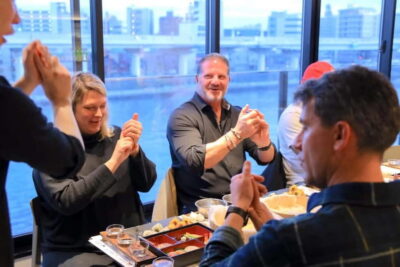 ★ 4.9Roll and Authentic Sushi Making Class in AsakusaFrom $581,957 reviews
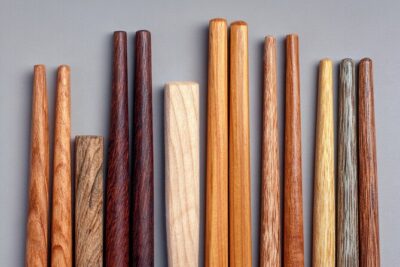 ★ 5.0Tokyo Shinjuku Chopsticks Making ClassFrom $201,763 reviews
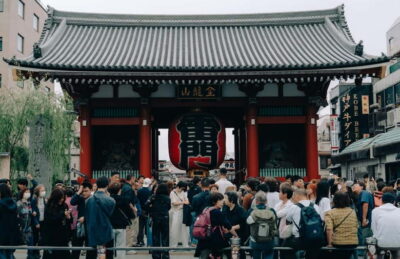 ★ 4.9Sushi Making Class in a Happi Coat near a Famous SpotFrom $421,377 reviews
 ★ 5.0Tokyo Sushi Making Class in Tsukiji with Professional ChefFrom $491,177 reviews
 ★ 5.0Ramen & Gyoza Cooking Class in Tokyo with Local Supermarket VisitFrom $122823 reviews
 ★ 5.0Matcha Making Class in Tokyo with Authentic Japanese Sweets SetFrom $21744 reviews
 ★ 5.0Samurai Sword & Archery Class from Samurai DescendantFrom $193603 reviews
This tour also belongs to