
Review · TOKYO SUMO EXPERIENCES
Tokyo: Sumo Morning Practice Viewing Tour
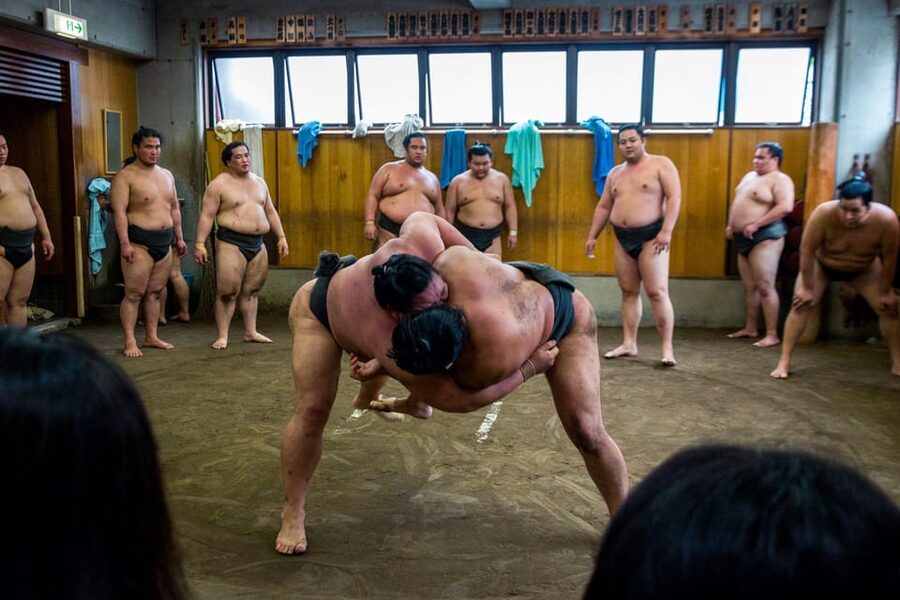
Sumo practice feels up close and personal. This Tokyo morning tour takes you into a real, working sumo stable in Ryogoku, where wrestlers train every day and the sport still follows old Shinto roots and strict discipline, not a staged show. You get rare access to a private stable.
What I like most is the close quarters view of training, where you can see footwork, timing, and power for real. The other big win is the English guidance from a licensed guide, so you understand what you’re watching instead of guessing.
One consideration: this is not a casual sit-and-stroll visit. Quiet rules are strict, you have to stay until practice ends (about 09:00 to 10:00), and you cannot re-enter once you leave the stable.
Key points to know before you go
- Working stable access: You enter where wrestlers live and train, not a performance venue.
- Ryogoku location: You’re in the heart of Tokyo’s sumo district, near the main arenas and sumo eateries.
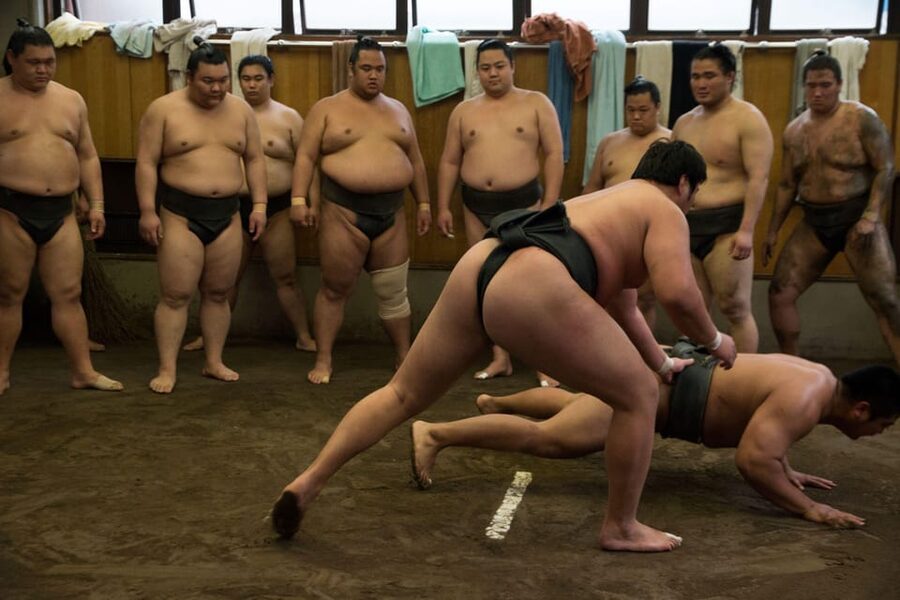
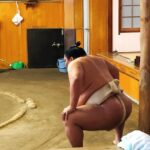
- Close-up training: Expect to sit very near the dohyō, where bouts start fast and intensity is real.
- Strong guide support: Guides such as Yuko, Oku San, Yoko, Noriko, and Kaz are frequently praised for clarity and organization.
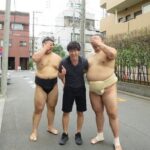
- Photo depends on the day: You might be able to take photos with wrestlers after practice.
Ryogoku, the sumo neighborhood where morning feels different
Ryogoku is Tokyo’s sumo center, and you can feel it in the streets. This tour is built around that location, because the stable experience is tied to the daily rhythm of training and the culture around the sport. You start your morning with a short walk or transfer from the meeting point, then head into the stable area where everyone involved treats this like work.
If you want more than the usual “tourist sumo” and you care about seeing how athletes actually prepare, this neighborhood matters. The stable is part of the real ecosystem that supports tournaments, rank climbing, and the routine that runs nearly year-round.
More Tokyo tours and experiences for the shortlist
Entering a real sumo stable, not a show
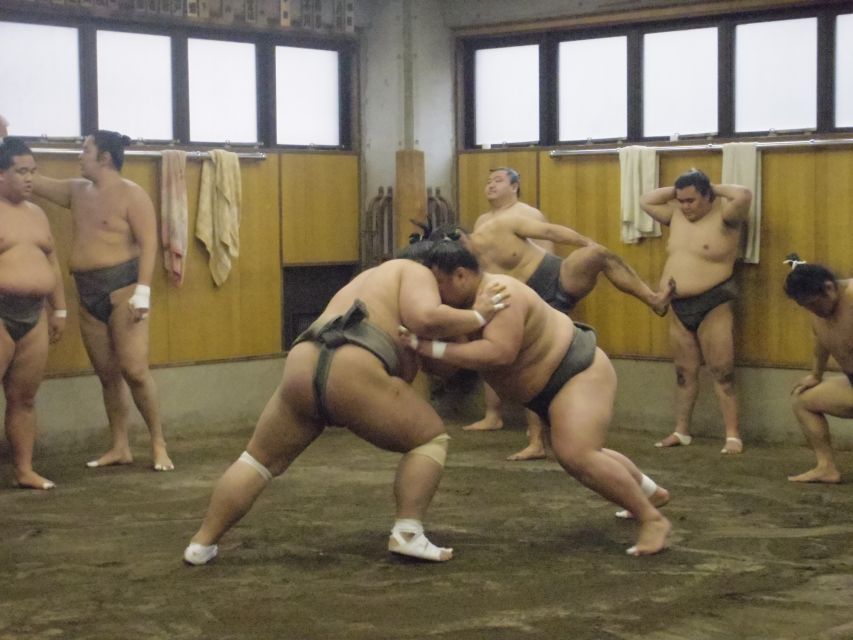
The best part here is simple: you’re allowed inside a sumo stable that is usually not open to the public. Stables are typically reserved for sponsors, so entry is special even for Japanese locals. On your visit, you watch morning practice as it happens for the people who train there every day.
You also get a chance to talk with your English-speaking guide, and you may interact with the stable staff or wrestlers depending on the day’s flow. Several guides are mentioned in real-world bookings, including Oku San and Noriko, and many people highlight how welcoming the coach or dojo staff feels after practice.
This is why the experience lands. It’s not about clever staging. It’s about respectful access to a working space, where the sport’s traditions shape every drill.
What you actually see during the training session

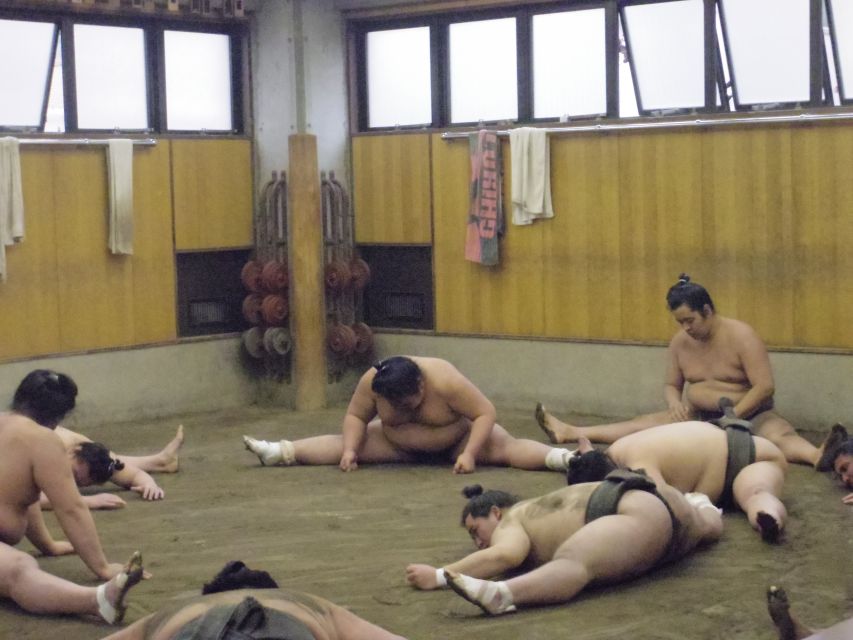
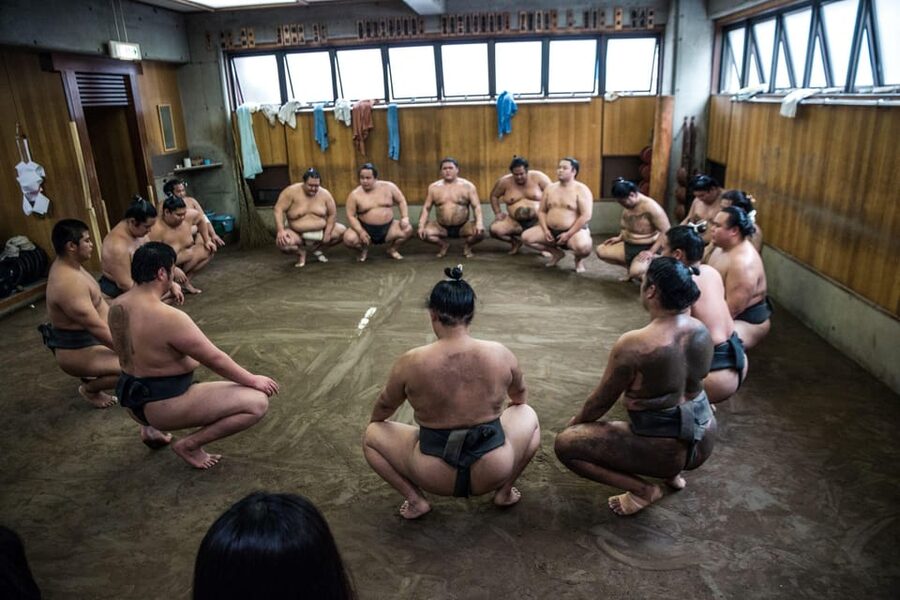
Your main activity is watching sumo morning practice straight through until the end. The practice window is usually about 60 to 90 minutes, depending on the day, and it runs roughly 09:00 to 10:00. That timing is important. Sumo training is intense, and the early session has momentum, not just warm-ups.
What you’ll notice quickly:
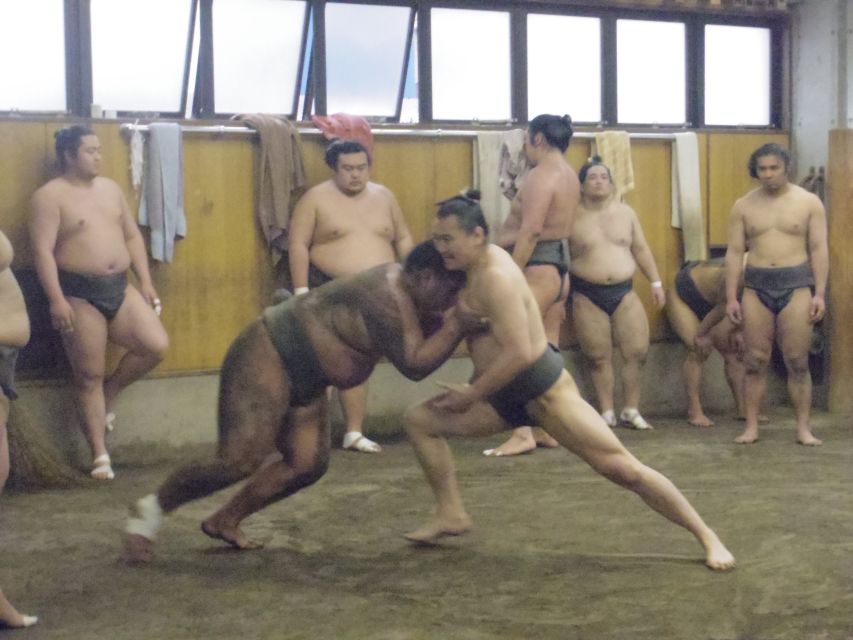
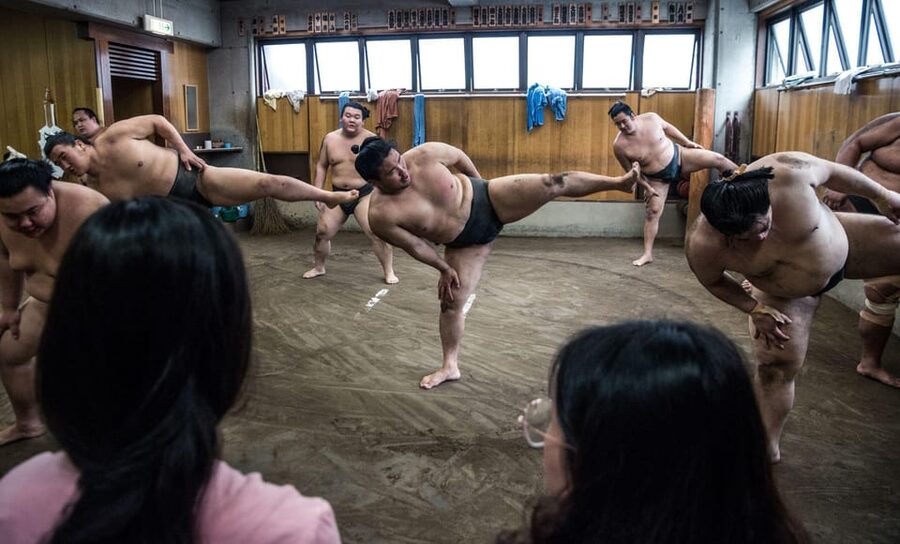
- Bouts and drills happen in cycles. You might see repeated practice of pushing and grappling, with wrestlers returning to reset without turning it into a casual hangout.
- The focus is technique and control, not just strength. Even when you’re sitting a few feet away, it doesn’t feel like a random contest. You start spotting how small changes in stance and grip change outcomes.
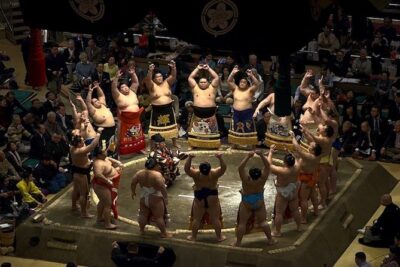
- You’re watching preparation for tournaments. Sumo’s big events happen six times a year, and training is organized to reach those moments in peak shape.
Some days, the practice includes higher-ranked wrestlers presiding over training or working alongside others, and bookings mention examples like Terunofuji and well-known names such as Enho and Takerufuji on certain visits. Don’t count on specific wrestlers each time, but do take heart from the fact that you are watching real training, not a generic demo.
Your guide’s job: turning noise into understanding
Sumo can look chaotic if you don’t know what to watch. This tour helps you connect the action to meaning through a licensed English guide and clear explanations.
In bookings, guides such as Yuko, Yoko, and Kaz are praised for being both informative and organized. People mention guides giving explanations during the walk to the stable, then pointing out what matters as practice unfolds. Some groups also receive English help sheets or cards to follow while they sit silently.
Here’s why that matters for you:
- You’ll understand basic rules like what ends a bout (forcing an opponent out of the ring or causing any part of the body to touch the ground).
- You’ll pick up the sport’s cultural framing, including its traditional ties to Shinto beliefs.
- You’ll recognize drills as part of a larger training goal for tournament performance.
If you want a sumo “crash course” that still feels respectful, the guide is the bridge between sport and culture.
The stable rules are strict, and that’s part of the point
This isn’t a place where you can treat the experience like a museum. The stable is a workplace, and you’ll need to act like it.
Plan for rules like:
- No hats or sunglasses
- No flash photography
- No video recording
- No food or drinks
- Phone on silent
- Modest clothing only
- Don’t stand up or move around during practice
- Stay until the end, then you’re done (no re-entry)
That last one matters. Once you leave, you cannot go back in. So if you’re the type who likes to sneak in and out for photos, adjust your mindset. Sit down, watch, be quiet, and let the morning session play out.
Also note who this tour is not suited for. It’s not recommended for children under 11, and it’s not suitable for people with mobility impairments. If that affects your group, you’ll want to consider other sumo viewing options.






Timing and pacing: what the 90 minutes really feel like
The flow is straightforward. You meet your guide at a meeting point that can vary by booking, then travel to the stable. The walk or transfer is usually short, and you’ll get about 15 minutes heading over before you start watching.
After that comes the main event. You remain seated and quiet through the practice period, which can run from about 60 minutes to a bit longer depending on the day. Several bookings say the hour went by fast, which makes sense. When the wrestlers train up close, you stop “waiting for something to happen” and start reacting to each change in movement.
One practical tip: arrive early when you can. Front-row seats can depend on arrival time, and at least one booking notes that arriving first meant a better view for photos.
Photo time with wrestlers, when it happens
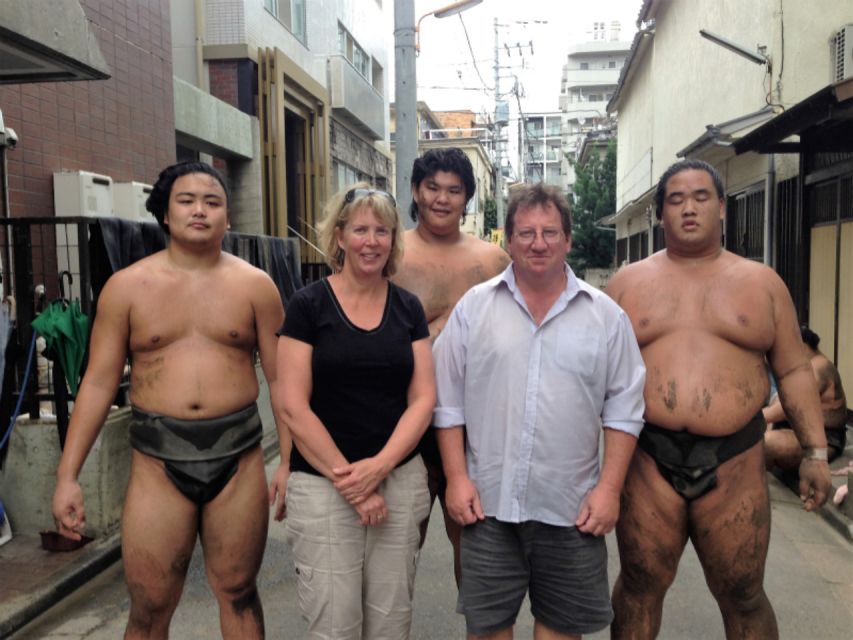
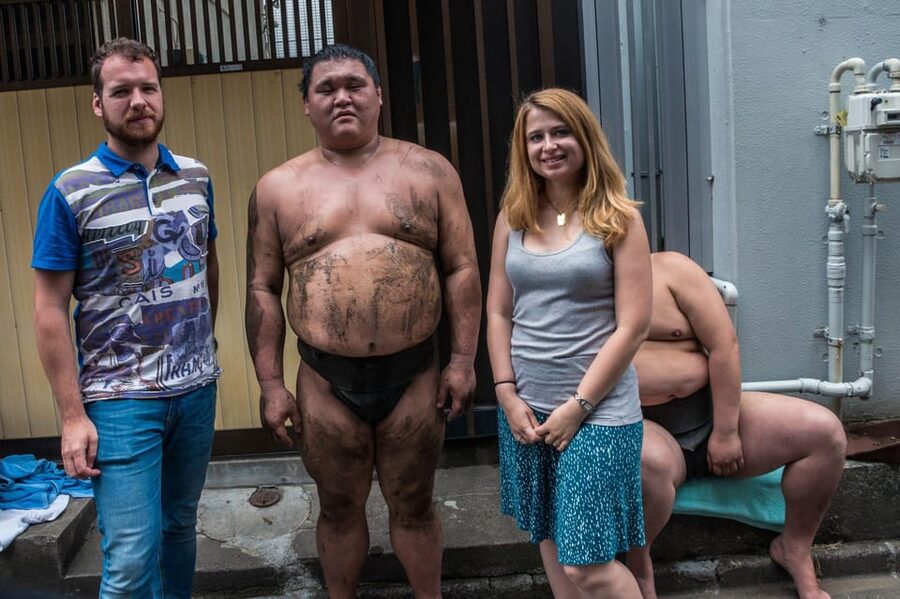
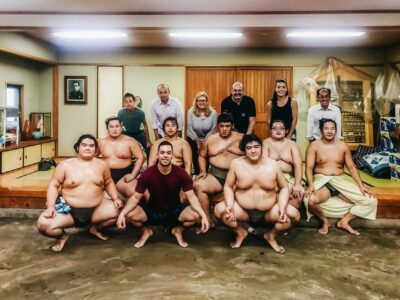
Photos are listed as included when available, so you should think of it as a bonus rather than a guarantee. On some days, you may get the chance to take a photo with wrestlers after the practice session ends.
If getting a photo is a priority, keep the rules in mind and be ready when the opportunity comes. Also bring yourself into “calm mode” before practice, because once the session starts, you’ll want to focus on watching quietly. The best photos usually happen when you’re already positioned and paying attention rather than scrambling for last-second moments.
How worth it is $81 for a sumo morning?
At $81 per person for roughly 90 minutes to 2 hours, this isn’t a bargain price. But it’s not overpriced for what you’re buying either. You’re paying for:
- Access to a private stable that normally stays closed to the public
- A licensed English guide who explains what you’re seeing
- Real training time with minimal tourist interference
- Close viewing distance, which you simply don’t get in most arenas if you’re not there for a tournament
Most people compare this experience favorably against canned sumo “shows,” because training is sharper, more technical, and less performative. It can also feel more intimate. Several bookings describe the experience as intimate, with seats that can be close enough to feel the physical force of practice.
Is it for everyone? If you want action you can talk through, or you dislike rules and quiet, you might find it harder than you expect. But if you enjoy watching discipline and want the behind-the-scenes version of Japan’s national sport, this price starts to make sense.
After practice: Ryogoku meals and what to do next
Once the tour finishes, you’re well positioned to continue your sumo morning with food. The stable area sits in Ryogoku, and you can easily access sumo meal restaurants after the session.
If you’re building a full day around sumo, here’s the smart move: use what you learned during practice as your warm-up for any later tournament plans. Some bookings specifically mention that understanding the sport beforehand made a tournament visit more enjoyable, because you can follow techniques and match flow with less guesswork.
Even if you don’t do a tournament, Ryogoku is worth lingering in. You’re already in the right part of Tokyo for this story.
Who should book this Tokyo sumo practice tour
Book it if:
- You want real stable access and a respectful look at how wrestlers train daily
- You like sports with deep rules, and you want help understanding them
- You’re comfortable sitting quietly and following instructions for about an hour or more
You might reconsider if:
- Your group needs wheelchair-friendly access, because this experience is not suitable for mobility impairments
- You’re traveling with kids under 11
- You struggle with long quiet periods or you’re hoping for a casual photo-and-walk style experience
This tour is especially good for first-timers to sumo, and also for people who already like martial arts. One booking mentions enjoying the technical aspect of training, including the drills and the intensity behind the matches.
Should you book this tour?
I think this is a strong choice if you want the best kind of Japan “special access,” the kind that teaches you something while it’s happening. The value comes from the stable itself, the guide-led explanations, and the fact that you’re watching a real training routine you would almost never see as a visitor.
Just go in prepared. Wear modest clothing. Leave your hat and sunglasses at the hotel. Silence your phone. Sit still. And give the wrestlers your full attention for the entire session, since there is no re-entry once practice ends.
If you want a sumo morning that feels authentic, organized, and genuinely different from arena shows, this is the one to put on your Tokyo schedule.
FAQ
What is the duration of the Tokyo sumo morning practice viewing tour?
It runs about 90 minutes to 2 hours, depending on the day’s practice timing.
What time does the practice happen?
The practice is typically around 09:00 to 10:00 AM, and you must stay until the end.
Where is the tour located?
The tour takes place in Tokyo’s Ryogoku area, where the sumo stable is located.
What is included in the tour?
You get a licensed English guide, real sumo stable viewing during training, and photos with wrestlers when available.
Are hats, sunglasses, and food allowed during the visit?
No hats, no sunglasses, and no food or drinks are allowed.
Can I take photos and videos?
Flash photography is not allowed. Video recording is not allowed.
Do I need to stay until the end of the practice?
Yes. You must remain until the end of the practice session, and once you leave the stable, there is no re-entry.
Is this tour suitable for children or mobility needs?
It is not suitable for children under 11. It is also not suitable for people with mobility impairments.
More Morning in Tokyo
More Tours in Tokyo


More Tour Reviews in Tokyo
Not for you? Here's more nearby things to do in Tokyo we have reviewed












Tokyo Sumo Experiences, side by side.
 ★ 4.8Sumo Show and Dining ExperienceFrom $792,742 reviews
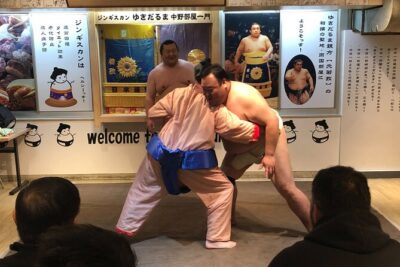 ★ 5.0the SUMO showFrom $891,960 reviews
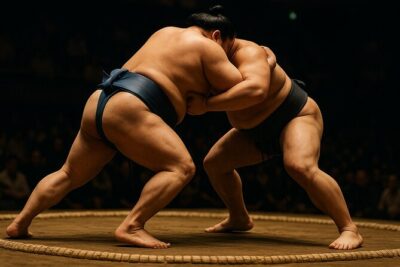 ★ 5.0Tokyo Shinjuku Sumo Show & Experience with PhotoFrom $791,750 reviews
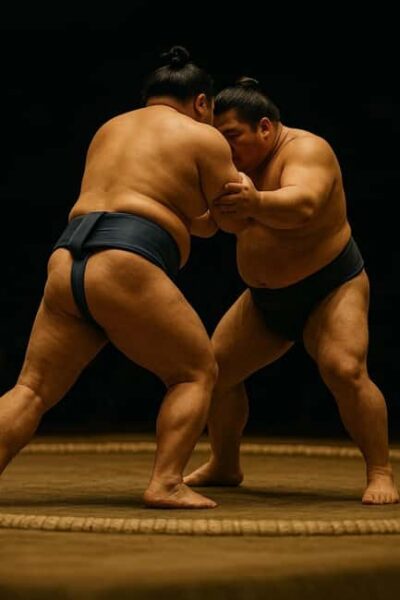 ★ 4.8Sumo Show and Experience in ShinjukuFrom $691,001 reviews
 ★ 4.7Luxury Sumo Show Experience & Japanese cuisine & DrinkFrom $103577 reviews
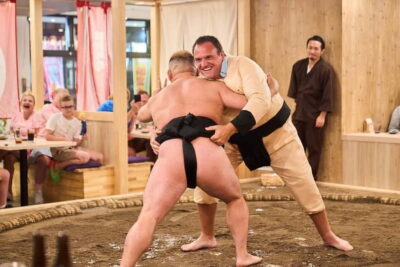 ★ 4.8Tokyo Sumo Experience: Chanko & Mochi with a Former ProFrom $103567 reviews
 ★ 5.0Ultimate Sumo Tournament: Tokyo, Osaka, Nagoya, FukuokaFrom $184468 reviews
 ★ 4.4Sumo Morning Training VisitFrom $77370 reviews
This tour also belongs to