
Review · TOKYO SUMO EXPERIENCES
Tokyo: Sumo Tournament with Guide & Assigned Reserved Seat
Sumo makes Tokyo feel ancient. With this Tokyo sumo tournament experience, you get an official Grand Sumo event at Ryogoku Kokugikan plus an English guide who helps you read what is happening in the ring, from the rules to the traditions. The reserved seats also mean you are not stuck guessing where you will land.
I really like the 30-minute guided setup before the matches, because it turns first-time sumo watching from noise into sense. The main drawback to weigh is the price. It is not cheap, and your seats are assigned rather than hand-picked, so you may not get the exact sightline you imagined.
Key points I’d prioritize before you book
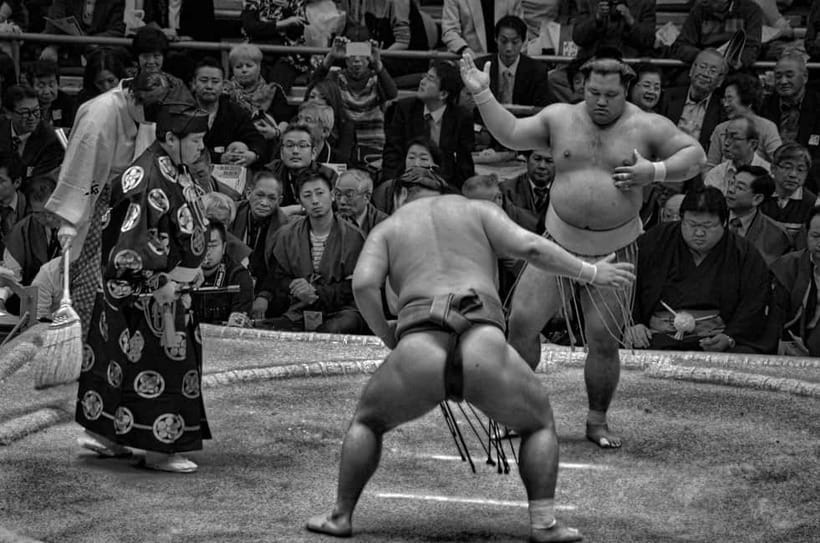
- Ryogoku Kokugikan is the real stage, for an official sumo tournament, not a watered-down show.
- English explanations of rules and rituals help you follow each bout, even if you start at zero.
- Reserved second-floor seating (B or C class) gives you guaranteed access, which matters in practice.
- Guides often share wrestler names, ranking basics, and what to watch for, so the match feels clearer.
- Some departures include extra stops in the sumo neighborhood, such as Ekoin temple and a nearby garden area.
- Your group experience can depend on seat assignment, since seating is assigned and may split people up.
Ryogoku Kokugikan: the reason this feels like a real event
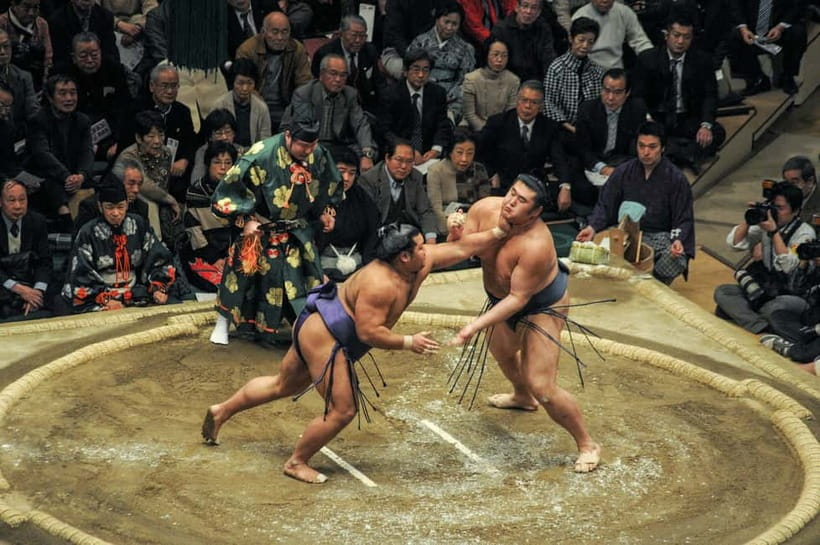
If you have only ever seen sumo clips online, you might not realize how much atmosphere changes when you are inside Ryogoku Kokugikan. This is one of Japan’s top venues for an official tournament, and it shows. The day is structured like a ceremony, not just a sports schedule, with clear timing that builds toward the moments you came for: the bouts.
There is also something calming about knowing you are watching at the correct place, with the correct tournament format. Instead of trying to piece together what you are seeing, you can focus on the match itself and what surrounds it, the pre-bout rituals, the way wrestlers present themselves, and the discipline that sits behind what looks simple on camera.
And yes, your reserved seat matters here. You are going to want a stable view. Even if you have good eyesight, carrying a wandering search for a decent spot can drain the energy you should be spending on watching.
You can also read our reviews of more guided tours in Tokyo
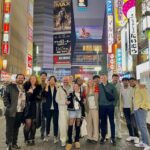
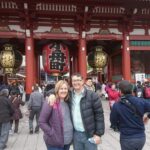
The guide’s 30 minutes: how it changes what you see in the ring
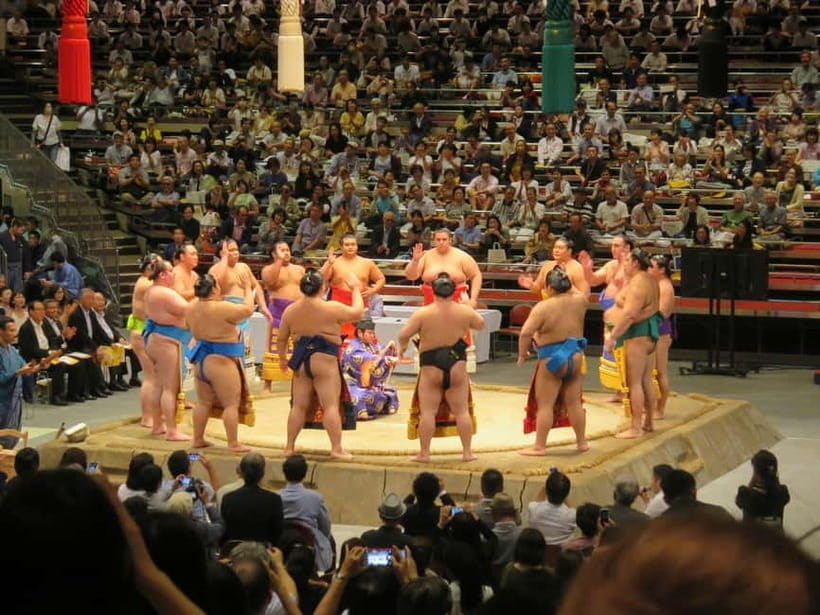
The schedule gives you about 30 minutes of guided time before you settle in for the main action. That may sound short, but it is a smart use of time for anyone new to sumo. Instead of waiting until you feel confused, you get an early map of what matters.
Here is what the guide is set up to cover: rules, rituals, and the ranking system, plus the cultural significance behind what looks like strict pageantry. This is exactly the kind of context that helps you stop thinking, they are just pushing, and start noticing why the opening movements, stance, and sudden shifts matter.
This is also where the guide style really matters. From the guide names shared in past experiences, you might run into guides like Jorge, George, Mili, Micky (or Mikki), Cesar, Lily, Erik, Erik, or others. What pops up again and again is that the guide does not just recite facts. They help you understand what to look for so you can follow along when the pace speeds up.
One practical note: some people found group size can make explanations harder to hear. So if you are sensitive to loud rooms, pick a place where you can listen, and use your questions early. If your guide encourages questions, ask them while you still have that warm-up stage. It pays off later during the bout flow.
Your reserved seat in B or C class: what to expect on the second floor
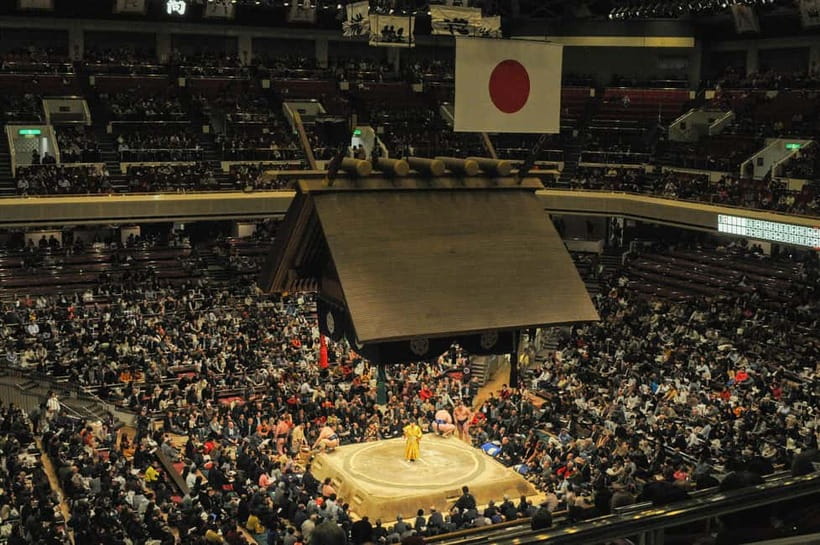
You get reserved seating in B or C class, located on the second floor. That is a big piece of the value, because it guarantees you a spot in a venue where seats can be difficult to secure. It also means you can plan your timing without worrying you will arrive and find yourself shut out.
The reviews include a consistent theme: people felt the experience improved when they knew what to watch, not just where to sit. Still, your seat position will influence the level of satisfaction. Many guests say they had clear viewing and enjoyed soaking up the atmosphere.
At the same time, pay attention to the seat assignment reality. Some experiences mention that seats are assigned and that groups can be split up. If you are traveling with friends you want to sit beside, or you are picky about sightlines, this is a consideration. You may not have a chance to choose exact seats.
Also, remember this is a live tournament. Expect crowd noise and the kind of intensity you cannot fully capture on a phone screen. Your best bet is to arrive ready to watch and to let the guide handle the translation.
What happens during the 4 hours at the tournament
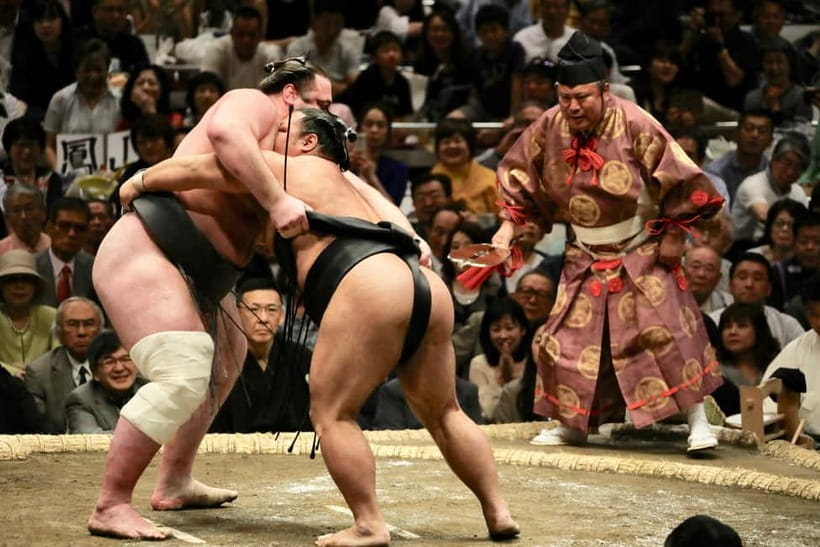
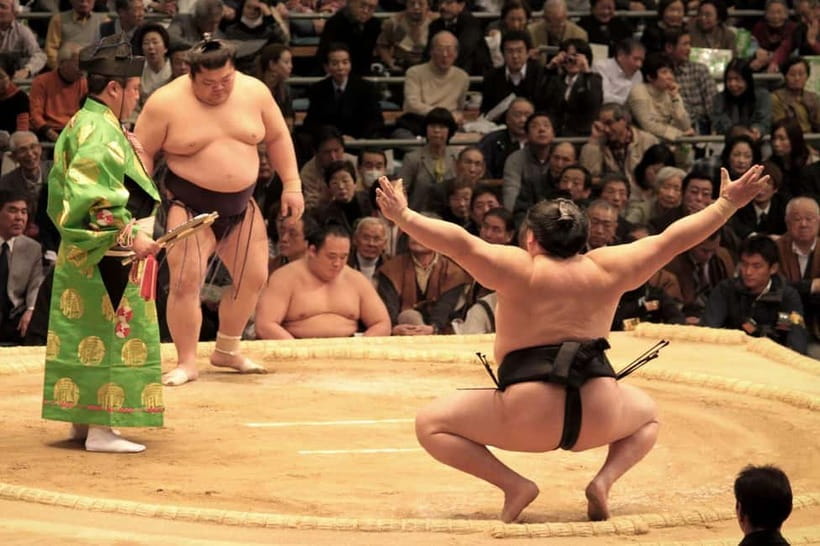
Once you enter the main venue time, the schedule shifts into the heart of the experience, about 4 hours of viewing. This is where you will see the tournament rhythm up close.
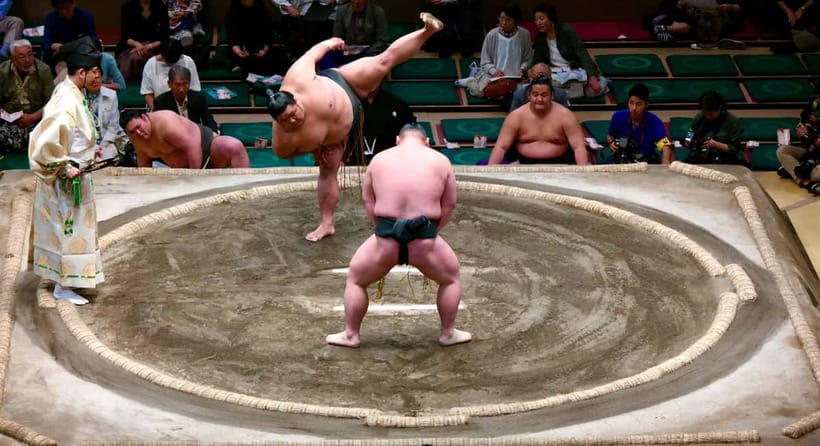
Because sumo is rule-driven and ritual-driven, the guide’s explanations do not stay in the past. When you learn what the ranking system implies and what the rituals signal, the bout feels like part of a larger system instead of random matches.
You will also likely get photo moments that feel almost storybook. The experience is designed to put you in front of the right visuals, so you can capture the setting without turning the day into a scavenger hunt.
And since the tour does not include food and drinks, the match time can feel more focused. You are not juggling a meal plan inside the venue. The tradeoff is that you need to handle your own snacks and hydration before you go, because the activity explicitly does not include food and you are not allowed to bring food and drinks into the experience.
Side stops near the sumo arena: temple and garden time
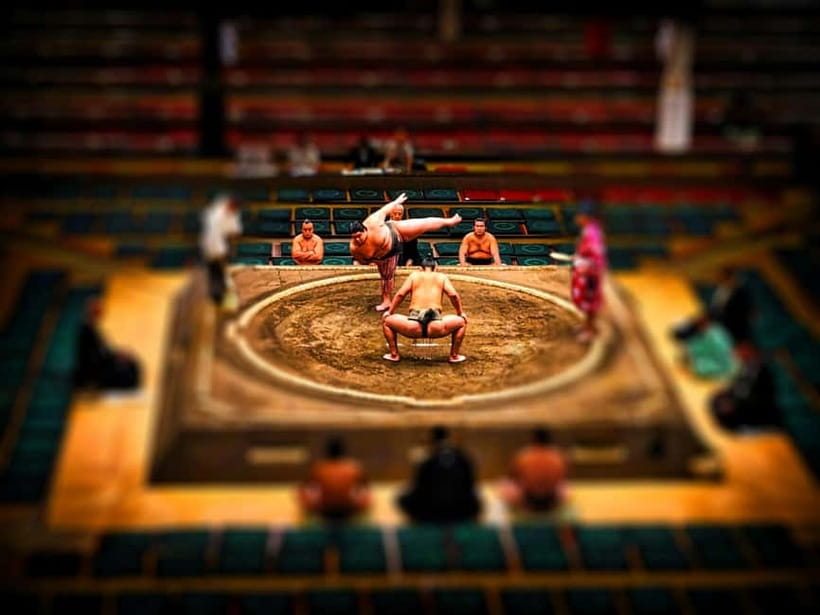
Some groups also add a bit of time in the sumo district. Past experiences mention Ekoin temple and a nearby garden near the arena as unexpected bonuses. Another key detail: meeting points can vary depending on the option booked, so your walk-in feel may differ.
If you like culture that is not just inside the stadium, these extra stops can be a welcome buffer. They give you a sense of how sumo lives in the neighborhood, not just on tournament days.
If your priority is strictly the tournament itself, be aware that these side stops might not be why you paid. A few people felt the extra time was not the main draw, or wished the guide spent more time on techniques and fight-level details instead of earlier history and landmarks.
My advice: think of the tournament as the core product, and the neighborhood stops as bonus flavor. That mindset keeps expectations aligned.






Price and ticket access: is it worth $209 per person?
Let’s talk money in a clear way.
You are paying $209 per person for:
- a sumo tournament ticket
- reserved seat B or C class on the second floor
- an English guide who explains rules and rituals
So you are not just buying admission. You are buying access plus interpretation plus guaranteed seating.
Why does that matter? Getting tickets through official channels can be hard, and if you fail to secure seats early you can end up with chaos. In that scenario, the package price starts to look less like a surcharge and more like stress relief with a guide built in.
Still, you should not ignore the pushback. Some experiences called the pricing high, even scalping-like, once they compared what a standalone ticket might cost versus the total package. That criticism has one practical point behind it: if you are only interested in the match and already have tickets in hand, then paying for a guide can feel optional.
So here is the value math you can use:
- If you want a sure seat and you are new to sumo, the guide can easily justify the package. Learning rules and rituals changes your experience, fast.
- If you are a sumo nerd who already understands the basics and you can get tickets without trouble, then you might see the price as too steep for what you already plan to do.
- If you do not care about detailed explanations and your only goal is to watch, you might prefer a simpler ticket option.
In other words, this is best treated as a guided cultural experience with reserved access, not a bargain ticket.
Logistics that can affect your comfort and your experience
A few practical factors can make or break the day.
No food or drinks: Plan to eat before you meet up. Also plan water at an earlier stage, because you are not meant to bring food and drinks into the activity.
Mobility limitations: This experience is not suitable for people with mobility impairments. If stairs or standing long periods are a problem for you, take that seriously.
Assigned seating: You are getting reserved seats, but assignment can split groups, and exact seat choice may not be possible. If your top priority is sitting together, or you want the best possible view on purpose, consider that before booking.
Meeting point varies: Your starting location can change depending on the option. Some options start around the Matsuura-Bungo Mansion site area. The key is to check your confirmation details and arrive with time to find your group.
Non-refundable: Once you book, you should expect it to be locked in. If your schedule is fragile, make peace with that before you pay.
Who this tour suits best, and who should rethink it
This tour fits you if:
- You are seeing a Grand Sumo tournament for the first time and want help understanding what you are watching.
- You care about ritual and cultural context, not just the result.
- You want the confidence of reserved access at a major venue.
It may not fit you as well if:
- You are extremely budget-driven and already can secure your own tickets.
- You need exact seat selection, or you must sit with a group member in the same row.
- You have mobility needs that would make stadium movement difficult.
- You are expecting deep wrestling techniques. Some feedback suggests you might want more bout-level detail, and the early landmarks and explanations may feel like too much for your specific interests.
My booking decision: should you book the sumo with guide package?
My take: book it if you want the day to make sense fast.
If you are new to sumo, the combination of reserved seating and an English guide who explains rules, ranking, and rituals is the difference between watching sport and experiencing a tradition. And if ticket hunting is stressful for you, this package buys time, certainty, and a guide who helps you get more out of the match.
If, however, you already know sumo basics and you can get tickets easily on your own, you might feel the price is paying for access you do not need. In that case, you would likely enjoy the tournament more by keeping costs down.
Either way, go in ready to follow along. Wear comfortable shoes. Expect noise. Ask questions in the warm-up stage. When the bout starts, you will know what you are looking at, and the whole thing lands with way more impact.
FAQ
Where is the Tokyo sumo tournament held?
The tournament is held at Ryogoku Kokugikan.
How long does the experience last?
It runs about 4 to 5 hours.
What seating do you get?
You get reserved seating in B or C class on the second floor.
Is food included or allowed?
Food and drinks are not included, and food and drinks are not allowed.
What language is the guide?
The live guide provides information in English.
Can the ticket be refunded if plans change?
This activity is non-refundable.
Is it suitable for people with mobility impairments?
No, it is not suitable for people with mobility impairments.
More Guided Tours in Tokyo


More Tour Reviews in Tokyo
Not for you? Here's more nearby things to do in Tokyo we have reviewed












Tokyo Sumo Experiences, side by side.
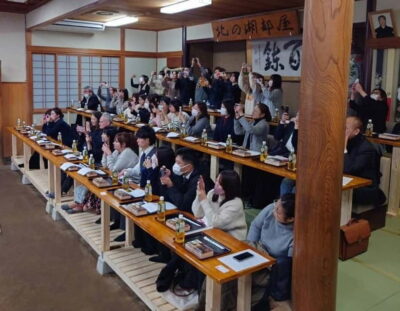 ★ 4.8Sumo Show and Dining ExperienceFrom $792,742 reviews
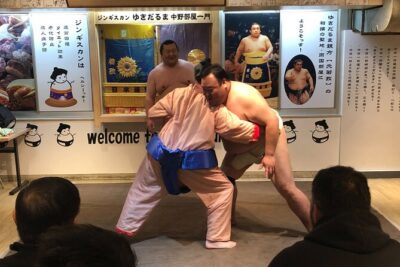 ★ 5.0the SUMO showFrom $891,960 reviews
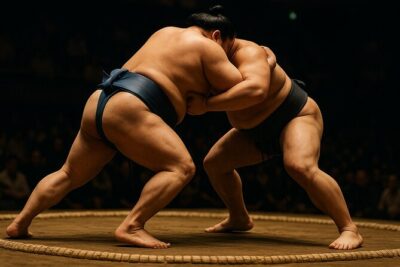 ★ 5.0Tokyo Shinjuku Sumo Show & Experience with PhotoFrom $791,750 reviews
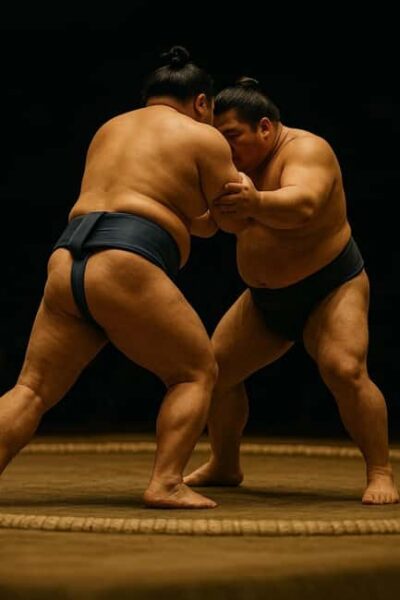 ★ 4.8Sumo Show and Experience in ShinjukuFrom $691,001 reviews
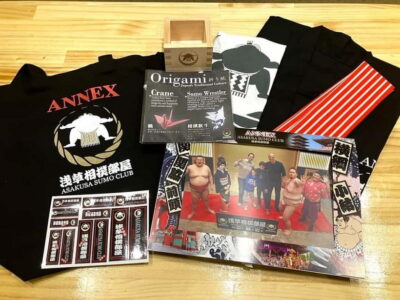 ★ 4.7Luxury Sumo Show Experience & Japanese cuisine & DrinkFrom $103577 reviews
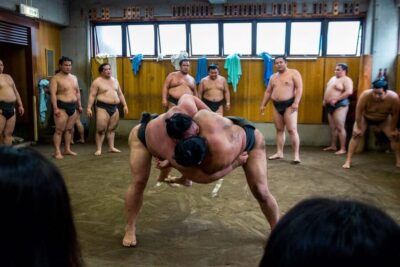 ★ 4.8Sumo Morning Practice Viewing TourFrom $81570 reviews
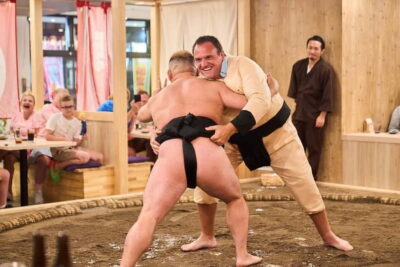 ★ 4.8Tokyo Sumo Experience: Chanko & Mochi with a Former ProFrom $103567 reviews
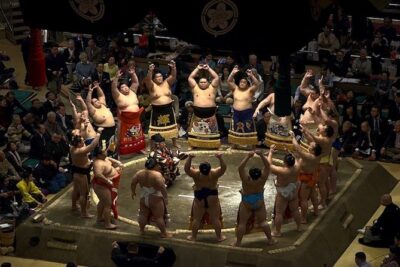 ★ 5.0Ultimate Sumo Tournament: Tokyo, Osaka, Nagoya, FukuokaFrom $184468 reviews
This tour also belongs to