
Review · TOKYO FOOD TOURS
Tokyo: West-Side Cycling and Food Tour with Guide
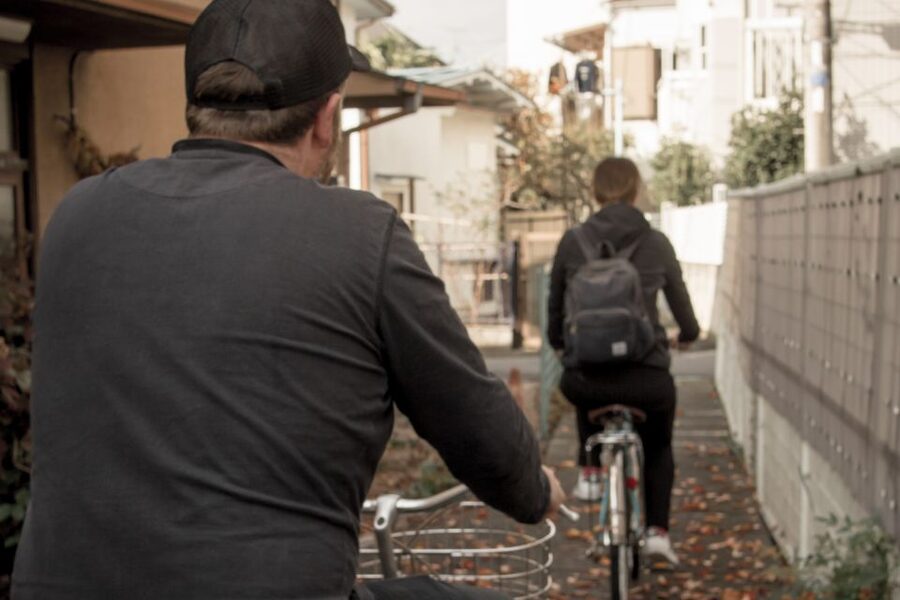
West Tokyo clicks on two wheels. In 3.5 hours, you ride mamachari bikes through everyday neighborhoods like Nakano, Koenji, and Asagaya, then eat local snacks with an English guide who explains daily habits. I love the way the route pushes past the main tourist lanes, and I love the cultural insight that turns random street scenes into something you understand. One possible drawback: you need solid comfort riding through tight, sometimes uneven streets.
This tour is built for the street-level Tokyo that happens between train stops, in side alleys, and around local hangouts. You’ll also get hands-on context for how Tokyo cycles, including the country’s bicycle parking habits that you usually only notice when you ride yourself. Expect the pace to be leisurely, but the streets still demand attention.
Food is a big part of the point here: a simple Japanese lunch, two popular street food eats, and one bottled drink are included. The guide also helps with the small stuff, like how to handle vending-machine drinks and how to work up the nerve to share counter space with hungry locals.
Key takeaways before you pedal
- Mamachari bikes feel authentically Tokyo, even if they can be a little creaky and squeaky
- West-side neighborhoods matter more than big landmarks (Nakano, Koenji, Asagaya)
- You get street food plus a plain-language explanation of how locals shop and snack
- Tokyo cycling culture shows up fast when you learn the bicycle parking rhythm
- Comfort on a bike is the real requirement, not museum stamina
Starting at Koenji Station, the calm before the ride
The meet up is at Koenji Station on the JR train network. It is a quieter suburban stop than the major hubs, about 6 minutes from Shinjuku and roughly 18 minutes from Shibuya. That matters because you start the tour in a less frantic pocket of Tokyo, then gradually move into busier neighborhood streets.
Look for the guide outside the ticket gates about 5 minutes before the start. You’ll know them by a baseball cap. Then the key rule: this tour leaves on time, so late arrivals will miss part of the route. If you hate stress, plan to arrive early, even if it feels silly on a normal day. In Tokyo, trains run well, but tour groups still need everyone together.
Once you’re on the bikes, you’ll feel the change from train-platform life to neighborhood life. That shift is where this tour earns its value.
You can also read our reviews of more food & drink experiences in Tokyo

Mamachari bikes, real street skills, and how long you’ll be riding
This is a cycling and walking mix, built around salvaged mamachari bicycles. In practice, that means a practical commuter style bike with a front basket, the kind many locals use for errands. You ride at a leisurely pace, and the overall cycling distance is about 12 to 15 km, which is roughly 7.5 to 9.5 miles.
Here’s the requirement that decides whether you’ll enjoy it: you need to be competent on a bike in narrow and crowded streets and over uneven surfaces. The streets are not designed like a scenic bike path. They are real city streets, with real pedestrians, and you will be asked to stay alert and keep moving smoothly.
Height also matters. You need to be over 4 feet 7 inches, meaning at least 140 cm, so you can ride comfortably. There is no shame in admitting you might not qualify. If you are on the edge, it’s better to know before you show up and find out you cannot get comfortable.
Weather is another practical factor. This is an outdoor tour, and rain usually means you get wet, since the tour generally proceeds as planned. Dress like you might end up damp, and bring small items you can use fast, like tissues or sanitizer.
If you’re the kind of person who likes watching how cities actually work, this bike setup is a win. If you only want smooth, wide streets, you might find the route a bit tense. The upside is that the guide helps you manage the flow once you start moving.
Nakano, Koenji, and Asagaya: where local Tokyo has room to breathe
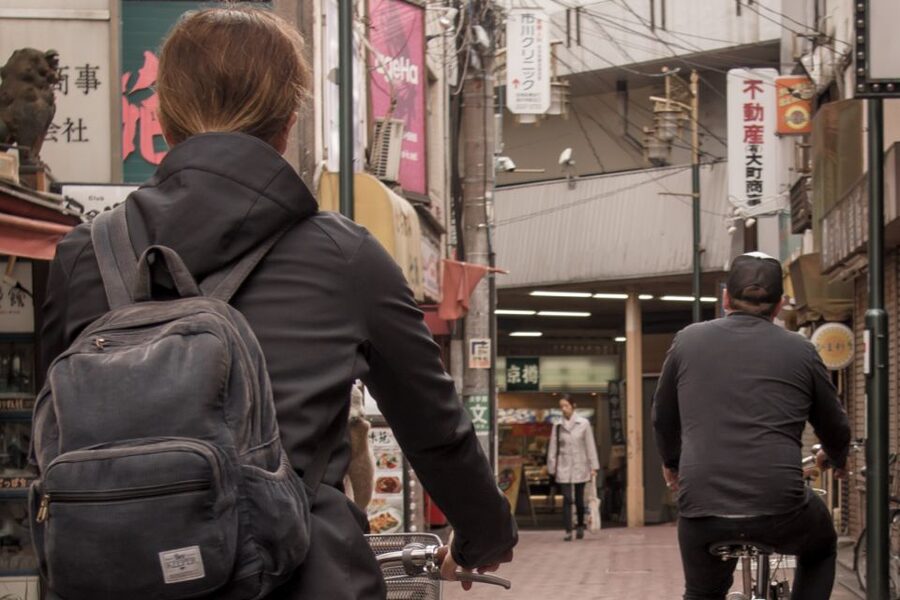
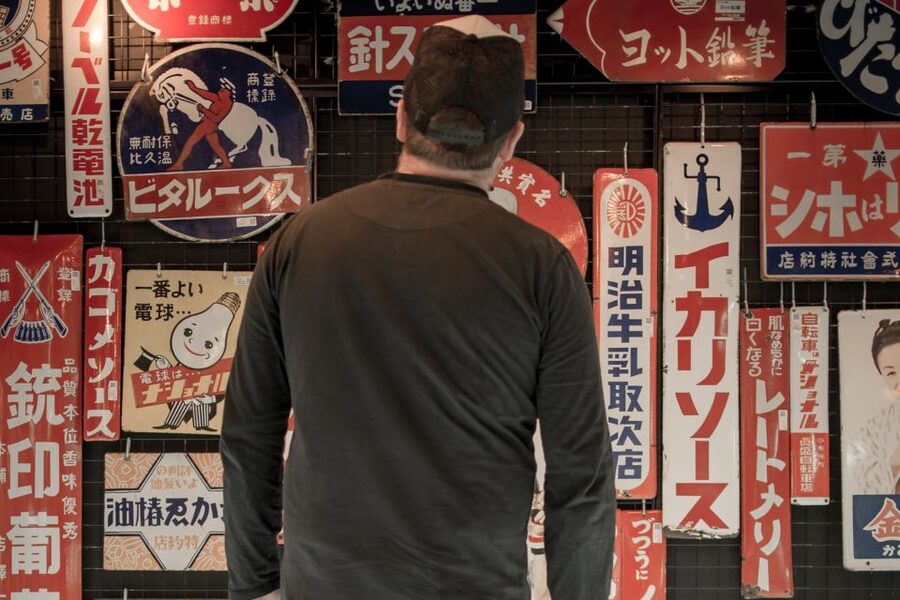
The tour focuses on the inner west-side neighborhoods, especially Nakano, Koenji, and Asagaya. Instead of spending your time near the biggest visitor magnets, you’ll spend it in places that feel like they are living their own daily routine.
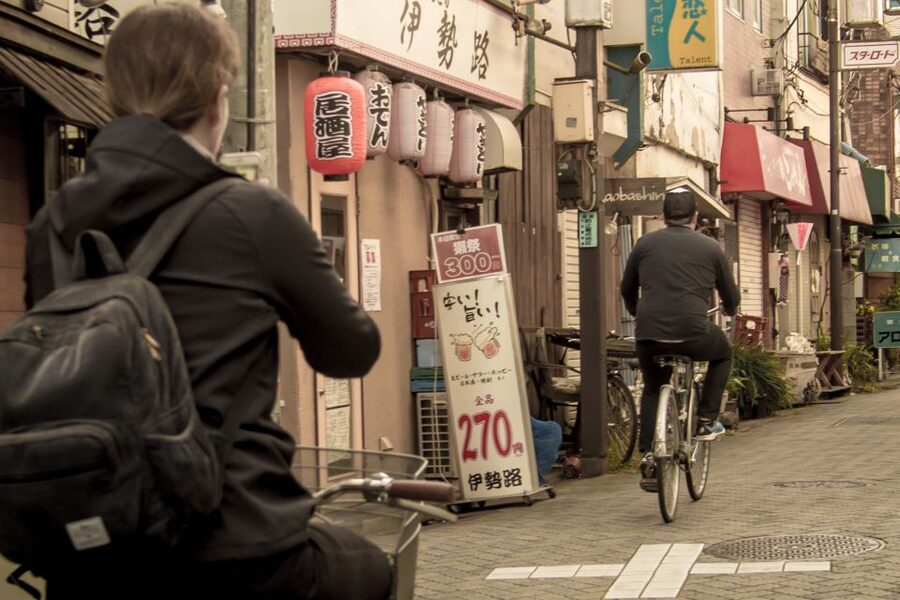
That is why this feels different. These neighborhoods are known for being eclectic, with side streets that lead to small shops, snack stops, and street scenes you will not stumble into by accident. You’ll pedal along twisting back streets and also use riverside bike paths when the route allows. Those bike paths help you reset your brain, then the city streets bring you right back to the texture.
In your route planning, think of the neighborhood hopping as a guided shortcut to places you might miss on your own. The guide’s job is not to point at famous buildings. Their job is to connect you to how the area functions day to day: where people eat, where they pause, where bikes fit into the flow, and how conversation works in small spaces.
And yes, there is a social element to it. You might even have to jostle a little for counter space at a small lunch spot, much like the salarymen who are there on their lunch break. It is not a problem if you’re flexible. It is the kind of moment that makes the whole tour feel real.
Food stops: lunch plus two street eats, with guide help that actually matters
The food plan is refreshingly straightforward. You get a simple Japanese lunch, two popular street food eats, and a bottled drink. The tour also includes the small expenses that often derail good value, like bicycle parking fees and cycling liability insurance.
The lunch is described as a nice little noodle bar stop. That’s exactly the kind of meal I like on a short food tour, because you are not spending your time playing 20 questions with a menu. You’re sitting down in a place that locals use, then eating without turning the meal into a stressful scavenger hunt.
The street food eats are selected to match the vibe of the neighborhoods you are in. Since the tour does not list specific dietary alternatives, it’s smart to treat this as a standard Japanese street-snack experience. You will be able to walk in with confidence if you eat what you see and you are okay with not knowing every item in advance.
One of the most practical touches from the guide side is how they handle vending-machine culture. Even if you have seen vending machines before, Tokyo’s system is its own language. If you have ever stood in front of one and felt slightly doomed, you’ll appreciate a guide explaining how to work it without guessing.
Food caution: this tour is not designed for vegans or people with food allergies. The information is clear that it does not cater to personal tastes, dietary requirements, or allergies. If you fall into those categories, it’s best to skip this one and choose a tour that can guarantee safe alternatives.
Bicycle parking systems and cycling habits you only learn by riding
A big part of the point here is that Tokyo cycling is not just about moving. It is also about parking, locking, and fitting into crowded streets in a predictable way. This tour gives you firsthand exposure to Tokyo’s bicycle parking systems and cycling culture.
Once you ride, you notice details fast. Bikes are treated like everyday transport, not like a novelty prop. You see how people chain and park, how they keep bikes close to entrances, and how bike handling is part of neighborhood life, not a separate activity.
You also get a better sense of how bike traffic blends with pedestrians. The streets can look chaotic to first-timers, but there is a rhythm to it. The guide’s presence reduces the mental load, so you can focus on enjoying the surroundings instead of panicking about every corner and every curb.
If you are the type who likes to understand how a city works rather than just where the photos are, this component is where you get the real payoff. It turns Tokyo from an image into a system.
More Tokyo tours and experiences for the shortlist



What actually makes this 210 minutes feel worth it
This tour lasts about 210 minutes, so you get time for both motion and moments. It is not a long bike-and-food slog where you feel exhausted and snack-hyped at the same time. The blend is deliberate: cycling to get you into the neighborhoods, walking when it makes sense, and food stops timed so you stay energized without burning daylight.
The value equation works because so much is included. For a price of $110 per person, you are not just paying for a guide. You’re also getting a simple lunch, two street food eats, and one bottled drink. Then there are the operational costs you often forget to count, like bicycle parking fees and cycling liability insurance. Add in the local English-speaking guide and you are paying for someone to handle the flow of the route, the stops, and the cultural translation.
In plain terms, if you spent similar time trying to do this on your own, you would likely spend money on food anyway, and you would still need a bike rental plus navigation help to reach the same kind of neighborhood feel without wasting hours.
Who this tour fits best, and who should skip it
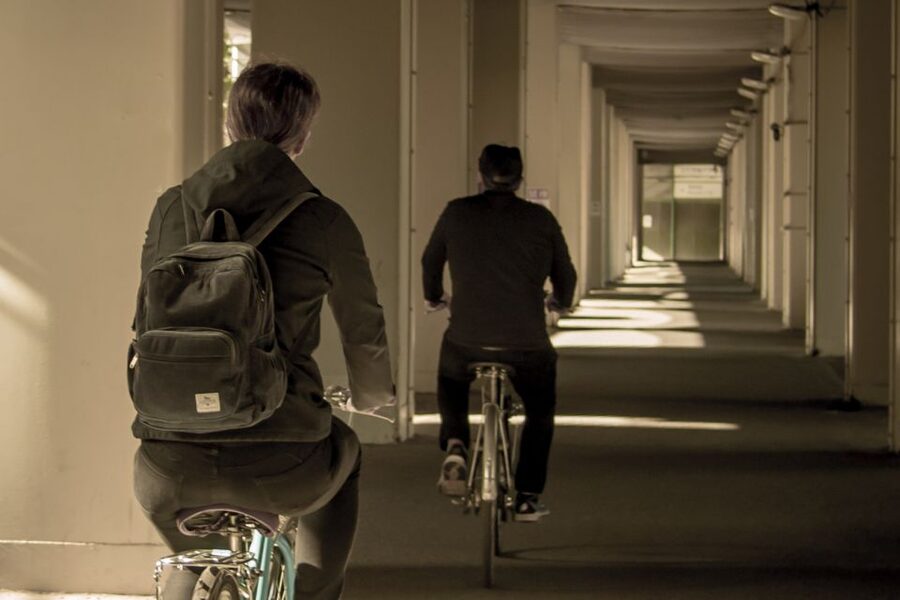
This tour is ideal if you like city walking that feels like real life, not like a theme park. It also fits you if you enjoy food that is simple and local, and you want a guide who can connect it to habits and society.
It is not a good match if you are avoiding bikes on principle, or if your cycling experience is limited. The streets are occasionally narrow and crowded, and you will face uneven surfaces. If you are nervous but think you can power through, consider your comfort honestly. The guide can help, but they cannot change the streets.
It also has clear fit limits:
- Not suitable for vegans or people with food allergies
- Not suitable for children under 10 years
- Not suitable for riders under 140 cm in height
Tips so you enjoy the ride instead of surviving it
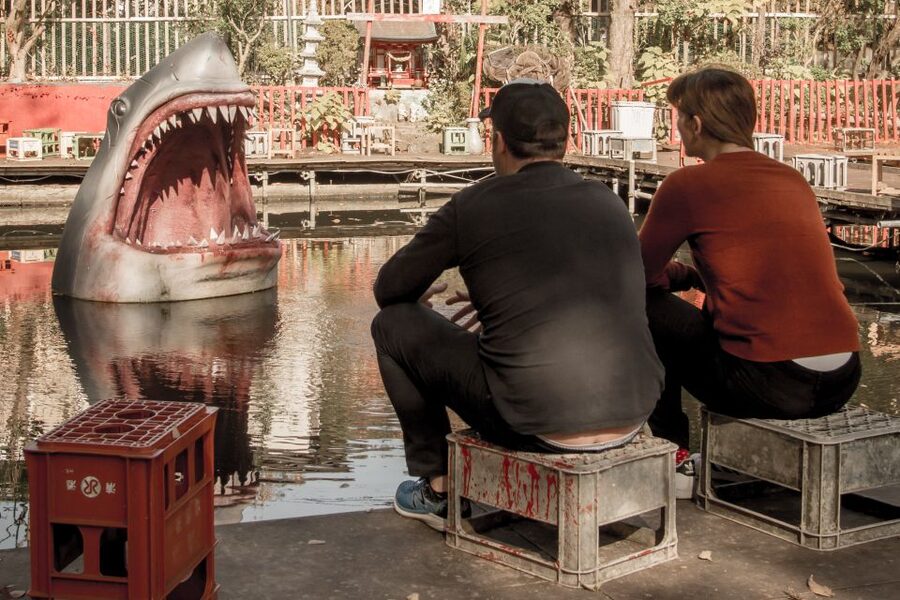
To get the most out of a bike-heavy neighborhood tour, show up prepared. Bring a passport or ID card, even if you are not sure why, and pack hand sanitizer or tissues. Also bring a garbage bag. Tokyo streets are tidy, but you still need a simple way to handle wrappers and trash.
Wear clothes and shoes that you can bike in comfortably. The tour involves both cycling and walking, and you might end up slightly wet if it rains. That means you want something you can manage without fuss.
Finally, bring curiosity. The guide style here is not just logistics. You will get explanations of Japanese habits and how daily life works, and you will likely have chances to ask questions. One of the best ways to make a tour like this feel personal is to ask the questions you would normally Google later.
If you’re worried about bike confidence, start with a calm mindset. You are riding leisurely, but you still need focus. Treat it like a neighborhood cruise with rules, not like a casual stroll.
Should you book this West Tokyo cycling and food tour?
If your goal is local Tokyo life, not postcard shopping, I think this tour is a strong booking. It gives you a practical way to see Nakano, Koenji, and Asagaya, and it pairs the ride with food you can actually eat without over-planning. The bicycle culture piece is not a lecture. It is something you feel as you roll, park, and weave through side streets.
I would skip it if you are vegan or need allergy-friendly options, or if you are not comfortable cycling in tight, busy areas. Also, if you are looking for slow, scenic cycling with no pressure, the street setting may feel too real.
For the right fit person, this tour is a smart way to spend 210 minutes, because it stacks multiple experiences in one go: bike culture, neighborhood texture, and real food stops, all with an English-speaking guide to keep you on track.
FAQ
Where is the meeting point?
The tour meets at Koenji Station on the JR train network. The guide waits directly outside the ticket gates about 5 minutes before the start.
How long is the tour, and how much will I ride?
The experience runs for 210 minutes. You’ll cycle about 12 to 15 km (roughly 7.5 to 9.5 miles) at a leisurely pace.
What is included in the ticket price?
The price includes a simple Japanese lunch, two popular street food eats, one bottled drink, bicycle parking fees, cycling liability insurance, and an English-speaking local guide.
Is this tour suitable for vegans or people with food allergies?
No. The tour is not suitable for vegans or people with food allergies. It also notes that it does not cater to personal tastes or dietary requirements.
What should I bring?
Bring an ID or passport, hand sanitizer or tissues, and a garbage bag.
Will the tour run in the rain?
It is an outdoor activity and may be affected by weather. In rain, the tour generally proceeds as planned, so plan for the possibility of getting wet.
Do I need prior bicycle experience?
Yes. You are expected to be competent riding a bicycle in narrow, crowded streets and on uneven surfaces for the route distance. Also, you should be over 140 cm tall to ride comfortably.
More Food & Drink Experiences in Tokyo
More Tours in Tokyo




More Tour Reviews in Tokyo


Not for you? Here's more nearby things to do in Tokyo we have reviewed












Tokyo Food Tours, side by side.
 ★ 5.0Shinjuku Food Tour (13 Dishes at 4 Local Eateries)From $866,603 reviews
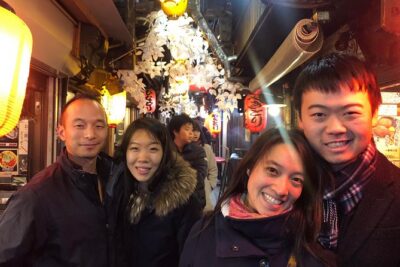 ★ 5.0Tokyo Bar Hopping Tour in Shinjuku (All-You-Can-Drink + Dinner)From $1063,587 reviews
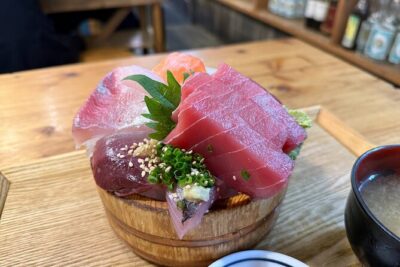 ★ 4.9Shinjuku Food Tour (15 Dishes and 4 Eateries)From $852,033 reviews
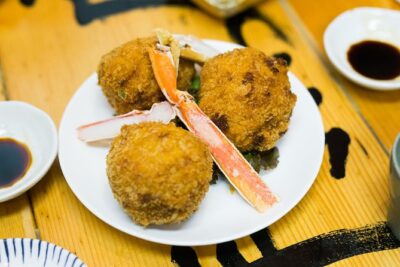 ★ 5.0Best of Shinjuku: Izakaya Food Tour (4 Stops, 14+ Tastings)From $921,863 reviews
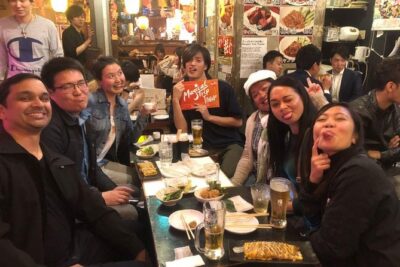 ★ 5.0Shibuya Meltdown Nightlife Tour: All-You-Can-Drink Bar HoppingFrom $1061,058 reviews
 ★ 5.0Eat and Drink Like a Local: Tokyo Ueno Food Tour-Taverns&RamenFrom $95957 reviews
 ★ 5.0Ramen & Gyoza Cooking Class in Tokyo with Local Supermarket VisitFrom $122823 reviews
 ★ 5.0Shibuya Food Tour (13 dishes and 4 Eateries)From $77770 reviews
This tour also belongs to